8 Cleaning Products You Should Never Touch Your Hardwood Floors
Hardwood floors aren’t cheap, and they’re not as tough as people think. While they can last for decades when cared for right, the wrong cleaning product can eat through the finish, leave a dull haze, or even cause permanent damage. A lot of popular cleaners aren’t made with hardwood in mind—even if they’re labeled “multi-surface.”
If you want your floors to hold up, you need to skip anything that strips moisture or adds build-up. Here’s what to keep far away from your hardwood.
Vinegar

Vinegar might be a go-to for a lot of natural cleaning, but it’s too acidic for hardwood. It can break down the finish over time, leaving your floors looking dull and dry.
Even diluted vinegar can cause long-term damage if used regularly. If you’ve been using it and your floor has lost its shine, there’s a good chance the acid is to blame.
Steam Cleaners
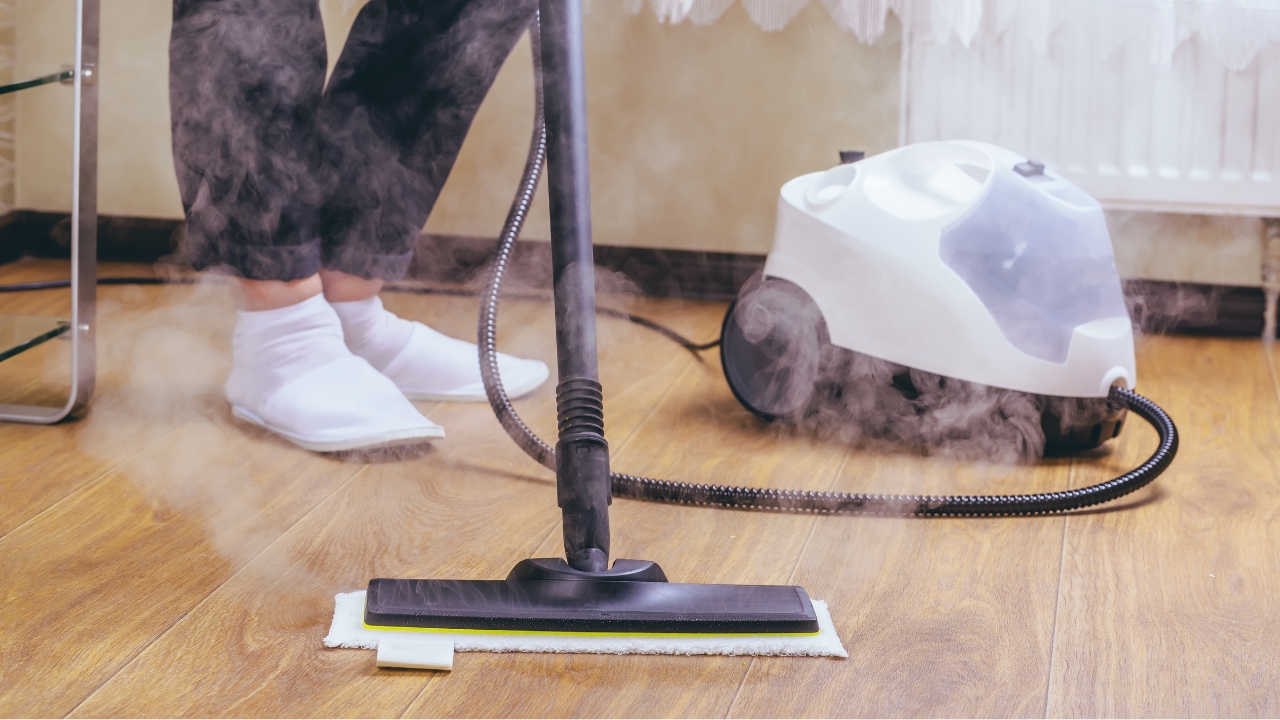
Moisture and heat are hardwood’s worst enemies. Steam cleaners push both into the cracks and grain, which can cause warping or peeling.
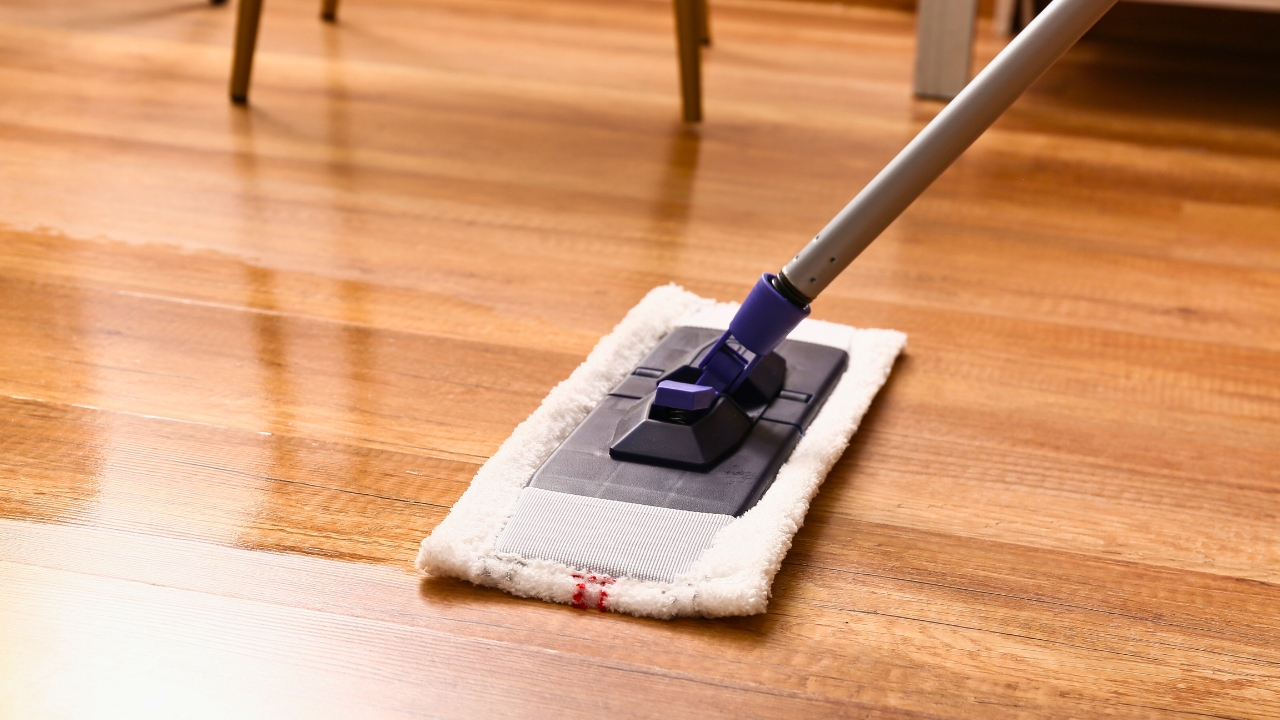
Even if a brand says it’s safe for sealed hardwood, most flooring manufacturers won’t honor a warranty if steam was used. Stick with a barely damp mop instead.
Ammonia
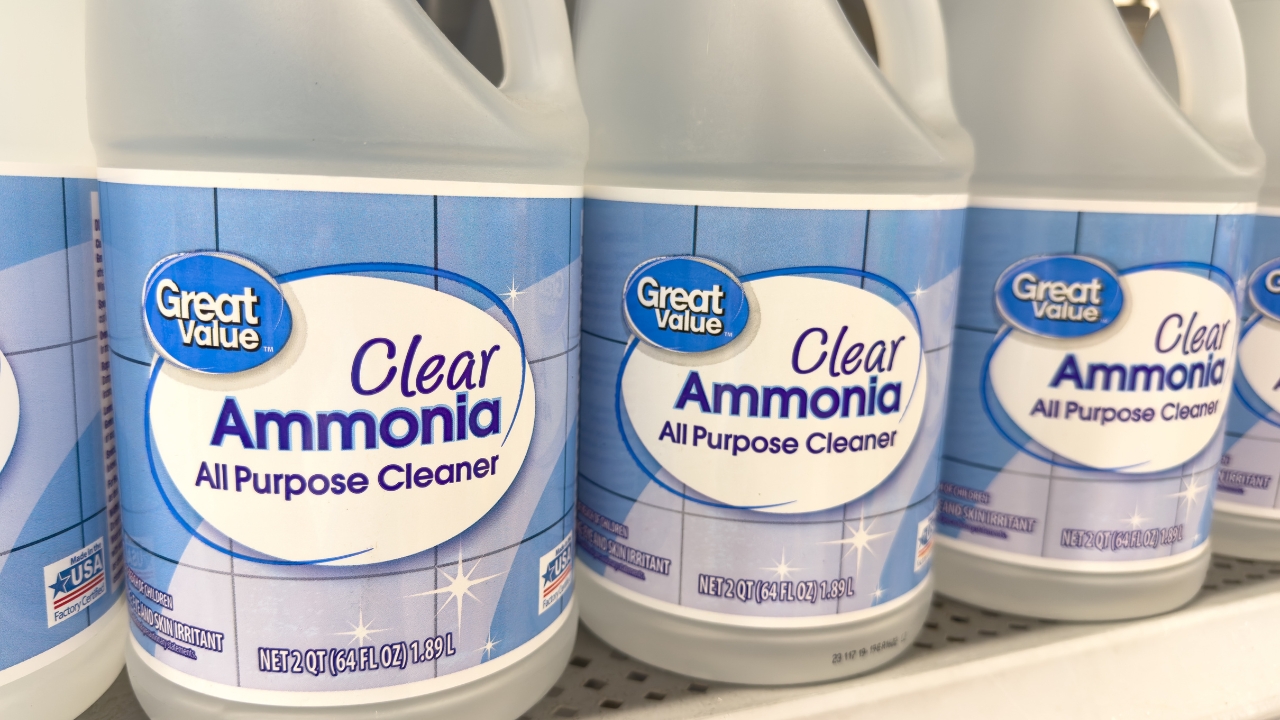
Ammonia is too harsh for hardwood. It eats away at the finish and can even change the color of the wood underneath.
Some heavy-duty cleaners sneak ammonia in, especially glass or tile sprays. Always double-check the label before using anything near your floors.
Abrasive Powders
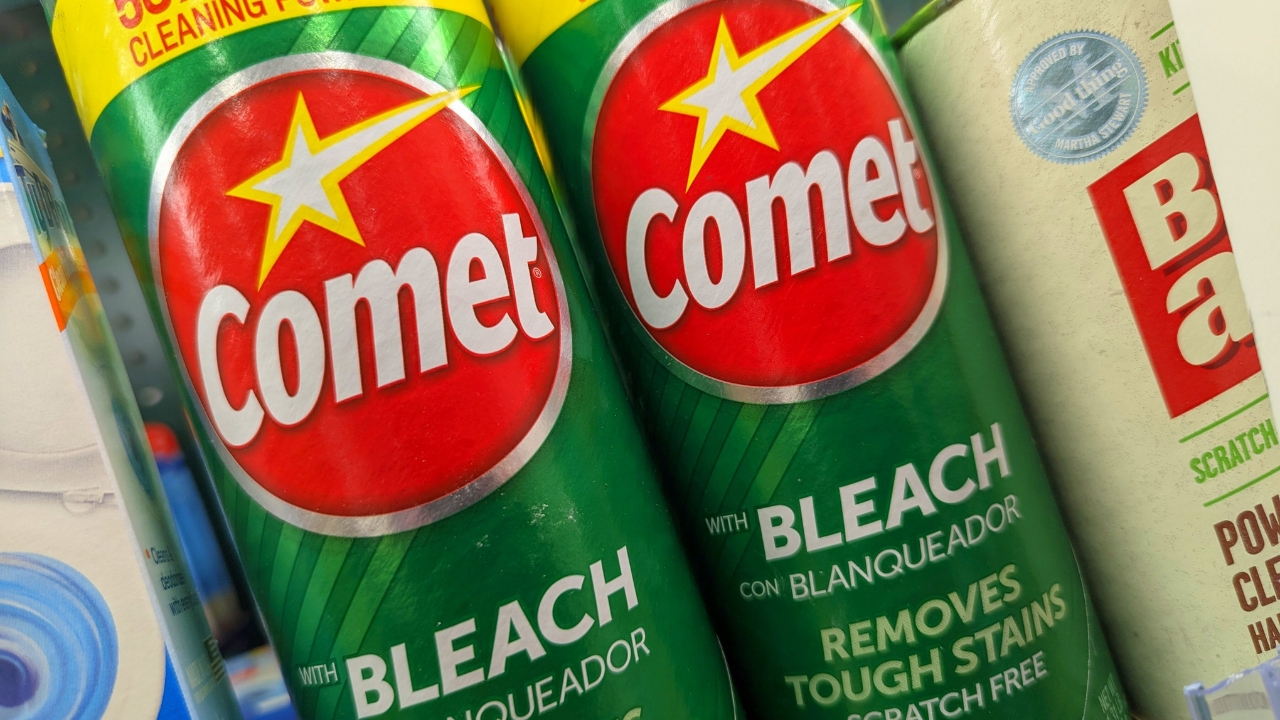
Anything gritty—like Comet or scouring powders—can scratch hardwood floors in seconds. It doesn’t take much for the damage to show, especially on dark finishes.
Even a quick sprinkle to scrub up a mess can leave visible marks. Keep powders off the floor entirely, even for spot cleaning.
Bleach

I know, this one is obvious. But just in case, we have to put it on the list.
Bleach might disinfect, but it’s way too strong for hardwood. It can weaken the finish, strip color, and create blotchy spots you won’t be able to fix without sanding.
If you’re trying to kill germs, there are safer hardwood-safe disinfectants out there. Bleach isn’t worth the risk.
Furniture Polish
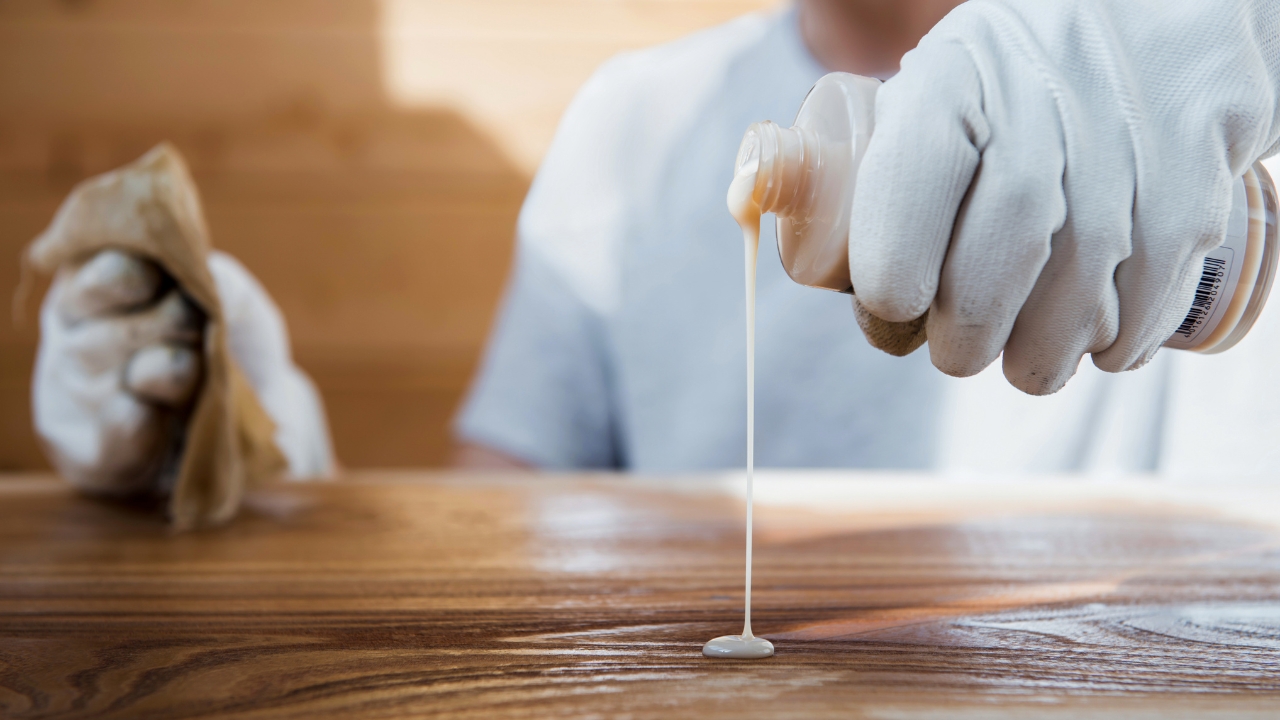
Furniture polish might leave a shine, but it’s not meant for floors. It makes the surface slippery and leaves behind an oily film that picks up dust like crazy.
It also smears easily, which can make your floor look cloudy or uneven. What works on cabinets doesn’t work here.
All-Purpose Cleaners
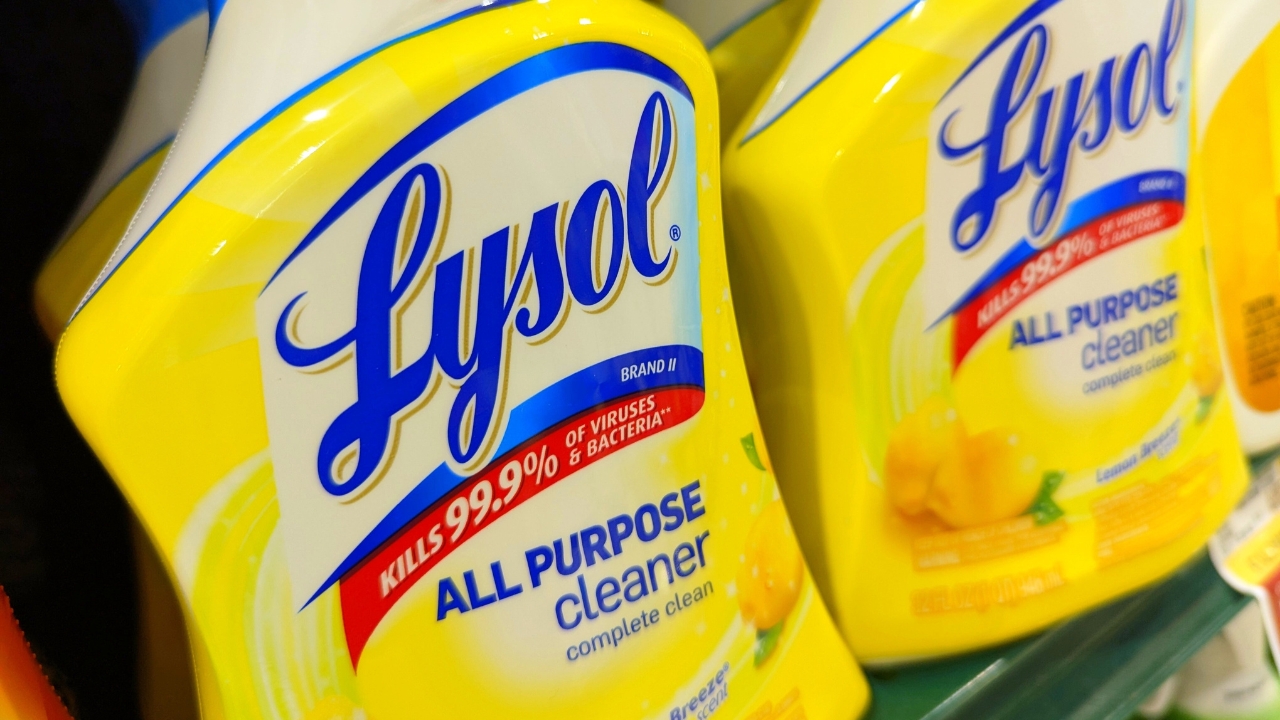
A lot of all-purpose sprays are loaded with chemicals that aren’t hardwood-safe. They might clean the surface, but they usually leave behind residue or slowly break down the finish.
Unless it’s specifically labeled for sealed hardwood, skip it. “All-purpose” really doesn’t mean what it claims when it comes to floors.
DIY Lemon or Citrus Mixes

Homemade lemon cleaners smell great, but citrus oils and acids can eat into the finish the same way vinegar does. They’re especially bad for prefinished hardwood.
If you’re looking for that fresh scent, find a hardwood-safe product with a light fragrance built in. Or use it on your counters, not your floors.
*This article was developed with AI-powered tools and has been carefully reviewed by our editors.