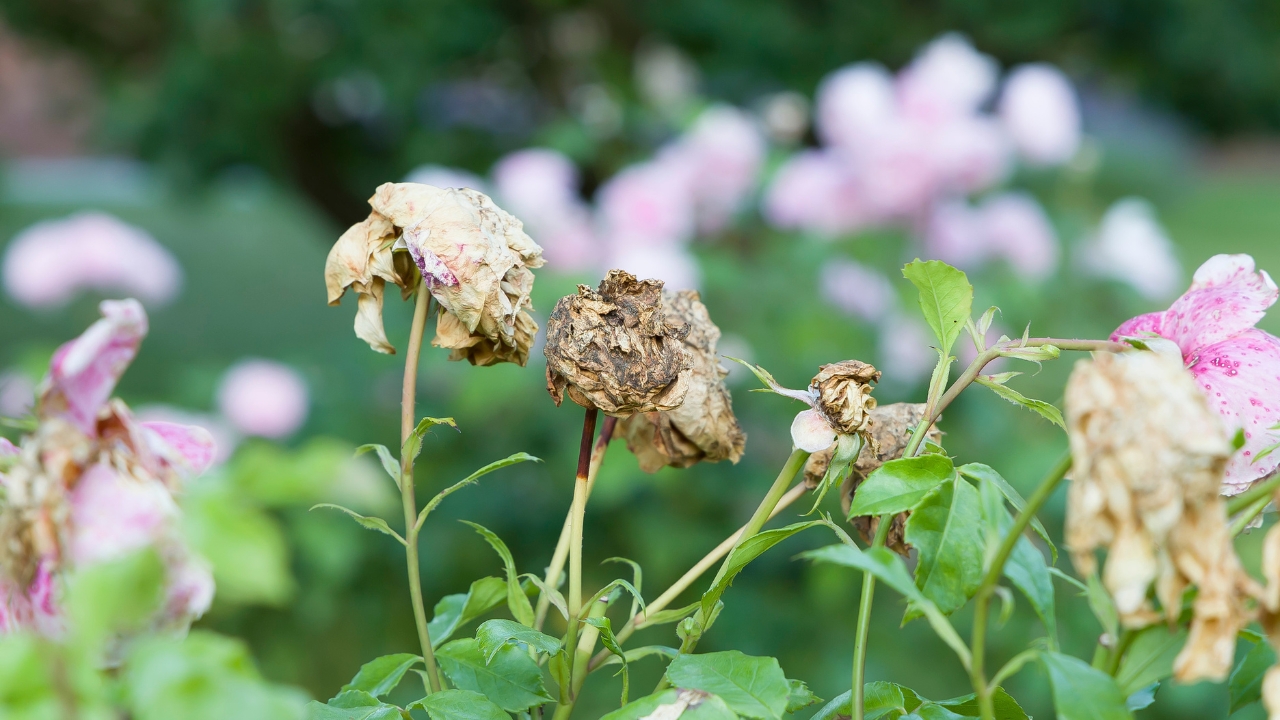
8 common mistakes that keep flowers from blooming
Photo credit: Paul Maguire/Shutterstock.com
If your flowers look healthy but never bloom, chances are you’re making one of these common mistakes. Blooms take more than sunshine—they rely on timing, nutrients, and proper care. Avoiding these pitfalls will help you finally see the colors you planted for.
Planting in the Wrong Spot
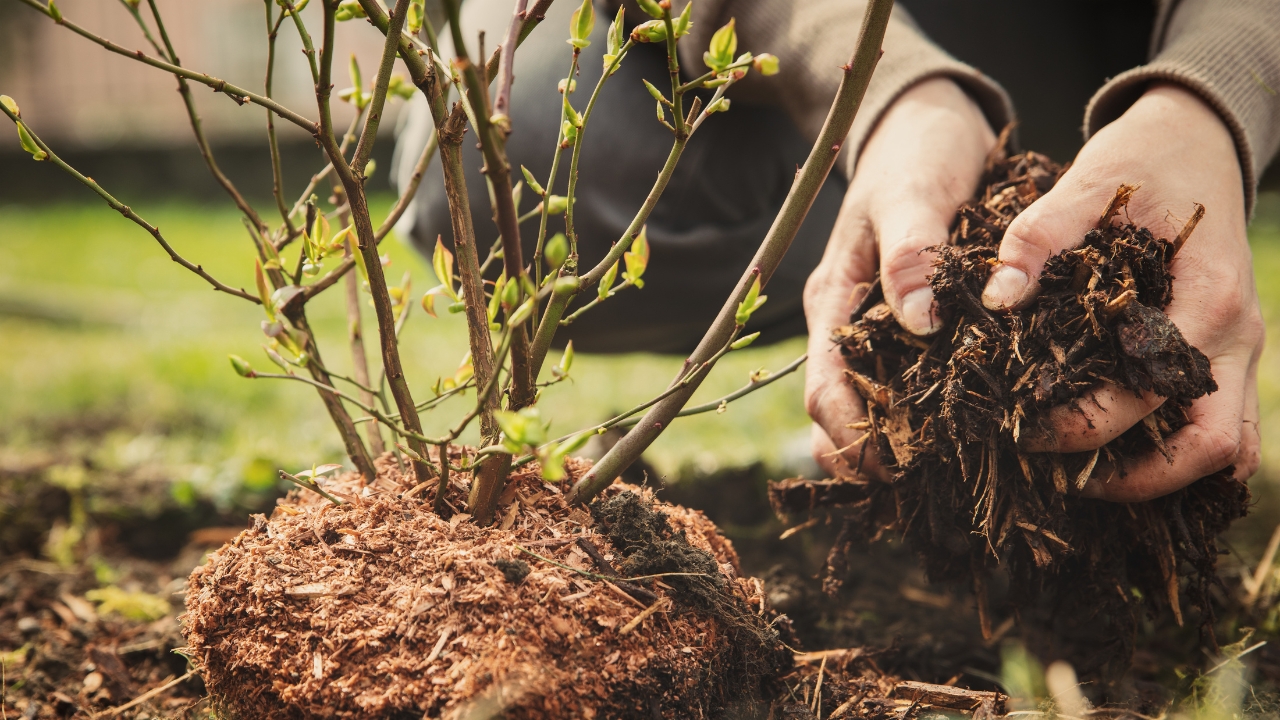
Sun-loving flowers won’t bloom in heavy shade, and shade plants wilt in full sun. Location is everything, and ignoring it leads to plants that grow but don’t flower.
Pay attention to the light requirements on seed packets or plant tags. Matching the plant to its proper spot is the first step to consistent blooms.
Overfertilizing With Nitrogen

Fertilizer high in nitrogen promotes leafy growth but holds back flowers. You’ll end up with green, full plants that never put out buds.
For blooms, choose a balanced or phosphorus-rich fertilizer instead. It shifts the plant’s energy toward flowering instead of nonstop leaf production.
Skipping Deadheading
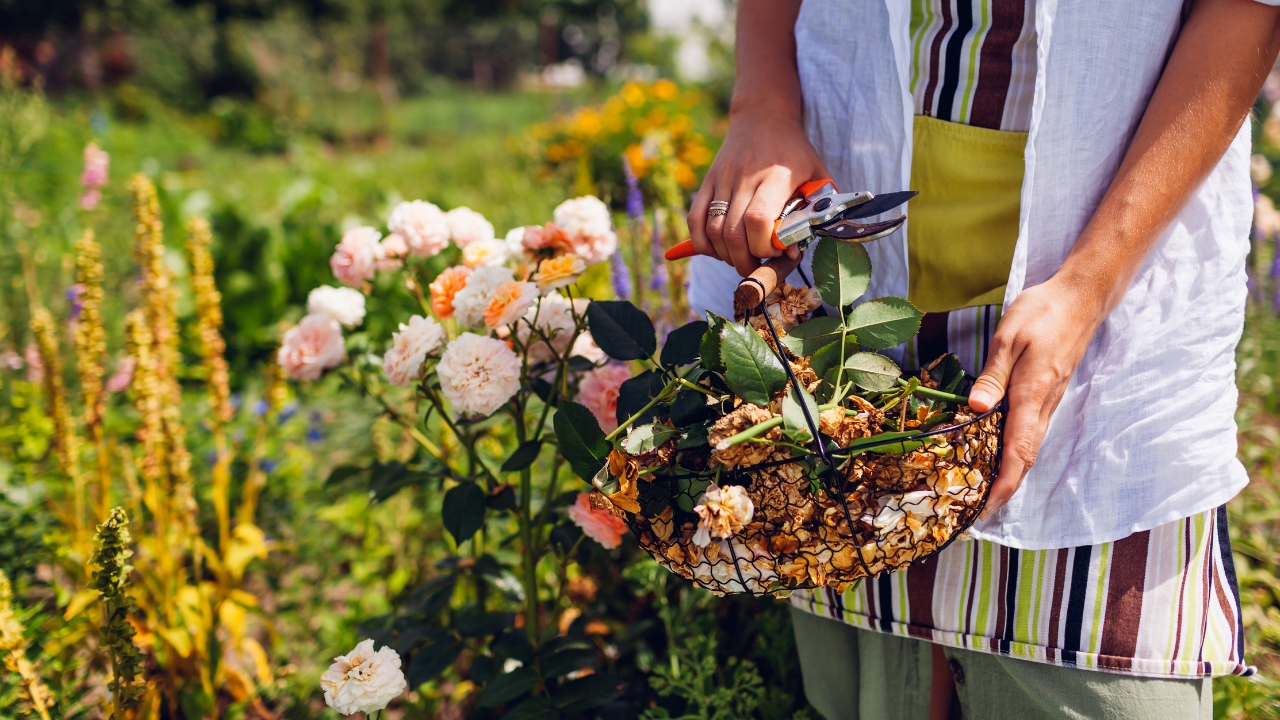
Once flowers fade, many plants stop producing new buds. If you don’t remove spent blooms, the plant puts its energy into seed production instead of fresh flowers.
Deadheading regularly keeps flowers coming back. It signals the plant to keep pushing out new color through the season.
Planting Too Densely

Crowding flowers may look full at first, but it limits airflow and sunlight. Plants end up competing with each other, which stunts blooms.
Spacing them properly gives each plant enough room to grow and flower. Thinning beds makes them healthier and more productive.
Ignoring Soil Quality
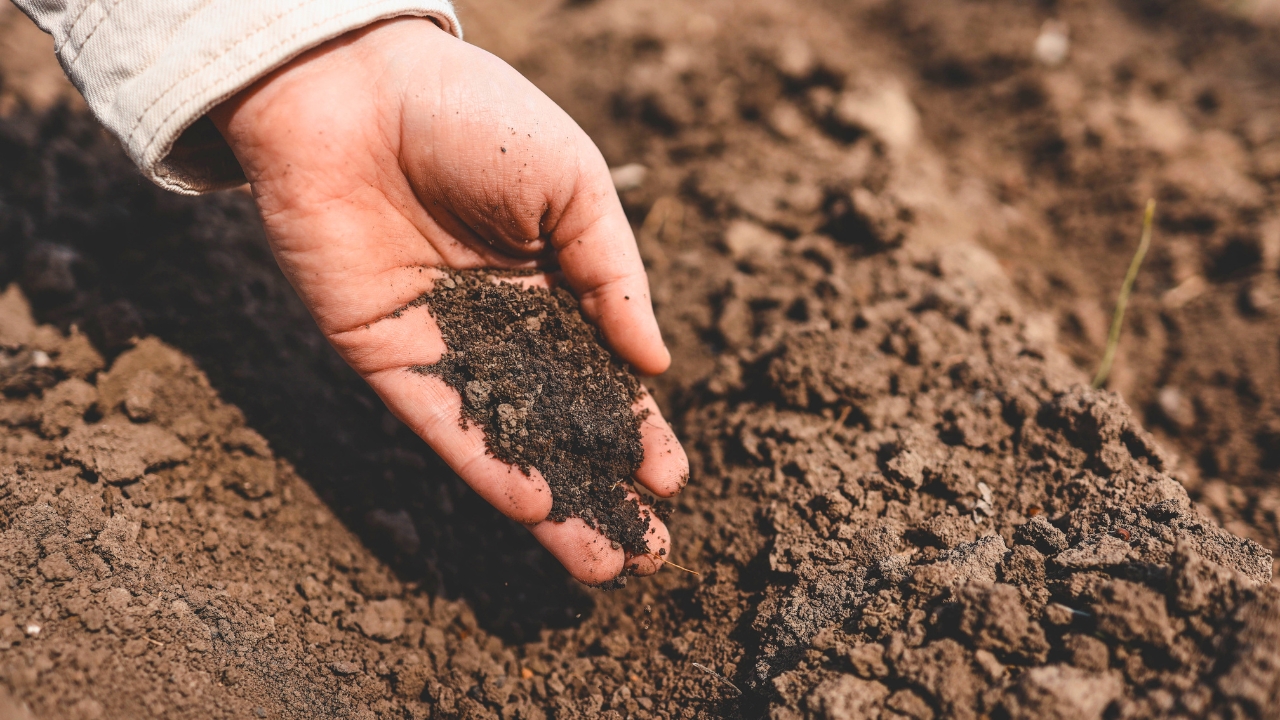
Poor soil limits root growth and nutrient uptake, which directly affects blooming. Flowers can survive in weak soil, but they’ll rarely perform well.
Adding compost or organic matter improves soil health, giving plants the resources they need to produce strong blooms all season.
Watering Incorrectly
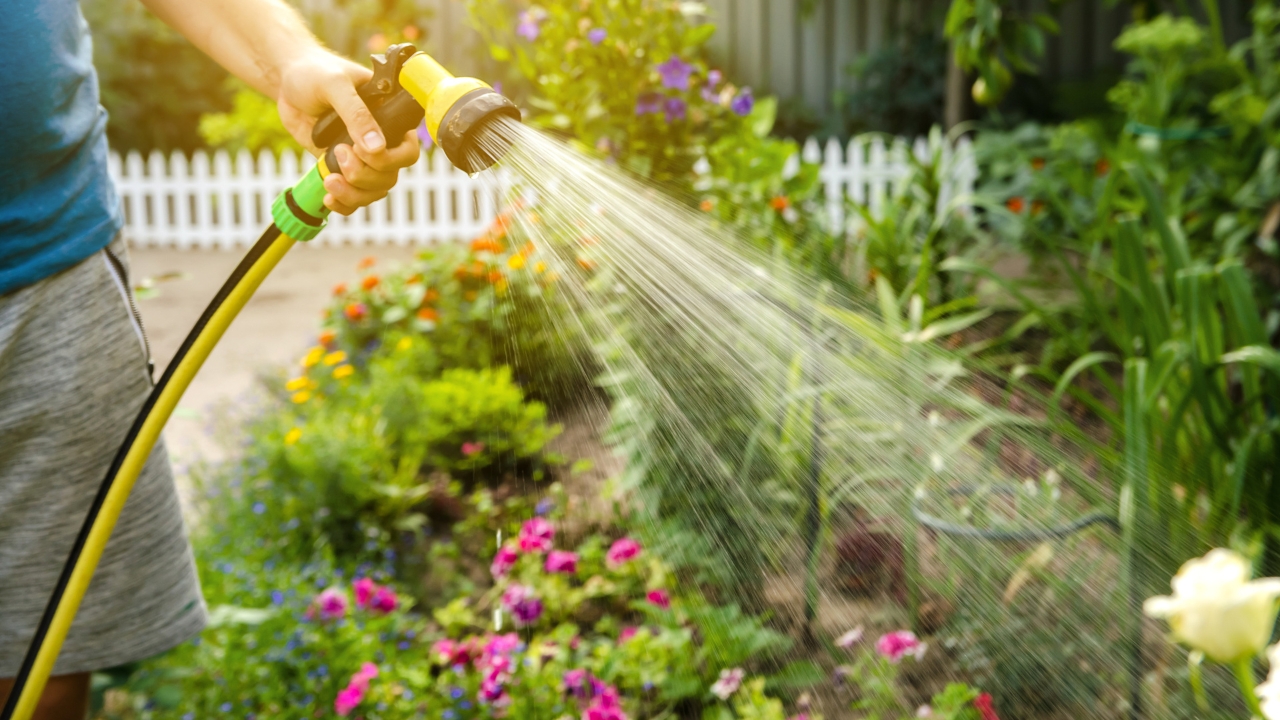
Too little water stresses plants and prevents blooming. But overwatering drowns roots and reduces oxygen, which also holds back flowers.
Consistent, moderate watering is best—soaking the soil deeply but letting it dry slightly before watering again. This balance keeps blooms coming.
Pruning at the Wrong Time
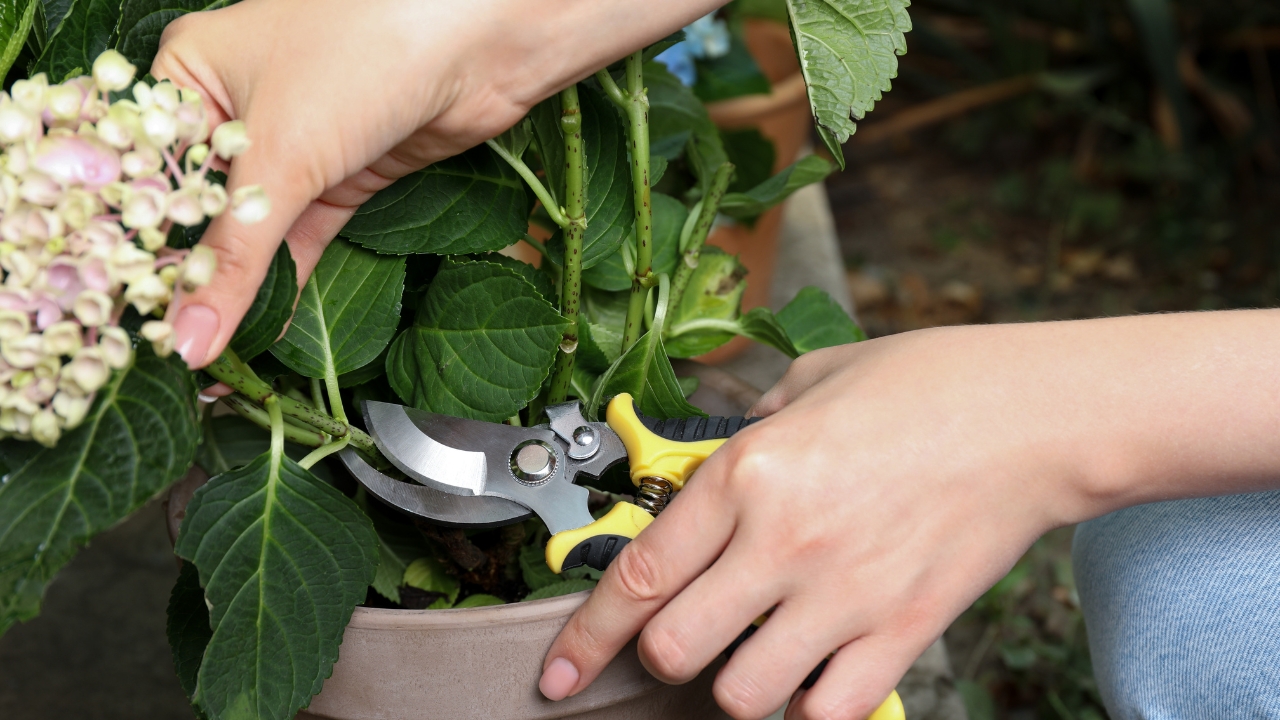
Some flowers bloom on old wood, meaning pruning at the wrong time cuts off future buds. Others bloom on new growth and benefit from seasonal trimming.
Knowing the growth habits of your plants helps you prune at the right time. Otherwise, you risk cutting away next season’s flowers.
Neglecting Sun Requirements
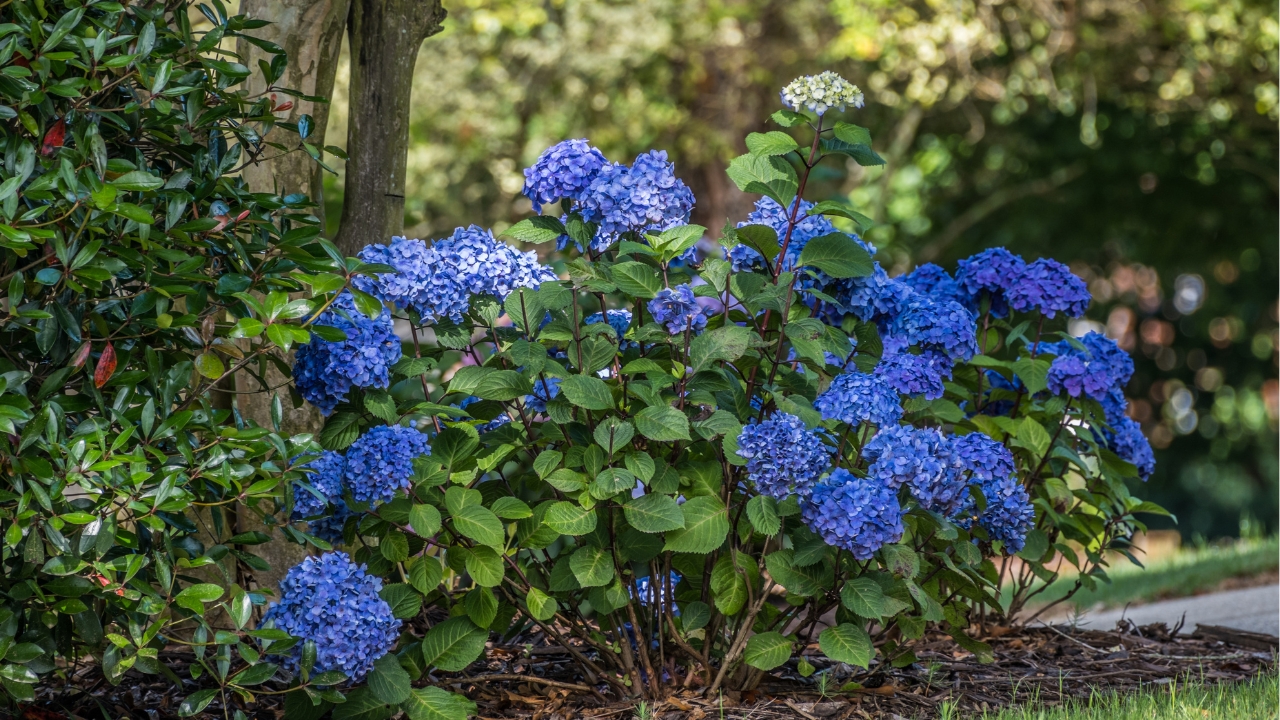
Even partial-sun plants need a few hours of light to bloom well. If they’re shaded by trees or overgrown shrubs, flowers fade fast.
Trimming back surrounding plants or moving flowers to sunnier spots helps them reach their potential. Light is one of the most important factors in blooming.
*This article was developed with AI-powered tools and has been carefully reviewed by our editors.