8 groceries you’re storing wrong that spoil faster
Food waste eats into your budget faster than most people realize, and a lot of it comes down to storage mistakes. The way you handle certain groceries can either stretch their shelf life or cut it in half.
Once you know the right methods, you’ll waste less, shop less often, and save more money without sacrificing freshness.
Tomatoes in the Fridge
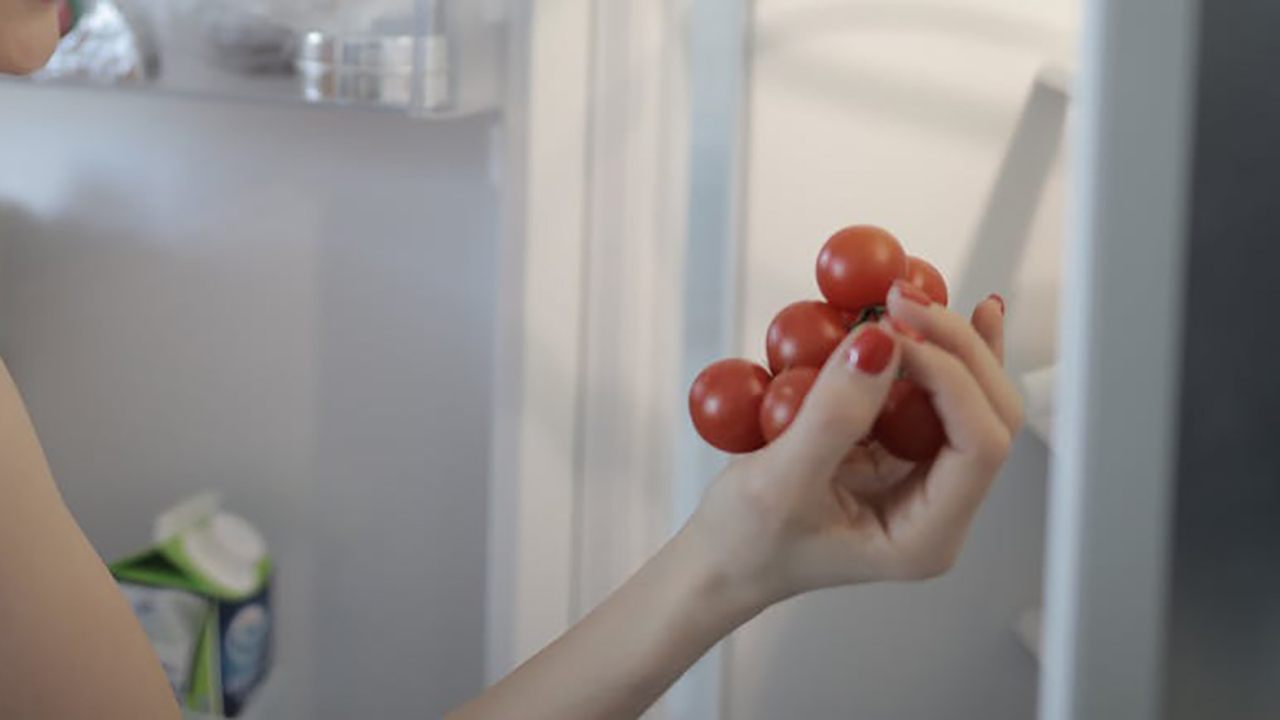
Sticking tomatoes in the fridge seems like a good way to keep them fresh, but cold temperatures ruin their flavor and texture. They turn mealy and lose their sweetness fast. Instead, keep tomatoes on the counter until they’re fully ripe. Once they’re ripe, you can refrigerate them briefly if you need to slow down spoilage, but give them time to come back to room temperature before eating.
Onions and Potatoes Together
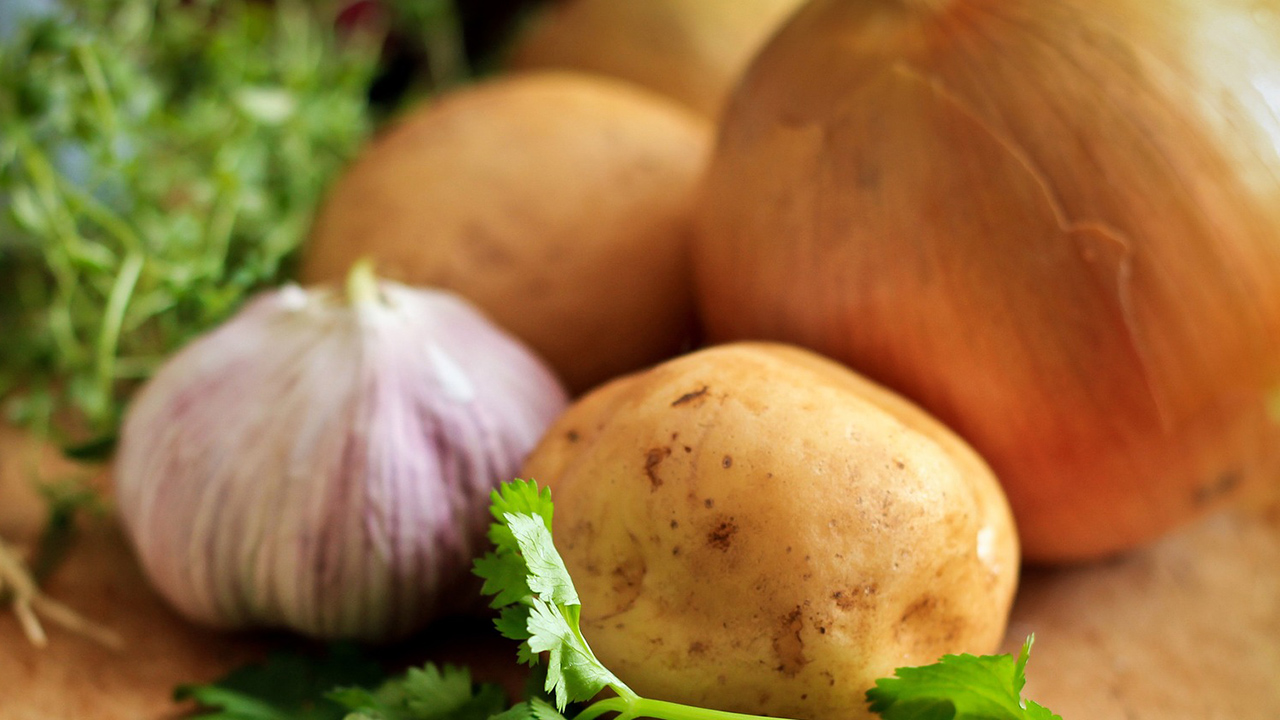
You may think the pantry is the perfect shared spot, but storing onions and potatoes together makes them spoil faster. Onions release gases that cause potatoes to sprout, while potatoes give off moisture that makes onions soft. Keep onions in a cool, dry, well-ventilated place, and store potatoes in a separate dark spot. Following this one rule keeps both fresher for weeks.
Bread in the Fridge

Many people toss bread in the fridge to make it last, but that actually speeds up staling. Cold air dries out bread and gives it that rubbery texture nobody wants. The better option is to freeze what you won’t eat in a couple of days. Frozen bread toasts up like new, and you’ll never feel like you’re racing to finish a loaf again.
Apples Near Other Produce
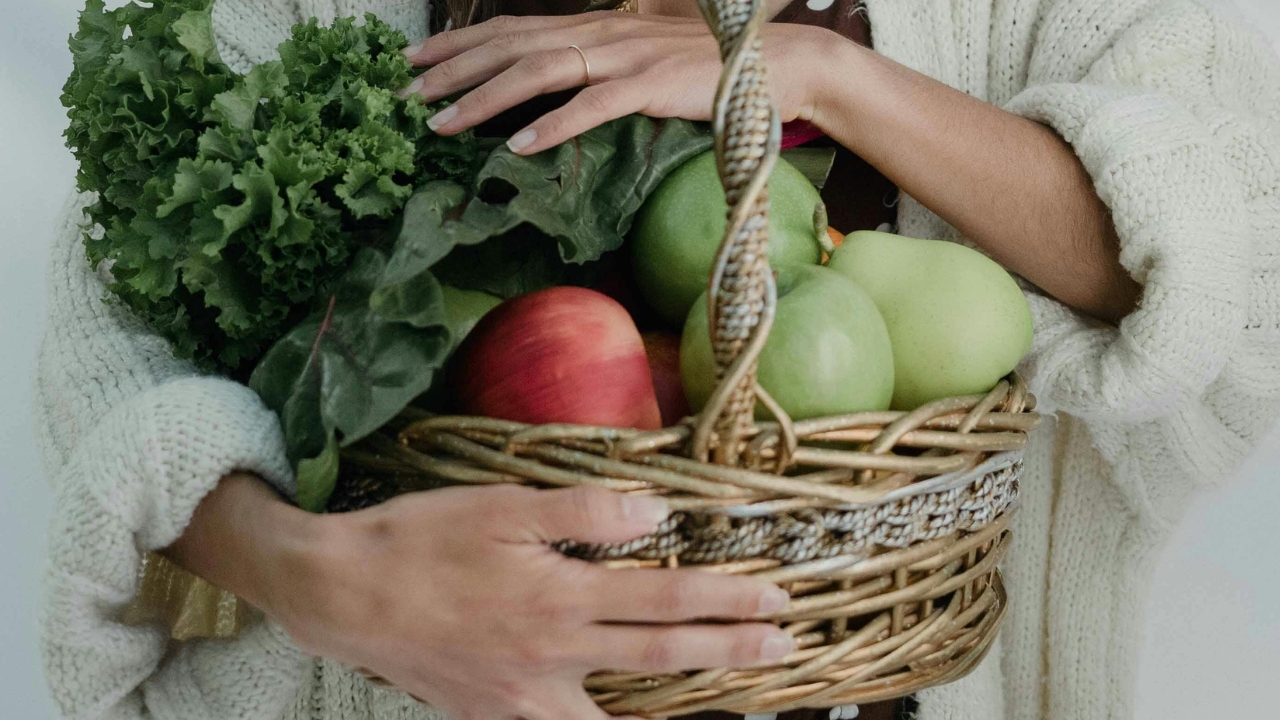
Apples release ethylene gas, which speeds up ripening in anything nearby. That means lettuce wilts, carrots get limp, and other fruits spoil faster if you store them together. Keep apples in their own drawer or container in the fridge to avoid cross-ripening. If you like crisp apples, a sealed produce bag in the fridge is the best way to keep them that way.
Fresh Herbs in Plastic Bags
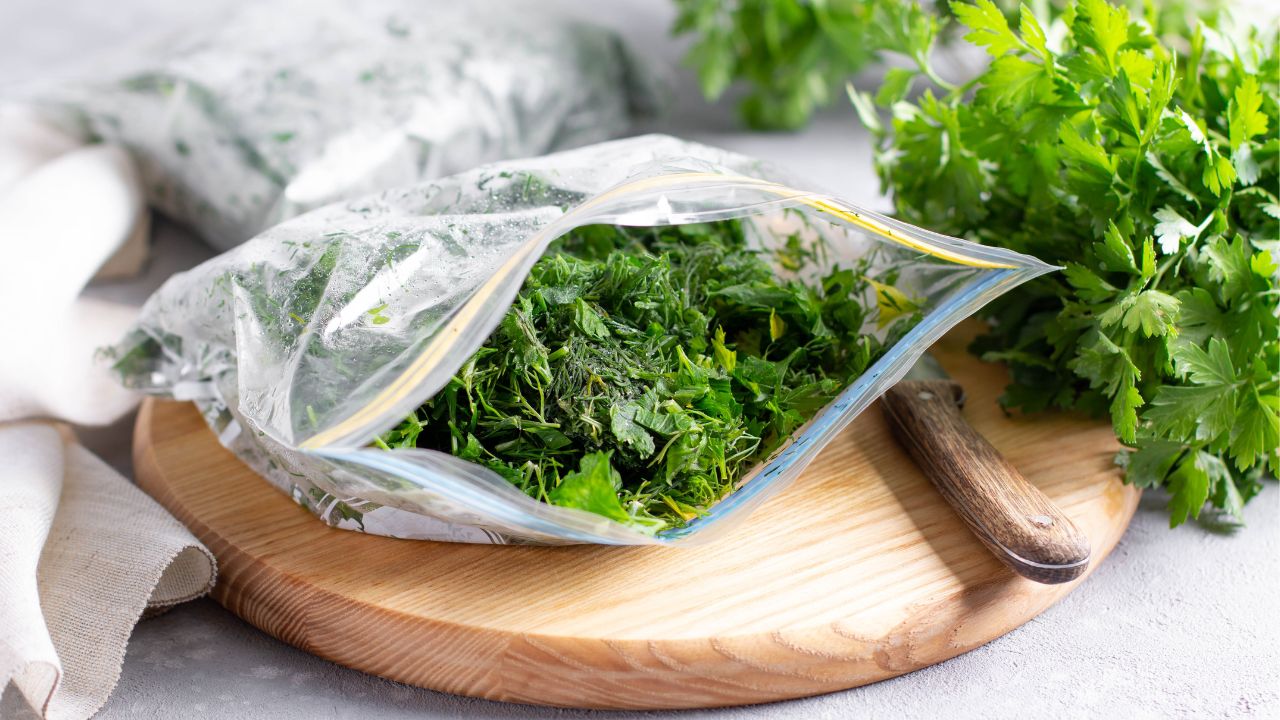
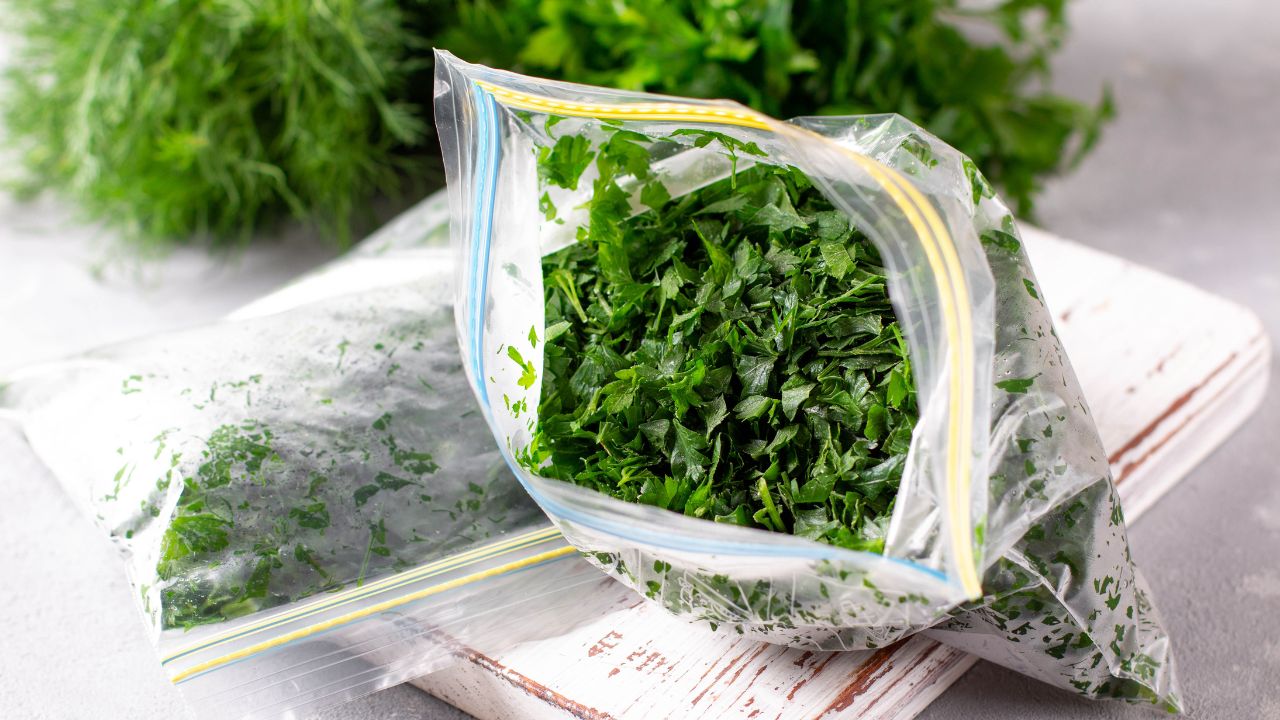
Tossing herbs in the fridge still wrapped in a store bag is one of the fastest ways to wilt them. They need moisture and air circulation to stay fresh. Treat soft herbs like cilantro and parsley like fresh flowers: trim the stems, place them in a jar of water, and cover loosely with a plastic bag. For hardy herbs like rosemary, wrap them in a damp paper towel before refrigerating.
Bananas in a Bunch

Leaving bananas bunched together on the counter makes them ripen all at once. To slow them down, separate each banana and wrap the stem with a little plastic wrap or foil. Keeping them apart prevents the spread of ripening gases, which means you can actually enjoy them over several days instead of watching the whole bunch turn brown at once.
Eggs on the Door
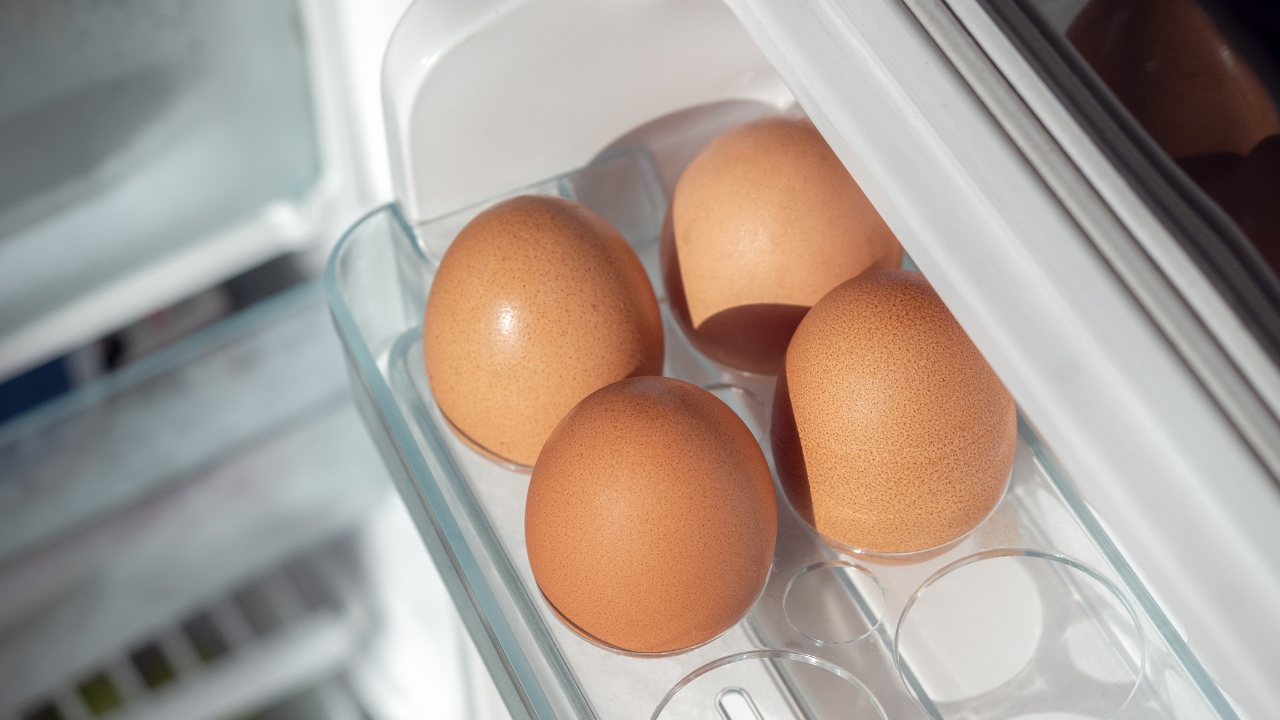
Many refrigerators even have an egg tray in the door, but that’s the worst place for them. The door has the most temperature swings from opening and closing, which shortens shelf life. Instead, keep eggs in their original carton on a middle shelf inside the fridge, where the temperature stays steady. They’ll last longer and stay safer to eat.
Avocados in the Wrong Spot

If you throw avocados straight into the fridge when they’re hard, they may never ripen properly. Keep them on the counter until they’re slightly soft. Once ripe, you can refrigerate them to buy a few extra days. If you only use half, leave the pit in and wrap it tightly — or better yet, store it in an airtight container with onion slices to slow browning.
*This article was developed with AI-powered tools and has been carefully reviewed by our editors.