8 layout mistakes that disrupt the flow of a room, research shows
Photo credit: Sheila Say/Shutterstock
Creating a harmonious flow in your living space can be a bit of a challenge. Even with the best intentions, it’s easy to fall into some common design traps that disrupt the ambiance of a room. Here are eight layout mistakes to watch out for, backed by research and expert advice.
1. Oversized Furniture

Choosing furniture that’s too large for your space can make a room feel cramped and uninviting. It’s important to consider the scale of your furniture in relation to the room size. A massive sectional might be perfect for a sprawling living room, but in a smaller space, it can dominate the area and limit movement. Experts from Country Living emphasize the importance of balance. Instead of oversized pieces, opt for furniture that allows for breathing room, such as a sleek sofa or a modestly sized coffee table.
Consider employing pieces that can multitask, like a storage ottoman or a fold-out sofa bed. This approach not only saves space but also adds functionality to your room. Remember, less is often more when it comes to furniture size, allowing for a more open and flowing layout.
2. Poor Lighting Placement

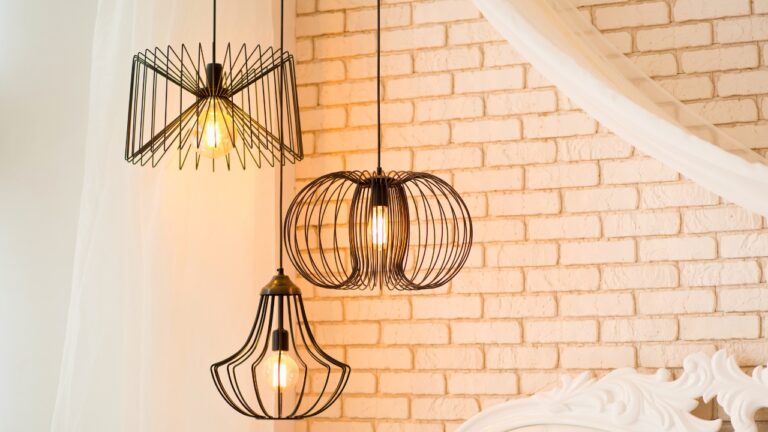
Lighting can make or break a room’s mood, yet poor placement is a common pitfall. Relying solely on overhead lighting can lead to harsh shadows and an unwelcoming atmosphere. Instead, aim for layered lighting, which includes a mix of ambient, task, and accent lighting. This creates a warm and inviting ambiance.
According to research published in BMJ Quality & Safety, well-thought-out lighting can significantly influence mood and perception in a space. Consider floor lamps or wall sconces to eliminate shadows and highlight key areas of the room. Remember to use dimmers where possible to adjust the lighting to suit different activities and times of day.
3. Cluttered Surfaces

While personal items and decor can add character to a room, cluttered surfaces can disrupt the visual flow and create a sense of chaos. Keeping surfaces clean and organized helps maintain a serene and orderly environment. This doesn’t mean you have to embrace minimalism; rather, be selective about what you display.
Utilize trays or decorative boxes to group items together, giving a more curated look. According to Manderley Fine Furniture, maintaining clean surfaces can greatly enhance the perceived space in a room. Regularly editing your decor and storing less frequently used items out of sight can make a big difference.
4. Lack of Defined Zones
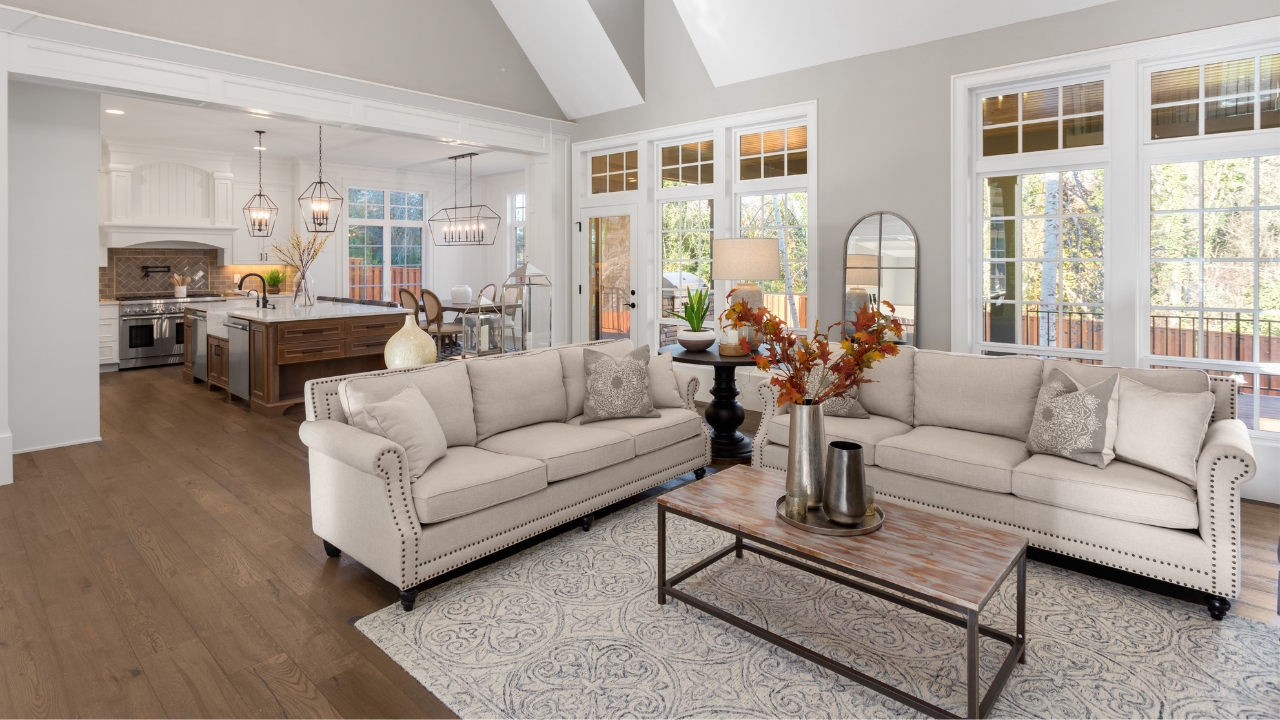
In open-plan spaces, the absence of clearly defined zones can lead to a disjointed feel. Without distinct areas for different activities, a room can seem aimless and haphazard. Use furniture, rugs, or even lighting to delineate areas for dining, relaxing, or working.
Creating zones doesn’t have to be complicated. A strategically placed bookshelf or a sofa can act as a divider between the living and dining areas. This approach not only helps organize the space but also enhances its functionality. Think of each zone as a room within a room, with its own purpose and aesthetic.
5. Ignoring Traffic Flow

Disregarding the natural flow of movement in a room is a common oversight. Blocking pathways with furniture disrupts the ease of navigation and can make a room feel cramped. Always consider how people will move through the space, leaving clear pathways between entry points and key areas.
According to a study on store layout and consumer behavior from ResearchGate, logical and intuitive pathways enhance the user experience. The same principle applies to your home. Rearrange furniture to create a natural flow and ensure that doors and windows are easily accessible.
6. Inadequate Storage Solutions

Without proper storage, even the tidiest rooms can quickly become cluttered. It’s essential to incorporate storage solutions that suit your needs and complement the room’s design. Built-in shelving, under-bed storage, and multi-functional furniture can all help keep a room orderly.
Consider incorporating creative options like floating shelves or hidden storage compartments. These solutions can add aesthetic appeal while keeping essentials out of sight. Remember that effective storage isn’t just about hiding things away; it’s about having designated spots for items, making them easy to find and use.
7. Inconsistent Style Elements
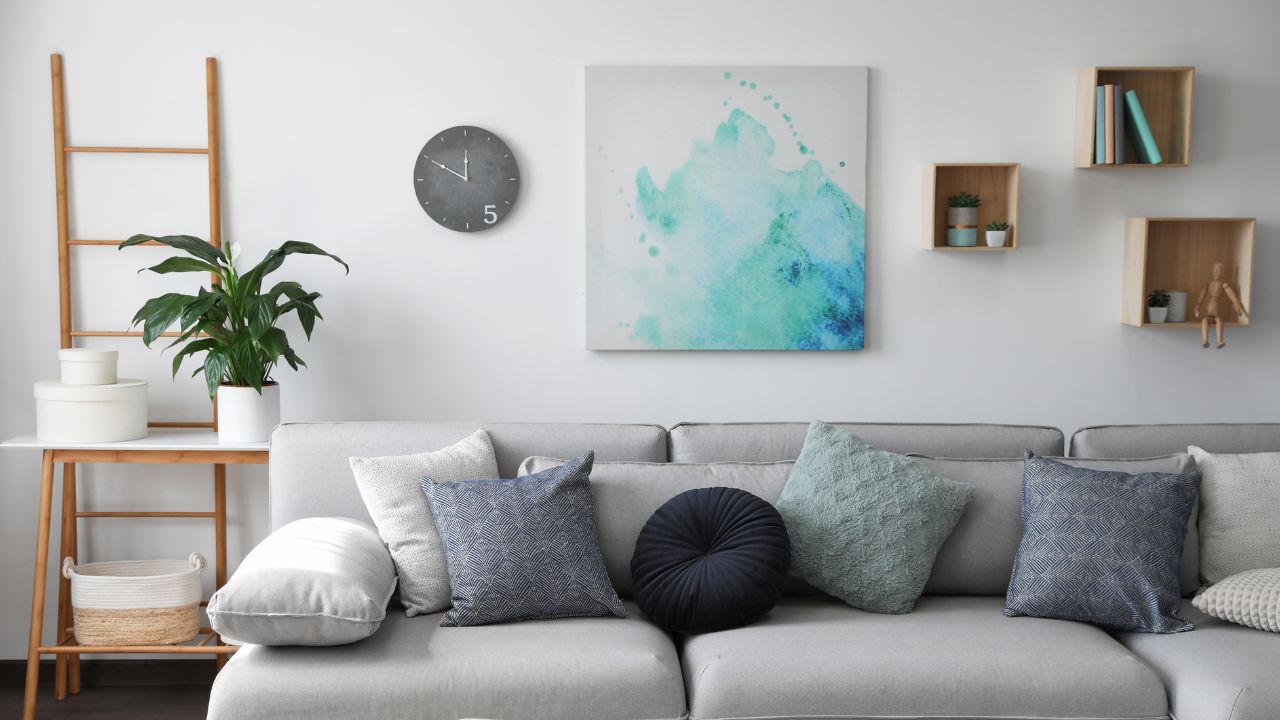
Mixing styles can add interest to a room, but too many conflicting elements can lead to a chaotic look. To maintain a cohesive design, choose a unifying color palette or theme that ties different pieces together. This approach allows for eclectic elements without losing cohesion.
Referencing expert advice from The New York Times, consistency in style choices doesn’t mean uniformity; it means harmony. Consider echoing materials, colors, or shapes throughout the room to create a sense of unity. This can be as simple as repeating a color in different textures or selecting furniture with complementary finishes.
8. Misaligned Focal Points
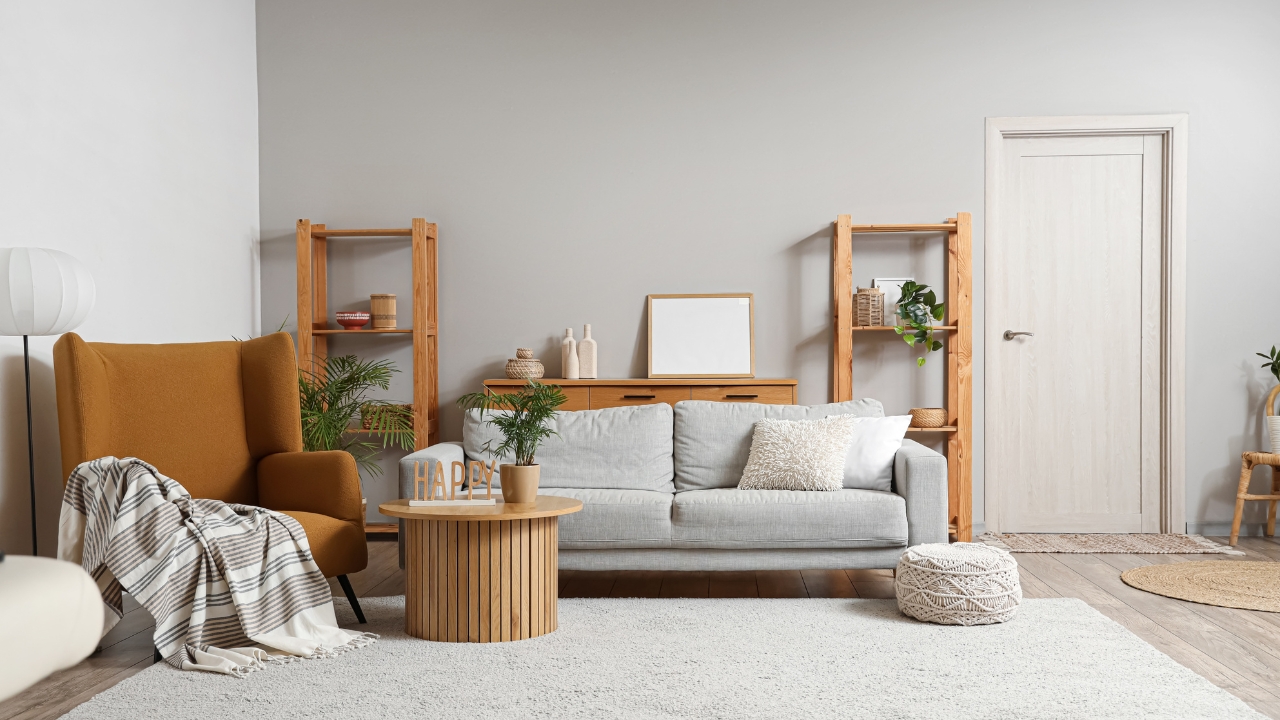
A room without a clear focal point can feel directionless. Whether it’s a fireplace, a piece of art, or a window with a view, having a central focus helps anchor the space. Arrange furniture and decor to highlight this element, drawing the eye and creating a sense of purpose.
When setting up your room, decide on its focal point and orient your layout to emphasize it. This might mean rearranging furniture or adding lighting to highlight a key feature. A well-placed focal point not only adds visual interest but also guides the flow and function of the room.
*This article was developed with AI-powered tools and has been carefully reviewed by our editors.