8 Mistakes That Are Destroying Your Septic System
Image Credit: KaliAntye/ Shutterstock.com.
If you’ve got a septic system, taking care of it isn’t optional. Repairs aren’t cheap, and replacing one can cost more than most people want to think about. The problem is, a lot of homeowners don’t realize they’re wrecking their system until it’s too late. Flushing the wrong things, overloading the tank, or ignoring basic maintenance can all lead to expensive damage.
I’ve seen it happen more times than I can count. The good news is, most of these mistakes are easy to avoid once you know what to watch for. Here’s what’s ruining your septic system—and how to stop it before it drains your wallet.
1. Flushing the Wrong Things
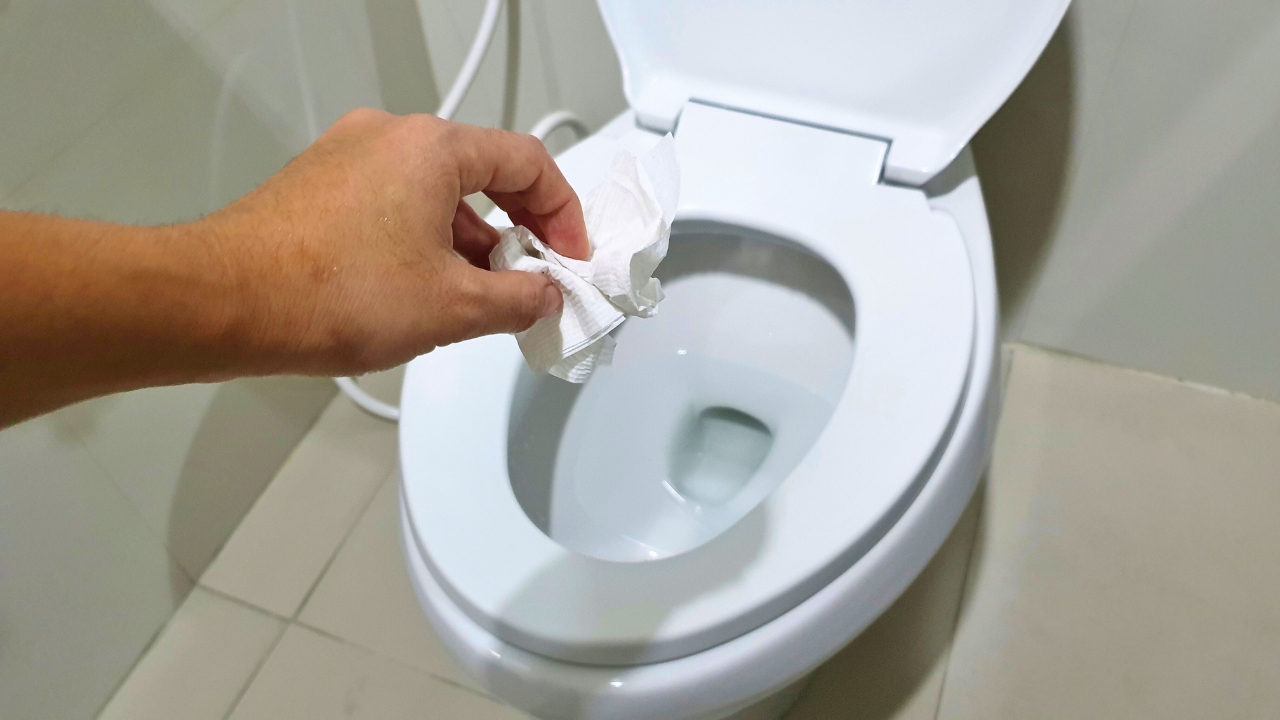
Your septic system isn’t a trash can. Wet wipes, paper towels, feminine products—none of it belongs in the tank. Even the so-called “flushable” wipes don’t break down the way toilet paper does, and over time, they’ll clog your system.
Grease is another big problem. Pouring it down the drain might seem harmless, but once it cools, it hardens in your pipes. That buildup will eventually block the flow, and when that happens, you’ll be dealing with slow drains, backups, or worse. Keep it simple—only flush waste and toilet paper.
2. Skipping Regular Pumping
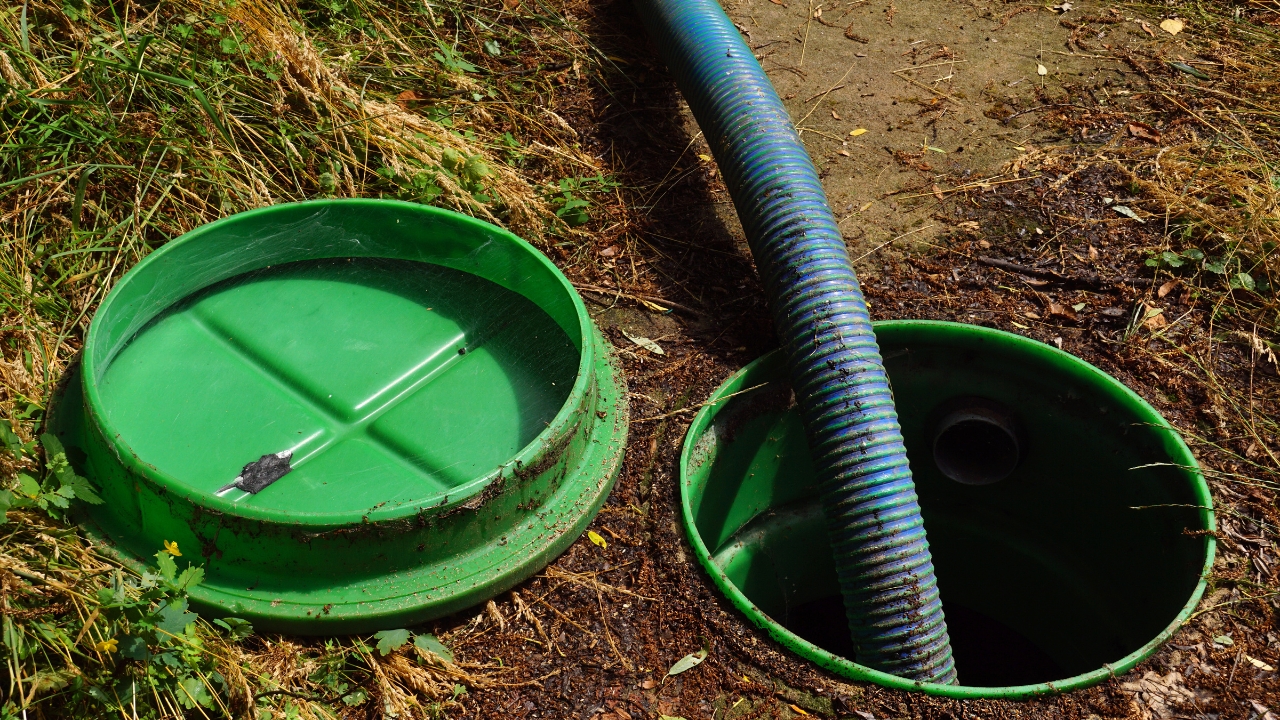
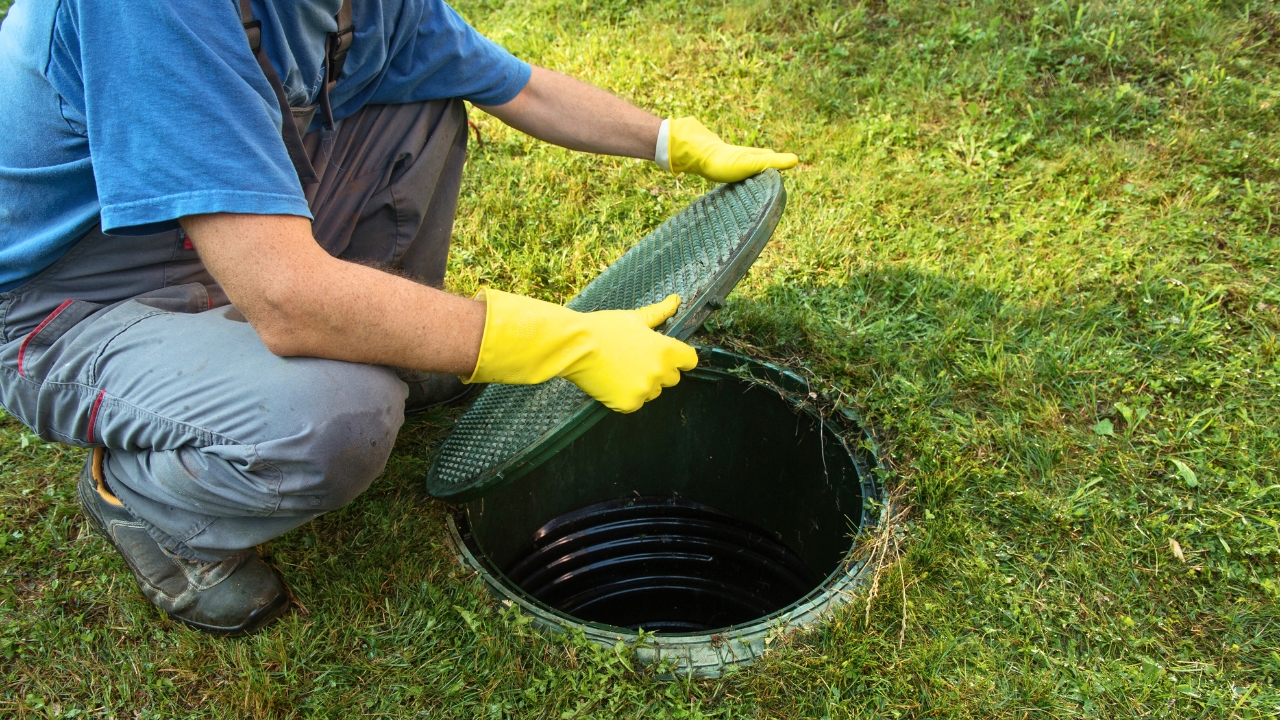
A septic tank isn’t something you can ignore. Solids settle at the bottom, and if they aren’t pumped out regularly, they’ll start overflowing into your drain field. That’s when you get backups, slow drains, and a system that stops working altogether.
How often you need to pump depends on your household size and tank capacity, but every 3 to 5 years is a safe bet. Wait too long, and you’ll be paying for a lot more than a routine pump-out.
3. Overloading the System with Water
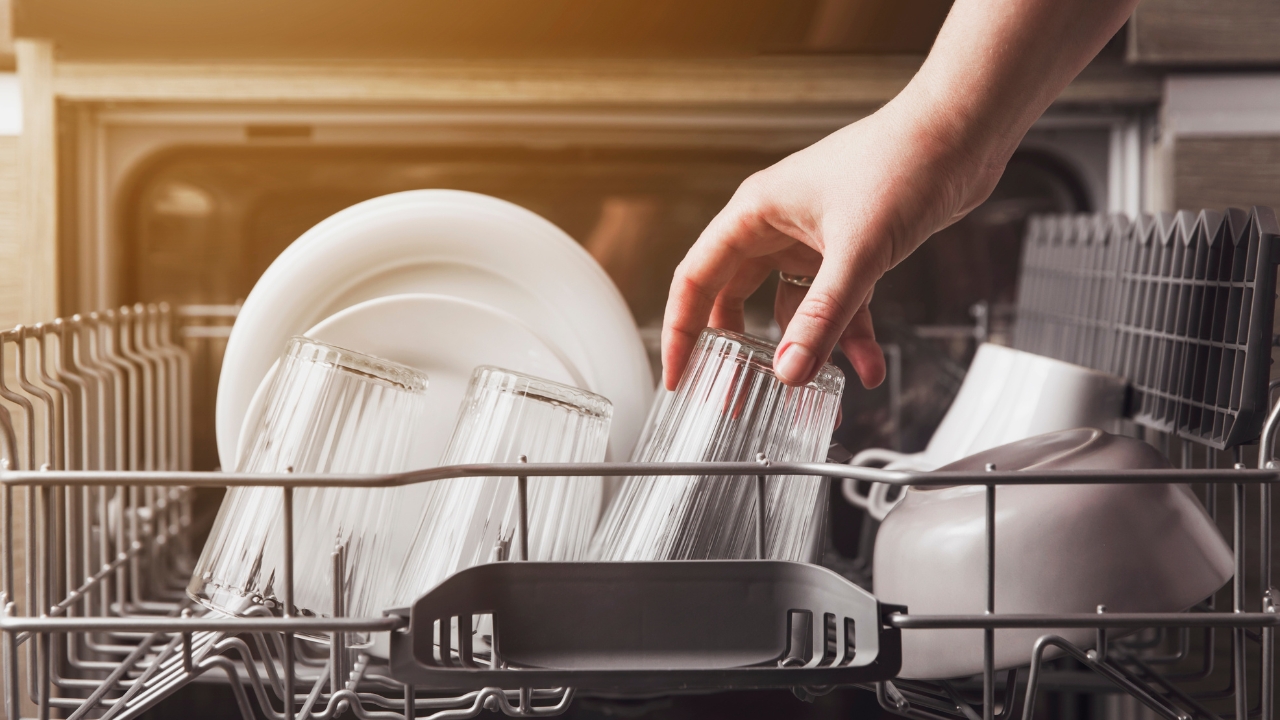
Your septic system can only handle so much water at a time. Running the washer, dishwasher, and multiple showers back-to-back floods your tank, pushing solids out before they’ve had a chance to break down. If those solids make it into your drain field, you’re looking at some serious damage.
Spread out water use throughout the day, and don’t ignore leaks. A constantly running toilet or dripping faucet adds up fast, putting unnecessary strain on your system.
4. Using Harsh Chemicals

Your septic system needs bacteria to function. Bleach, drain cleaners, and antibacterial soaps kill off those bacteria, making it harder for your tank to break down waste. If the bacteria die off, solids build up faster, and your system starts to fail.
Stick to septic-safe cleaning products, and avoid dumping chemicals down the drain. That includes leftover paint, solvents, and even expired medications. Your tank isn’t built to process them, and they can end up in your groundwater.
5. Planting Trees Too Close

Tree roots are always searching for water, and if they find your septic pipes, they’ll grow right into them. That leads to cracked pipes, clogged drain fields, and an expensive mess to fix.
If you’re planting near your system, keep trees and shrubs at least 50 feet away—more for species with aggressive roots like willows or maples. If you’re not sure where your pipes run, find out before planting anything new.
6. Driving or Parking on the Drain Field
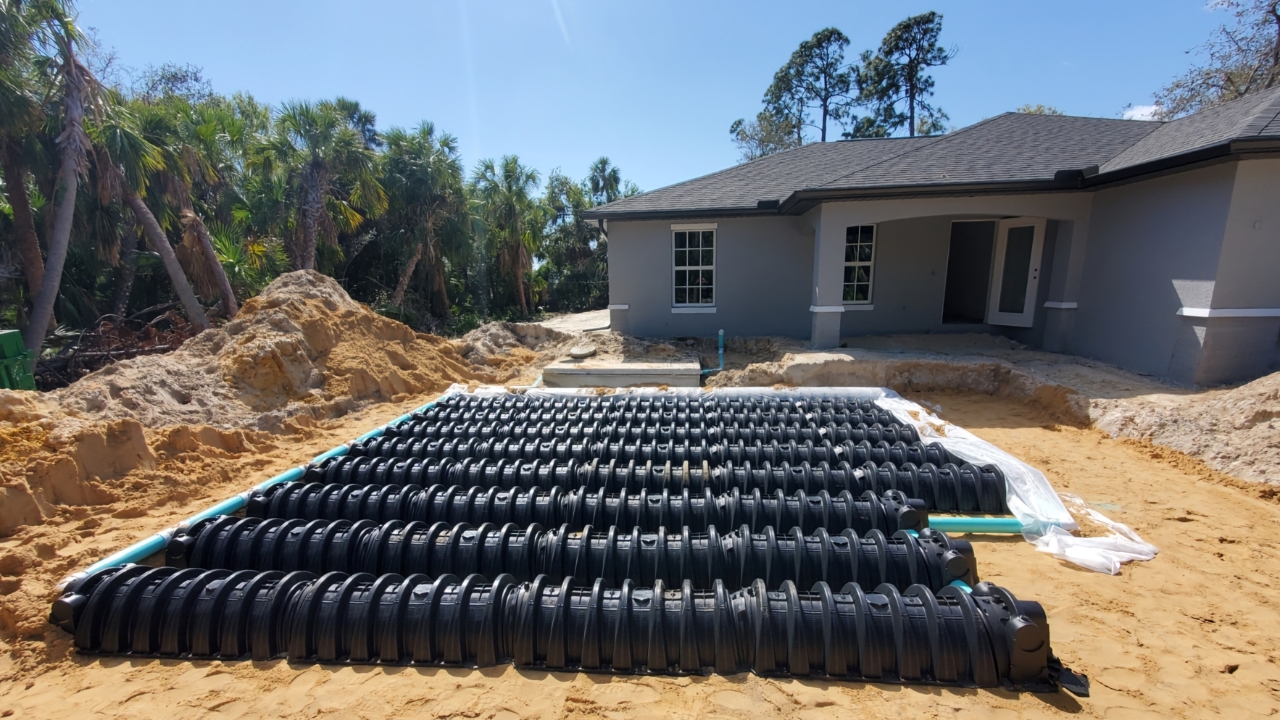
Your drain field is made up of perforated pipes that slowly release wastewater into the soil. Those pipes aren’t meant to handle the weight of a truck, tractor, or even repeated foot traffic. If you drive over them, you compact the soil and risk crushing the pipes, making it harder for the system to drain properly.
Keep heavy equipment, vehicles, and even large gatherings off the drain field. Once those pipes get damaged, repairs aren’t cheap.
7. Ignoring Warning Signs
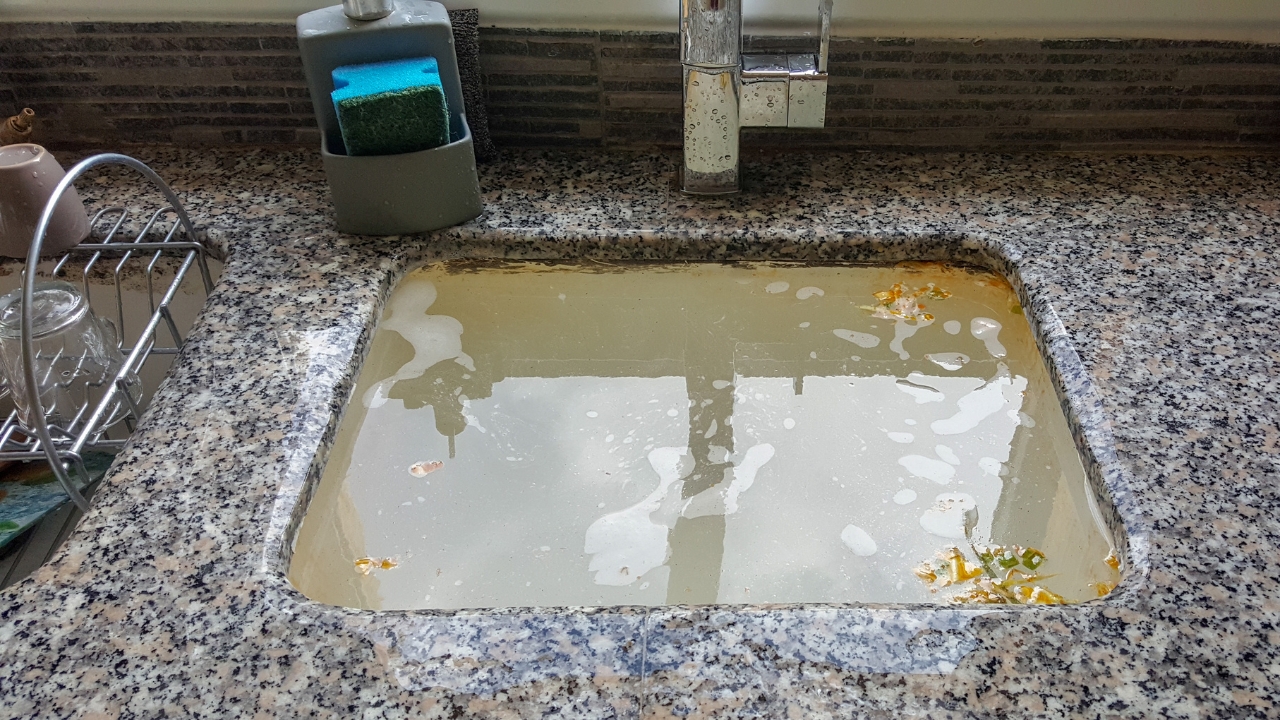
Septic problems don’t just show up overnight—there are always warning signs. Slow drains, gurgling toilets, sewage smells, or soggy spots in the yard all mean something’s wrong. Ignoring them won’t make the problem go away.
If you’re seeing (or smelling) issues, don’t wait. By the time sewage backs up into your house, you’re way past the point of a simple fix. Call a professional before a minor problem turns into a major one.
8. DIY Repairs Without Knowing What You’re Doing
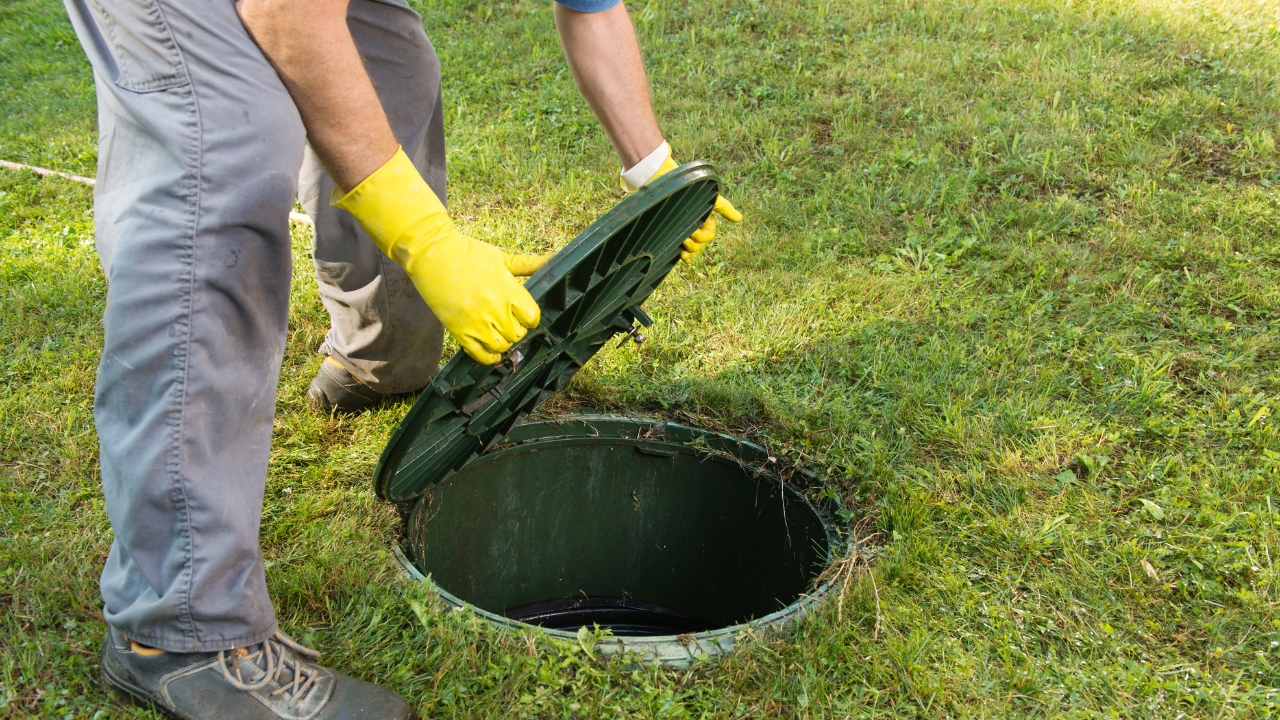
A septic system isn’t something you want to guess your way through. Digging up pipes, dumping additives, or trying to reroute drainage without knowing how the system works can do more harm than good.
If you’ve got slow drains or minor issues, you can troubleshoot basic maintenance. But if you’re dealing with backups, leaks, or a failing drain field, it’s worth calling someone who knows what they’re doing. A bad DIY fix can turn into an expensive repair in no time.