8 Signs Your Yard Is Holding Too Much Water
Too much water might sound like a good problem to have in the middle of summer, but if your yard stays soggy for too long, you’re risking more than a muddy mess. Waterlogged soil can suffocate roots, attract pests, and cause fungal issues that are tough to fix once they take hold. Most of the time, standing water isn’t the problem—it’s the symptom.
Here’s how to tell if your yard’s holding more moisture than it should and what you need to start paying attention to.
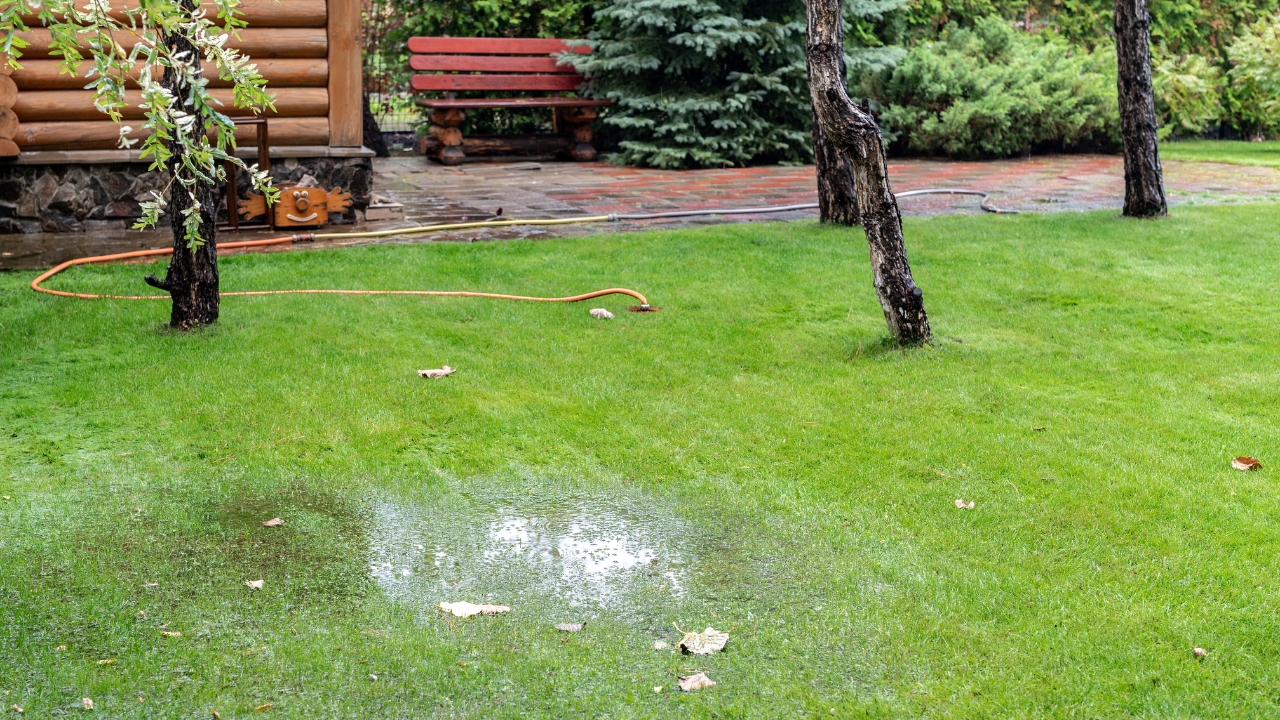
Puddles That Stick Around
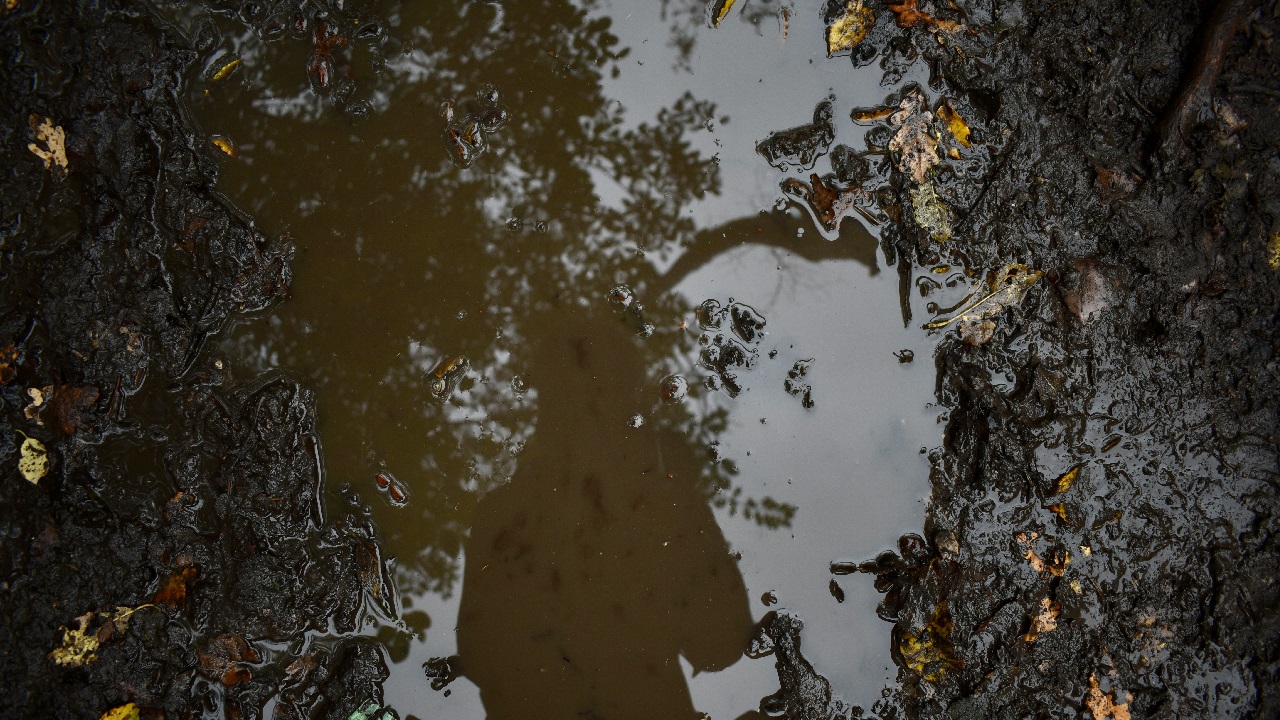
If you’ve got water pooling after every rain and it’s still sitting there a day or two later, your yard likely has poor drainage. Healthy soil should absorb water within a few hours.
Persistent puddles can lead to root rot in plants, drowning grass, and mosquito breeding grounds. You might need to regrade parts of your yard or install a French drain to give that excess water somewhere to go.
Mushy, Spongy Ground Underfoot

Walk across the lawn, and if it feels like you’re stepping on a soaked sponge, you’ve got saturated soil. That constant moisture weakens grass roots and compacts the soil even more over time.
Try pressing a shovel into the ground—if it sinks in with barely any pressure and you see pooling water, that’s a red flag. Your grass will never grow strong in soil that’s constantly soggy.
Grass That’s Yellowing or Wilting
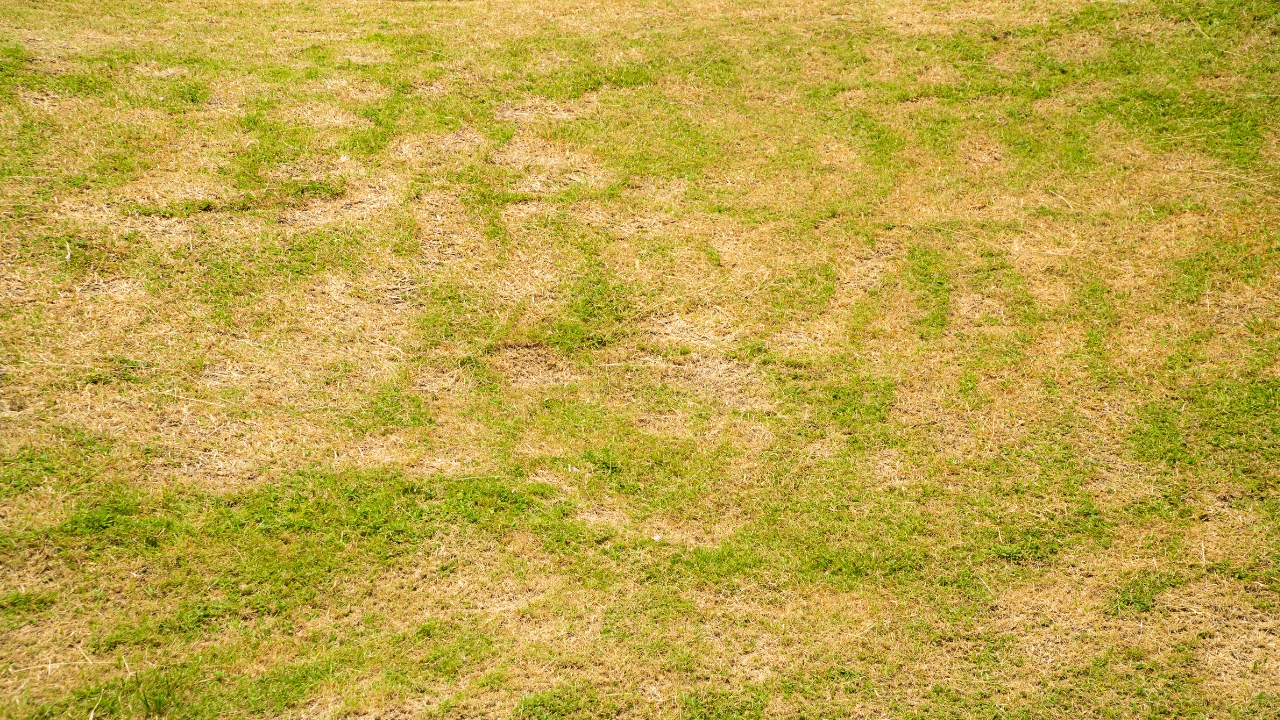
Too much water can look a lot like too little. If your lawn is turning yellow, patchy, or wilting even after regular rain or irrigation, oversaturation might be the issue.
When roots are constantly wet, they can’t take in oxygen the way they need to. That stress shows up in the grass first. Before you add more water, check for signs of poor drainage or overly compacted soil.
Moss Creeping In
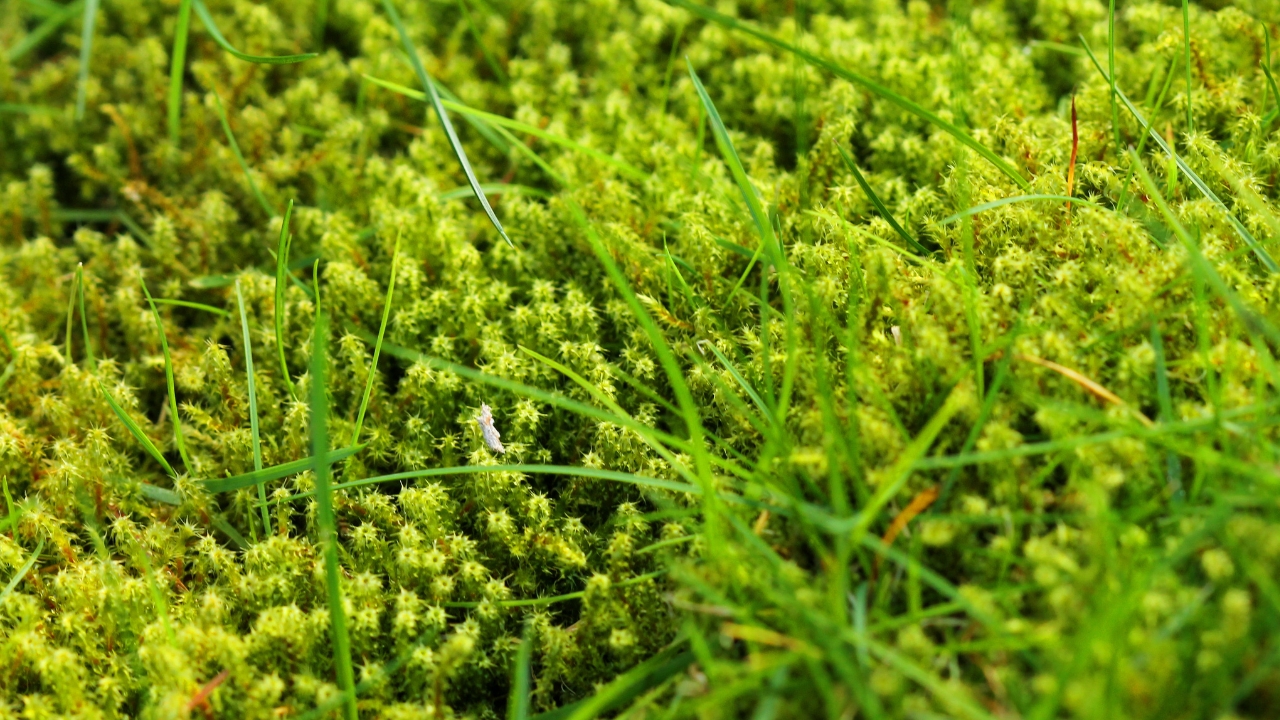
If moss is showing up in patches where grass used to grow, your soil is probably staying too wet, too often. Moss thrives in damp, shaded, low-drainage areas where grass struggles to survive.
You’ll need to correct the drainage issue before you can get rid of the moss for good. Otherwise, no matter how much grass seed you throw down, it’s just going to get pushed out again.
Fungus or Mold on the Soil Surface
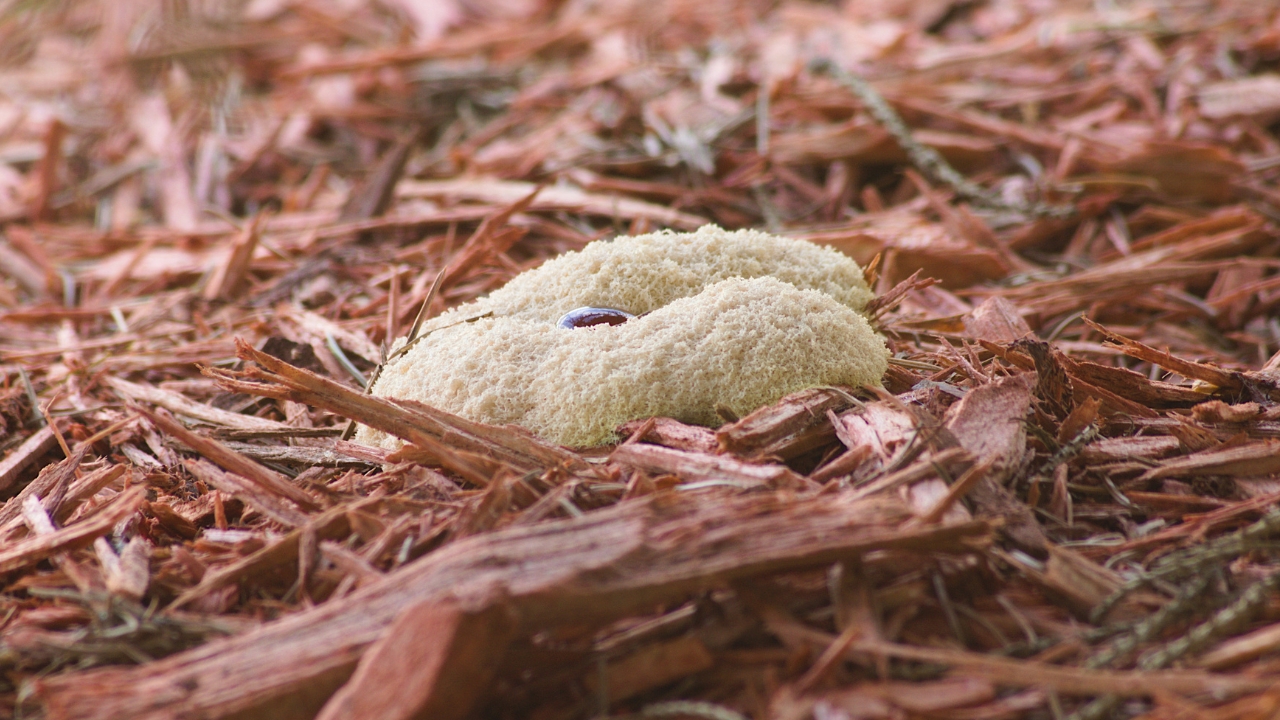
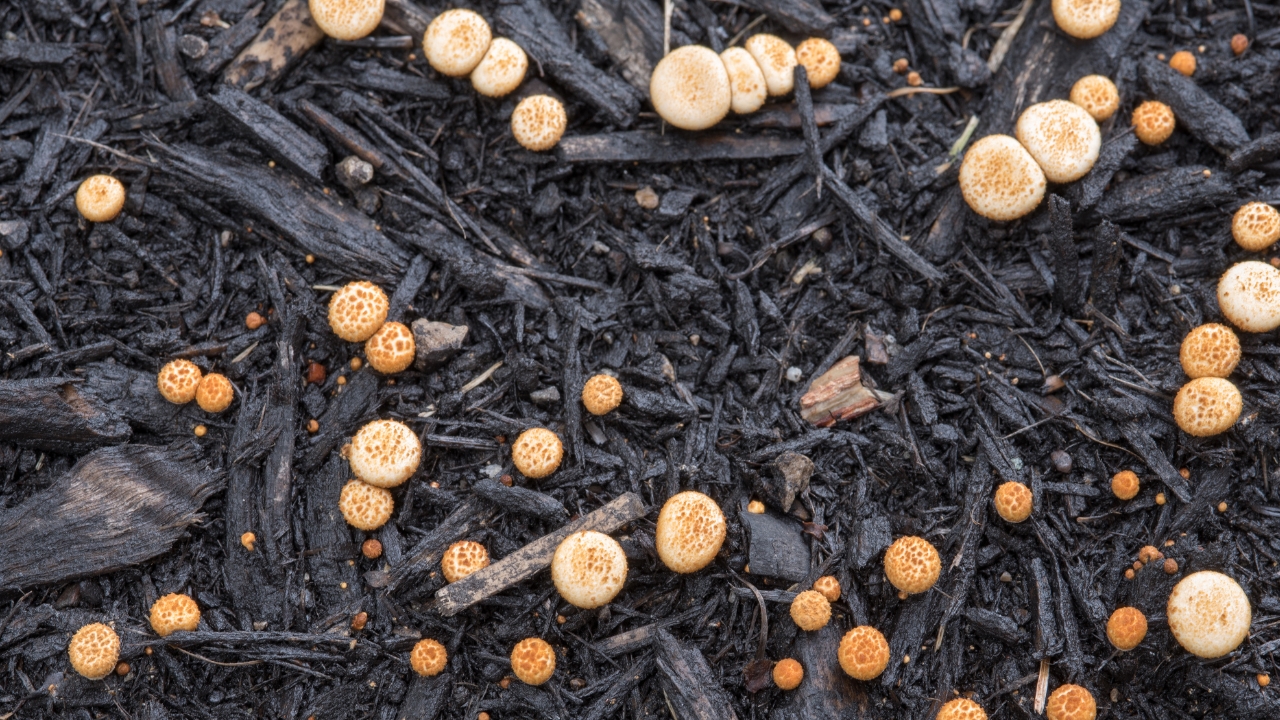
If you’re seeing white fuzz, dark slime, or mushrooms popping up all over, your yard is too wet. These types of fungi love constant moisture and thrive in yards with standing water or poor airflow.
While not every mushroom is harmful, they’re a warning sign. It means your soil isn’t drying out enough between rain or watering. Improving airflow and drainage can help dry things out before mold takes hold.
Plants with Root Rot or Slime
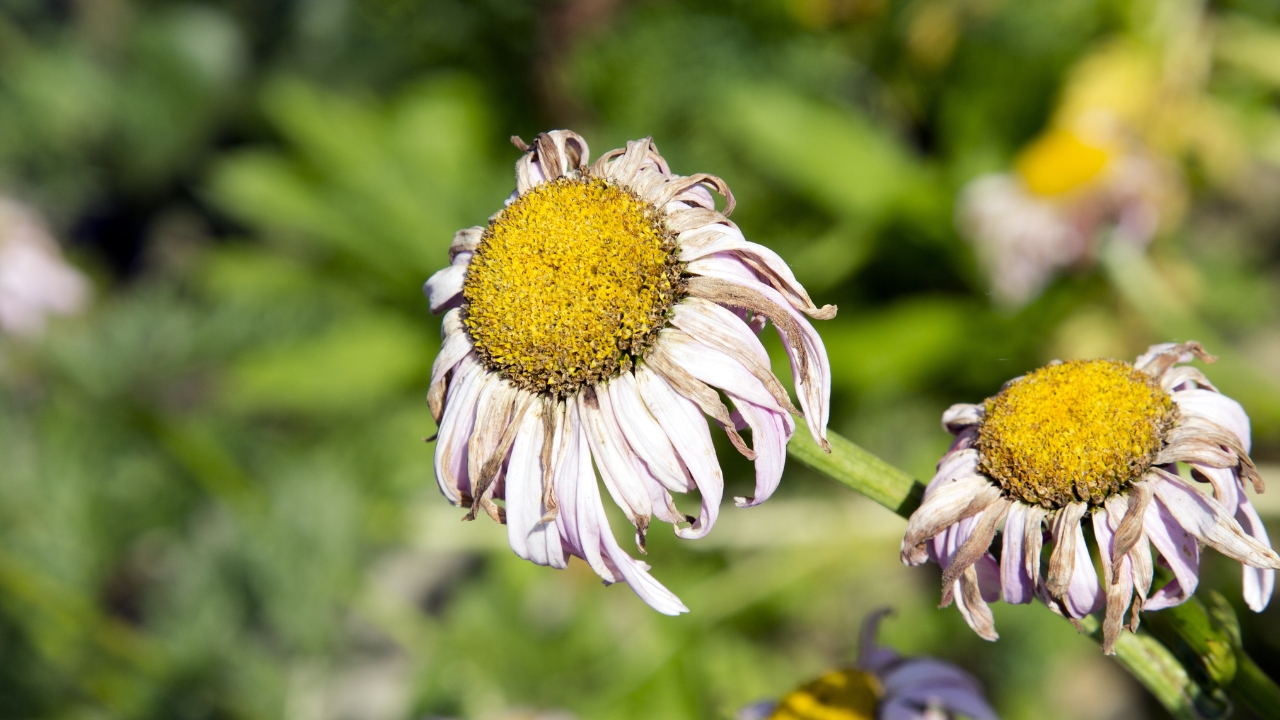
When roots stay soaked, they start to rot—and once they’re rotting, there’s no saving them. If your plants are wilting or collapsing even though the soil is wet, pull one up and check the roots.
Healthy roots should be white and firm. If they’re brown, black, or mushy, you’ve got root rot on your hands. That’s a drainage issue, not a watering one, and it needs to be addressed fast.
Insects Gathering Around Wet Areas
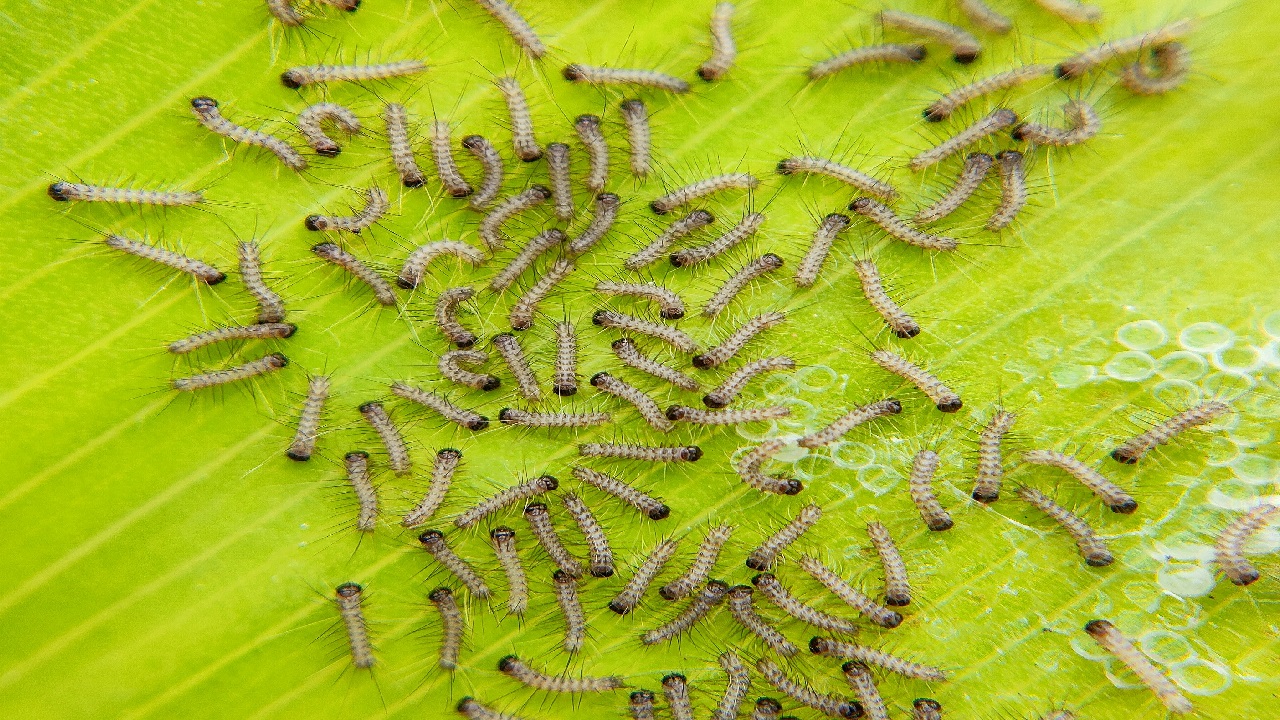
Mosquitoes, gnats, and other bugs are drawn to moisture. If you’ve got clouds of bugs hovering over parts of your yard—or worse, breeding in them—it could be because you’ve got standing water somewhere.
Check any low areas, clogged gutters, or damp mulch beds. Even a shallow layer of water is enough to attract a swarm. Get ahead of it before those bugs take over your entire yard.
Soil That Smells Sour or Rotten
Healthy soil smells earthy. If yours has a sour, swampy smell, it’s probably gone anaerobic—meaning there’s not enough oxygen in the mix. That usually happens when water sits too long and drowns the microbes that keep your soil alive.
You might need to aerate or even amend the soil to bring it back. But the first step is stopping the water from pooling in the first place.
*This article was developed with AI-powered tools and has been carefully reviewed by our editors.