8 things interior designers keep pushing that nobody actually asked for
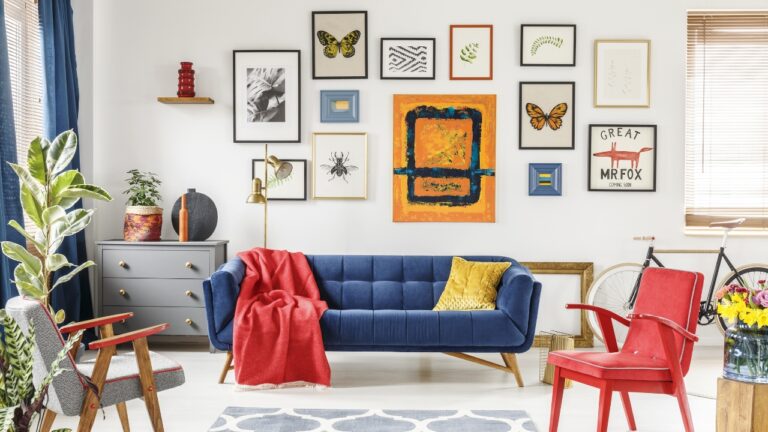
Some design trends sound good in theory—until they take over your house and make it feel less livable. Interior designers love pushing what’s trendy or visually “editorial,” but half the time, real people don’t want to maintain it, sit on it, or even live around it.
A good home should make sense for daily life, not for a magazine spread. Here are some of the design ideas that keep getting pushed even though most homeowners would rather pass.
Open shelving everywhere
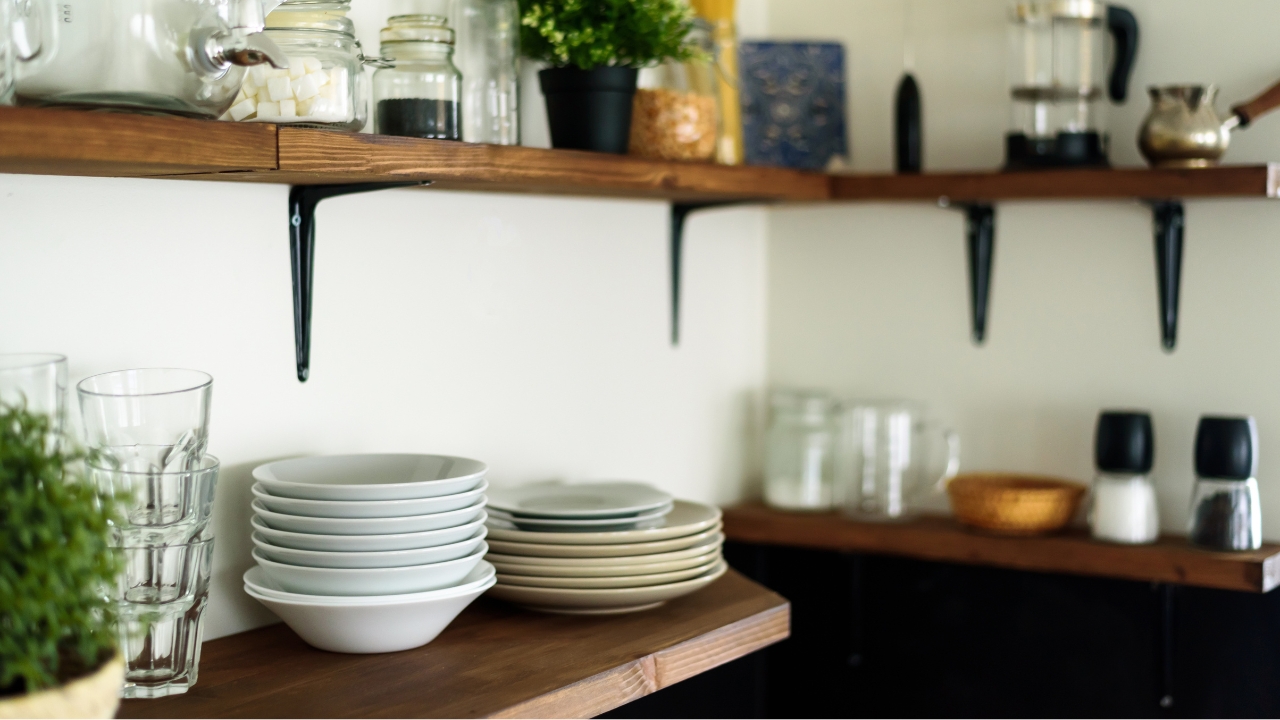
Designers love to ditch upper cabinets for open shelving, claiming it creates an airy look. In real life, it’s a dust magnet. Every dish and glass you own ends up coated with kitchen grime, especially if you cook often. It also forces you to be constantly tidy, which isn’t realistic for most families.
While it looks great in photos, open shelving tends to make a kitchen feel cluttered faster. You lose hidden storage and end up cleaning your “decorative” dishes more than using them.
Oversized furniture in small spaces

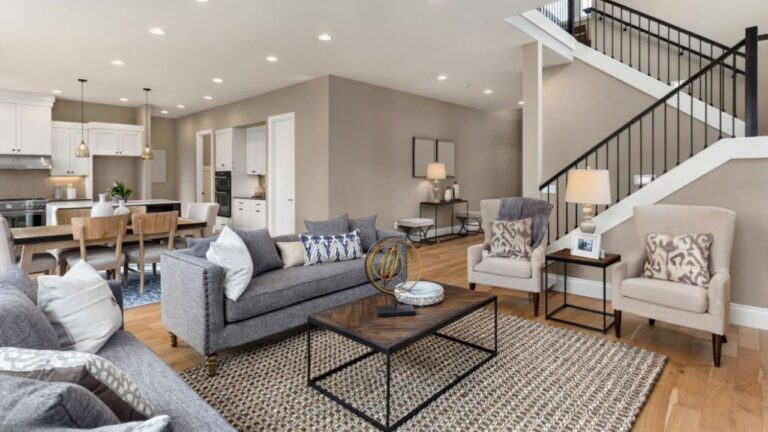
Big sectionals and huge coffee tables might fill a design board nicely, but they overwhelm average-sized rooms. Designers often stage homes with more floor space than the typical living room, which makes their layouts unrealistic for most people.
In real homes, oversized furniture kills flow. It blocks walkways, eats up space you need for daily movement, and makes a room feel smaller. Scaled-down furniture often makes a space feel larger and more inviting.
White-on-white everything
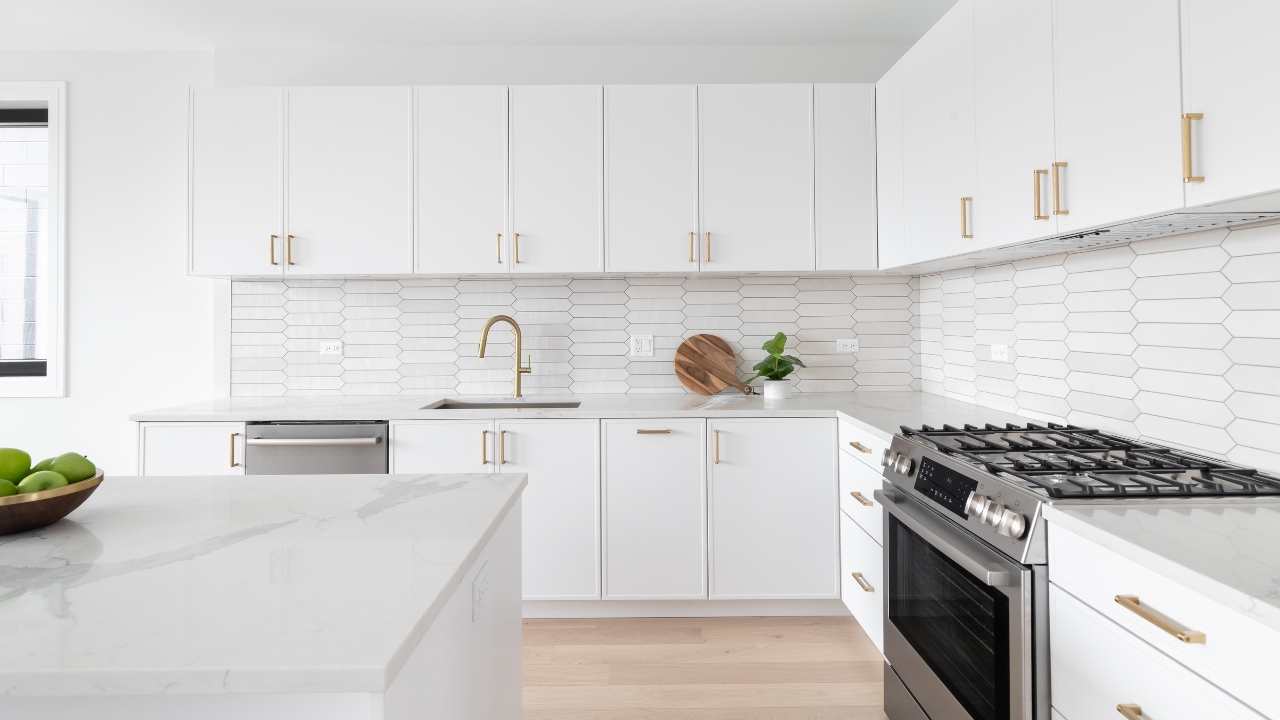
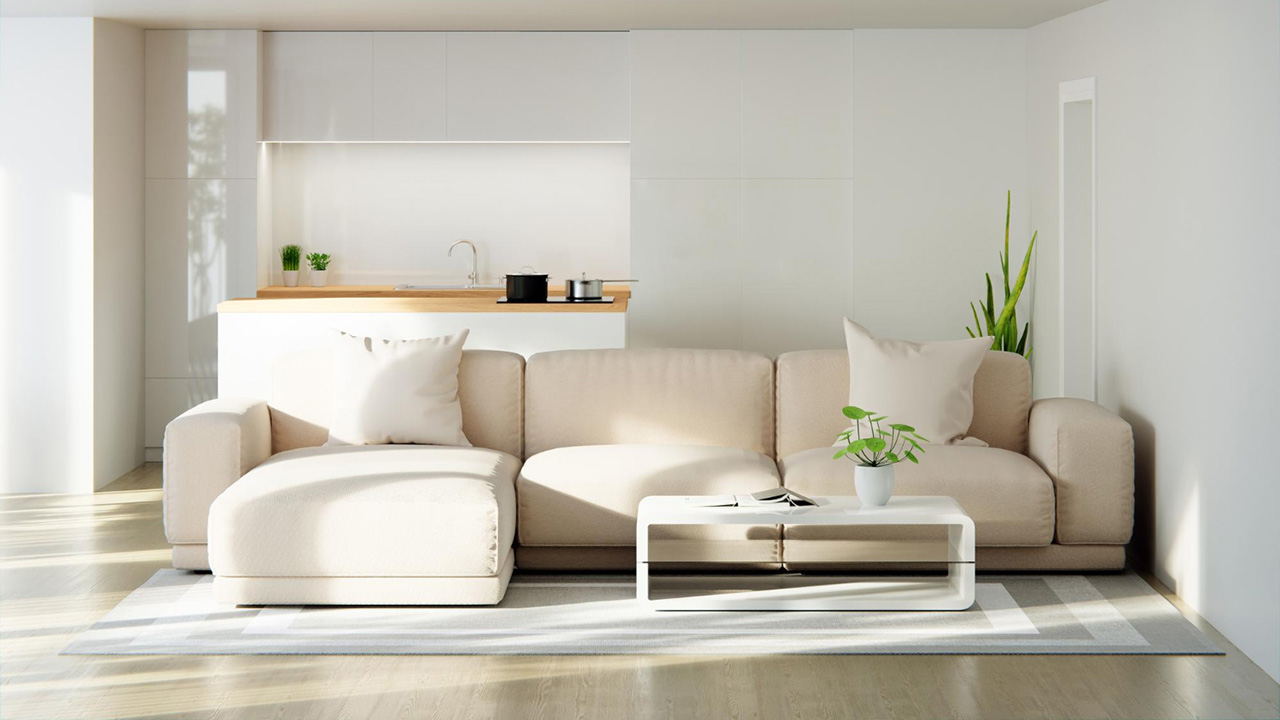
All-white interiors look crisp in magazines but are high-maintenance nightmares in real life. White walls, sofas, and rugs show every fingerprint, spill, and pet hair. Families end up living in a state of anxiety, trying to keep everything spotless.
A softer palette with off-whites, taupes, or muted tones still feels bright but is far easier to live with. The “clean” aesthetic shouldn’t mean being afraid to touch your own furniture.
Floating vanities with no storage
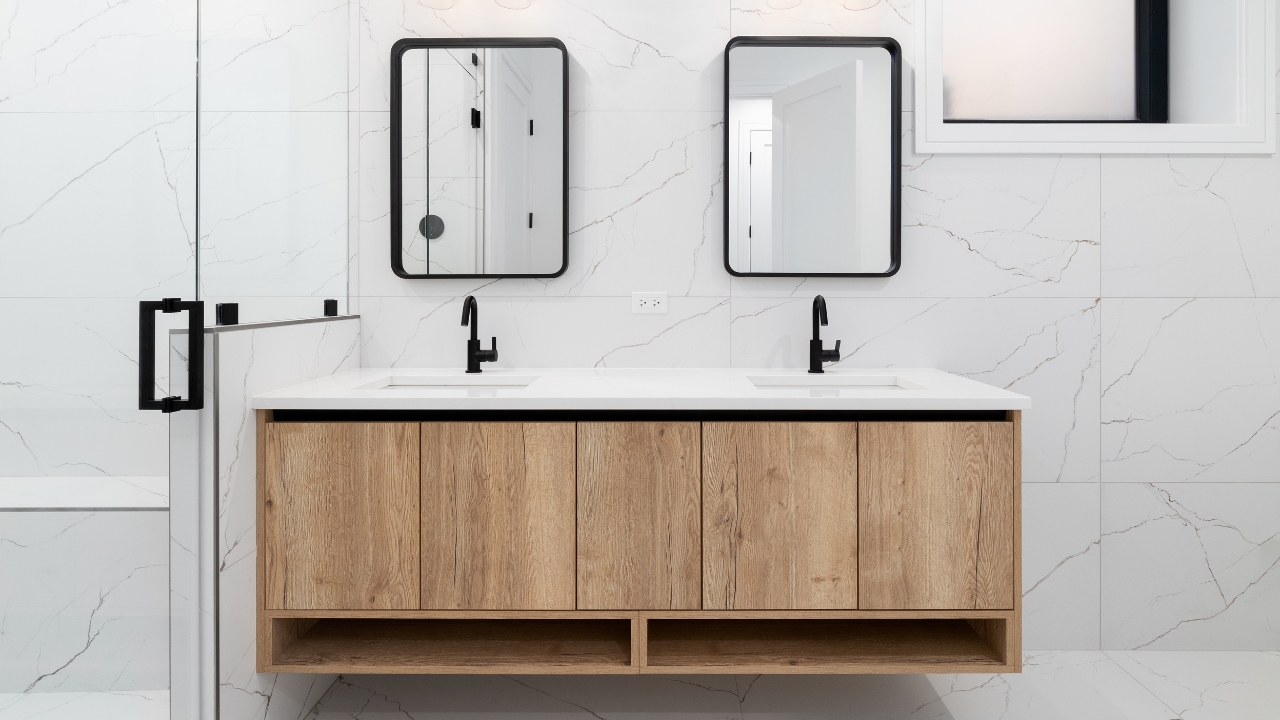
Designers love sleek, floating bathroom vanities, but they usually come with almost no usable storage. Everyday items like toilet paper, towels, and hair tools end up sitting on counters or crammed into baskets.
They also cost more to install, since plumbing must be rerouted. For anyone actually using their bathroom daily, a vanity with drawers and a solid base is far more practical.
Accent walls that age fast
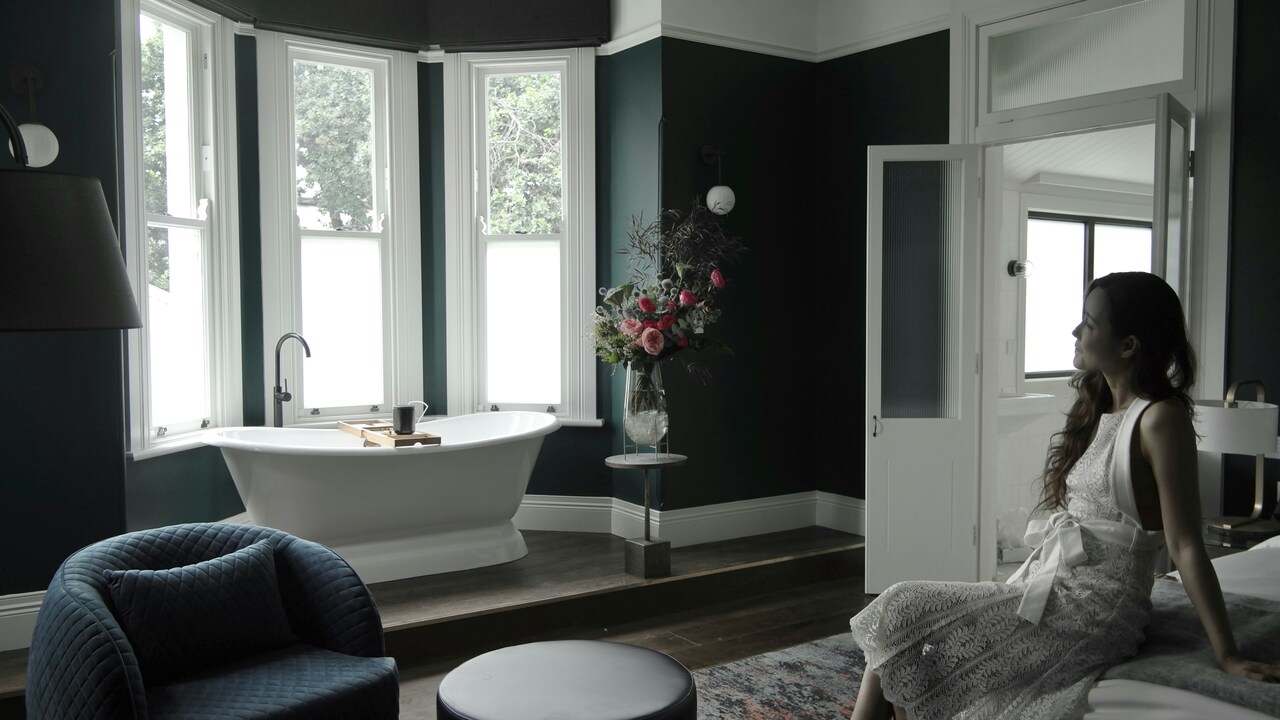
Accent walls had their moment, but designers keep recycling the idea with new colors or textures. The problem is, these walls date quickly and can throw off the balance of a room.
They’re also harder to repaint when trends change. A full, neutral color throughout a space gives more flexibility to decorate over time without starting from scratch.
Dining rooms without real tables
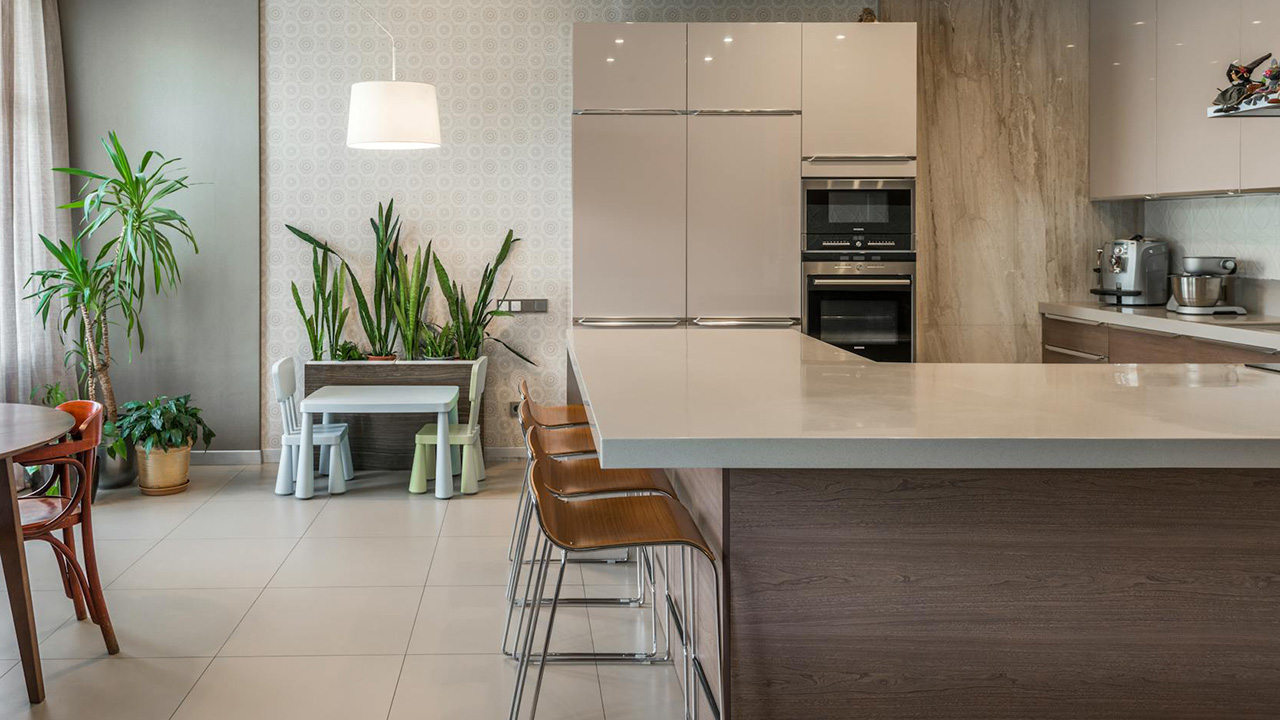
Some modern designers remove dining tables entirely, replacing them with bar counters or casual seating. It looks sleek, but it ignores how families actually live. A table isn’t just for meals—it’s for homework, projects, and gatherings.
Skipping a proper dining table might save space, but it also makes the home feel less functional and personal. Most people end up missing that central spot to connect.
Statement lighting that’s impossible to clean
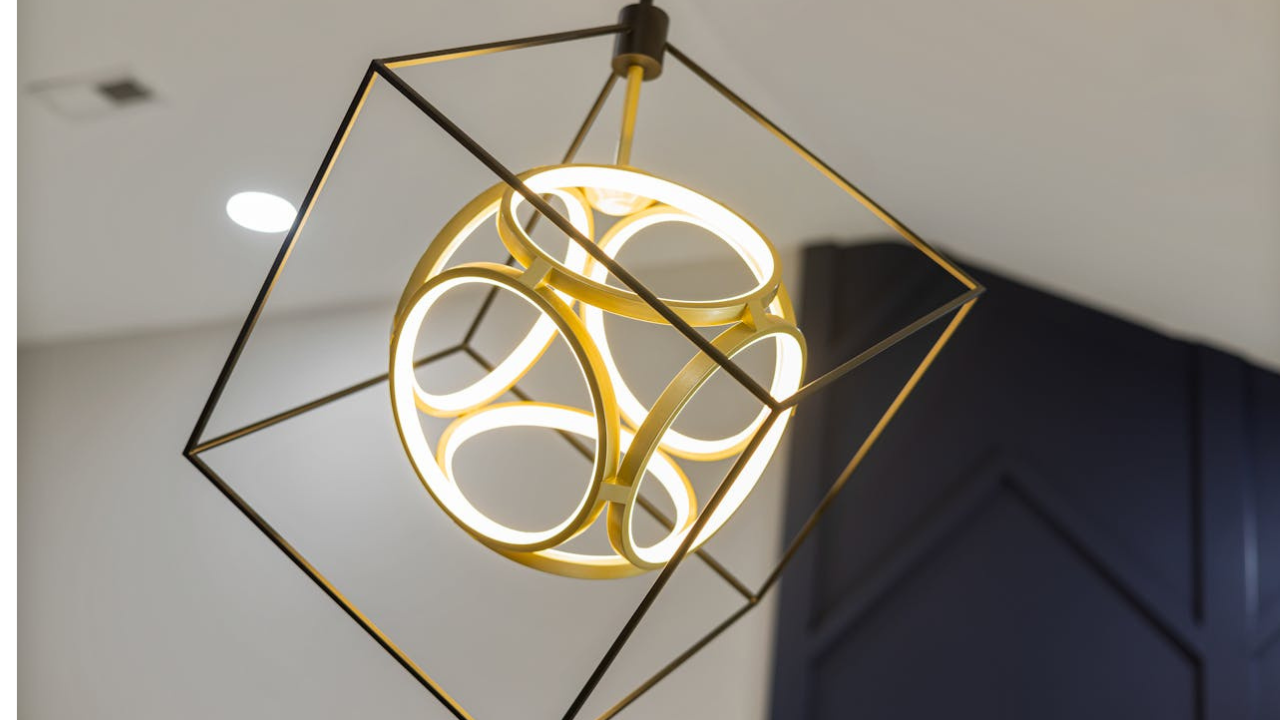
Huge chandeliers, sculptural pendants, and multi-globe fixtures might be trendy, but they’re hard to reach and harder to clean. Dust and bugs collect in shades, and bulbs burn out fast.
Designers often choose fixtures for drama, not convenience. A simpler light that still complements the room’s scale can look just as polished and won’t require climbing on a ladder every few weeks.
Minimalist spaces with nowhere to live

“Minimalist” homes look calming online, but they often sacrifice comfort for aesthetics. Designers strip away personality, warmth, and even practical furniture in the name of simplicity.
In reality, most people need space for toys, mail, books, and daily clutter. A livable home should balance order with comfort—something that feels tidy without feeling empty.
*This article was developed with AI-powered tools and has been carefully reviewed by our editors.