8 Foods You Should Never Put in a Pressure Canner
Photo credit: Ashley-Belle Burns/ Shutterstock.com
Canning is a great way to stock your pantry, cut down on waste, and get ahead for the winter. But not everything belongs in a pressure canner. Some foods are too dense, too fatty, or too risky to safely preserve with this method, even if it feels like they “should” work.
The wrong texture or acidity level can stop heat from circulating properly—and that’s when dangerous bacteria like botulism can take hold. If you’re pressure canning at home, here are the foods you’re better off keeping out.
Dairy
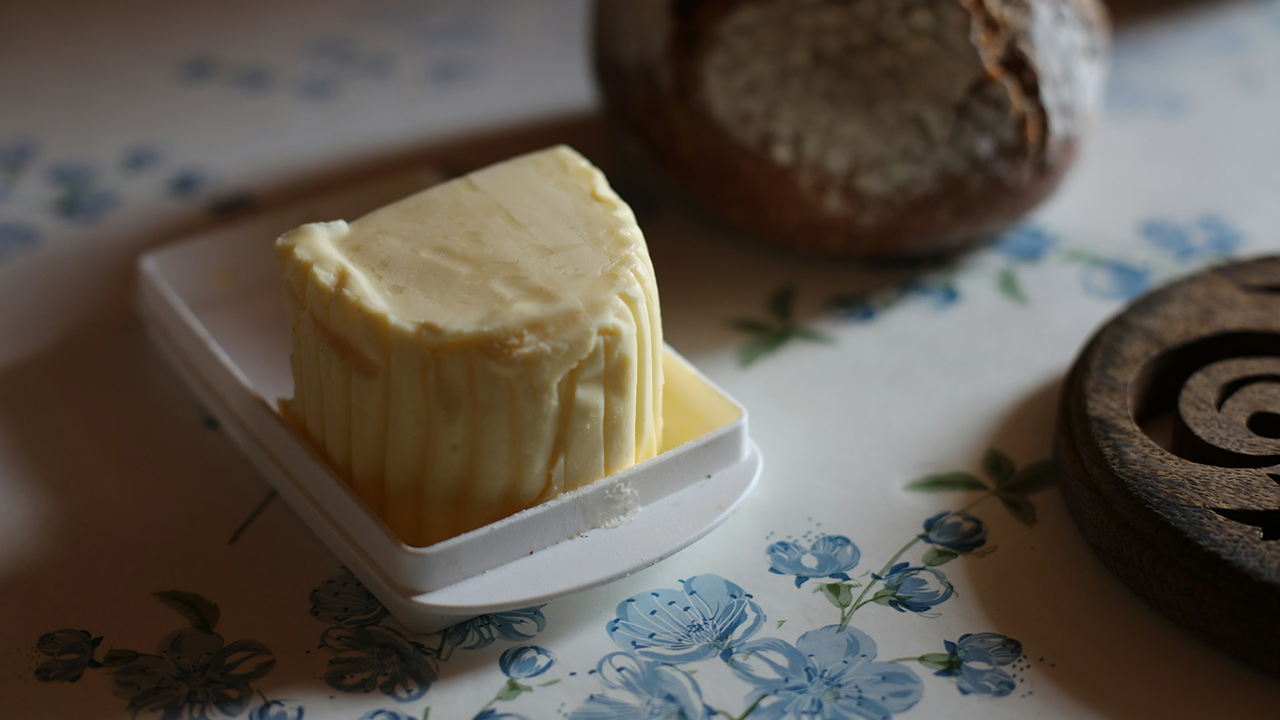
Milk, cream, butter, and most cheeses don’t hold up to pressure canning. The fat content and texture interfere with safe heat penetration, which means there’s no way to guarantee you’ve killed off harmful bacteria.
On top of that, dairy tends to separate and curdle during the canning process, leaving you with something that’s unappetizing at best and unsafe at worst. It’s better to freeze these items or use shelf-stable alternatives.
Flour-Based Thickeners
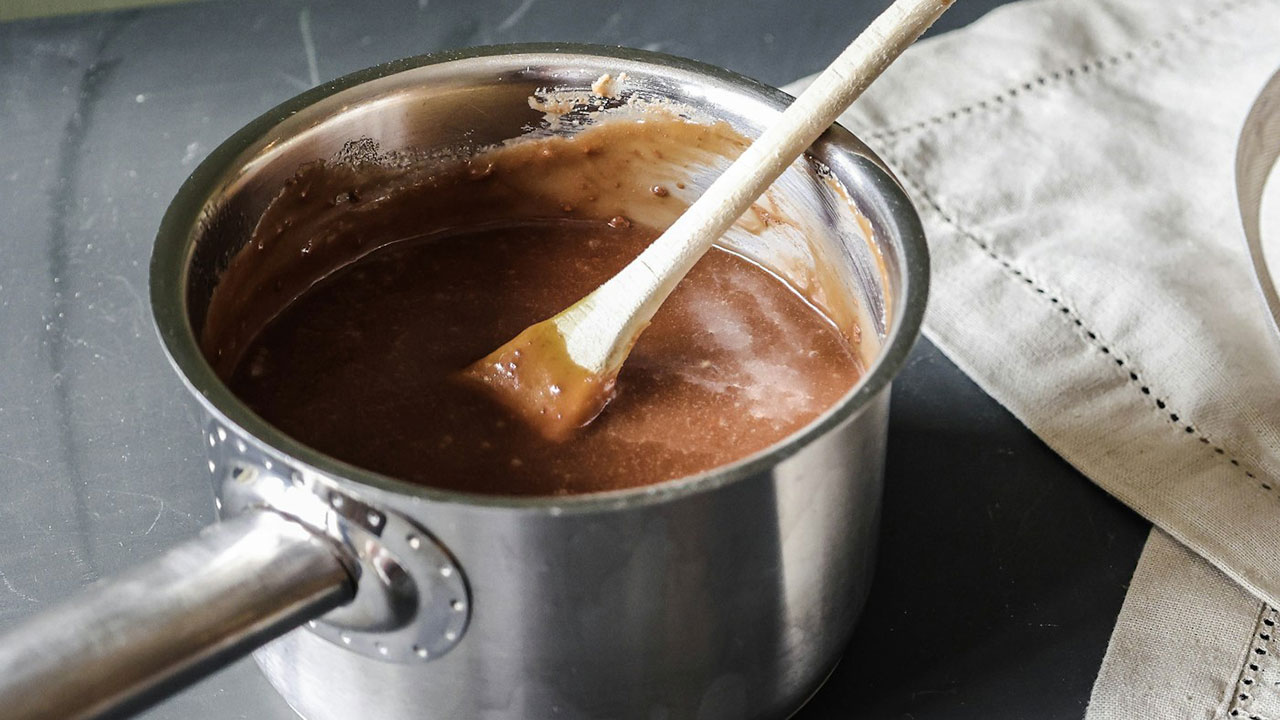
Gravy, soup, or sauces made with flour, cornstarch, or other thickeners aren’t safe for pressure canning. The thick texture makes it hard for heat to move through evenly, and that opens the door for spoilage and bacteria.
If you’re canning a soup or stew, skip the thickeners altogether. You can always add them when you reheat the jar later. It’s a small adjustment that makes a big difference in safety.
Pureed Pumpkin or Squash
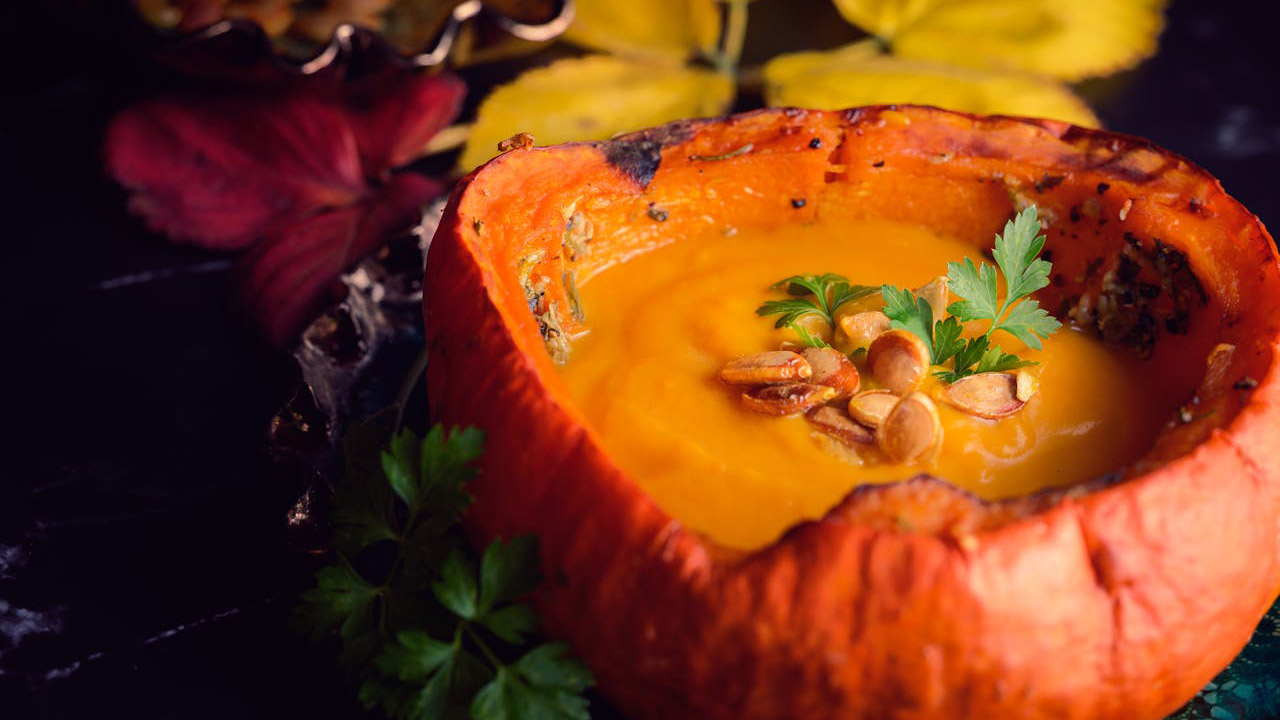
Whole chunks of pumpkin or winter squash can be safely pressure canned, but once you mash or puree it, all bets are off. The dense texture traps heat and keeps the center of the jar from reaching a safe temperature.
If you want to preserve pureed pumpkin, freeze it instead. That’s the only method currently approved as safe for home preservation.
Eggs
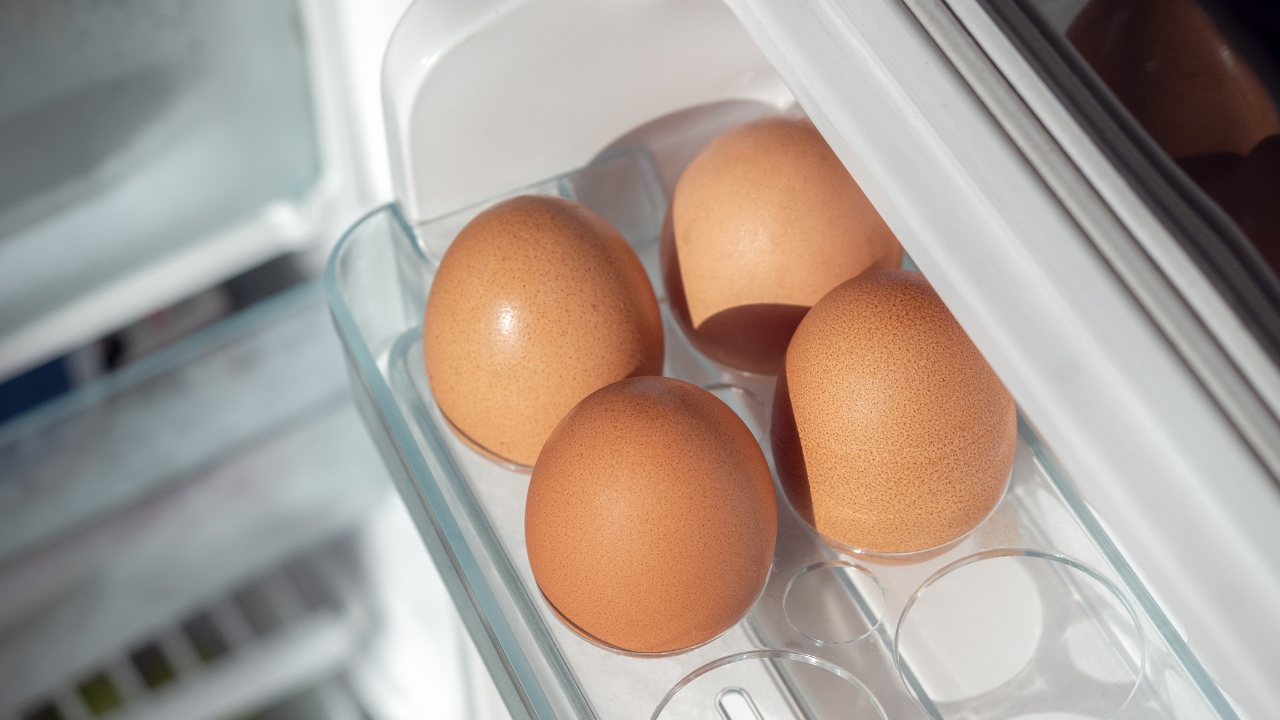
Raw, scrambled, hard-boiled—it doesn’t matter. Eggs are not safe to pressure can. The proteins and fat content don’t hold up to the canning process, and the texture turns rubbery and unappetizing.
Even worse, there’s a real risk of bacterial growth inside the jar. If you want long-term storage, stick with dehydrated eggs or freeze-dried options from trusted sources.
Noodles and Rice
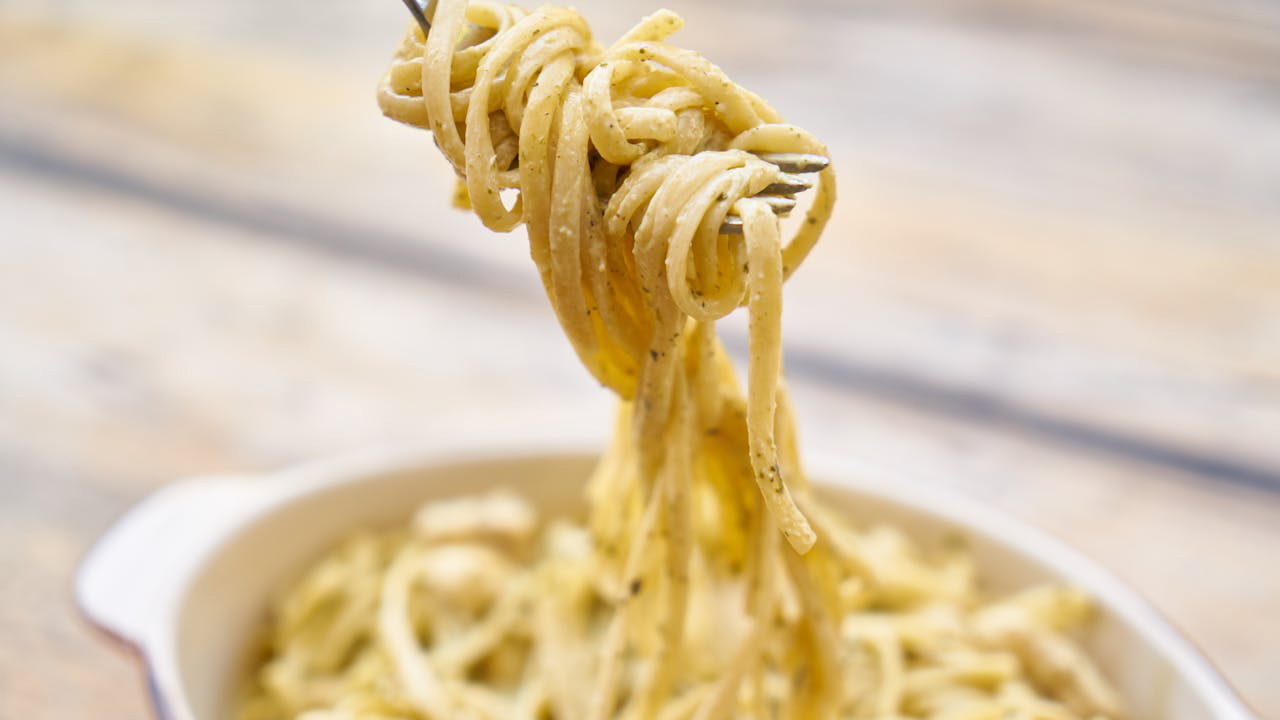
Starchy foods like pasta and rice turn to mush under pressure. They also swell and thicken the liquid inside the jar, which can lead to uneven heat distribution.
If you’re making a soup or stew for canning, leave the starches out and add them later when you serve it. You’ll get a better texture and a much safer finished product.
Avocados
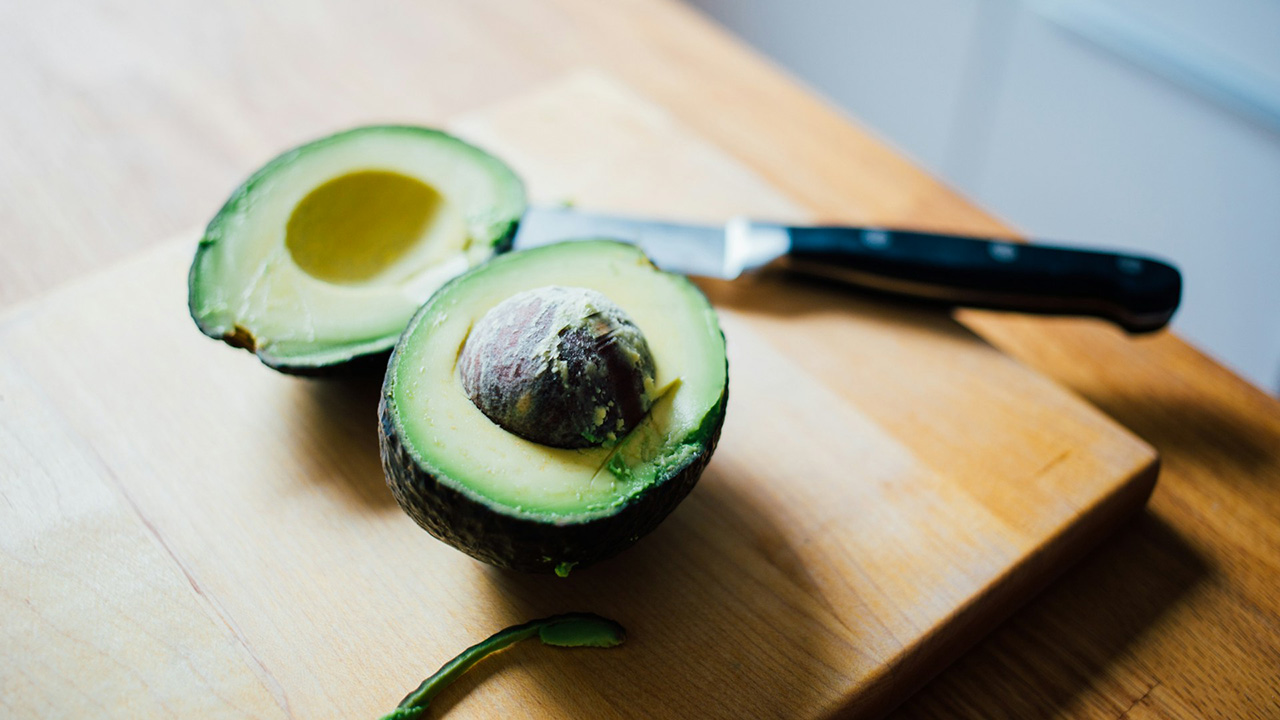
Avocados are too high in fat and too low in acid to safely pressure can. They’ll discolor, develop an off texture, and the risk of botulism is real if the heat doesn’t penetrate properly.
Even commercial canners don’t typically preserve avocado products. Freezing is a better way to save your extra guac or ripe fruit.
Refried Beans
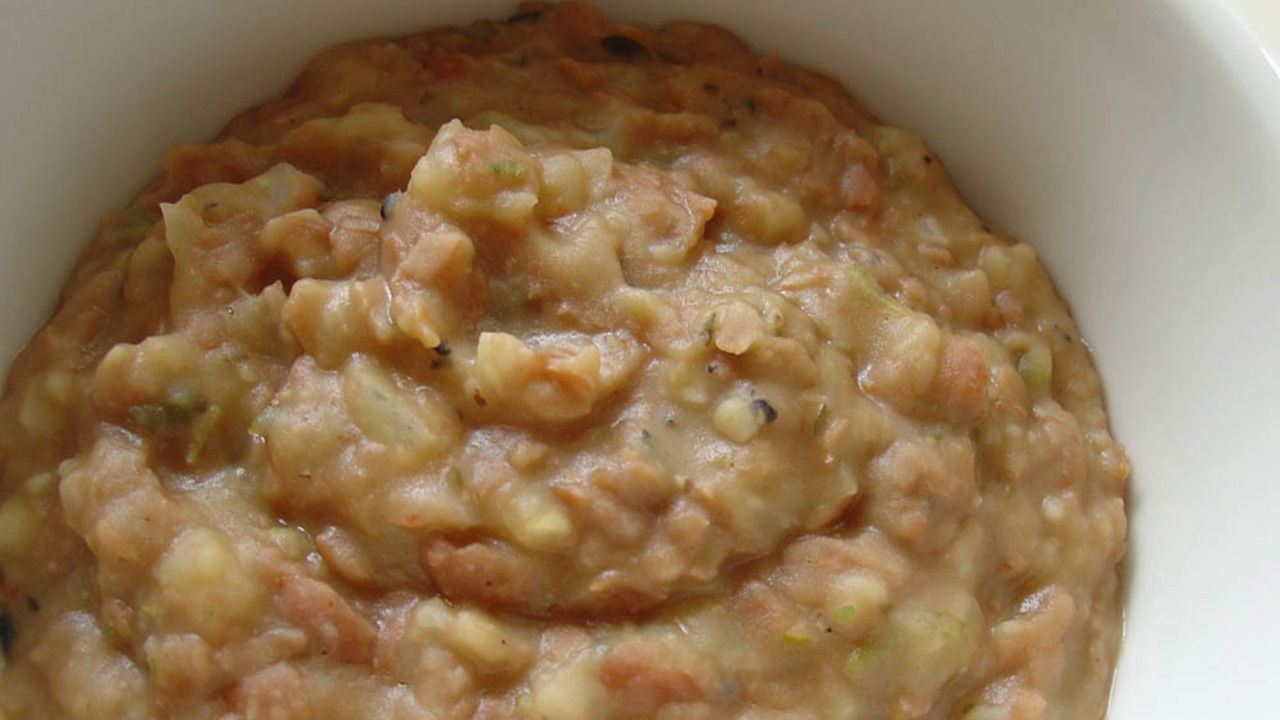
Whole cooked beans can be safely pressure canned, but mashed or refried beans are a different story. Their thick consistency makes it hard for heat to move evenly through the jar.
Stick to whole beans if you’re canning at home, and mash them up after opening if that’s how you prefer to eat them. It’s not worth risking a batch of spoiled jars.
Oil-Based Sauces
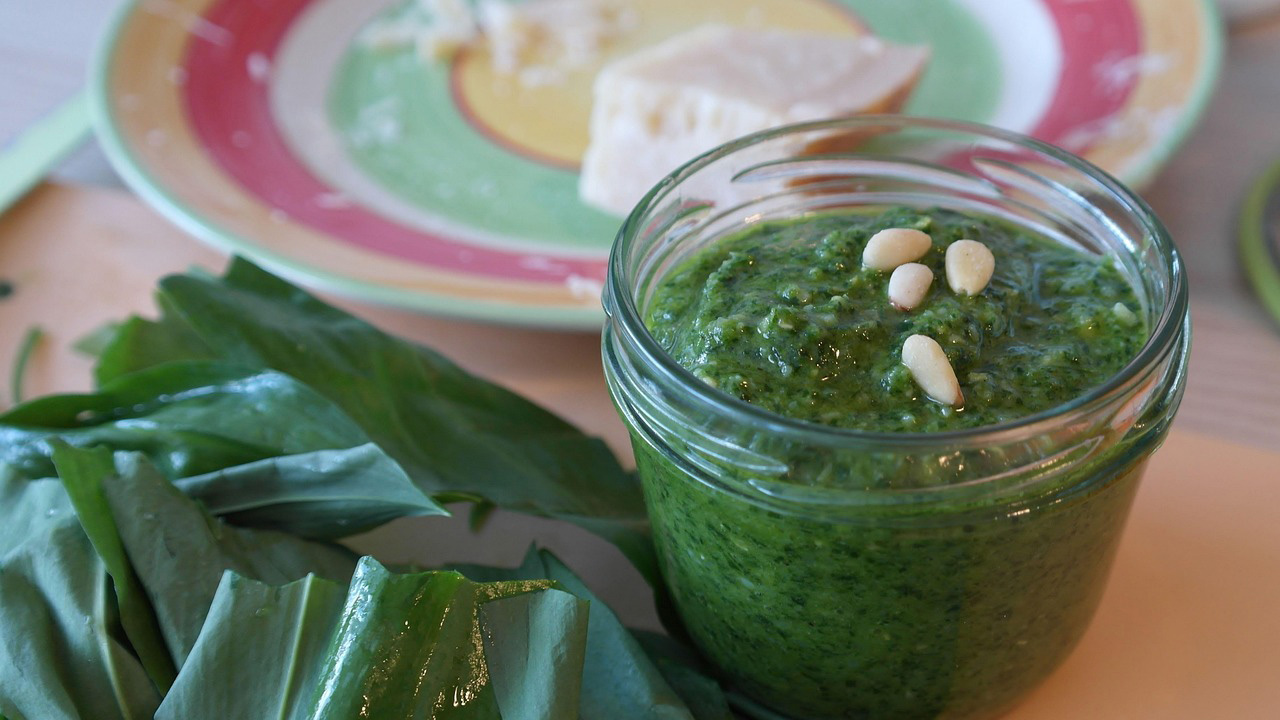
Garlic-in-oil mixtures, pesto, and other oil-heavy sauces are a safety concern in pressure canning. Oil insulates bacteria and keeps the heat from fully doing its job. Even a small amount can lead to contamination.
The safest way to store these is in the fridge for short-term use or in the freezer if you want to keep them longer. Don’t risk pressure canning them at home.
Like Fix It Homestead’s content? Be sure to follow us.