The $250 rural upgrades that pay off fastest
Photo credit: Halfpoint/Shutterstock.com
When you live in the country, little improvements make a big difference. You don’t always have big budgets, but some investments under $250 pay for themselves quickly in saved time, lowered bills, or fewer headaches.
These are things that most rural folks can install themselves or with minimal help—and that start earning back value almost immediately. Treat this as your “first-step” list: start with what applies to your land and health, then add others as you go.
Better gutter extensions
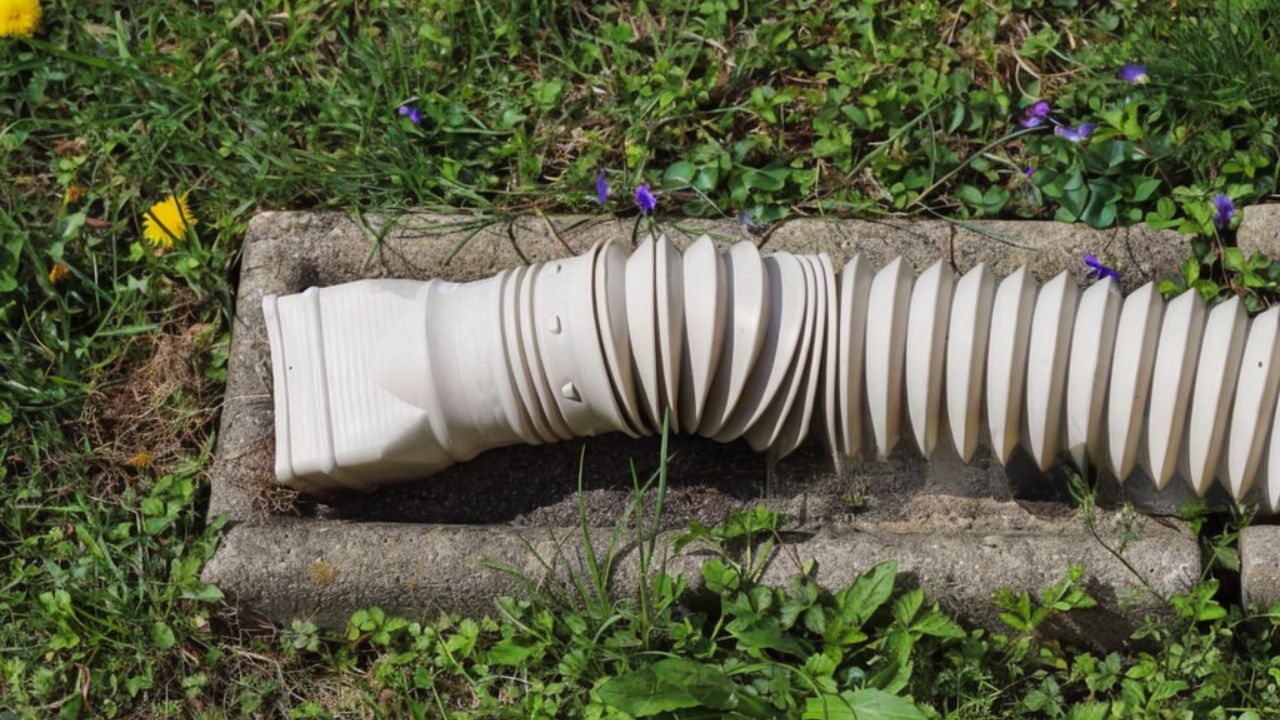
Rain dumping off your roof right beside your foundation wears out siding, promotes basement moisture, or pushes water toward your septic. A $50–$150 set of downspout extenders or splash blocks protects your structure and saves repair costs later.
When water stays away from your foundation, you reduce erosion and avoid costly water damage. You’ll also save your time—less scraping, less work, and fewer leaks to patch through the years.
LED barn or yard lighting
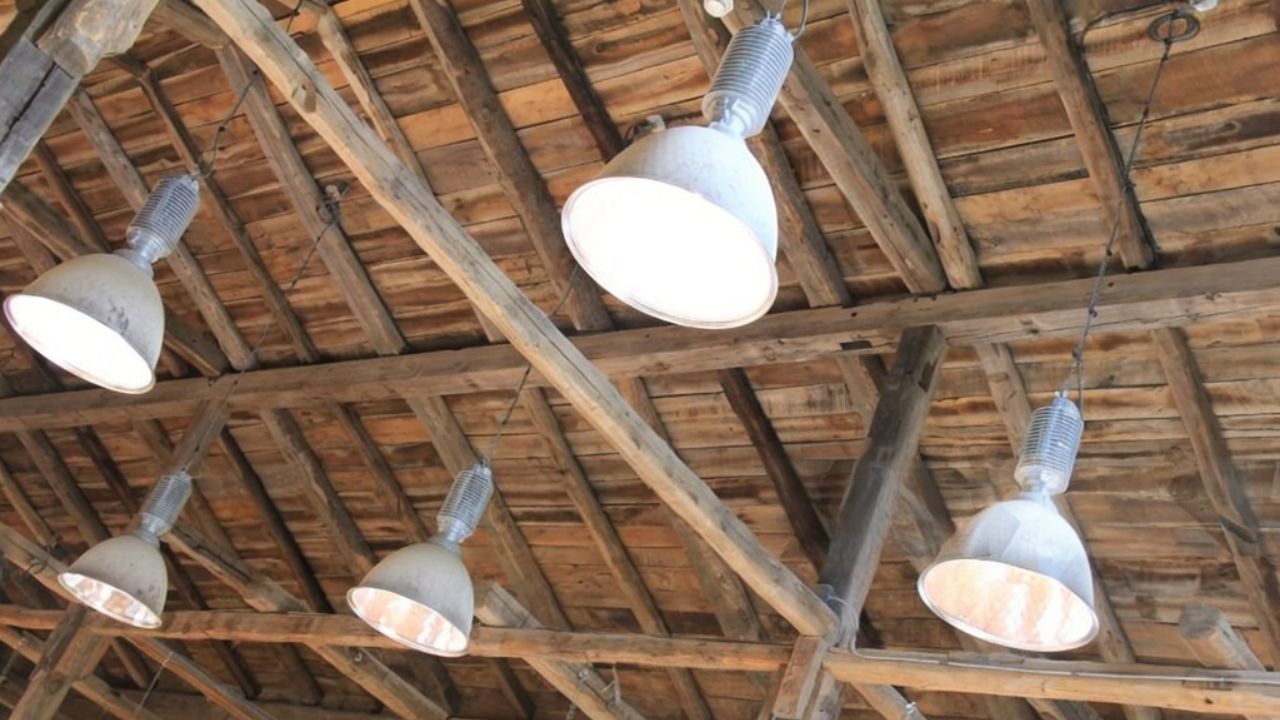
Switching one or two fixtures from traditional bulbs to LED can cost $20–$80 each, well under $250 for several. LEDs last longer, draw less power, and trim your electric bill—especially if you keep lights on overnight or use motion sensors.
Good lighting is a safety and productivity upgrade. Better visibility reduces accidents, deters wildlife damage, and lets you work longer in early mornings or evenings without paying for extra diesel or fuel to run equipment.
Insulated hose bib covers
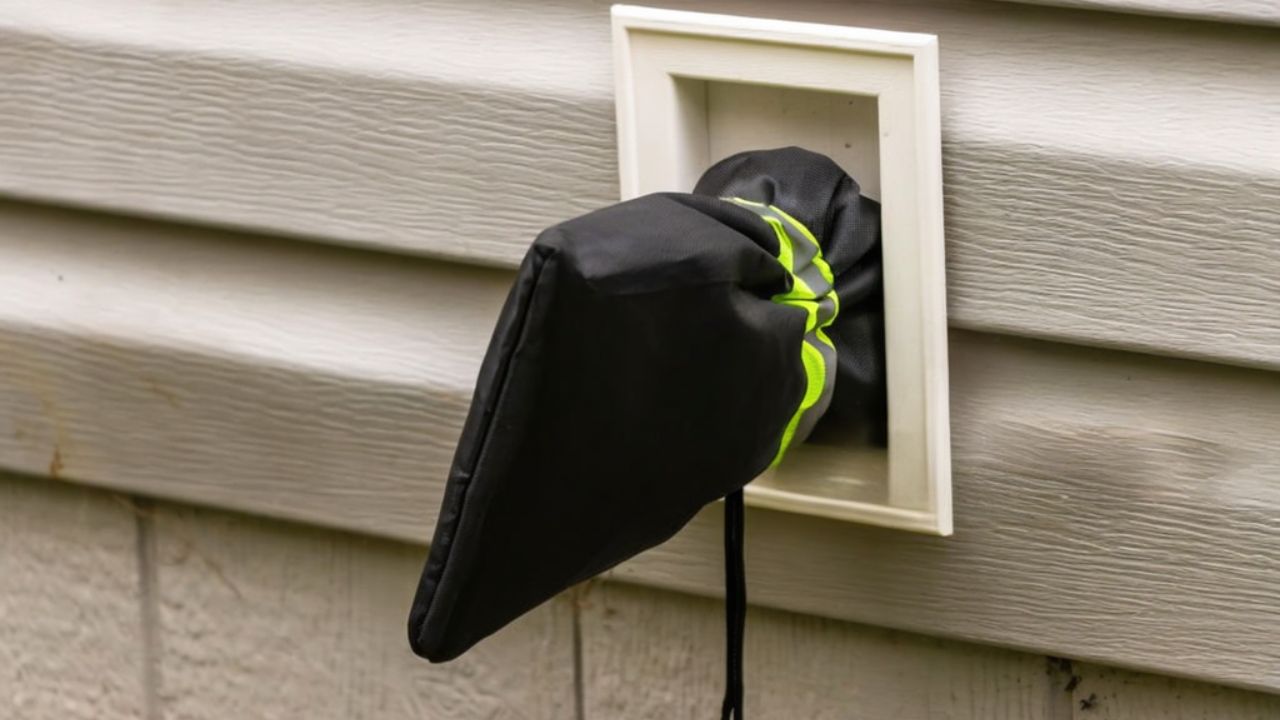
Frost protection for outdoor faucets sounds minor—but when a freeze cracks a pipe, the repair can exceed $300 easily. Buying foam or insulated covers (often under $20 each) is cheap protection against big plumbing bills.
It’s a small fix up front that stops water freezing, lines bursting, and wasted water in spring. You’ll prevent leaks and avoid a mess that could damage siding or drive repairs you didn’t plan.
Sealing gaps with weatherstripping and caulk
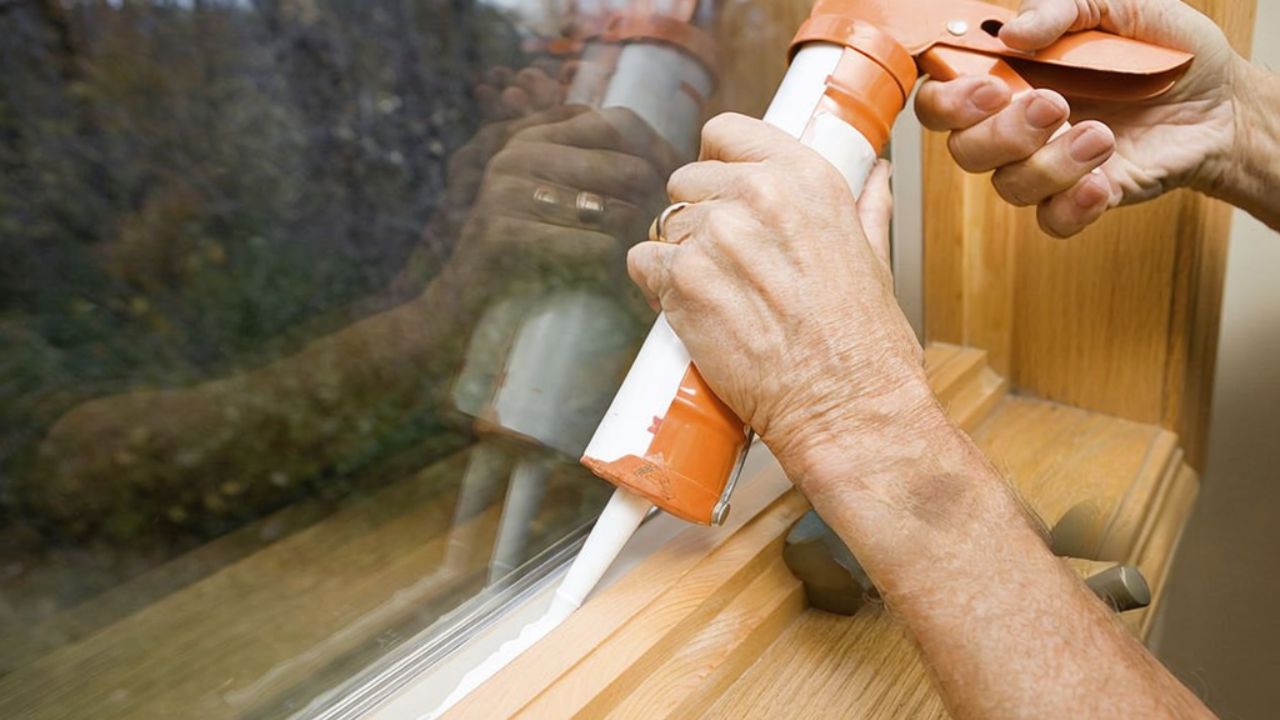
Doors, windows, and gaps in sheds leak heat like crazy. A good tube of outdoor caulk or a roll of foam around doors costs very little but reduces drafts and heat loss—especially in winter or when you heat outbuildings.
Less heat loss means lower fuel or electric bills and more comfort. Over time, that investment pays for itself in fuel savings and fewer frozen pipes.
Upgrading your well pressure tank bladder
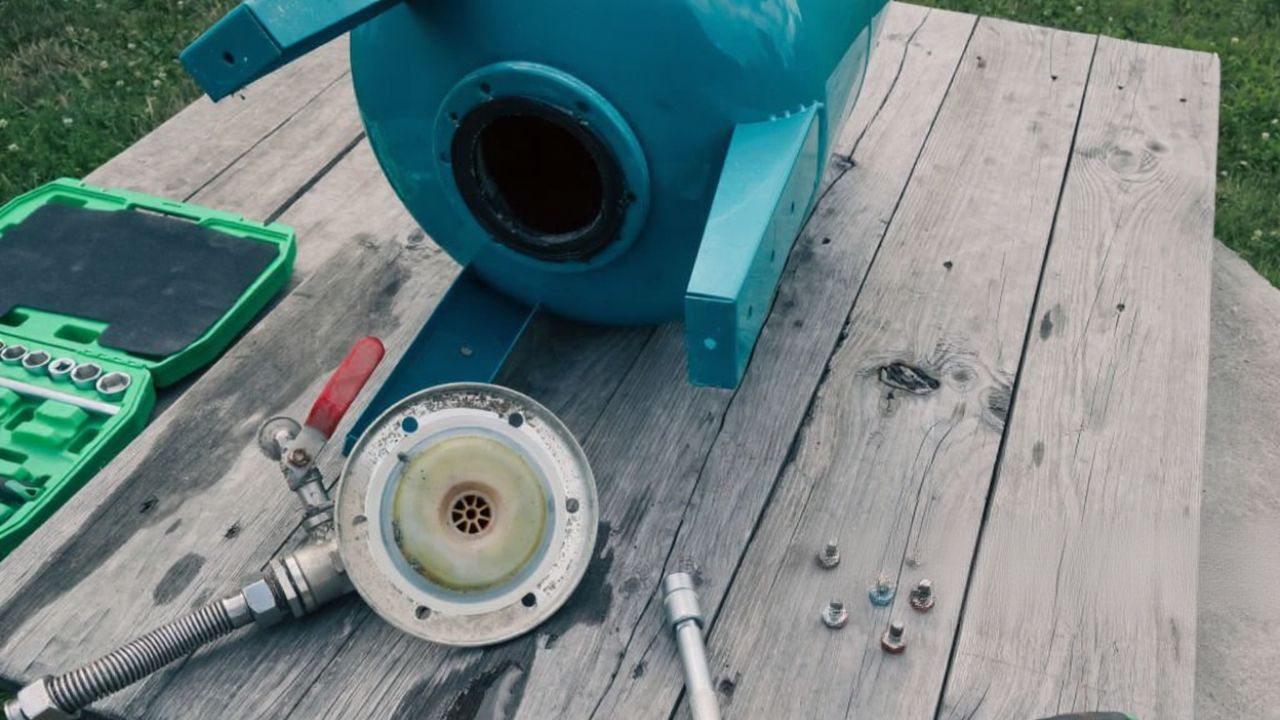
If your pressure tank bladder fails, your pump runs constantly, your pump wears out faster, and energy use spikes. A replacement bladder or tank repair is usually under $200.
Fixing this issue restores consistent water pressure, saves electricity, and stops your pump from short cycling. You’ll avoid pump burnouts or full tank replacements down the road.
Adding a simple rainwater collection barrel

Installing one or two barrels under gutters costs maybe $80–$150. That gives you stored water for gardening, livestock, or washing without pulling from your main well or system.
You save on utility costs or pump wear, and during dry spells you have backup water. Over time, what you save in pump cycles and water usage makes up for the barrel several times.
Upgrading gate latches or hardware
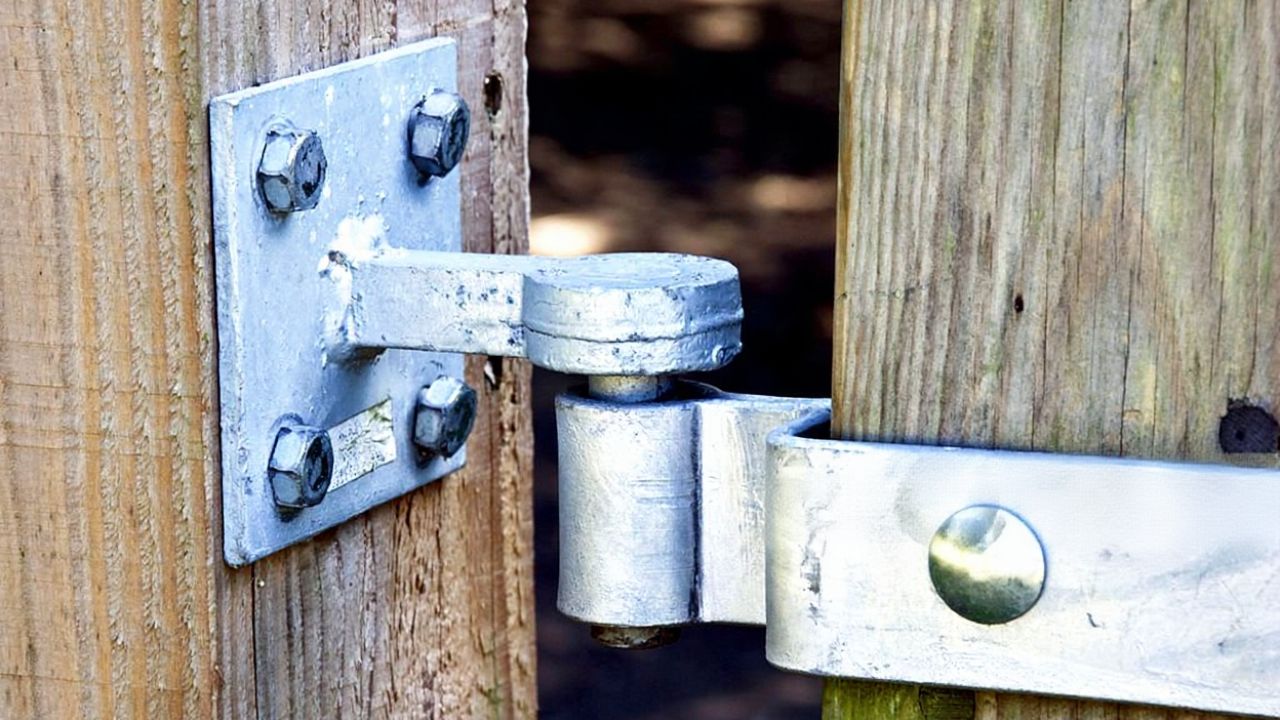
Cheap gate latches or flimsy hinges fail constantly under weather or livestock pressure. Swapping in better hardware—galvanized hinges, stronger latch systems—usually costs under $100 per gate.
Stronger gates reduce break-ins, livestock escapes, or fence damage. Over time you’ll save money by not repairing collapses, replacing broken parts, or spending hours every week fixing gates.
Solar battery trickle charger
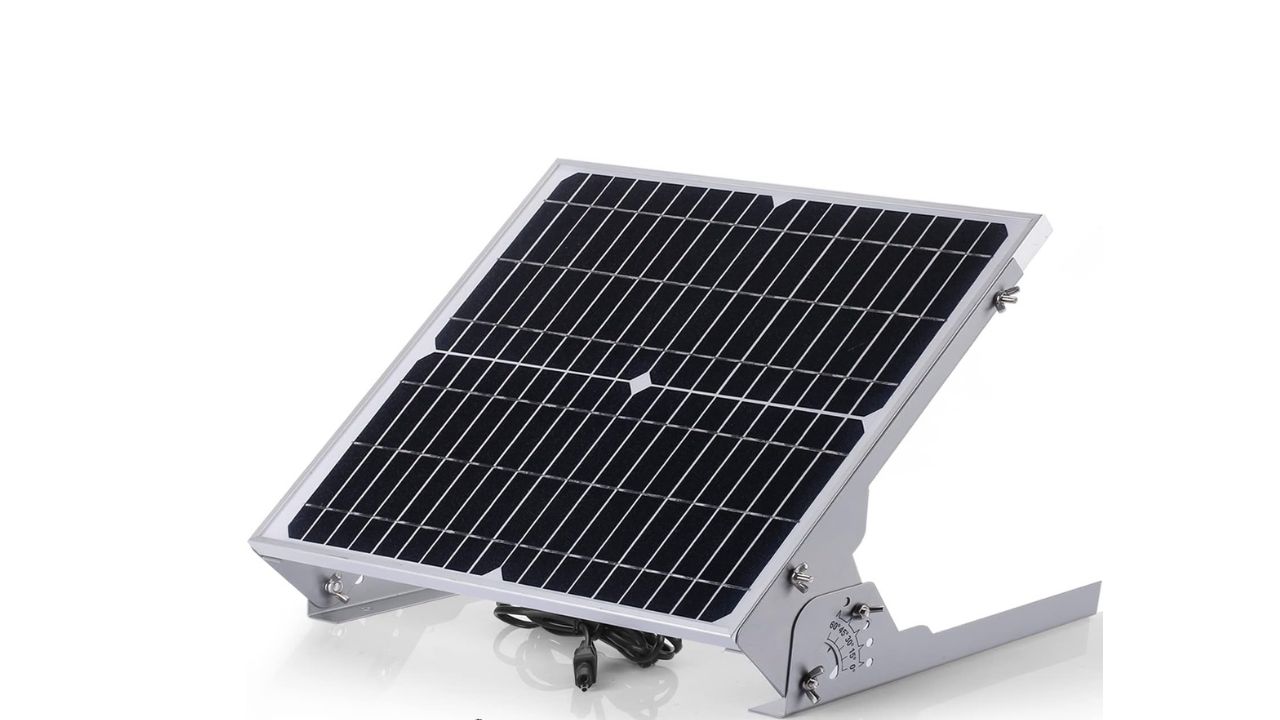
If you have a rural tool shed, barn, or trailer that isn’t wired, a $50–$150 small solar trickle charger keeps batteries topped without dragging your vehicle or running generator.
It avoids dead batteries, allows you to start machinery or vehicles instantly, and saves fuel. Over a year or two, it pays back by preventing battery replacements or extra runs.
Gravel patching or driveway patch mix
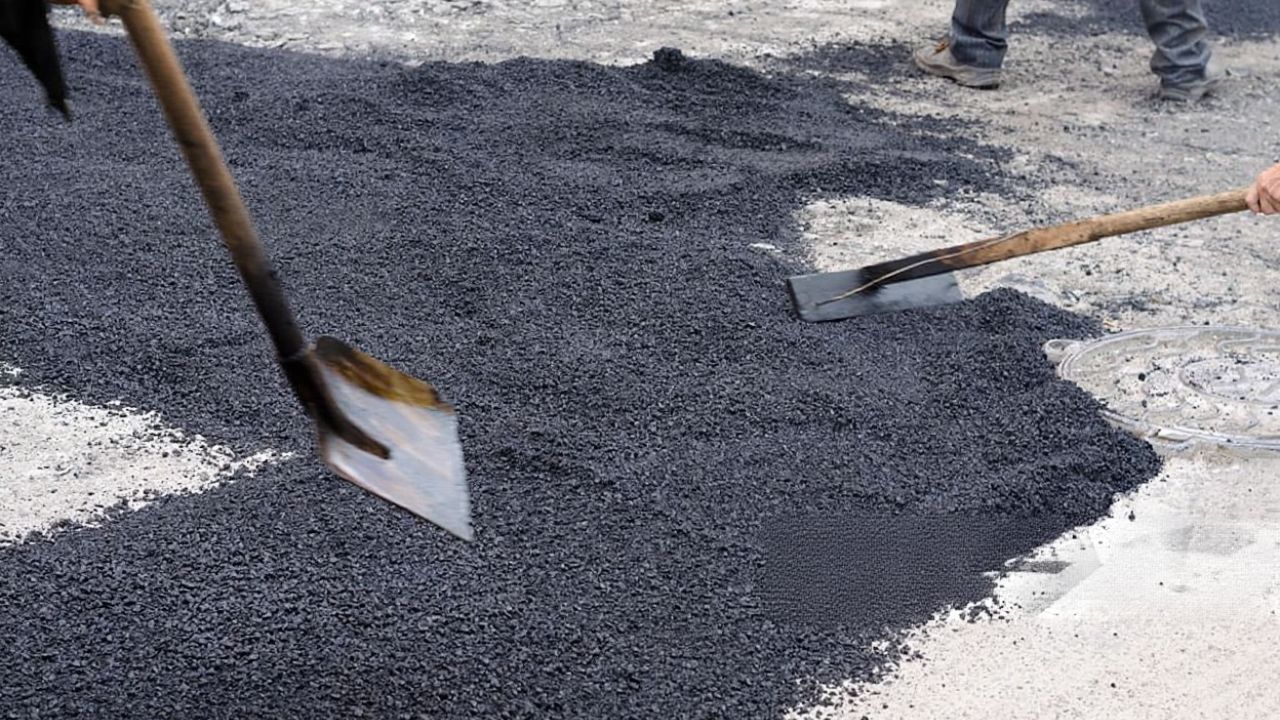
Bad washouts or potholes ruin your driveway, destroy tires, and damage vehicles. A bag or two of patch mix or a few cubic feet of crushed rock can cost under $200 and extend your driveway’s life.
A well-maintained road saves time, wear on your car, and avoids dragging in mud or needing major grading later. You prevent big grading bills and ease daily travel.
Upgrading a water trough float or micro valve
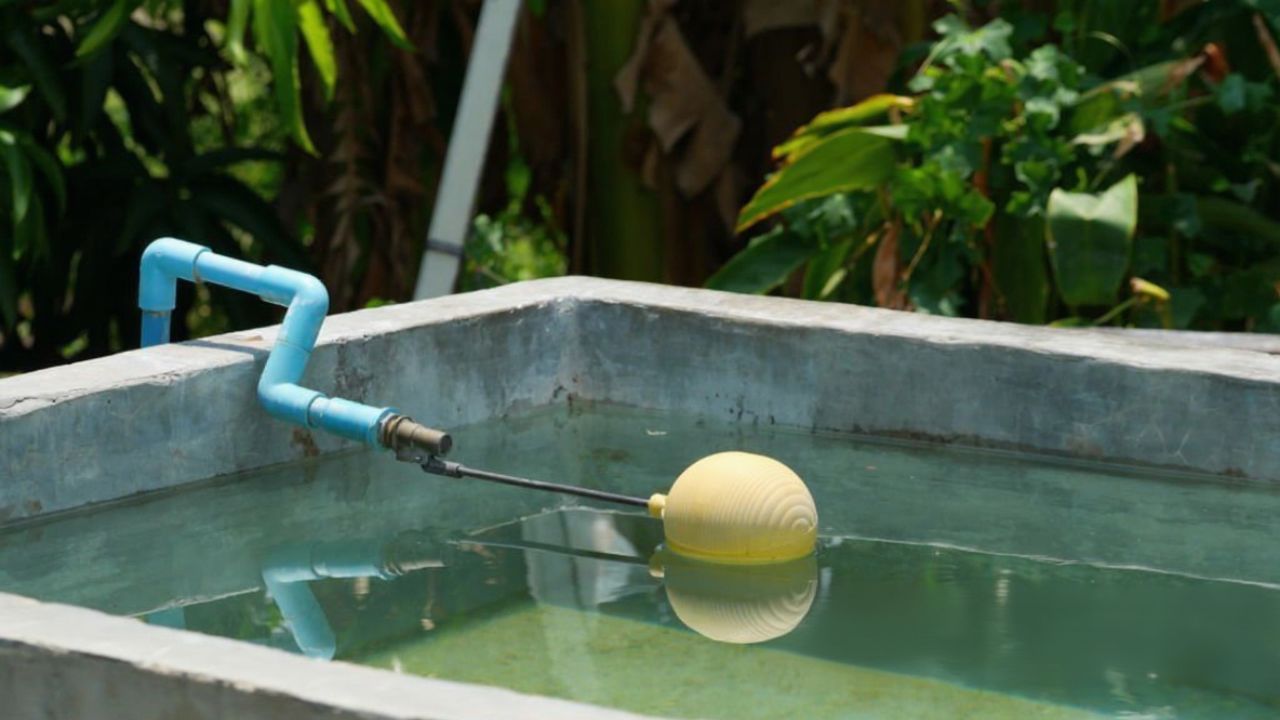
If your livestock water trough overflows or leaks due to a bad float, you waste water, encourage flooding, or cause erosion. Replacing or upgrading a float valve or installing a micro valve typically costs under $100.
Stop water waste, avoid eroded soil, and reduce the wear on your pump or tank. That small change often pays off in reduced water use, fewer repairs, and calmer ground around your water source.
*This article was developed with AI-powered tools and has been carefully reviewed by our editors.