8 Tricks to Keep Plants from Getting Overrun by Weeds
Photo credit: Kostenko Maxim/ Shutterstock.com
Weeds don’t wait around. One week of rain and sunshine, and suddenly they’re everywhere, choking out your vegetables and making the garden look like a jungle. The key to staying ahead of them is doing a few simple things consistently—not spending your whole weekend on your knees.
Over the years, we’ve learned what actually works. Here are 8 tricks that help keep the weeds down and your plants growing strong.
Start with a Clean Bed
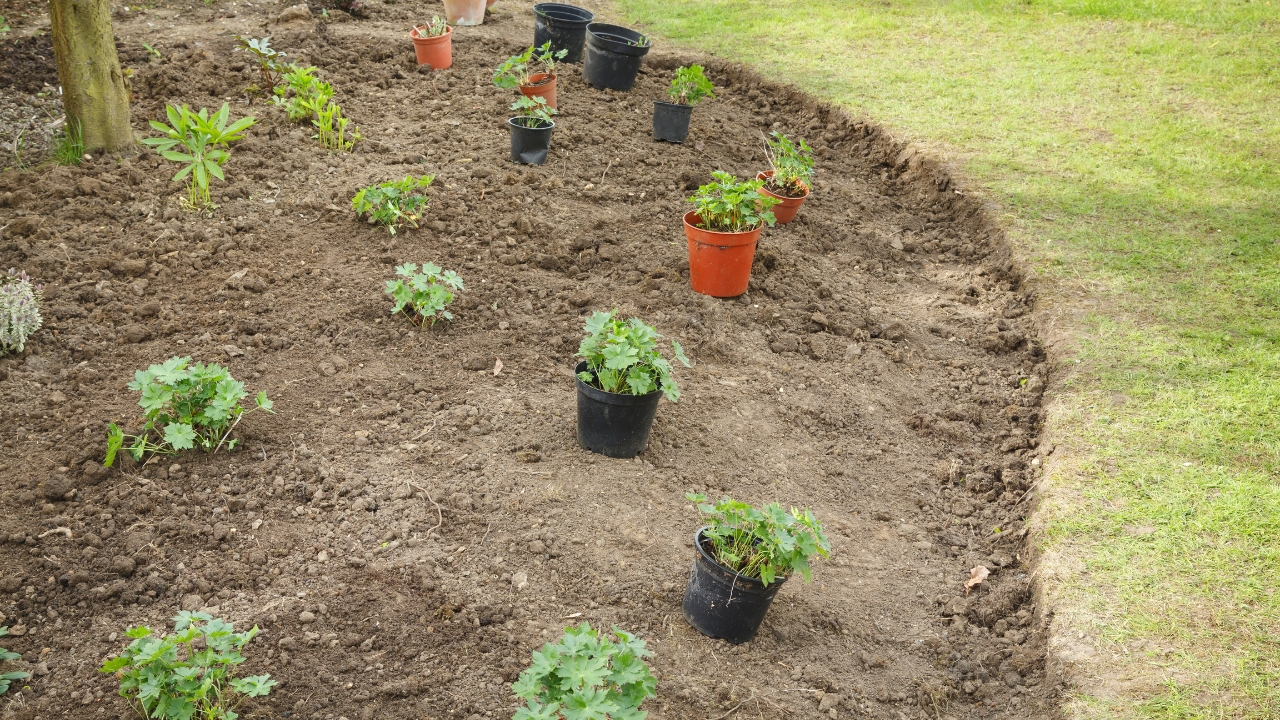
Trying to plant in weedy soil is a losing battle. We always take the time to clear the bed properly before anything goes in. That means pulling out roots, not just chopping the tops.
If the weeds are bad, we’ll tarp it for a few weeks to smother them before planting. You want to give your plants a fighting chance from the start—don’t let weeds get the upper hand right out of the gate.
Lay Down a Thick Layer of Mulch
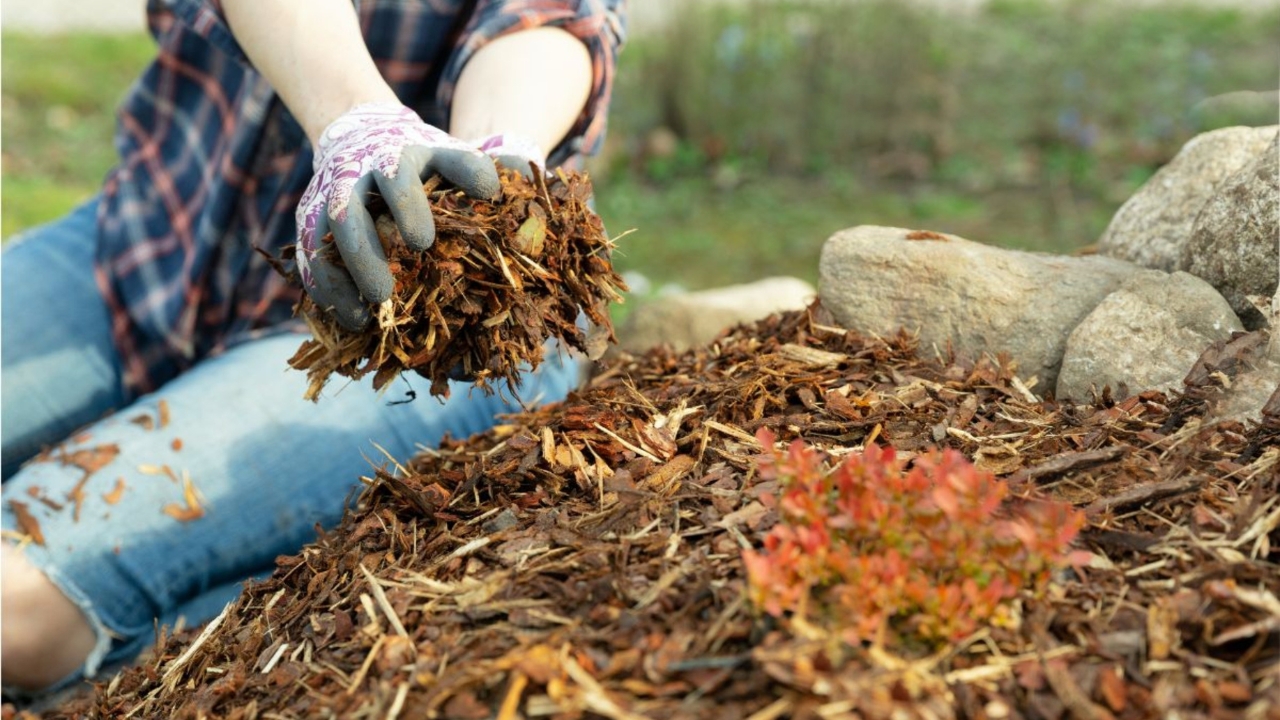
Mulch is one of the best weed blockers you’ve got. We spread 2 to 3 inches of natural mulch around plants and rows to block sunlight from reaching weed seeds.
It also helps hold moisture and regulate soil temperature. Just keep the mulch pulled back from stems so you’re not trapping moisture right up against the plants. You’ll weed less, water less, and your garden will look a whole lot better.
Use Landscape Fabric or Cardboard Under Paths
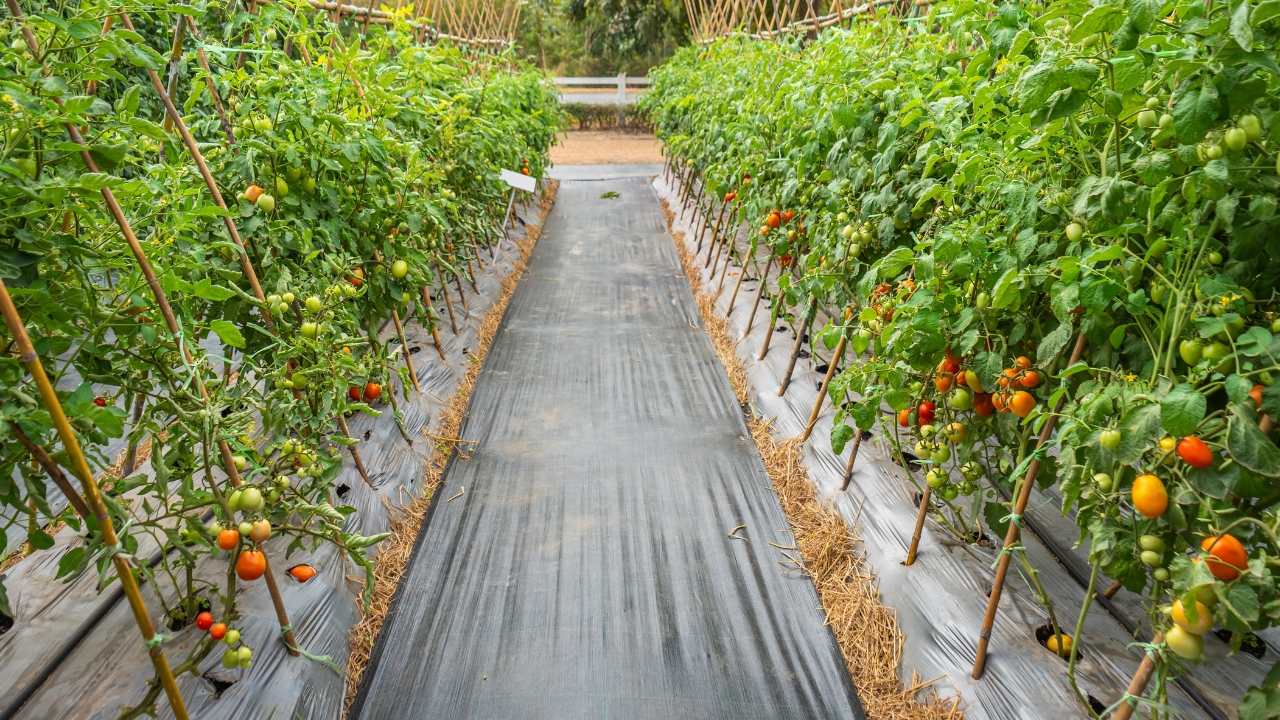
Between-bed walkways are weed magnets if you leave them bare. We lay down cardboard or landscape fabric in the paths and top it with wood chips or straw.
It’s not fancy, but it stops weeds from creeping into the beds and keeps mud to a minimum. Plus, the cardboard breaks down over time and adds to the soil underneath.
Plant Close Enough to Shade Out Weeds

Once your plants are established, their canopy can do a lot of the weed-blocking for you. The trick is to plant close enough to crowd out weeds—but not so close that airflow suffers.
We give things room early on, then let them fill out and shade the soil. Less light at ground level means fewer weed seeds sprout. It’s a natural way to take pressure off your weeding routine.
Stay on Top of It Weekly
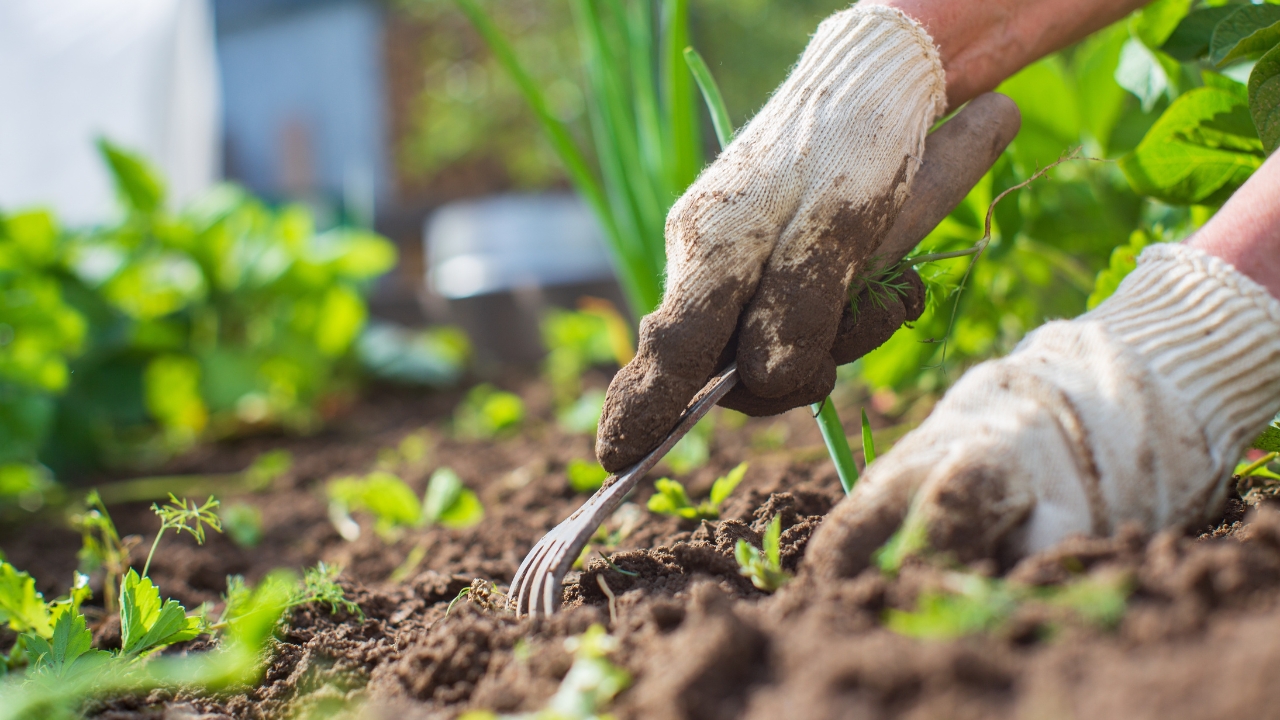
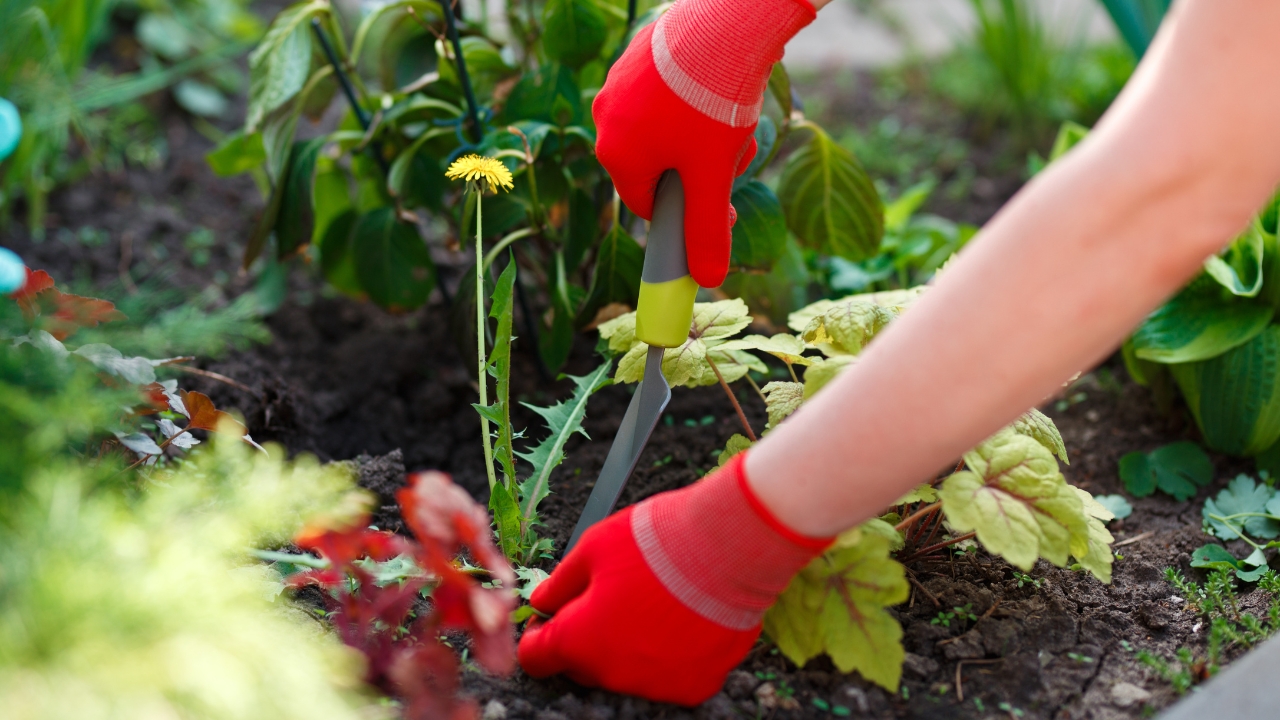
You don’t need to weed every day, but letting it go for weeks is when it gets out of hand. We do a quick walk-through once a week with a hoe or weeder and knock out whatever’s popped up.
The younger the weed, the easier it is to pull. Catching them early keeps the roots small and the job quick. Ten minutes here and there beats hours of backbreaking cleanup later.
Use Cover Crops in the Off-Season

Leaving beds empty gives weeds a head start. We started planting cover crops like clover or rye in the off-season, and it’s made a big difference.
They block sunlight, compete with weeds, and improve soil while they’re at it. When it’s time to plant again, we just mow them down and work them in. No more weeding empty beds all winter.
Water Smart
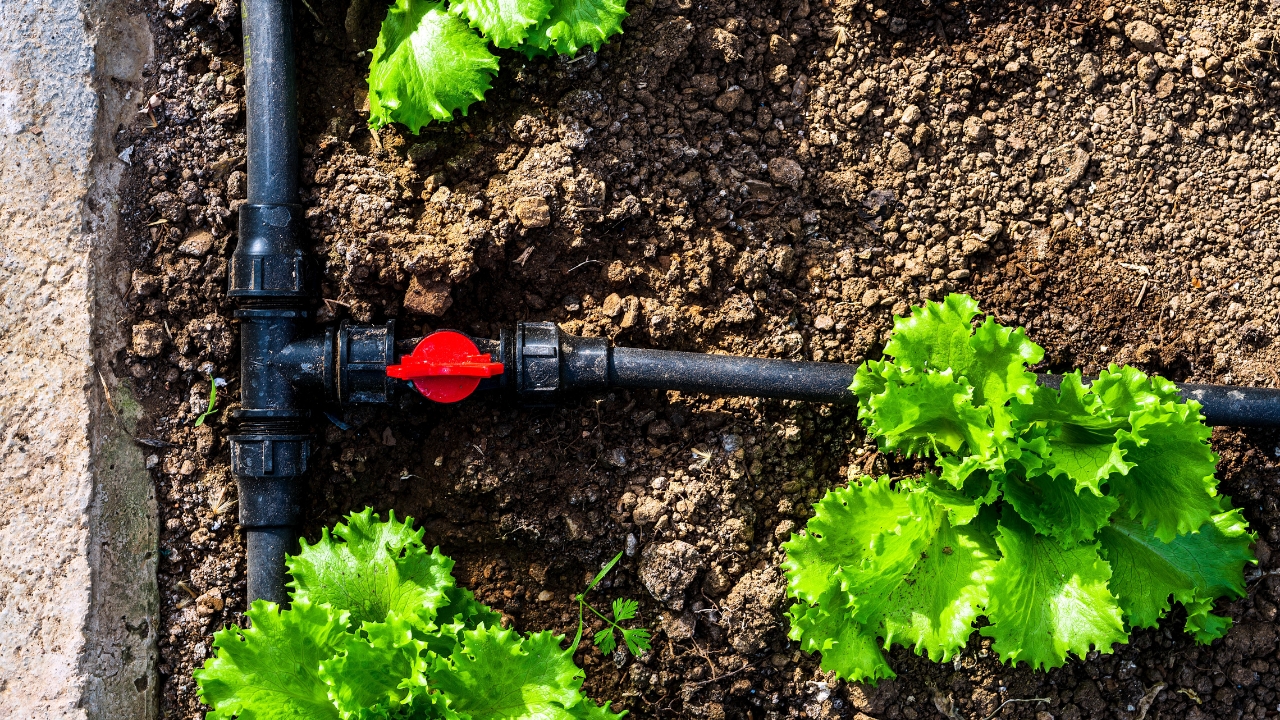
Overhead watering hits everything—plants and weeds alike. We switched to drip lines and soaker hoses so water goes straight to the roots where it’s needed most.
This keeps the spaces between rows drier, and fewer weeds sprout in those areas. Plus, it saves water and reduces the chance of fungal issues. It’s a simple upgrade that pays off fast.
Don’t Let Weeds Go to Seed

The biggest mistake is letting weeds flower and go to seed. One dandelion going to seed can mean hundreds more the next season. We make it a habit to yank or cut anything that’s trying to set seed.
Even if you can’t get all the roots, stopping that seed spread is huge. It keeps the problem from multiplying and makes next year a whole lot easier.
Like Fix It Homestead’s content? Be sure to follow us.