9 Yard Habits That Are Slowly Ruining Your Grass
Photo credit: Joanne Dale/ Shutterstock.com
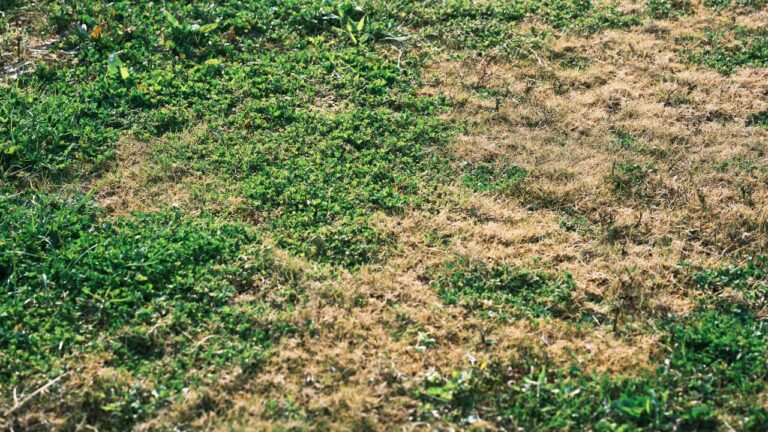
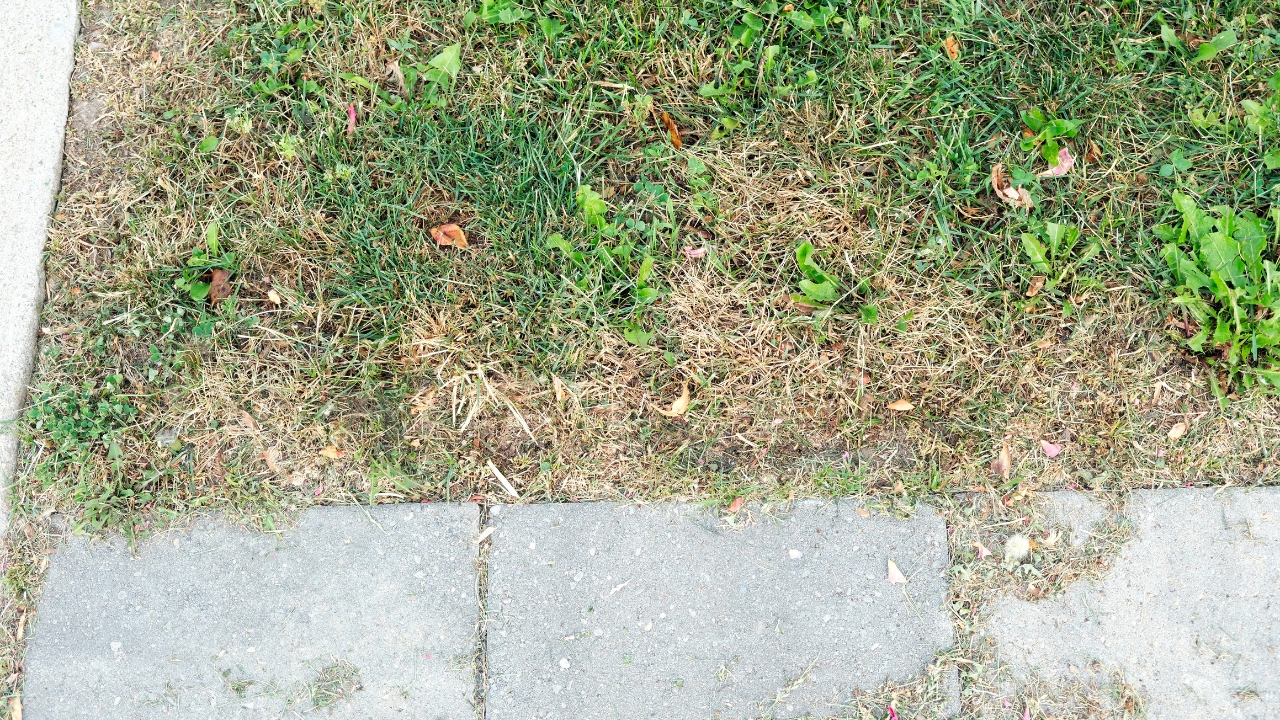
Most lawns don’t fail overnight. The grass starts thinning, the color fades, and before you know it, you’ve got bare patches and weeds creeping in. A hard truth? You might be the one causing the damage without realizing it.
These habits feel helpful or harmless on the surface, but they slowly wear down your yard over time. If you want healthy, full grass that can hold its own, it’s worth ditching these before they do more harm.
Watering a Little Bit Every Day
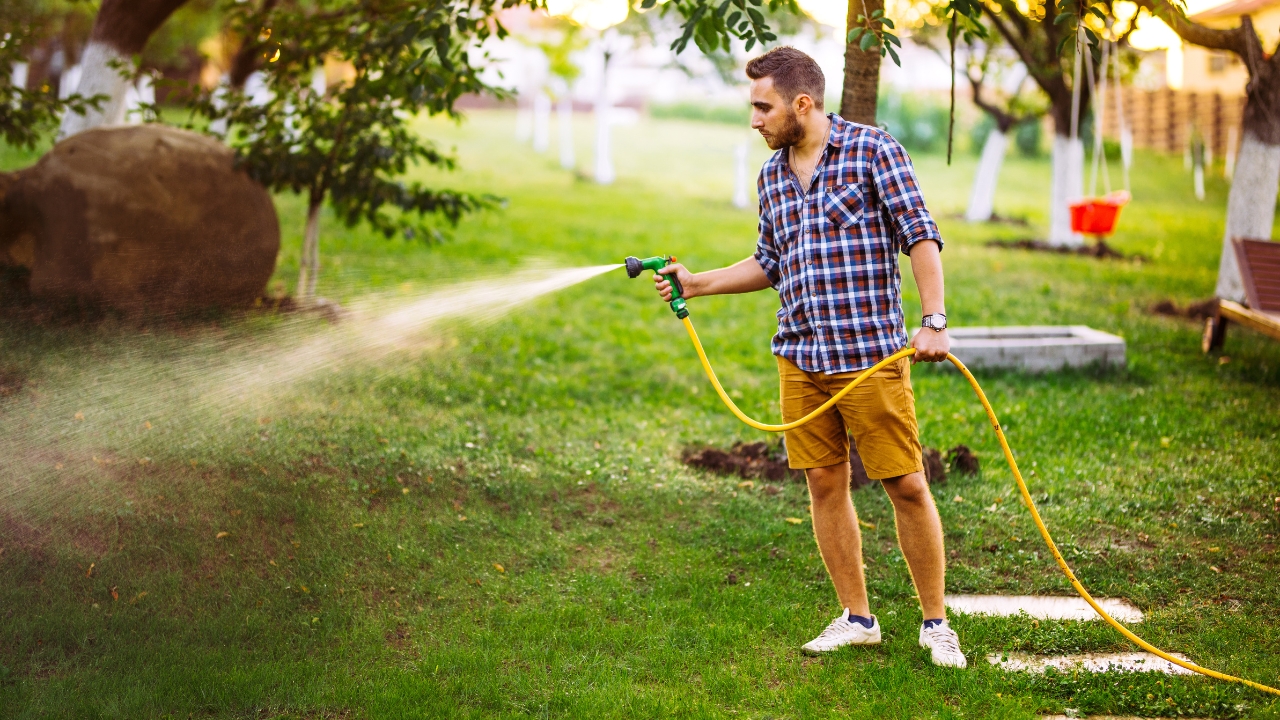
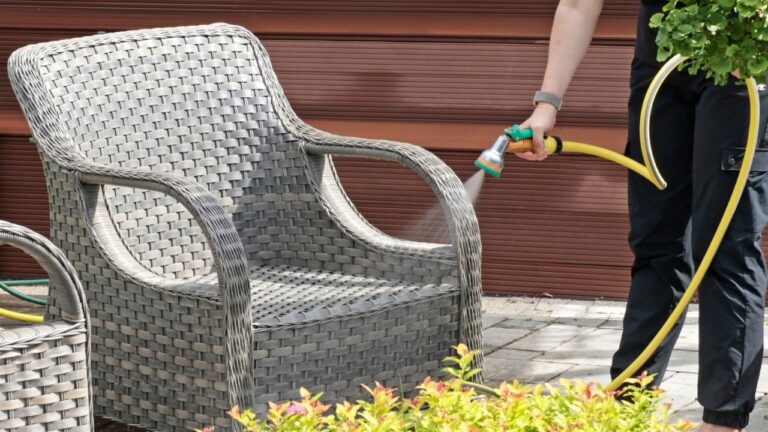
Light watering trains your roots to stay shallow. That might seem fine in spring, but shallow roots can’t handle heat, drought, or heavy foot traffic once summer hits.
Instead, water deeper and less often. Aim for one to two long soakings a week, depending on your weather. That encourages roots to grow down where the moisture sticks around, which builds a stronger lawn that holds up better.
Cutting the Grass Too Short
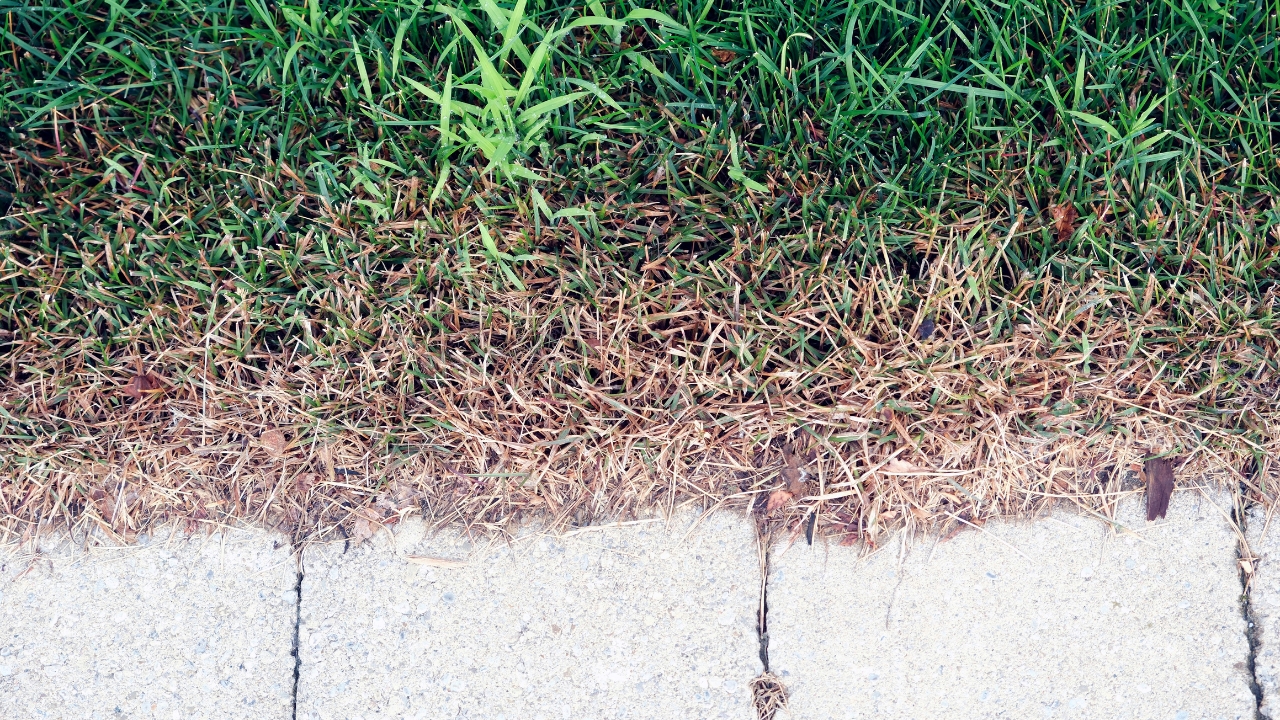
Scalping the lawn might feel like it buys you more time between mows, but it actually stresses the grass and opens the door for weeds.
Most lawns do best when you keep grass around 2.5 to 3 inches tall. That extra height shades the soil, holds in moisture, and helps crowd out weed seeds trying to sprout.
Letting Grass Clippings Pile Up
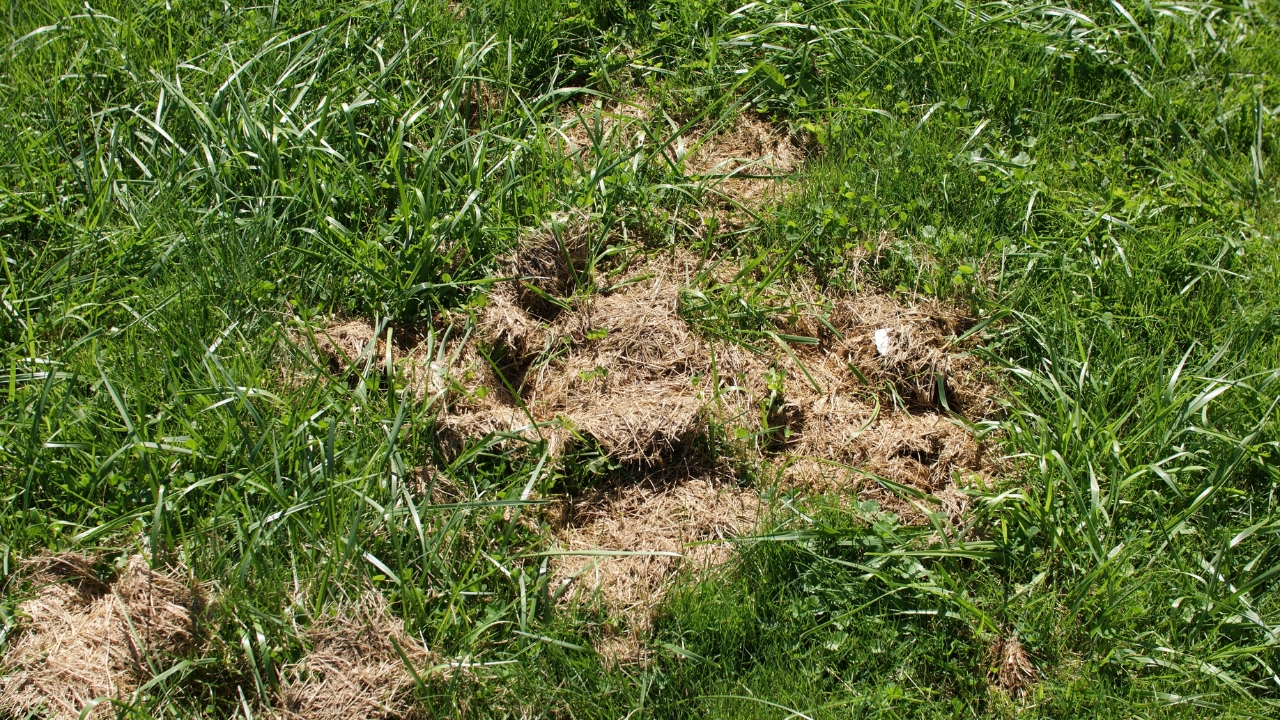
Clippings can be good for your yard—but not if you’re mowing when the grass is too tall or wet. Big clumps smother the grass underneath, blocking sunlight and trapping too much moisture.
If your lawn looks covered after a mow, go ahead and rake or bag. But on normal days, letting small clippings break down naturally can help feed your soil without causing damage.
Mowing With Dull Blades

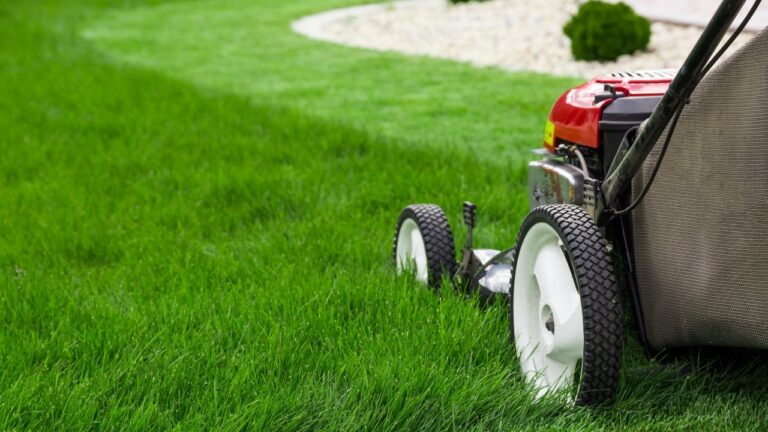
A dull mower blade doesn’t slice—it tears. Torn grass looks ragged, browns at the tips, and becomes more prone to disease. That damage adds up fast.
Sharpen your blade every 20 to 25 hours of mowing. If you hit a lot of sticks or mow sandy soil, you might need to do it even more often. A clean cut makes a big difference in how your yard looks and recovers.
Overusing Weed Killers
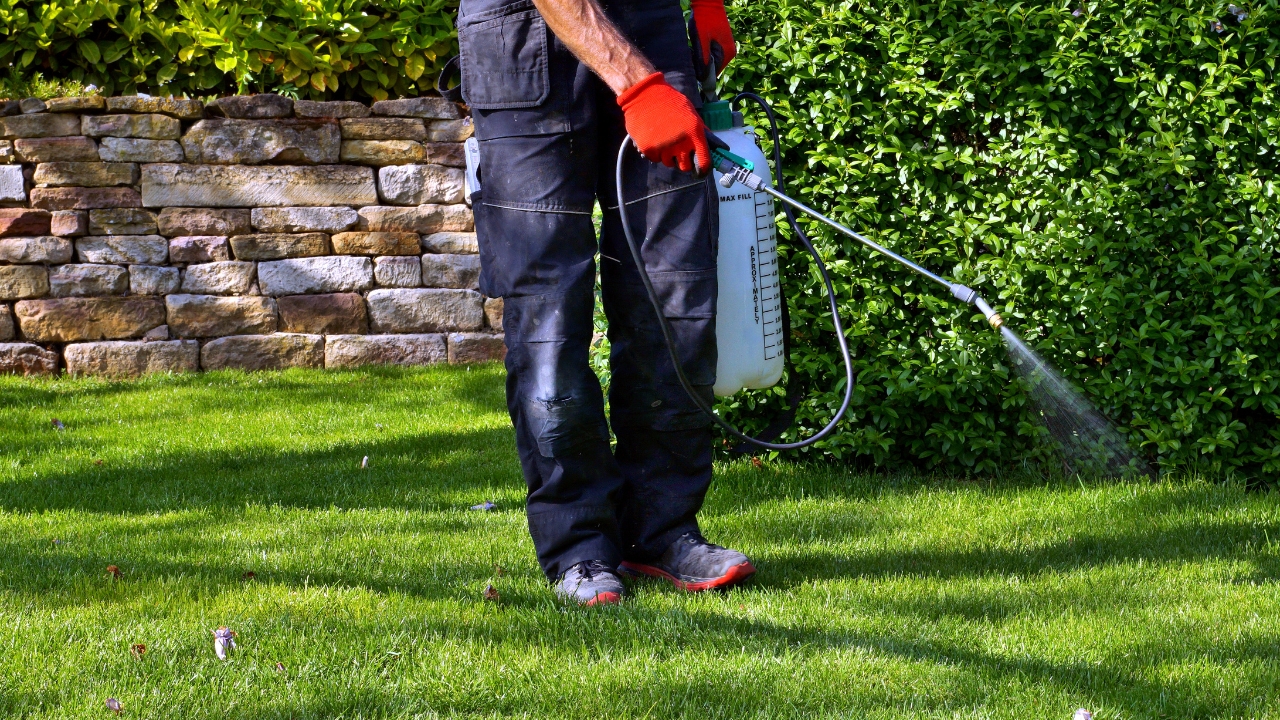
Blanket-spraying your whole yard with weed killer might seem efficient, but it can also weaken your grass if you’re using it too often or during the wrong conditions.
Stick to spot-treating unless you’re dealing with a serious takeover. Always read the label, follow the temperature guidelines, and avoid spraying during drought or heat waves.
Ignoring Soil Health
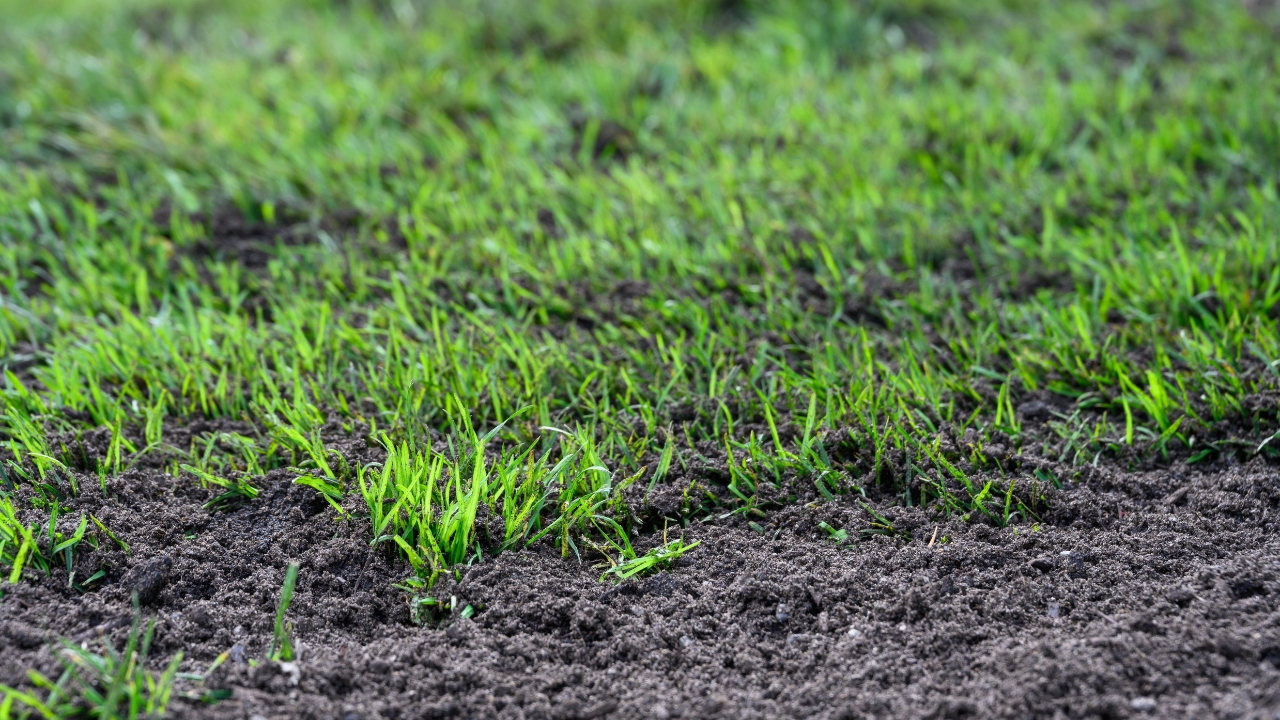
If you’re constantly reseeding, fighting weeds, or watching water pool up, your soil might be the issue. Compacted or nutrient-poor soil doesn’t support strong grass growth.
Test your soil every couple of years, especially if things seem off. Aerating compacted areas and adding what your soil is missing can help fix issues at the root—literally.
Overcrowding With Landscaping Features
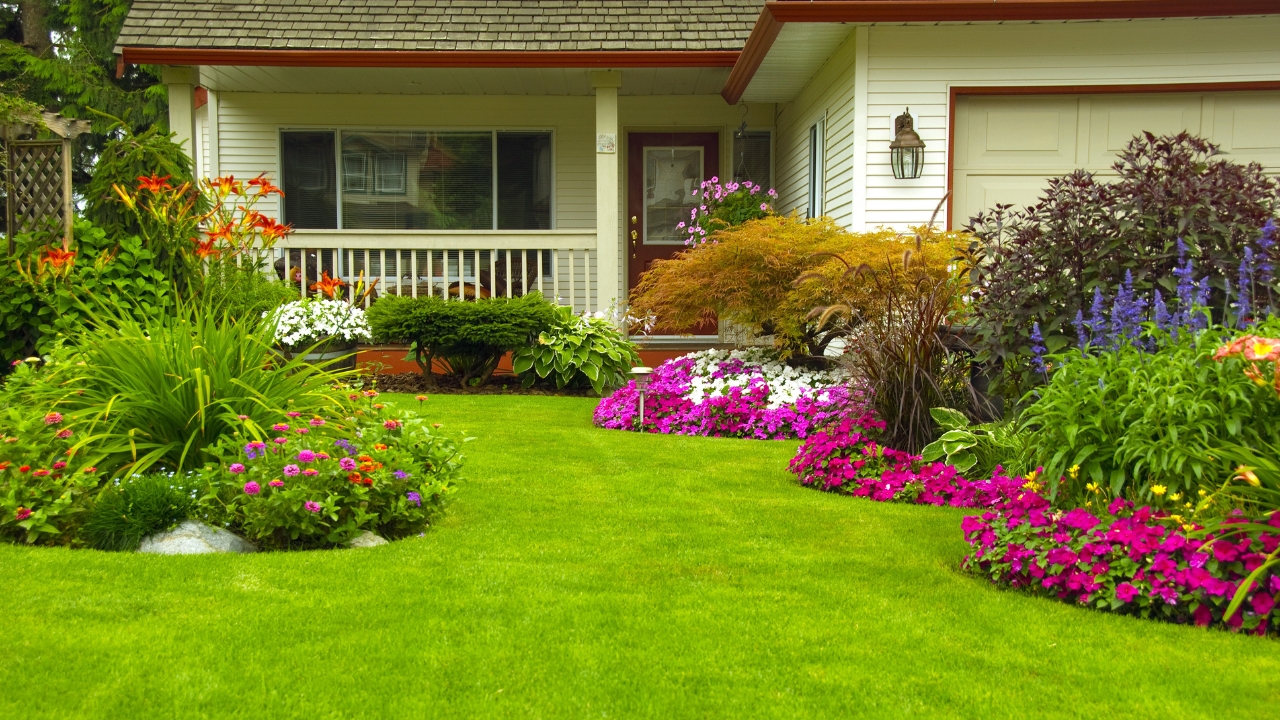
Piling on too many flower beds, stones, or edging can slowly eat away at your usable lawn space and mess with water flow and sunlight patterns.
Keep things balanced. Grass needs room, air, and light. Try not to overdesign your yard at the cost of the lawn’s health. Sometimes less hardscape means better grass coverage.
Skipping the Mulching Mower

If you always bag or rake every time you mow, you’re taking away the easiest source of natural fertilizer. Mulching mowers chop clippings into tiny bits that break down fast and feed the lawn.
As long as you’re mowing often enough and the grass is dry, switching to mulching mode can improve lawn density and reduce your need for extra fertilizer.
Letting Shade Take Over
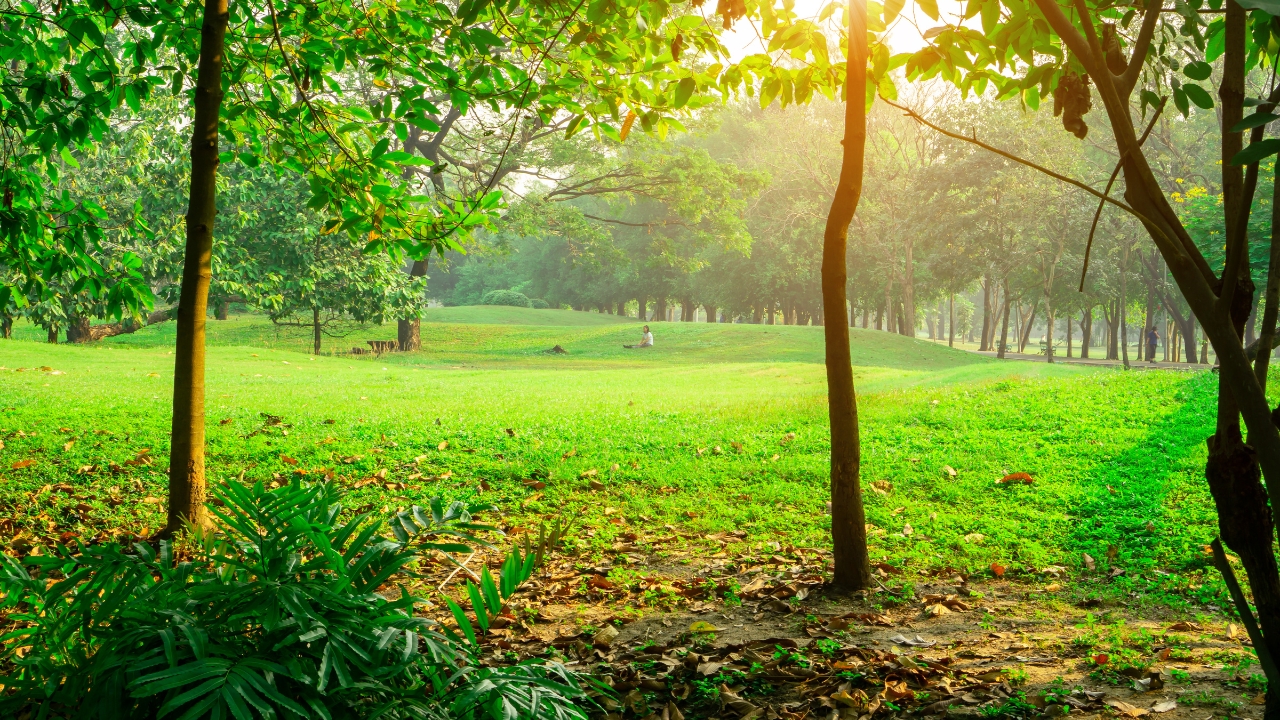
Grass doesn’t do well in full shade. If trees or shrubs have grown thicker over the years, your lawn might be struggling under that canopy.
Trim branches to let more sunlight in, or consider switching to shade-tolerant ground cover in those areas. Pushing grass to grow where it won’t thrive only creates more frustration.
Like Fix It Homestead’s content? Be sure to follow us.