9 Landscaping Materials That Look Cheap Fast
Some landscaping choices seem budget-friendly at first but end up aging badly, fading fast, or just drawing the wrong kind of attention. What looks good right out of the bag or freshly installed can quickly turn messy, dated, or downright tacky.
If you’re putting time and money into your yard, it’s worth steering clear of materials that don’t hold up well. These are the ones that tend to look worn out faster than you’d expect.
Plastic Edging
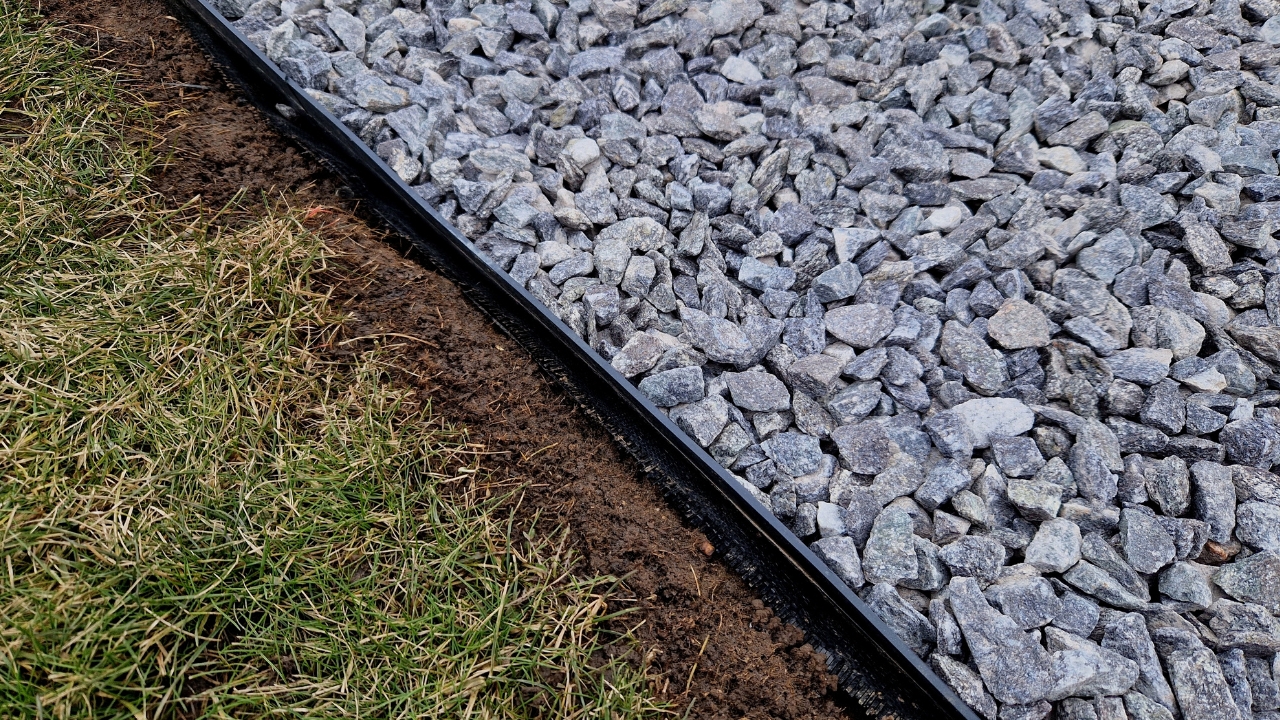
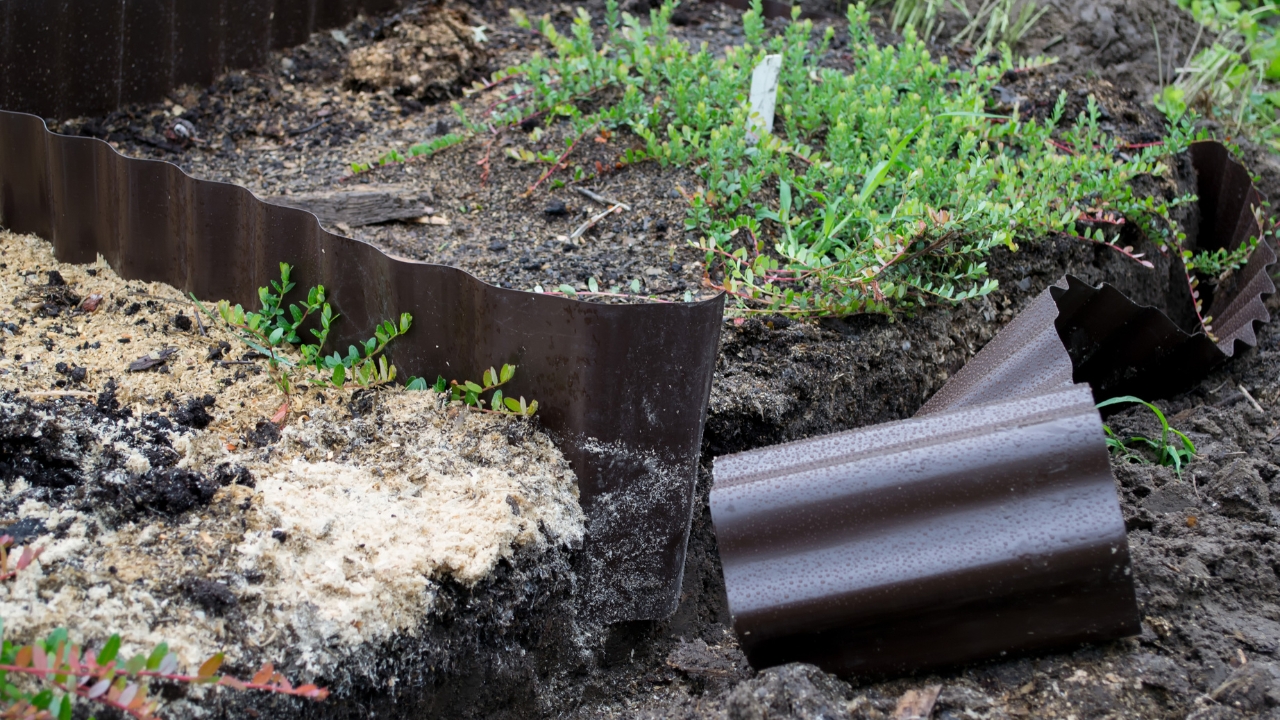
That thin black plastic edging you see rolled up at the store doesn’t stay neat for long. It warps in the sun, pops out of the ground, and shifts over time. It might seem like an easy way to define flower beds, but it ends up looking uneven and unfinished. Metal or stone edging costs more upfront but stays in place and looks better over the long haul.
Bright Red Mulch
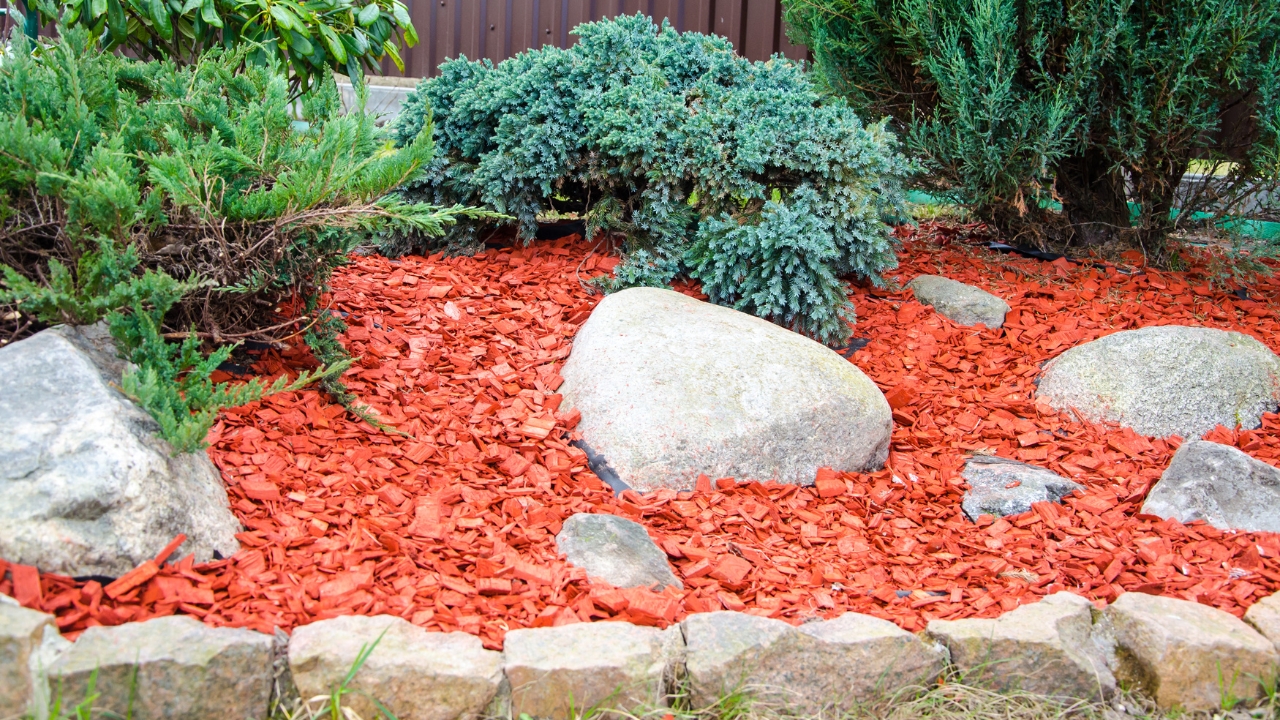
Red mulch might grab your attention at first, but that’s part of the problem. It often clashes with plants, fades to a washed-out pink, and looks artificial once it starts breaking down. The dye can also leach into the soil. Natural brown or black mulch wears better and won’t compete with the rest of your yard.
Pea Gravel in High-Traffic Areas
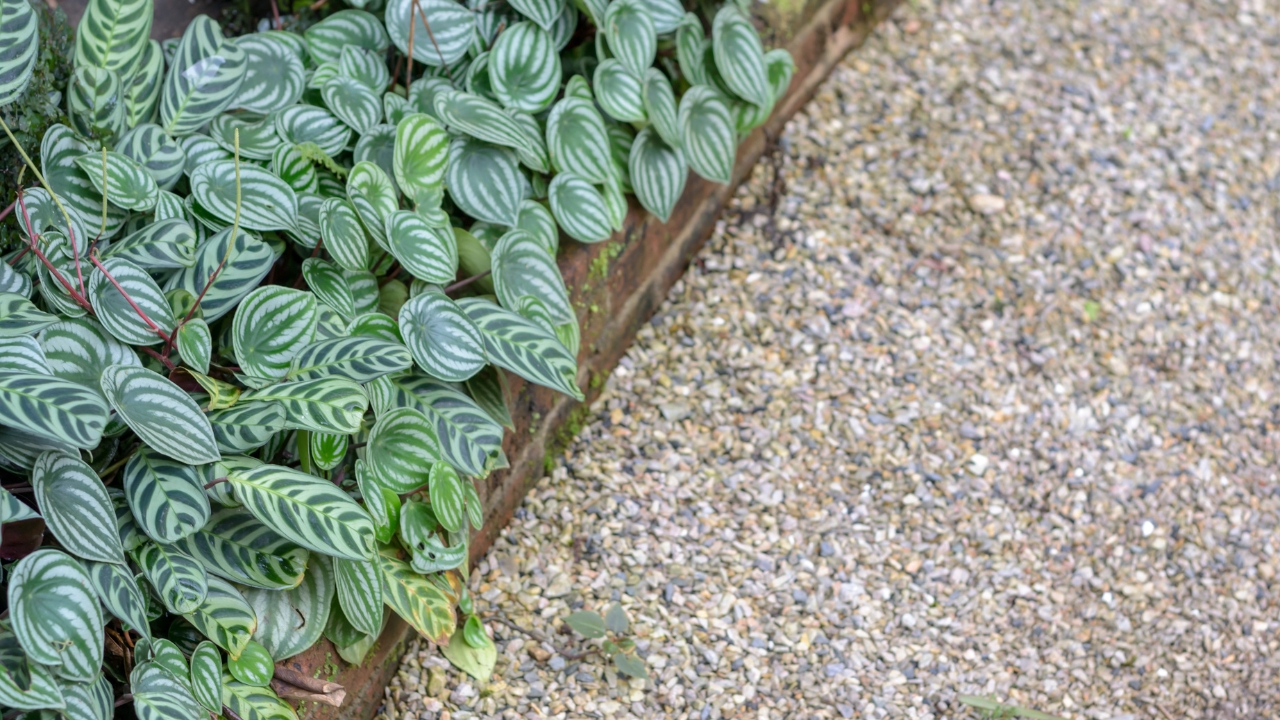
Pea gravel feels like a clean choice for paths, but it doesn’t stay put. In high-traffic areas, it spreads, shifts underfoot, and makes walking uncomfortable. Once it starts creeping into your lawn or driveway, it becomes a maintenance headache. Crushed gravel or flagstone holds up better where people walk regularly.
Faux Stone Panels
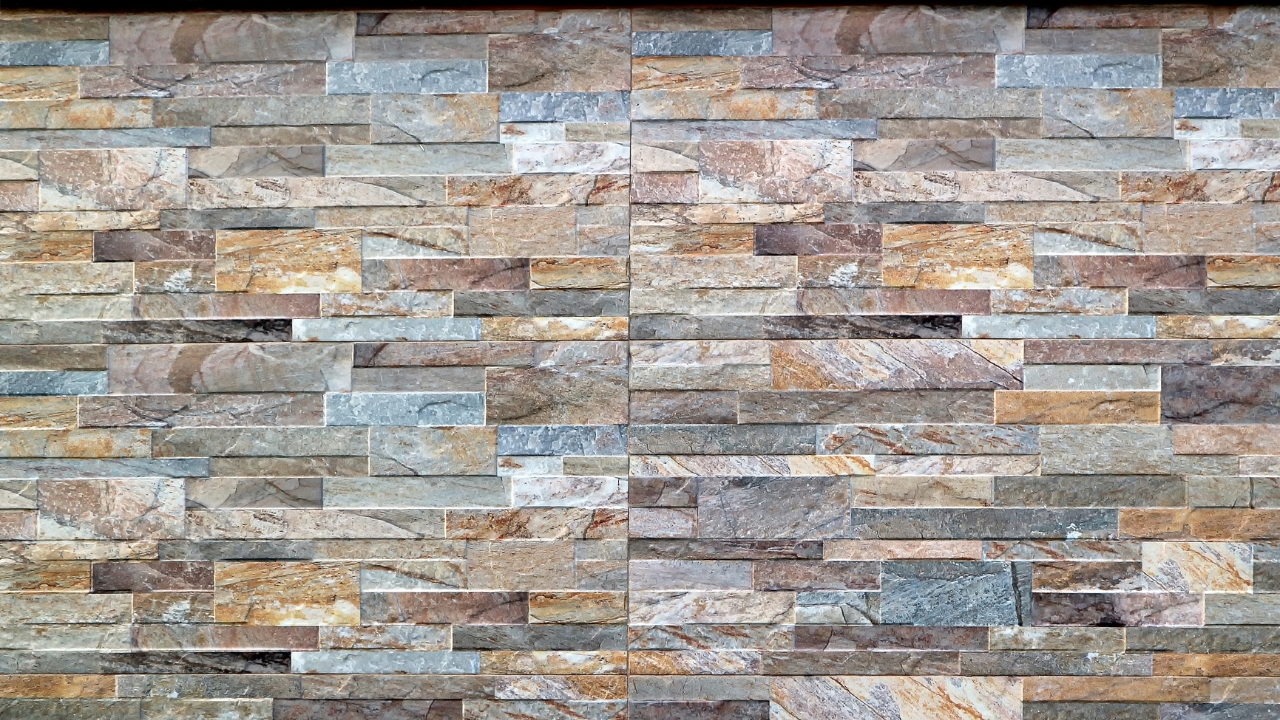
Faux stone panels might look nice in photos, but they rarely hold up outdoors. UV exposure, rain, and shifting temps can cause them to warp, peel, or crack. Once the seams show or the texture fades, they start looking like cheap plastic instead of real stone. If you’re going for a natural look, actual stone or brick lasts much longer.
Rubber Mulch
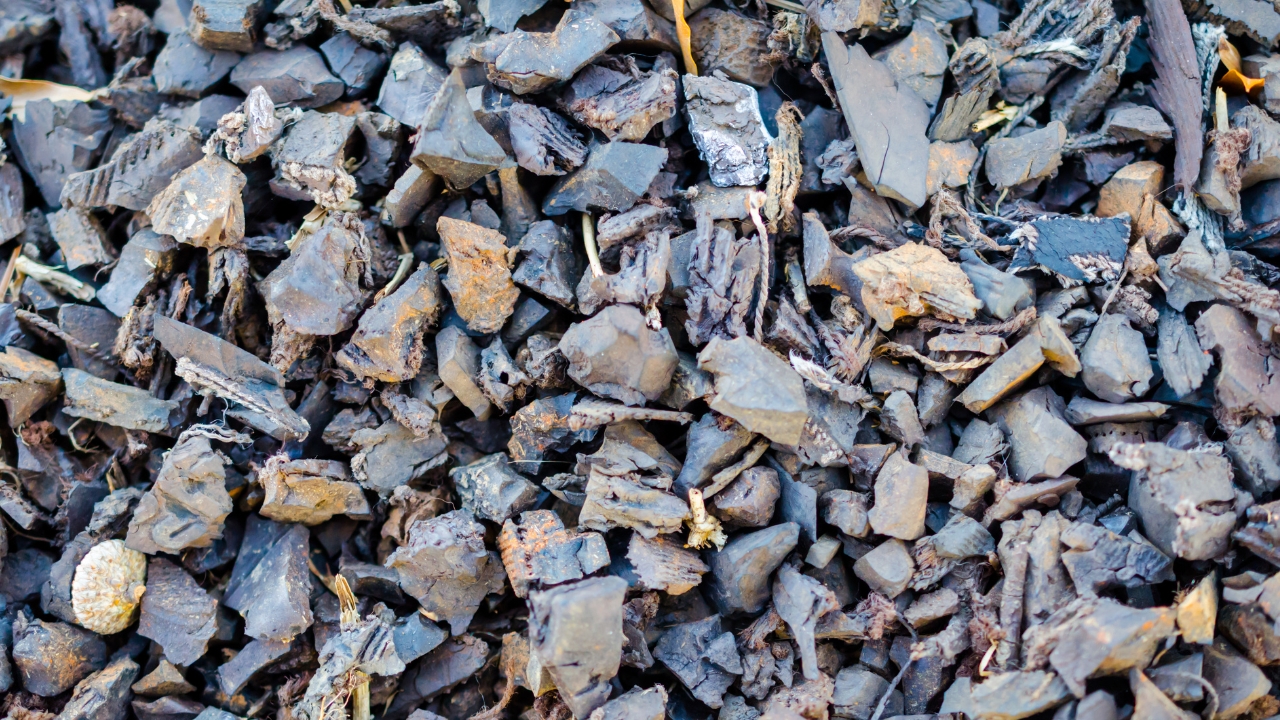
Rubber mulch gets marketed as long-lasting and eco-friendly, but it looks unnatural and often smells weird in the heat. It can also get scattered easily, especially if kids or pets are around. Over time, it collects debris, fades, and breaks down. It’s hard to clean up and doesn’t offer the same soil benefits as organic mulch.
Painted Concrete Pavers

Painting concrete pavers to match your style sounds like a good idea—until the paint starts peeling. Foot traffic, weather, and time take a toll, and once it chips, it’s hard to patch without making it look worse. If you want color, look for factory-tinted pavers instead. They’re made to last and won’t leave you touching up every few months.
Plastic Planters That Imitate Stone
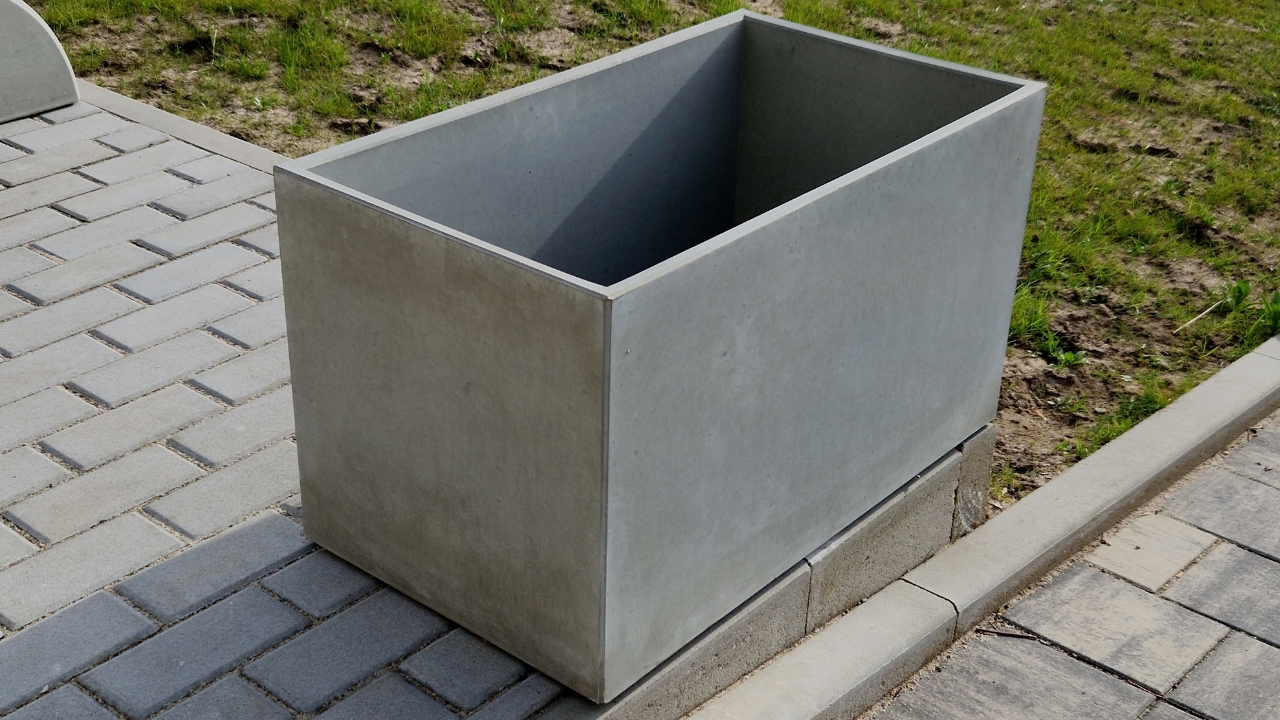
Plastic planters that try to look like stone usually don’t fool anyone up close. They fade, crack, and sometimes even split with temperature swings. Once the surface gets scuffed or scratched, they lose any illusion of being upscale. If you’re going plastic, go for clean designs that don’t pretend to be something else—they age better.
White Landscape Rock
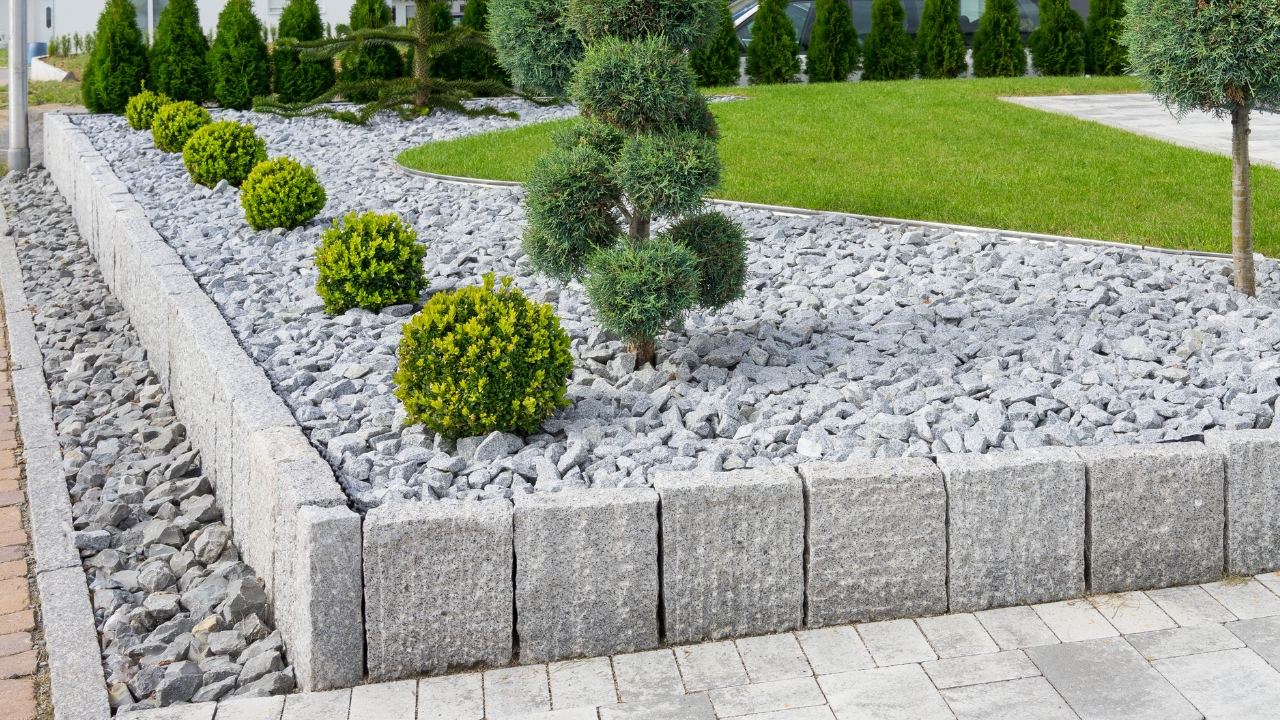
White rock might seem crisp and clean at first, but it doesn’t stay that way. It shows every speck of dirt, leaf, and mildew spot. After a season or two, it starts to look dingy and uneven, especially if you don’t keep up with cleaning it. Darker stones or mixed natural tones tend to wear better and require less upkeep.
*This article was developed with AI-powered tools and has been carefully reviewed by our editors.