9 Landscaping Mistakes That Can Ruin Your Curb Appeal
Photo credit: Sarah Macor/ Shutterstock.com
You don’t need a golf course lawn or a magazine-worthy flower bed to make your place look sharp, but there are some easy ways to mess it up. A sloppy front yard can drag down the whole look of your home—and it’s usually because of a few overlooked habits. If you’re trying to keep things clean and put-together, these are the mistakes you’ll want to avoid.
Letting Weeds Take Over
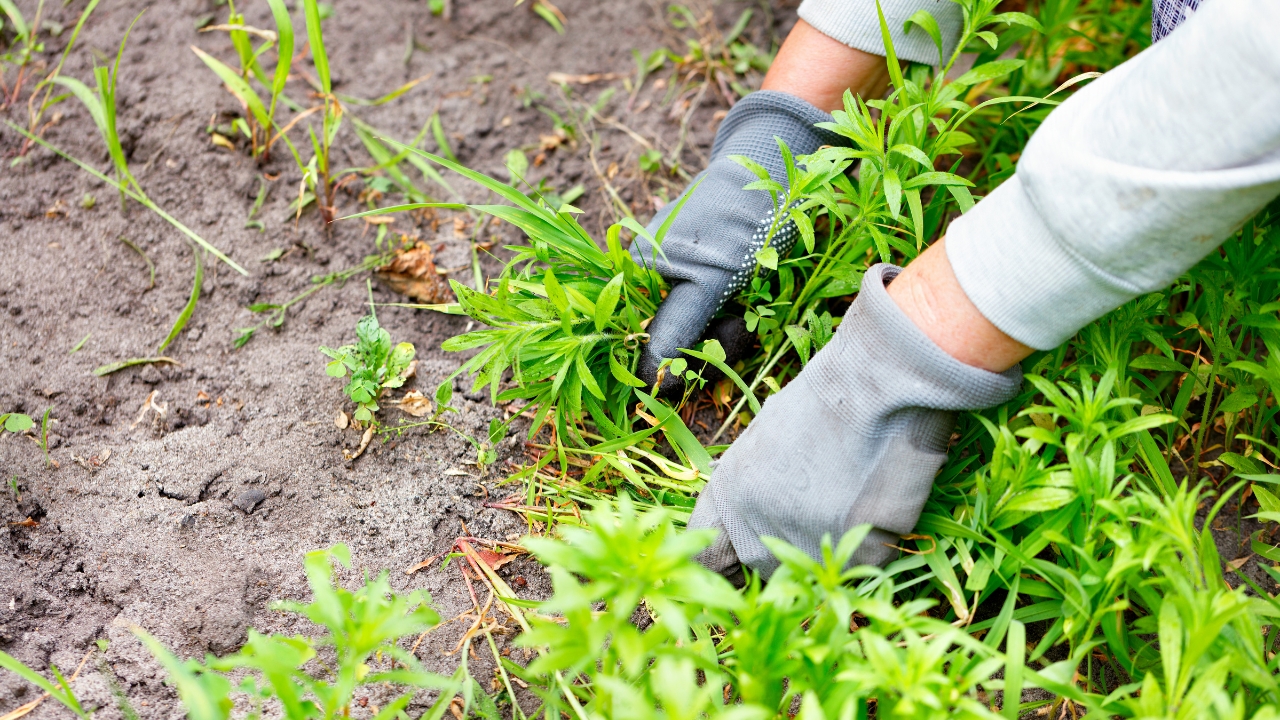
Weeds make everything look neglected, even if you’re keeping up in other areas. Once they get a foothold, they spread fast and choke out the stuff you actually want growing. It doesn’t take long for things to look overgrown and sloppy.
Stay on top of it with regular weeding, mulching, and a pre-emergent in early spring. The front yard doesn’t have to be spotless, but it shouldn’t look like it’s been abandoned either.
Planting Without a Plan
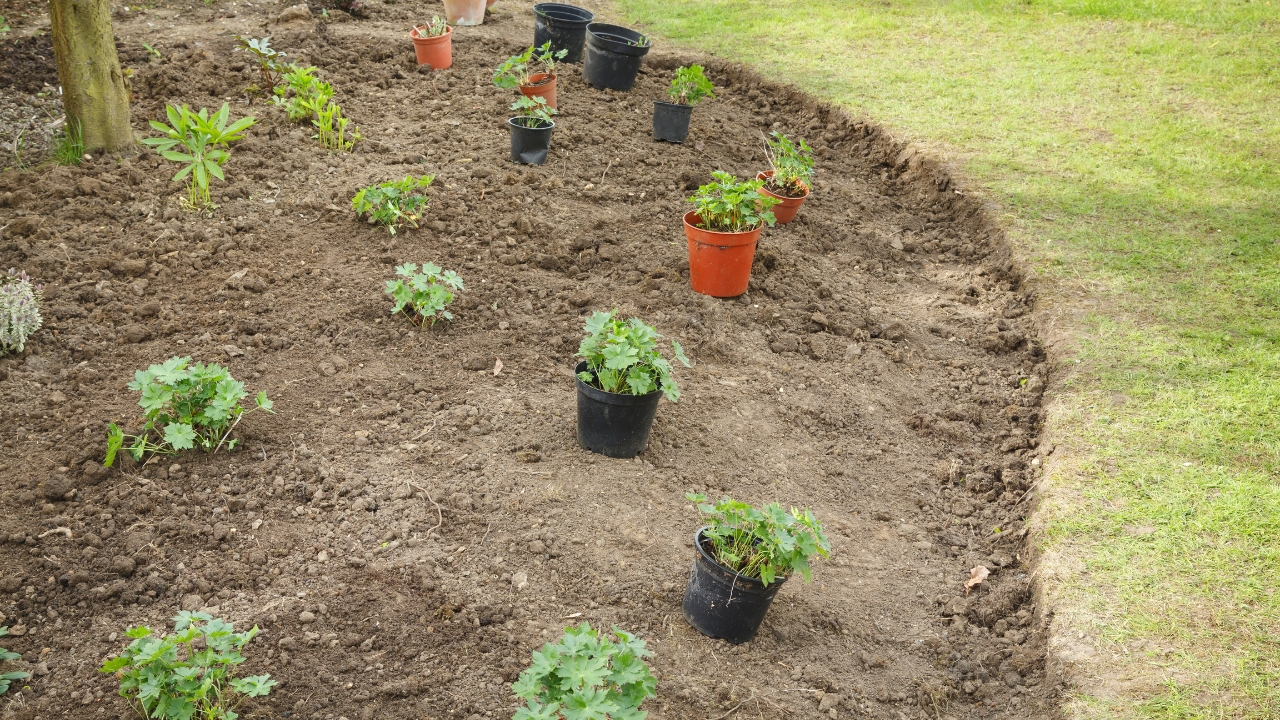
It’s tempting to grab whatever looks good at the store and stick it in the ground, but that random approach usually backfires. You’ll end up with clashing colors, awkward spacing, or plants that outgrow the area.
Take the time to think through your layout. Know how big each plant gets and how much light and water it needs. Group stuff that works well together, and leave room for growth. It’ll save you a lot of ripping and replanting later on.
Overgrown Shrubs and Trees

Nothing drags down curb appeal like bushes swallowing your front windows or tree limbs hanging too low over the driveway. It makes your place look smaller and unkept.
Trim things back a couple times a year. Keep trees lifted and hedges shaped so they don’t block views or crawl all over the siding. You don’t have to make them perfect—just keep them from taking over.
Ignoring the Edges

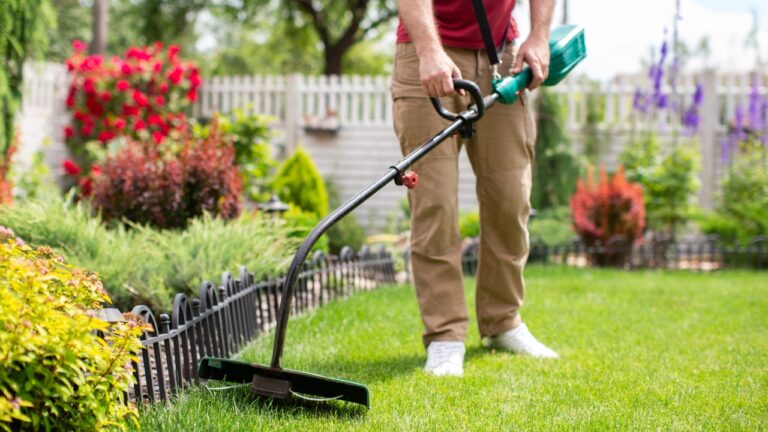
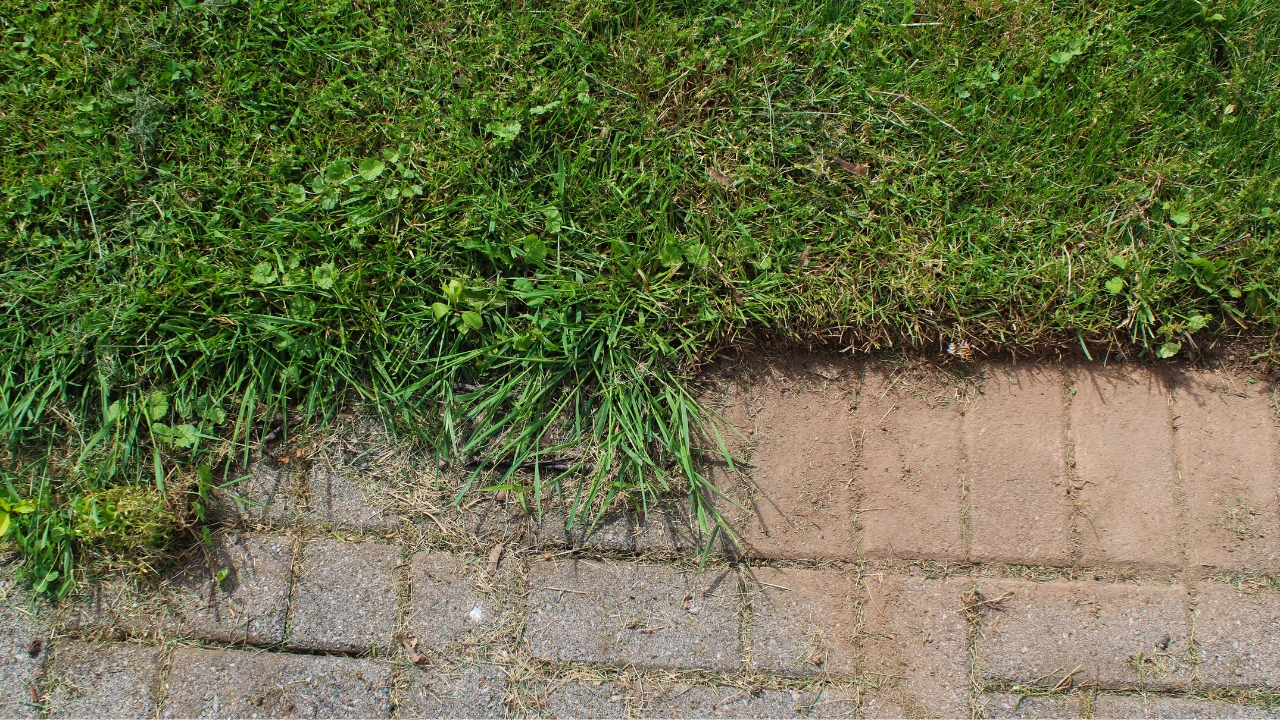
Clean edges make a big difference. If the lawn’s creeping into the flower beds or gravel’s spilling into the grass, it all starts looking messy. It’s one of those details folks notice even if they don’t realize it.
Use a spade or edging tool to keep lines clear and defined. Whether it’s grass, mulch, or stone, giving everything a proper border helps the whole yard look more intentional and maintained.
Poor Drainage
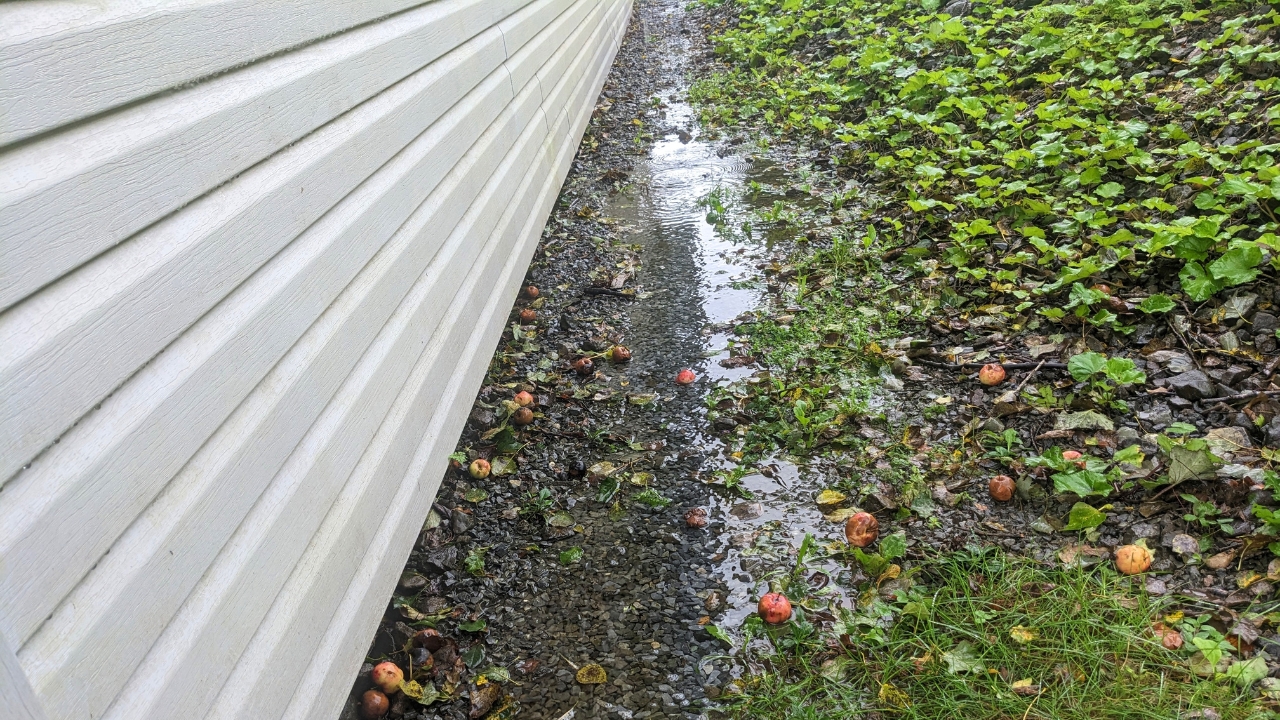
If water’s pooling near your house or running across your lawn every time it rains, it’s not just an eyesore—it’s a problem. You’ll end up with dead patches, erosion, and even foundation issues if it’s close to the house.
Keep an eye out for low spots and standing water. French drains, dry creek beds, or redirecting downspouts can help move water where you want it. Good landscaping should work with the land—not fight against it.
Too Much Lawn, Not Enough Interest
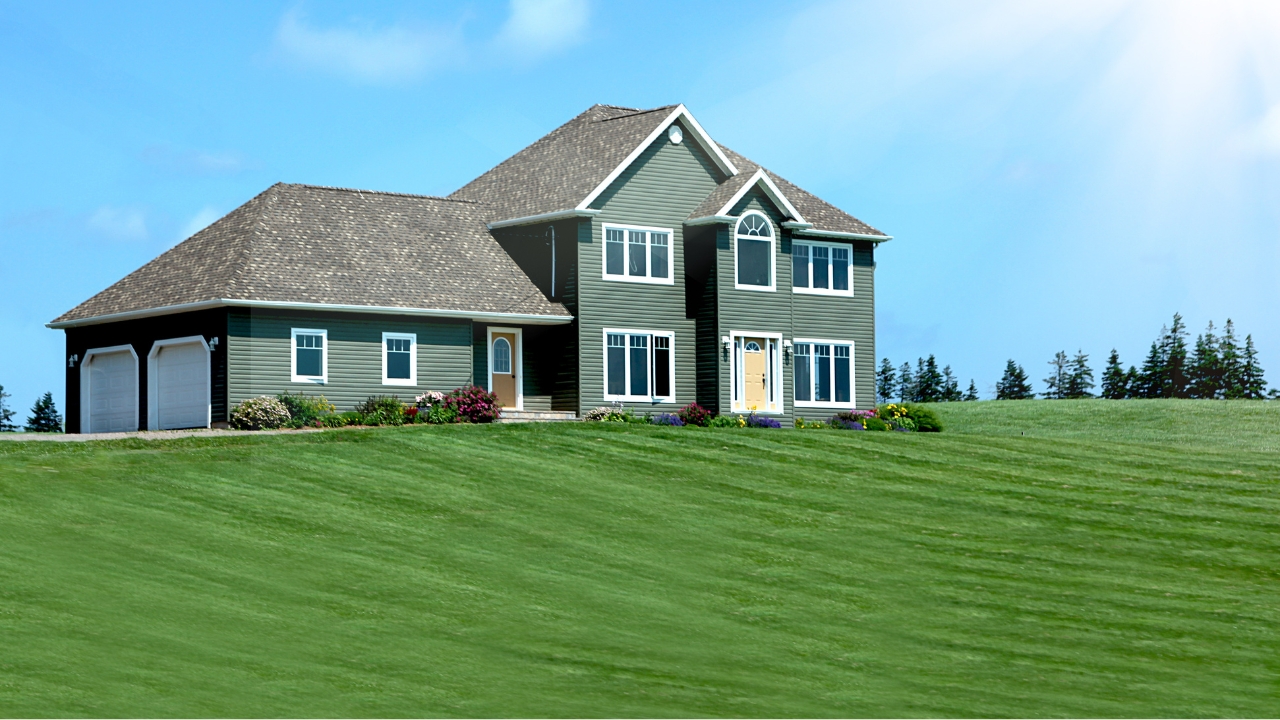
A wide, plain lawn might seem clean, but it can also look flat and boring. Without trees, beds, or textures to break it up, the yard ends up looking like a blank slate no one’s finished.
Add a few simple features—raised beds, a couple small trees, or even a curved path. It doesn’t take much to make things feel more welcoming. You want some structure to balance out all that open grass.
Wrong Plants in the Wrong Spot
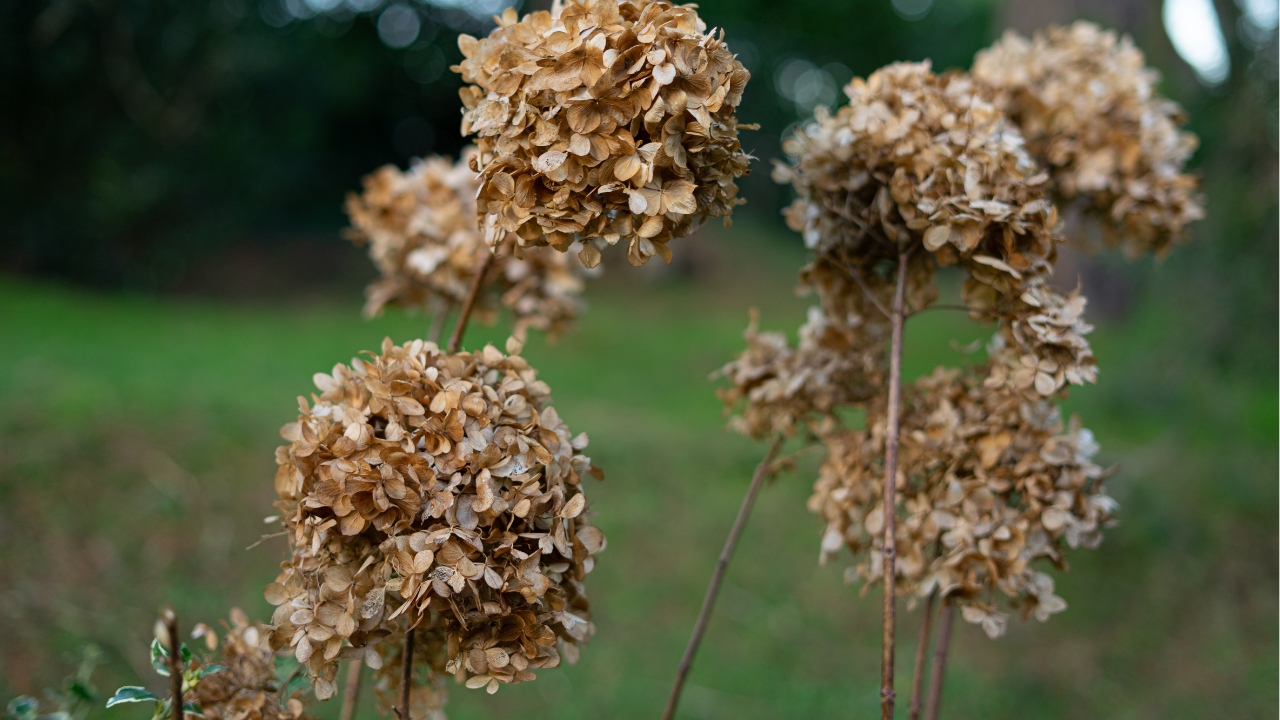
Sun-loving plants won’t thrive in shade, and thirsty plants struggle in dry corners. If something’s always dying or looking rough, it’s probably not in the right spot to begin with.
Pay attention to what each area of your yard actually offers—how much sun, how wet it stays, and what kind of soil you’re working with. Choosing plants that naturally suit those conditions will save you time, money, and stress.
Letting Mulch Get Out of Hand

Mulch is great for keeping weeds down and holding moisture, but too much of it—or using the wrong kind—can hurt more than it helps. Piling it up around tree trunks or burying your plants can cause rot and invite pests.
Stick to a 2-3 inch layer and keep it pulled back from stems and trunks. Skip the dyed stuff if you can—it breaks down poorly and looks fake fast. Go with natural mulch and freshen it up once a year.
Forgetting to Maintain Hardscaping
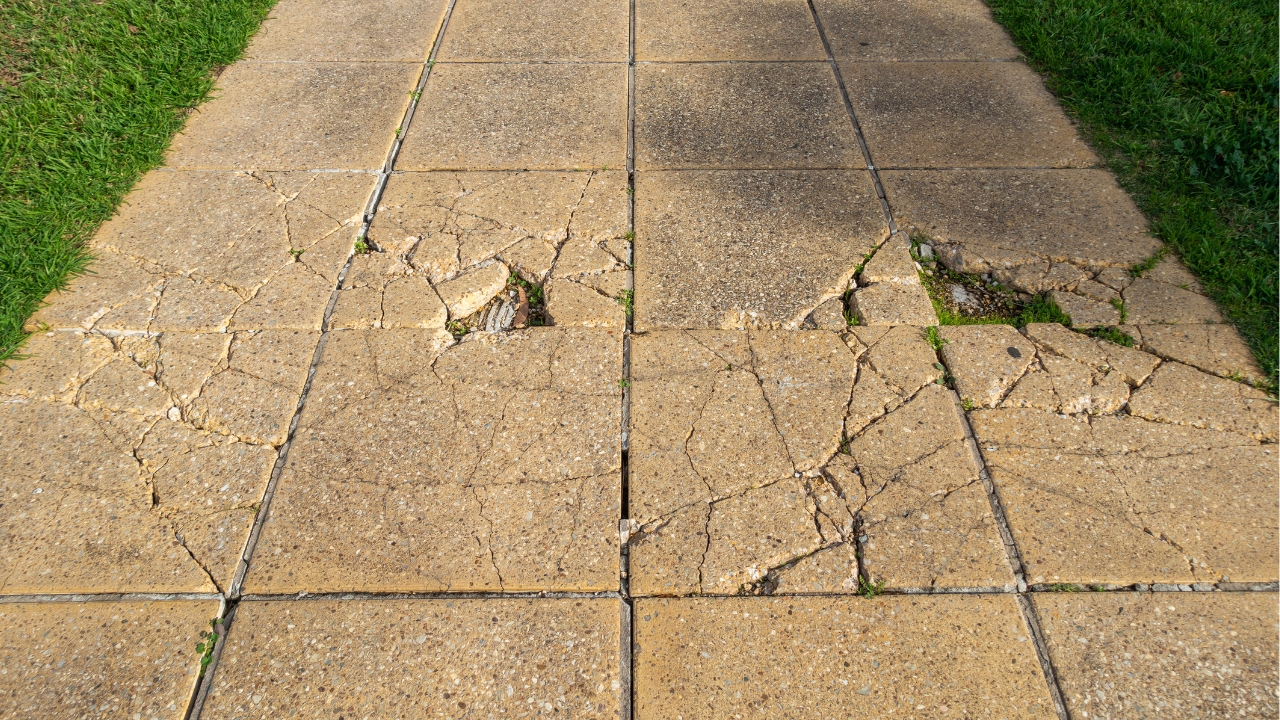
Cracked walkways, leaning pavers, or broken edging might seem minor, but they stand out. Over time, they make the whole yard look ignored. People notice when things are falling apart—even if the grass is green.
Take care of the small repairs. Reset that loose stone, patch the concrete, and sweep off the walkway. It doesn’t have to be perfect, but it should look like someone actually lives there and gives a darn.
Like Fix It Homestead’s content? Be sure to follow us.