9 soil mistakes that ruin a garden long-term
Healthy soil is the foundation of every successful garden. If the soil is weak, compacted, or off balance, your plants will never reach their potential. Too often, gardeners focus on the plants and overlook the dirt they’re growing in. These are the soil mistakes that can wreck a garden for years to come.
Skipping Soil Testing
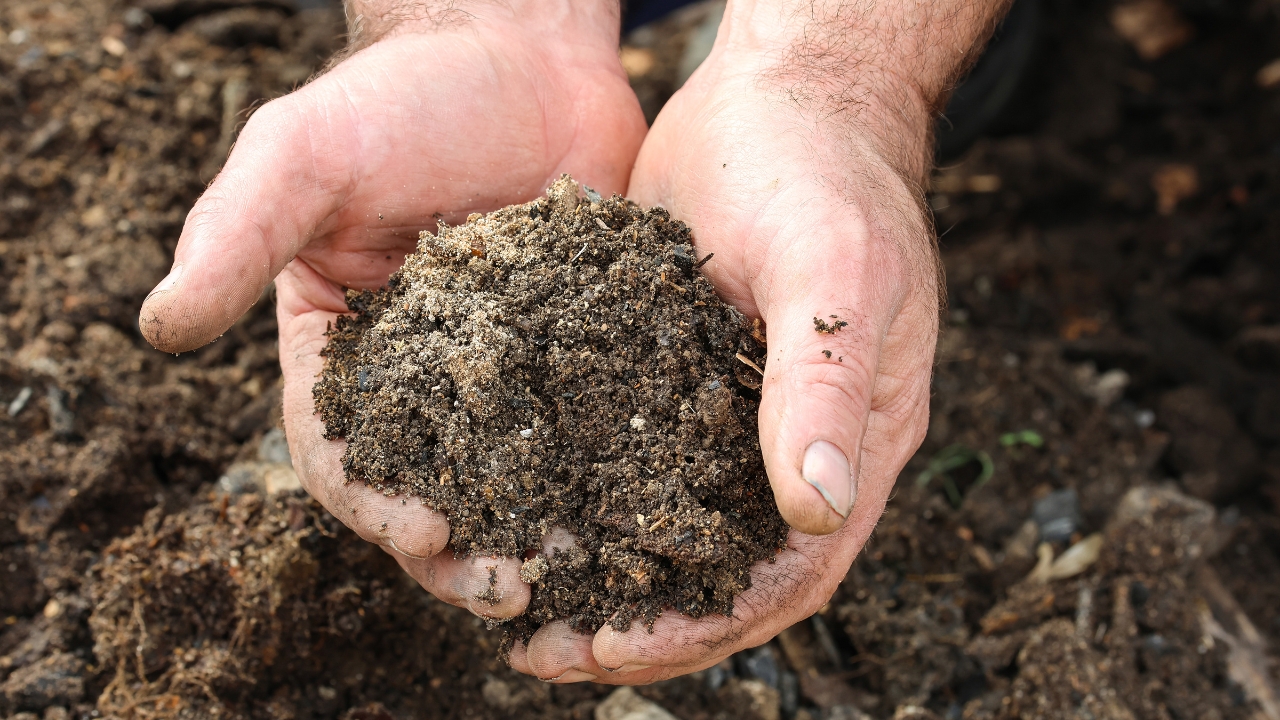
Guessing what your soil needs leads to wasted fertilizer and poor results. Without testing, you don’t know the pH balance or nutrient levels.
A simple test kit reveals what’s missing so you can add the right amendments. Landscapers and gardeners alike know this step saves time and money.
Overusing Fertilizer
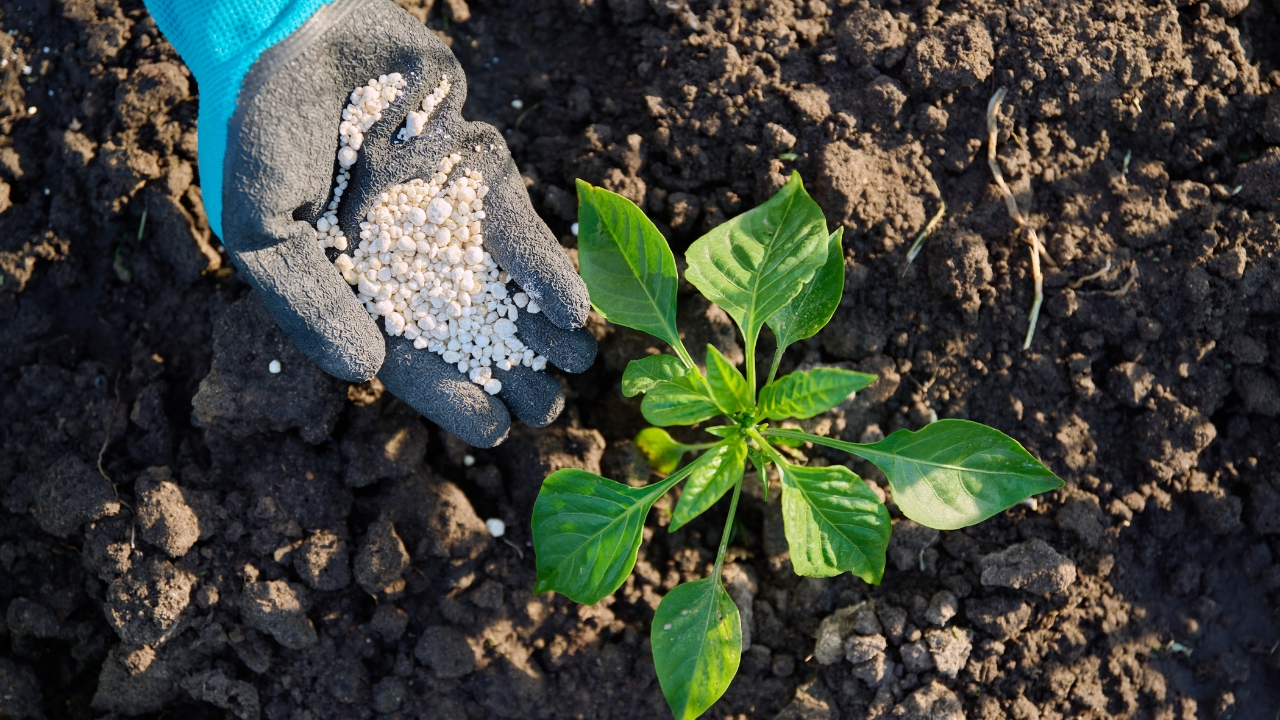
Too much fertilizer can harm plants and damage the soil long-term. Excess nutrients run off and disrupt the natural balance underground.
Fertilizing based on test results, not guesswork, keeps the soil healthy while giving plants what they actually need.
Ignoring Organic Matter

Soil without organic matter becomes lifeless. Compost, leaves, and natural mulches feed microbes that support healthy roots.
Skipping this step leaves soil compact and less able to hold water. Over time, plants struggle and yields drop.
Overwatering the Garden
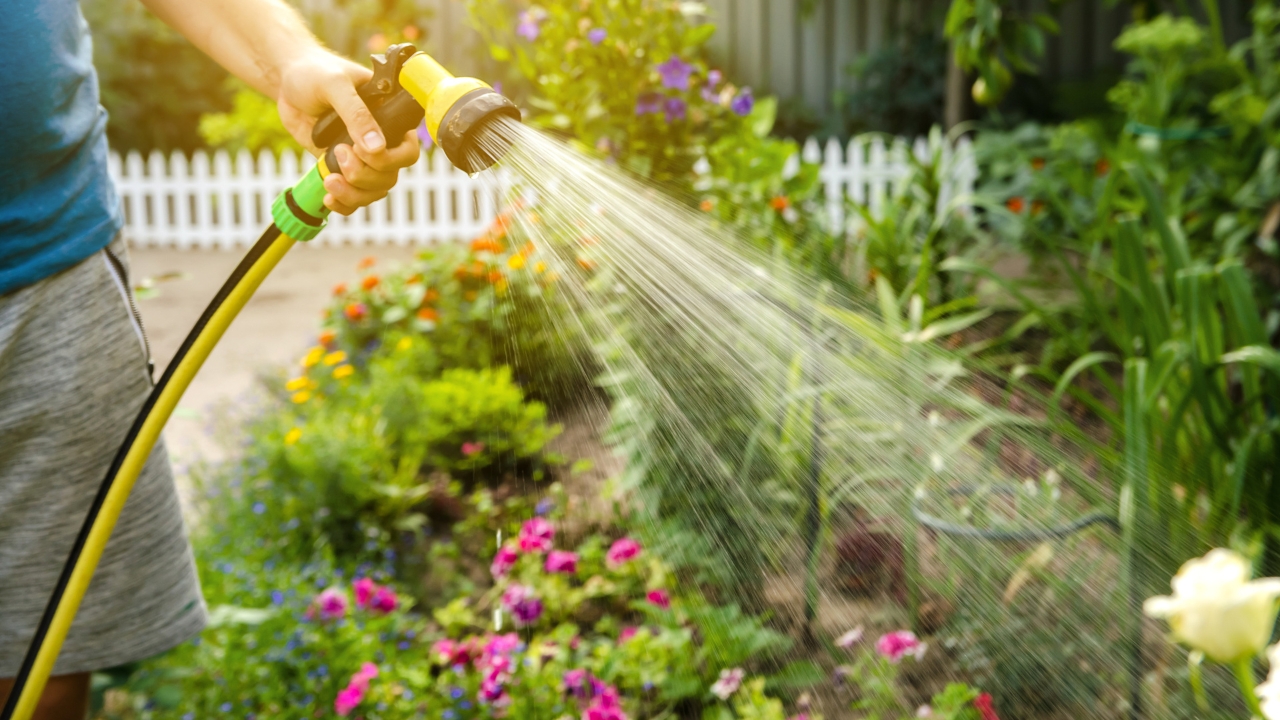
Constantly soggy soil suffocates roots and reduces oxygen levels. Over time, this creates conditions for rot and disease.
Deep, infrequent watering encourages roots to grow stronger and keeps the soil structure intact. Consistency matters more than frequency.
Walking on Garden Beds

Stepping on garden beds compacts soil, crushing the structure roots need to spread. Once compacted, soil takes years to recover.
Keeping pathways separate and avoiding heavy foot traffic in beds protects the ground from long-term damage.
Neglecting Crop Rotation

Growing the same plants in the same spot year after year depletes nutrients and invites pests that target those crops.
Rotating plant families through different sections restores soil balance and keeps gardens healthier long-term.
Removing All Mulch and Debris

Leaving soil bare exposes it to erosion and nutrient loss. Wind and rain wash away the best topsoil when it’s unprotected.
A layer of mulch or cover crops shields soil, holding in nutrients and moisture while preventing long-term degradation.
Relying on Chemicals Alone

Pesticides and herbicides may fix immediate problems, but over time they damage beneficial organisms in the soil.
Healthy soil relies on earthworms, fungi, and microbes. Reducing chemical use keeps that underground ecosystem alive.
Forgetting pH Balance
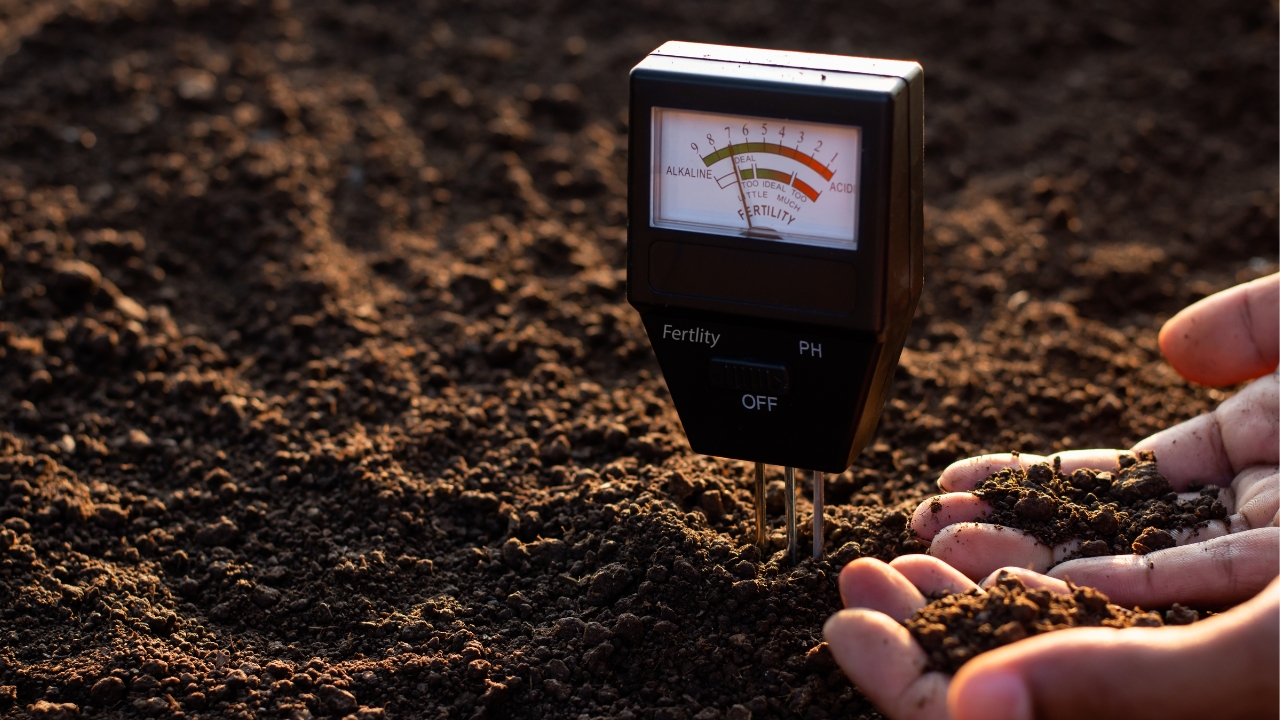
Plants can’t absorb nutrients if the soil pH is too high or too low. Many gardeners overlook this key detail and wonder why plants fail despite fertilizing.
Regular testing and small adjustments with lime or sulfur help keep soil balanced so plants can thrive for years.
*This article was developed with AI-powered tools and has been carefully reviewed by our editors.