9 Things I Always Do Before Burning Wood Indoors
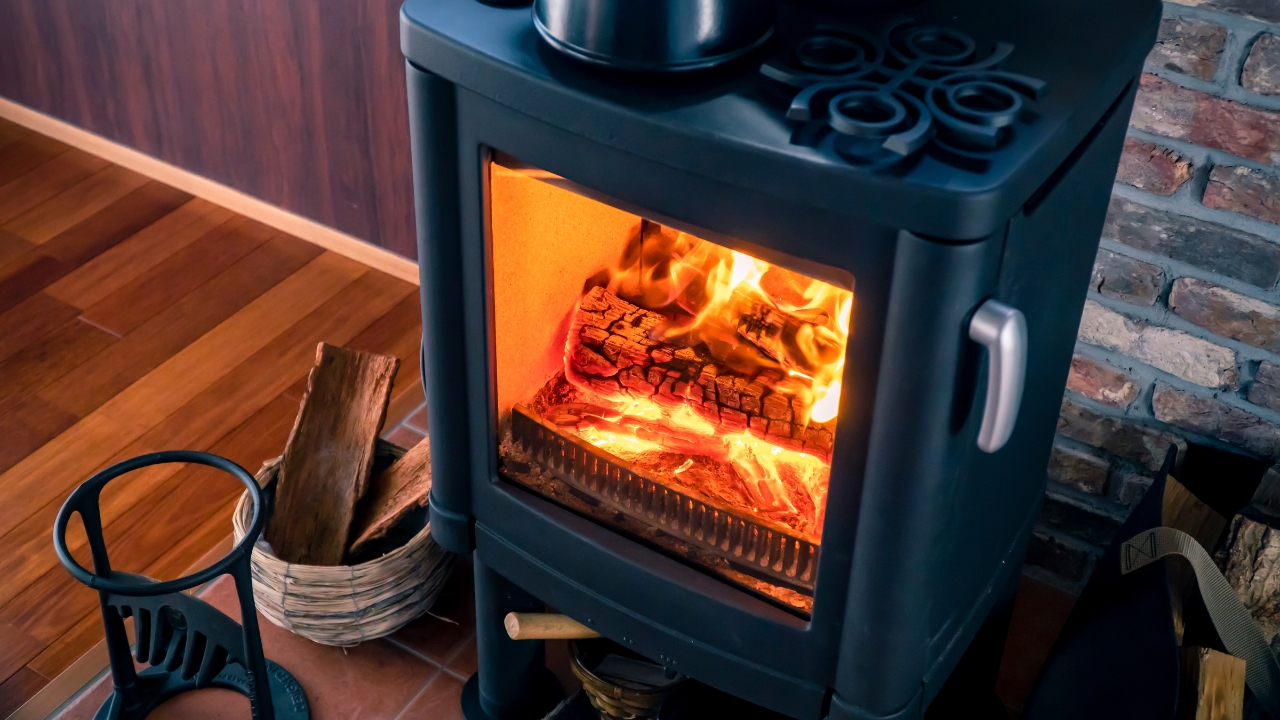
There’s nothing better than a warm fire on a cold day—but there’s a right way to do it if you don’t want to deal with smoke, smells, or worse. Burning wood inside isn’t like tossing logs in the fire pit. It takes a little prep and regular checks to keep things safe and running right.
Here’s what I always make sure to do before lighting a fire in the fireplace or wood stove.
Check That the Chimney Is Clear
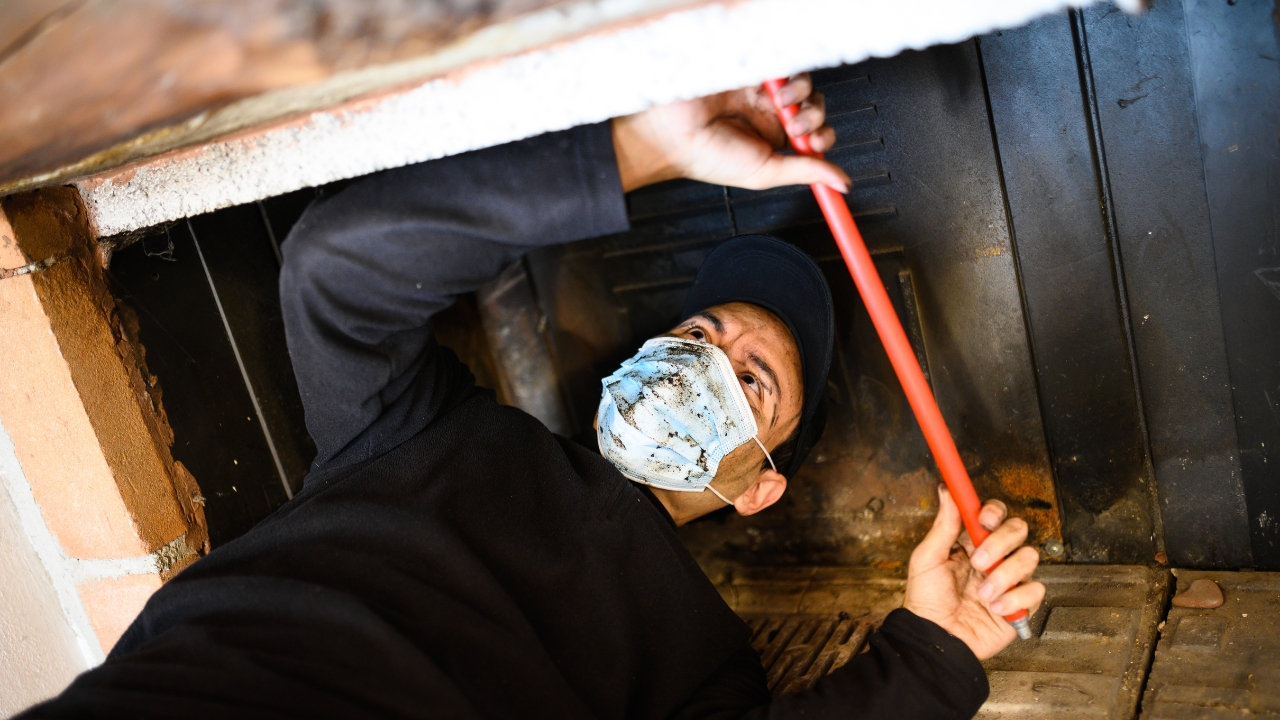
Every season, I make sure the chimney’s clean and clear before lighting that first fire. Creosote buildup is no joke—it’s one of the biggest causes of chimney fires.
I either clean it myself with a brush kit or have a pro come out once a year. Even if you haven’t burned much, birds or debris can block the flue and trap smoke inside the house.
Open the Damper
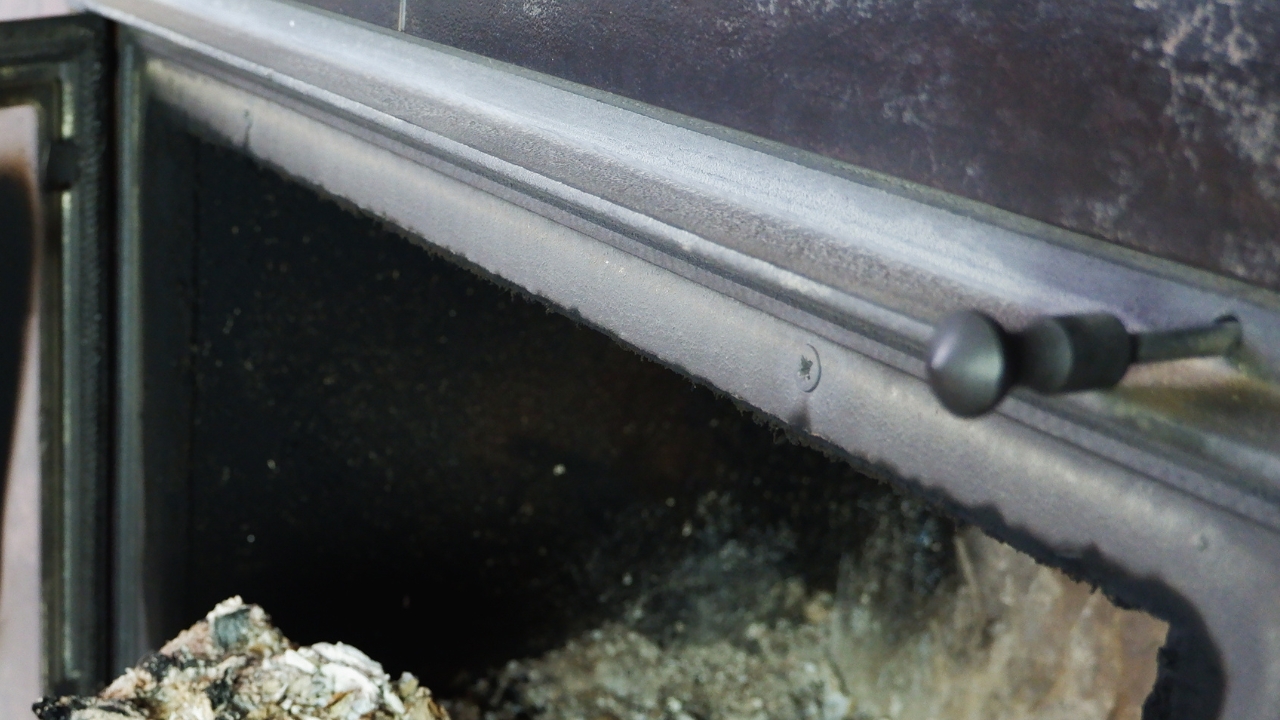
It sounds simple, but it’s easy to forget. I always double-check that the damper is wide open before lighting anything. If it’s closed, you’ll know fast—your house will fill with smoke.
Once the fire’s going and the draft is strong, you can adjust it slightly. But starting with it fully open gives the fire enough airflow to burn clean and hot.
Use Dry, Seasoned Wood
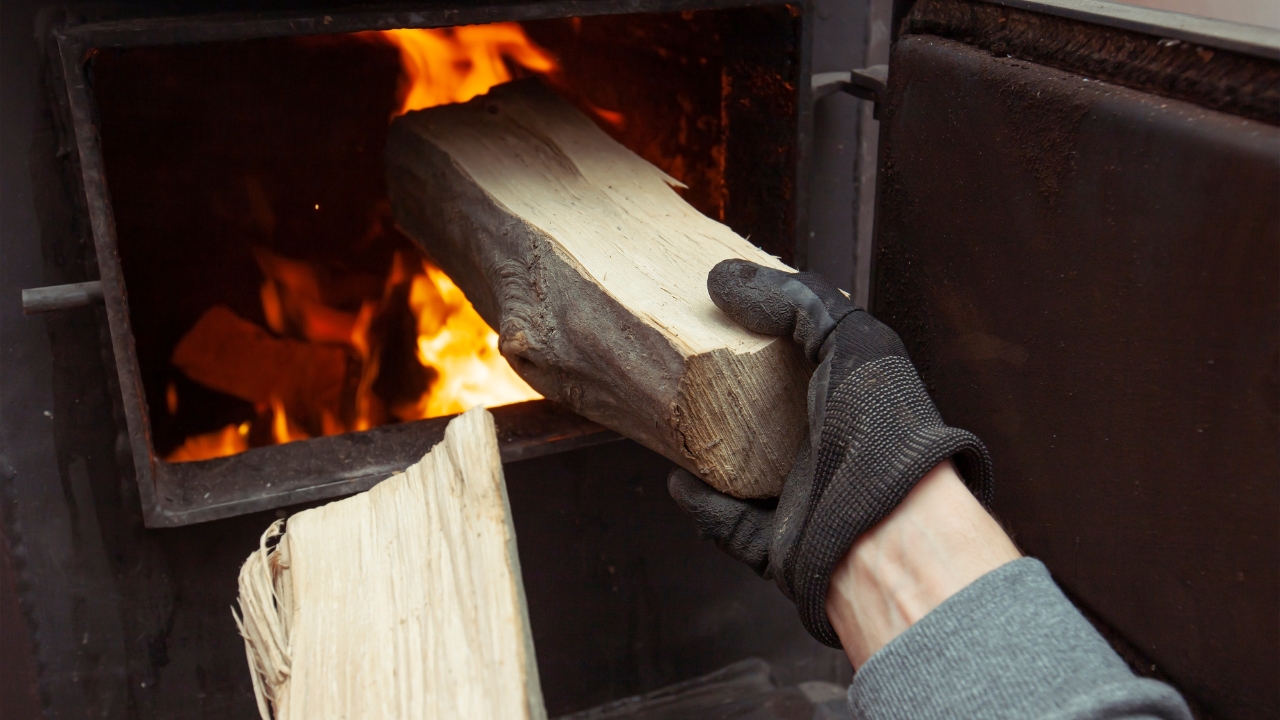
Burning green or damp wood is a recipe for creosote and frustration. It smokes too much, doesn’t burn hot, and leaves behind a mess.
I always test my firewood by looking for cracks in the ends and knocking pieces together to hear a sharp sound. If it’s still heavy or smells sappy, it’s not ready yet.
Clean Out Old Ash
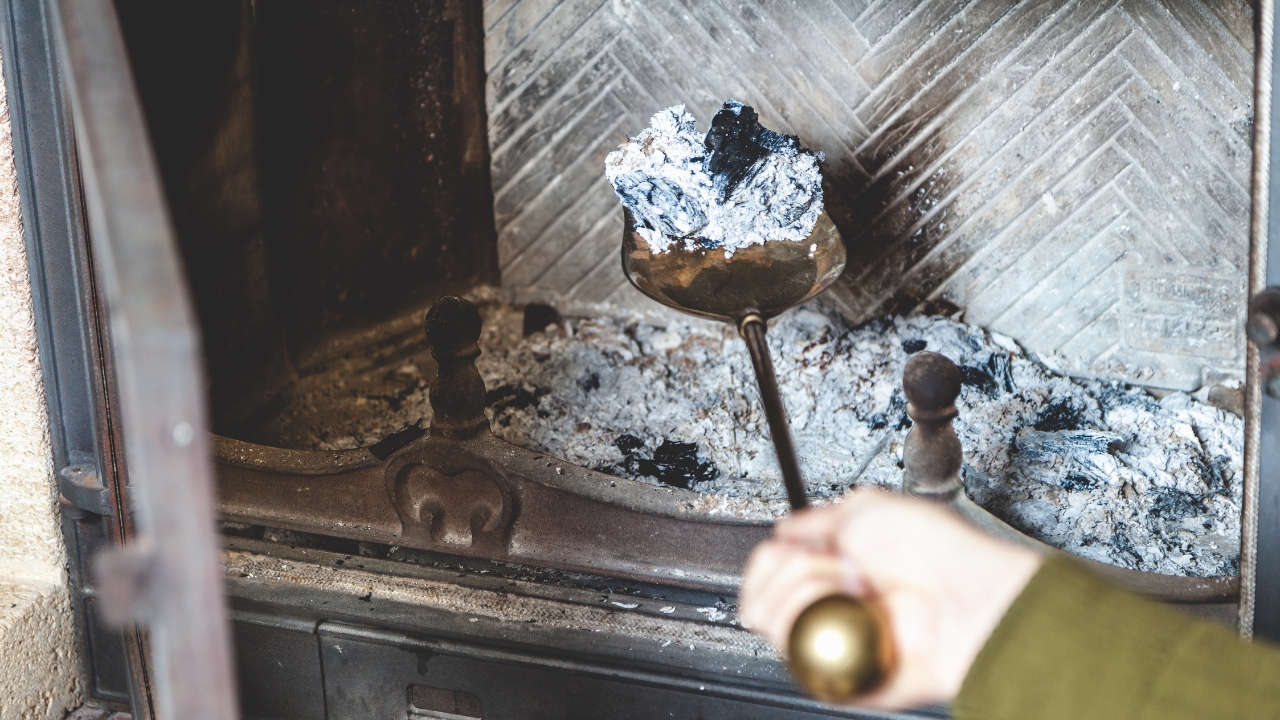
Before I build a fire, I scoop out any leftover ash from the last burn. A small layer is fine—it helps insulate heat—but too much will smother the new fire and make it harder to manage.
I keep a metal ash bucket nearby and wait until everything is stone-cold before moving it. Don’t dump it in the trash—those embers can hang around longer than you think.
Prime the Flue
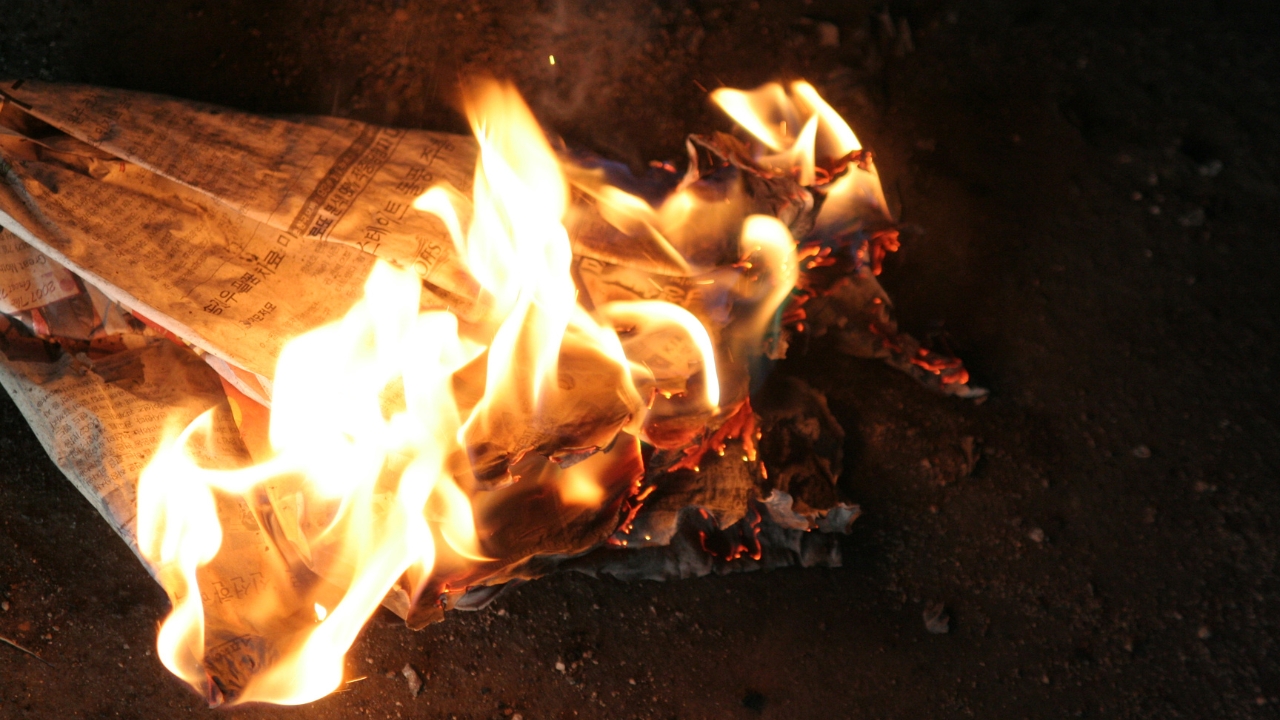
If it’s really cold outside, I’ll light a rolled-up piece of newspaper and hold it up inside the flue for 30 seconds or so. It warms up the air and helps the draft flow in the right direction.
If you skip this step, your fire might send smoke back into the room before the draft kicks in. It’s a quick step, but it makes a big difference in how well your fire starts.
Keep a Fire Extinguisher Nearby
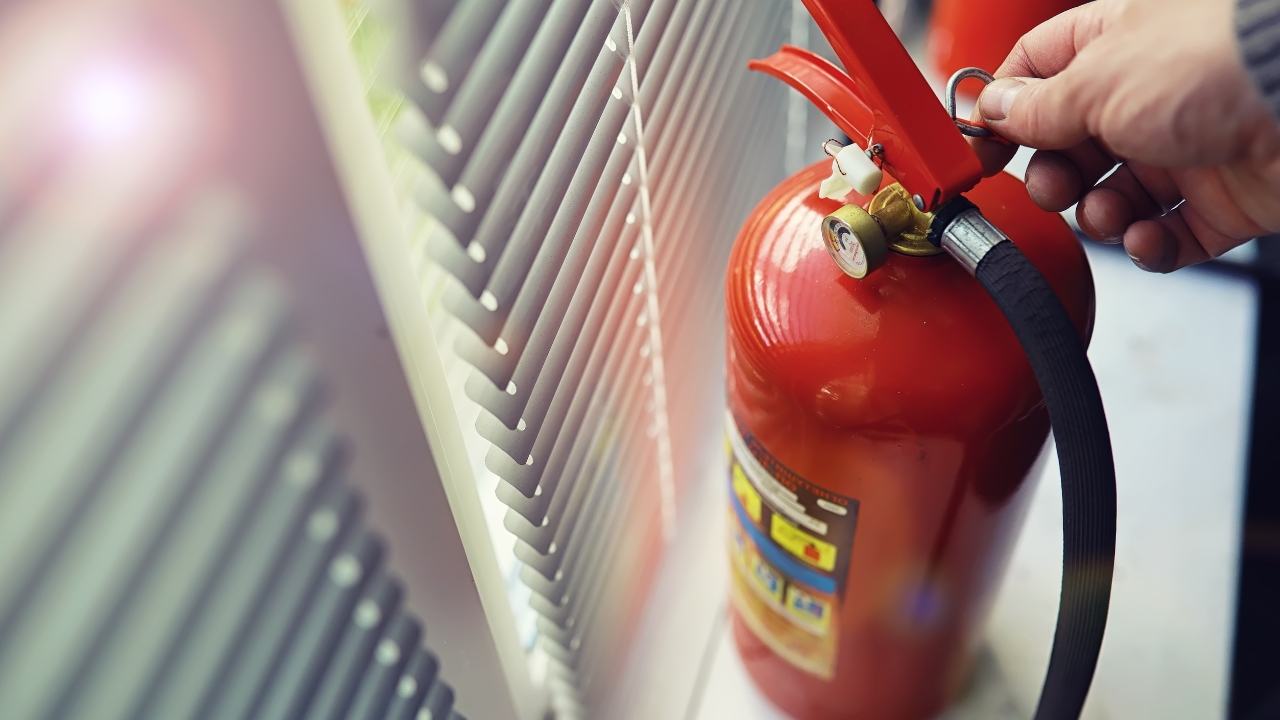
This is one of those things you hope you never need—but I always make sure we have a working fire extinguisher close by, just in case.
It’s not about being paranoid—it’s about being ready. I check the gauge every fall and make sure the kids know where it is too. Fires are great… until they’re not.
Move Anything Flammable
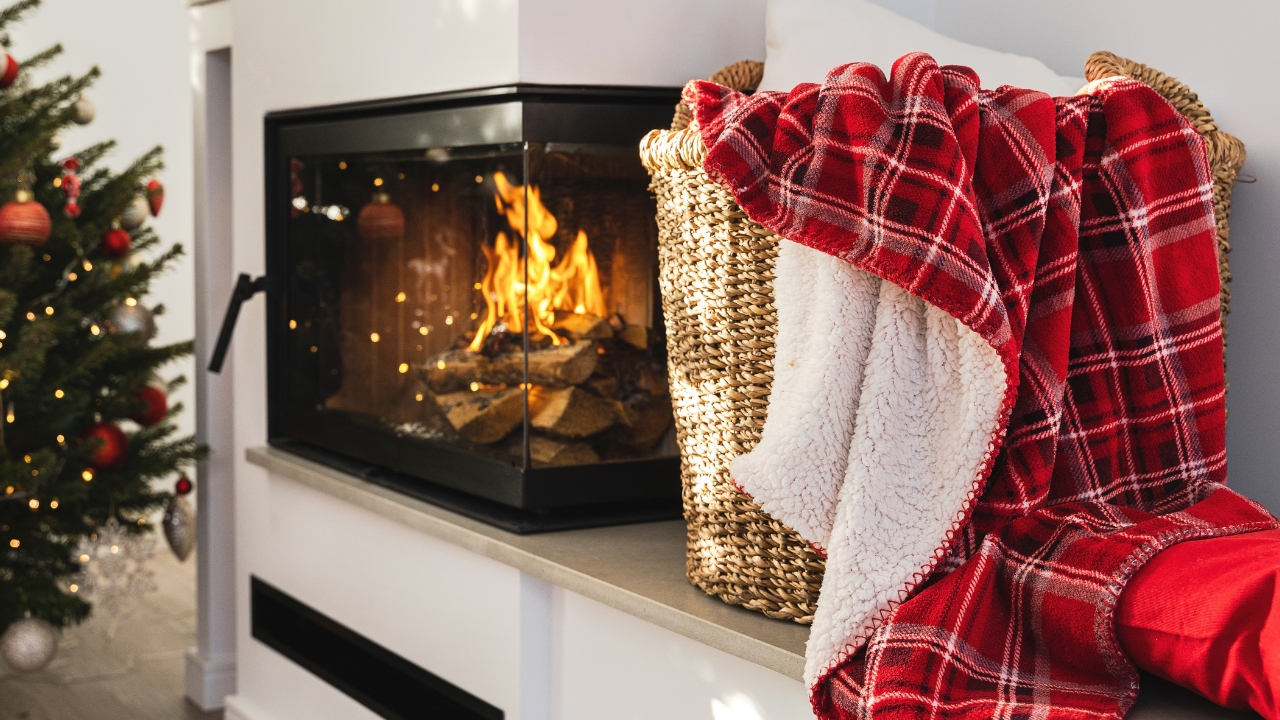
Throw blankets, paper, firewood piles—anything that could catch needs to be kept a few feet away from the fireplace or stove. I make a quick sweep of the area before lighting up.
It’s easy to forget how far a spark can jump. Even a hot log rolling out can be enough to start trouble if the space around the fire isn’t clear.
Crack a Window (If Needed)

If your house is sealed up tight for winter, sometimes it helps to crack a window nearby for better airflow. It gives the fire the oxygen it needs and keeps the smoke moving up the chimney.
This is especially helpful when you’re lighting the first fire of the season or if you’ve recently upgraded insulation. You don’t need to freeze—just an inch or two can do the trick.
Stack the Fire Right
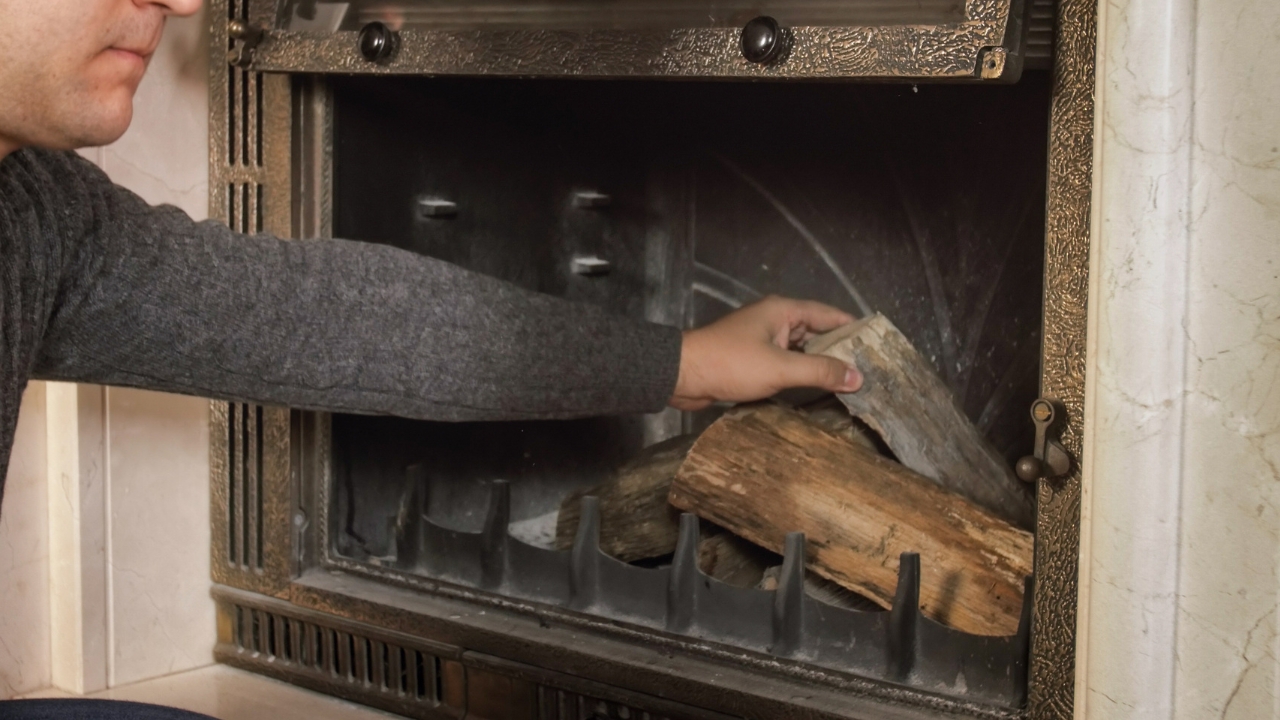
I don’t just throw logs in and hope for the best. I take a minute to build it properly—kindling on the bottom, smaller logs next, then larger ones on top. That way, it lights fast and burns steady.
A good setup means less smoke, better airflow, and fewer headaches trying to get it going. I’ve learned that taking an extra minute here saves me a lot of time later.
*This article was developed with AI-powered tools and has been carefully reviewed by our editors.