What You Should Do Before You Leave the Animals for the Weekend
Photo credit: Budimir Jevtic/Shutterstock.com
Even if you’re only gone a couple of days, things can go sideways fast on a homestead. A busted fence, a dry water trough, or a sick animal can all go unnoticed if no one’s keeping an eye on it. A little prep goes a long way toward making sure you’re not coming home to a disaster.
You don’t need to overthink it—but there are a few things you absolutely shouldn’t skip before pulling out of the driveway.
Double-Check All Water Sources
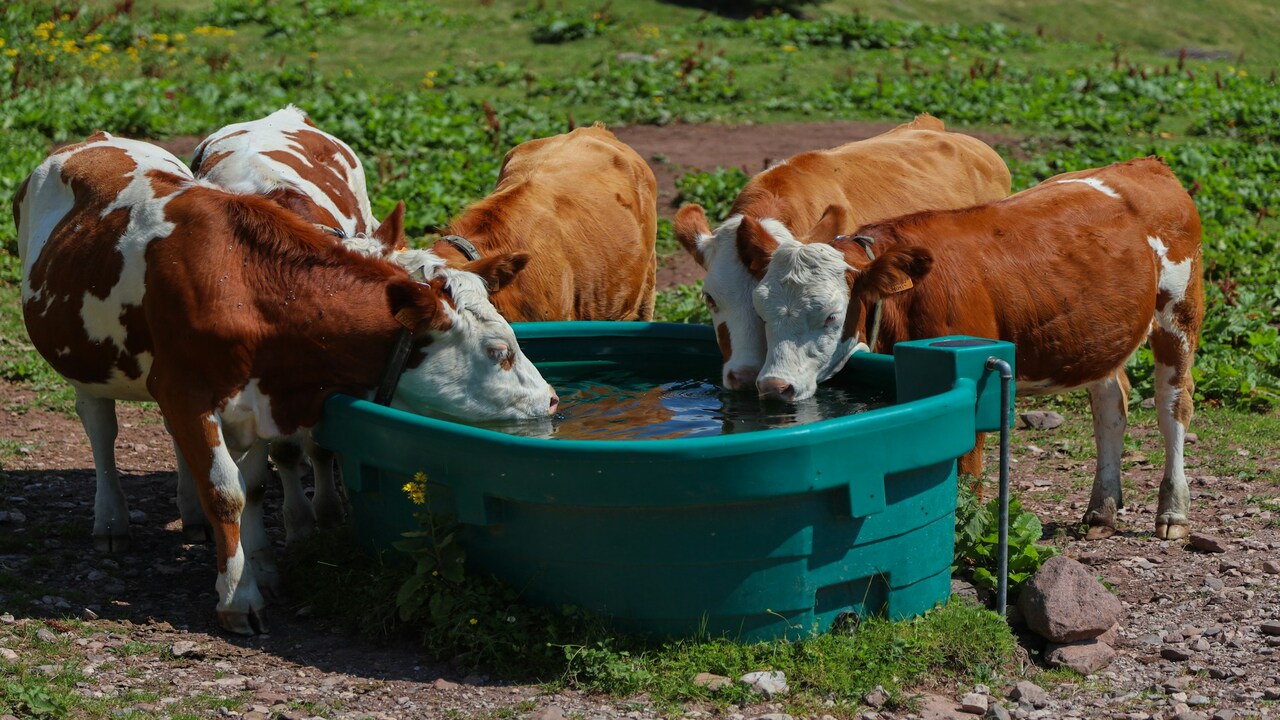
Don’t assume the automatic waterers are doing their job. Walk the line, check float valves, and make sure nothing’s clogged. If you’re using buckets or troughs, top them off and check for cracks or algae buildup.
Even if you’ve never had an issue before, a hot day and a slow leak can leave animals bone-dry by the second morning. And once they’re out of water, things can go downhill quick—especially with pigs or poultry.
Leave Extra Feed in Reach

Fill every feeder and leave backup rations nearby in rodent-proof containers. You don’t want whoever’s watching your place digging around in your feed room or rationing wrong because they ran out.
Even if no one’s helping out, a little extra gives you wiggle room if your return is delayed. Cattle, goats, chickens—it doesn’t matter. Hungry animals get loud, destructive, or both.
Reinforce Fences and Gates
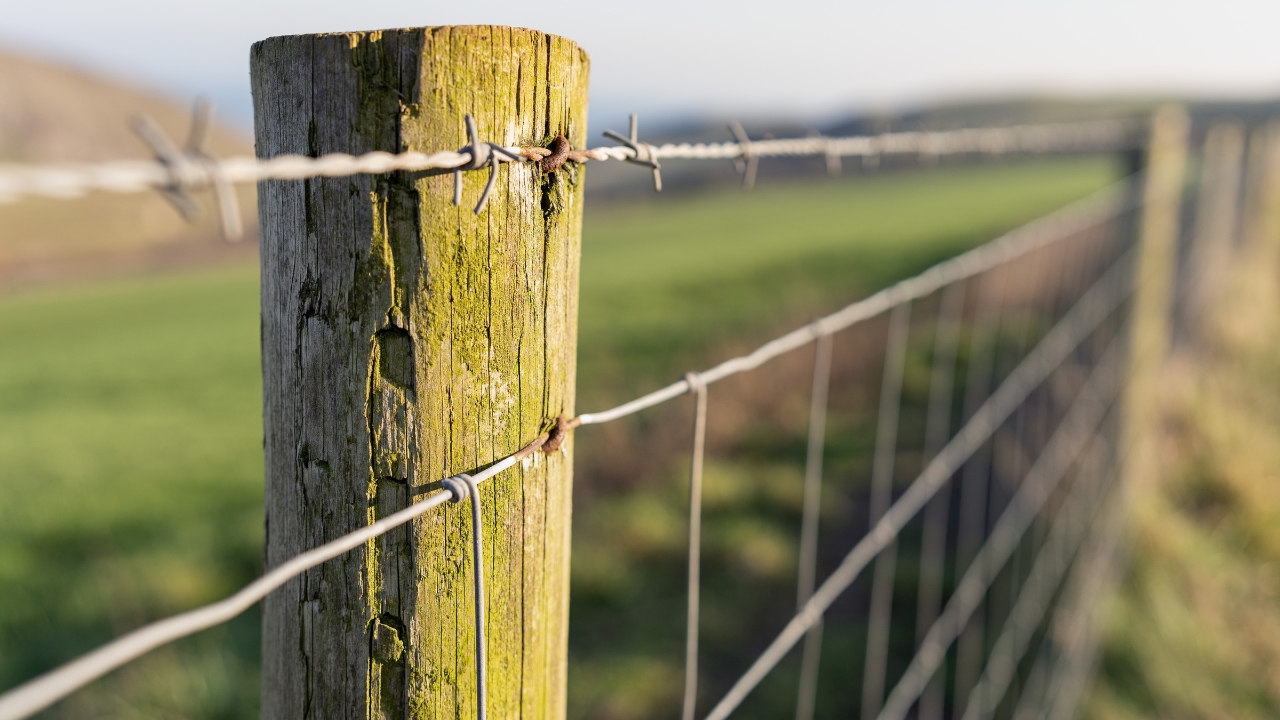
Animals will test a weak spot if they’re bored, lonely, or spooked. Walk the perimeter before you leave. Look for sagging wire, loose hinges, or anything they could push through.
If a fence gives out while you’re gone, you might come home to hoof prints in your garden—or worse, a call from your neighbor. Zip ties and scrap boards can save you from a real mess.
Set Up Shade and Shelter
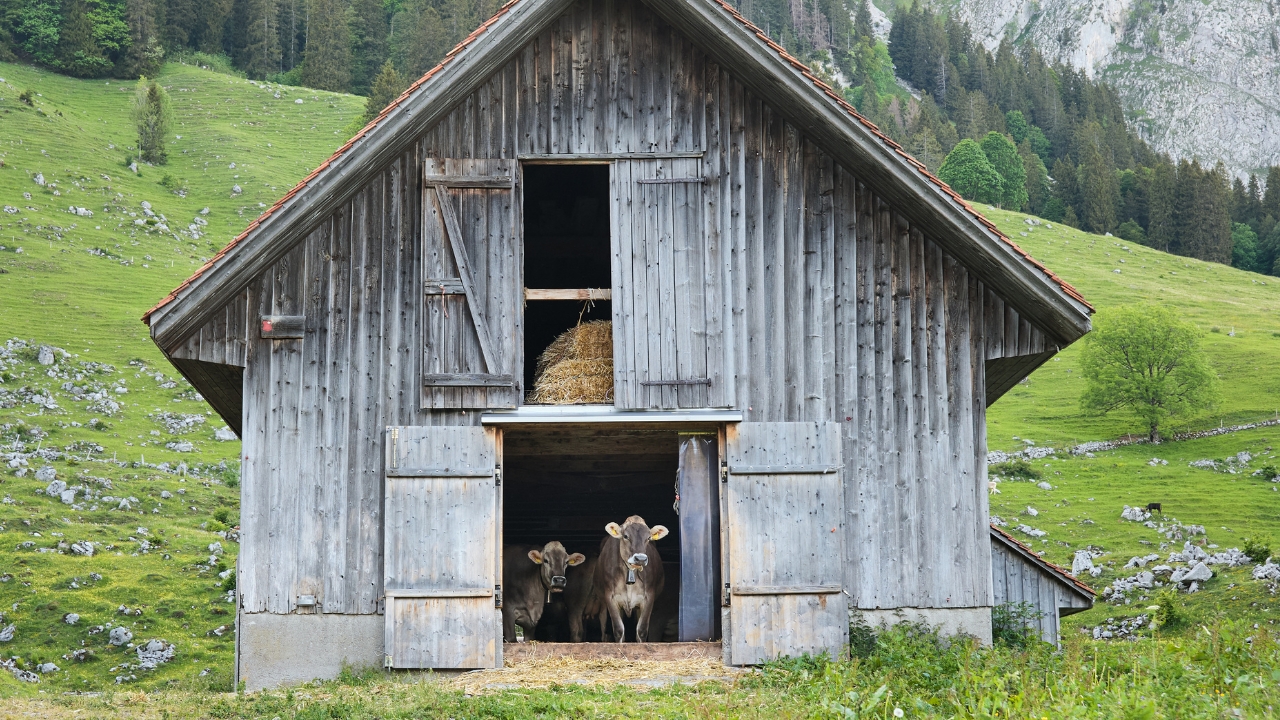
If there’s a chance of heat, storms, or cold snaps, make sure your animals have cover they can actually access. It’s not enough that a structure exists—it needs to be usable and inviting.
Walk in and look for sharp edges, standing water, or too much crowding. Chickens especially won’t use a space that feels unsafe. Neither will goats if it’s muddy or stinks of ammonia.
Keep Meds and Emergency Supplies Handy
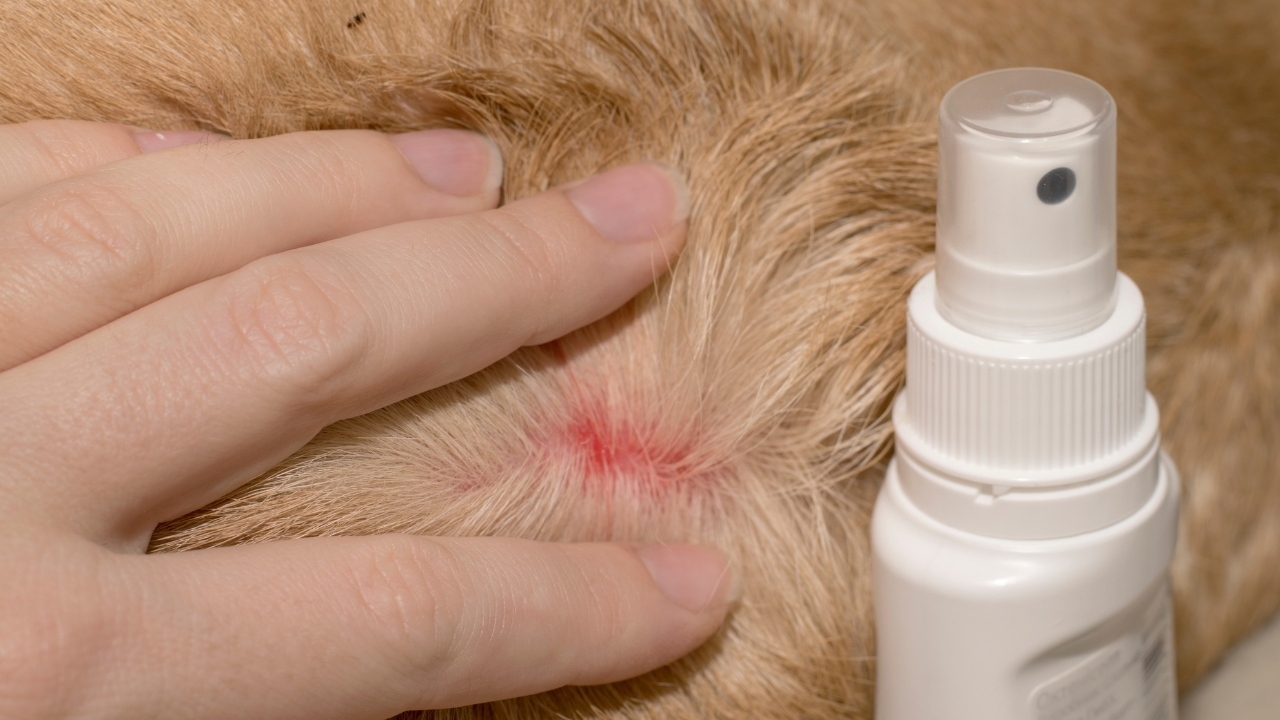
If something goes south while you’re gone, the person checking in needs to know where things are. That includes wound spray, electrolytes, and whatever basic supplies you use often.
Label it, stash it in a clean tote, and write instructions if needed. It doesn’t have to be complicated. But if a chicken gashes her leg or a calf gets dehydrated, you’ll be glad you left the right stuff close by.
Give Someone Eyes on the Place
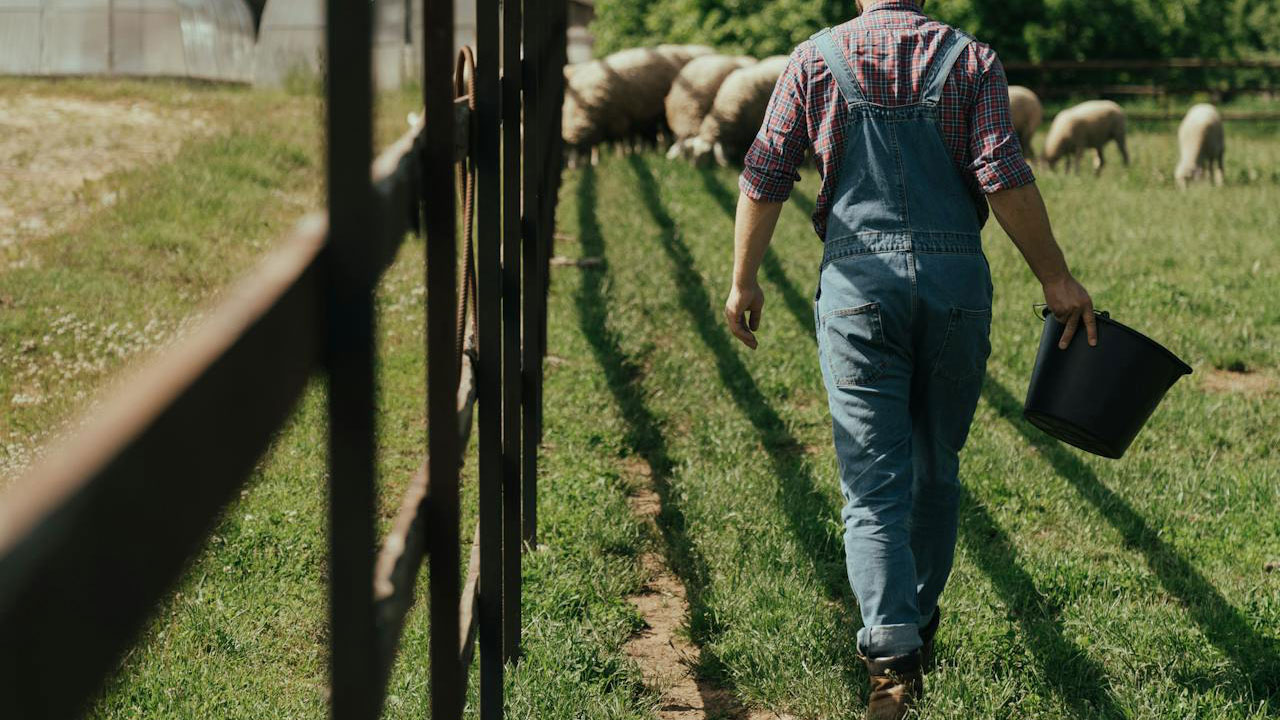
Even if they’re not farm-savvy, a neighbor or friend walking through once a day can spot problems. Give them a checklist and a phone number for backup.
A casual glance at the coop, the water troughs, and the fence line might be all it takes to catch something early. And if they’re comfortable around the animals, that’s even better.
*This article was developed with AI-powered tools and has been carefully reviewed by our editors.