8 Warm-Weather Habits That Can Crack Your Pipes Fast
Photo credit: VVVproduct/Shutterstock.com
When the temps go up, your plumbing might not be the first thing on your mind—but it should be. Pipes don’t only freeze and burst in winter. Heat, pressure, and poor habits during the warmer months can weaken pipes just as fast.
From garden hoses to irrigation setups, a lot of what we do outside in summer can quietly set the stage for a plumbing headache down the road. If you’re not thinking ahead, you might end up with a crack, a leak, or worse.
Letting the Hose Stay Pressurized All the Time
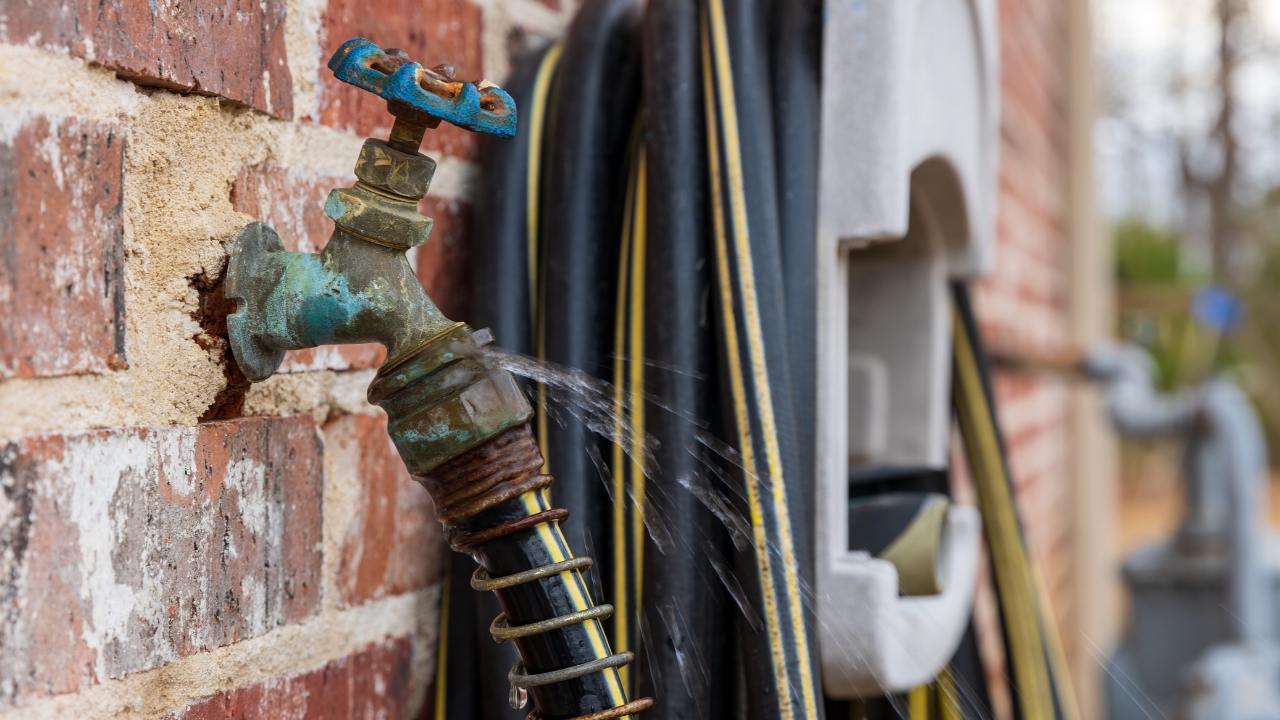
Leaving your hose under constant pressure can strain the fittings and even the pipe it’s connected to. Over time, the pressure builds against seals and connectors that aren’t made to handle it nonstop. If you’ve ever seen a hose bib start dripping for “no reason,” this might be why.
A pressurized hose in the summer sun heats up like crazy, which makes the pressure even worse. Turn it off at the source when you’re not using it. It’ll save you a lot of stress on the whole system.
Burying Pipes Too Shallow in Summer Projects

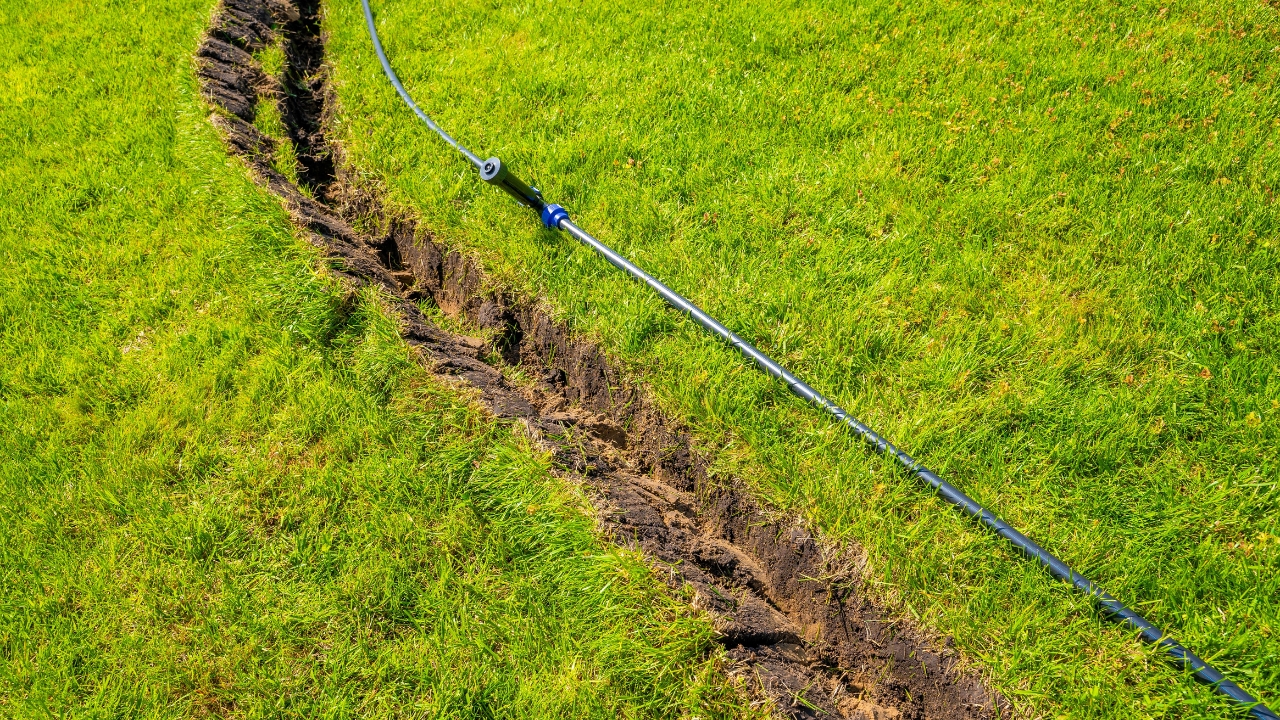
Summer is prime time for digging, but when you’re laying down pipes for sprinklers or irrigation, depth matters. If you go too shallow, the pipes are more exposed to heat, dry soil shifting, and damage from tools or foot traffic.
The top few inches of soil can get brutally hot and dry in full sun. That kind of exposure speeds up wear on plastic piping, making it more likely to crack or warp. Make sure you’re following local depth guidelines—don’t eyeball it.
Skipping Pressure Checks After Hose Repairs

Patch a leaky hose or swap a fitting? That’s fine, but don’t forget to check the pressure afterward. A small kink or bad repair can build pressure in odd places, especially if you’re using attachments like sprinklers or sprayers.
If something’s wrong, you might not notice until it’s put too much stress on the hose bib or nearby pipes. Always run the water, test the flow, and watch for swelling or backflow before walking away from a fix.
Running Hot Water Outside Without Insulation
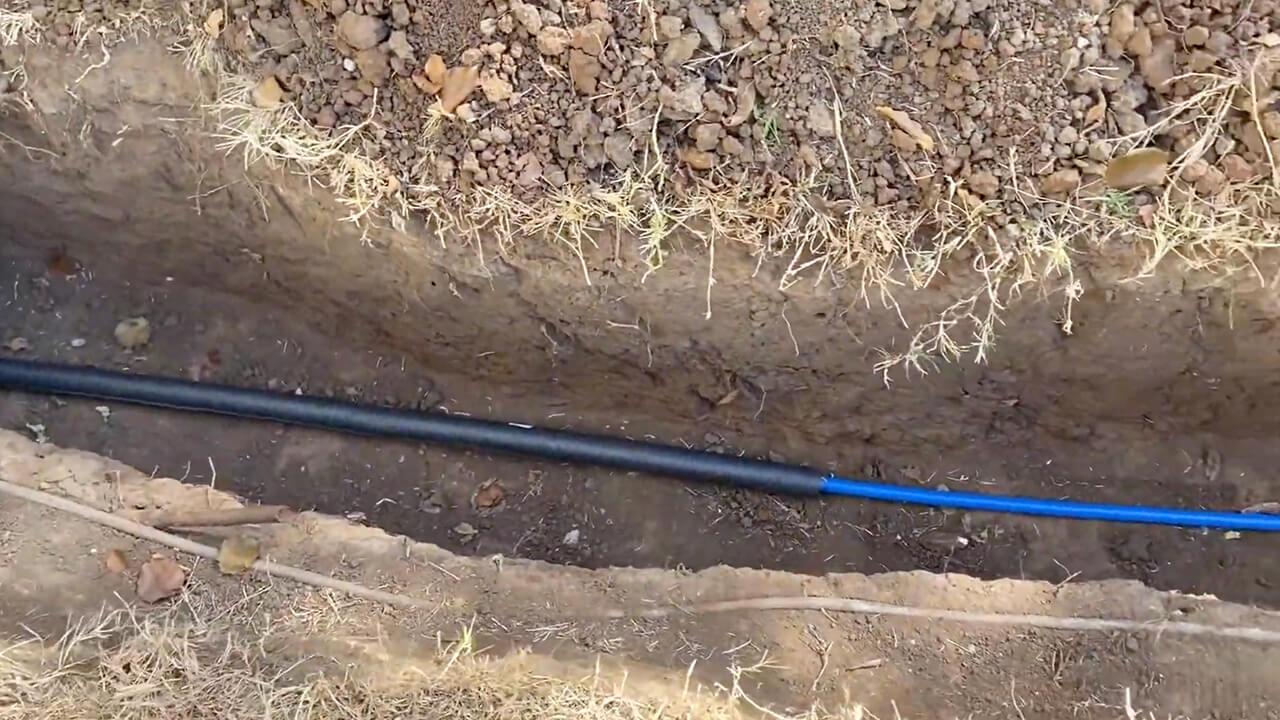
If you’ve got a hot water line running outside—maybe to an outdoor shower or utility sink—it needs insulation even in summer. That heat makes pipes expand and contract constantly, especially when water sits still.
Uninsulated hot water pipes in direct sun wear out faster than you think. Even PEX can start to warp or separate at joints if it’s not protected. A few bucks in insulation wrap can keep you from replacing sections next season.
Letting Plants Crowd Hose Bibs and Pipes
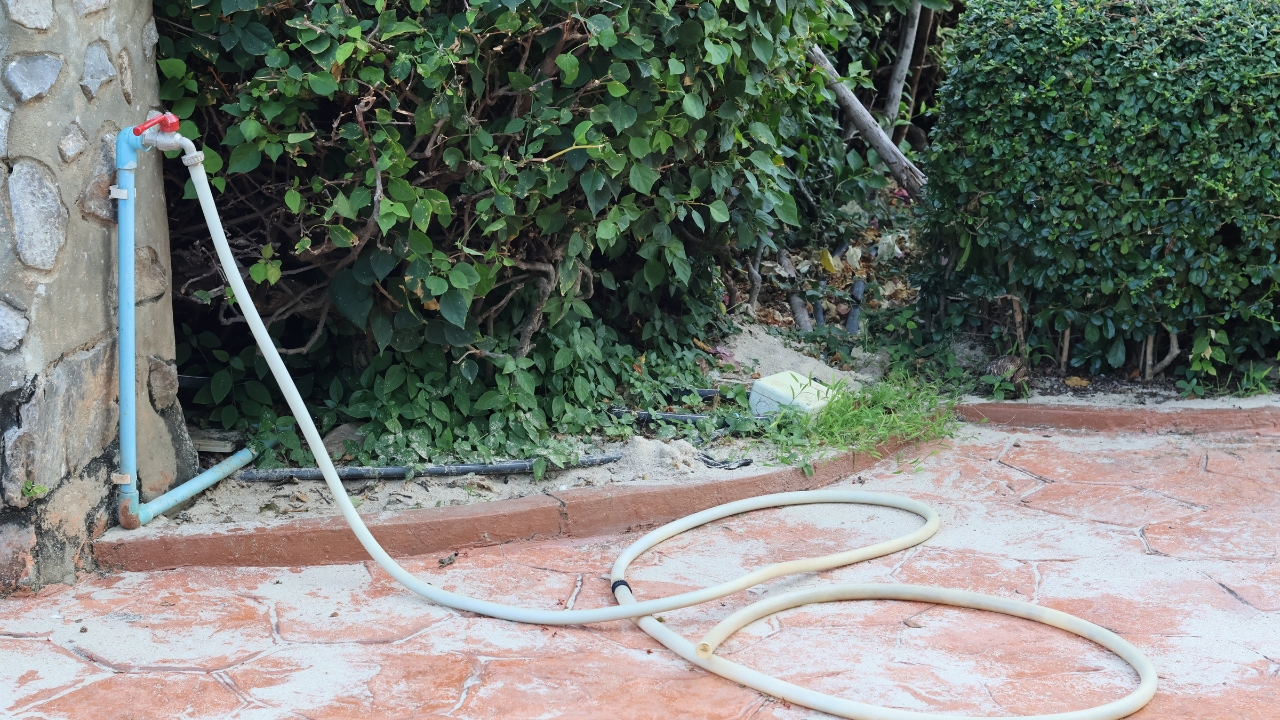
It’s easy to let the bushes or groundcover take over around your outdoor faucets, but that’s asking for trouble. Roots hold moisture and heat around pipe connections, and crowded areas trap humidity.
That combo can corrode metal fittings and cause plastic to degrade. Plus, if something starts leaking, you probably won’t see it until it’s already bad. Keep plants trimmed back and give outdoor pipes a little breathing room.
Using Harsh Chemicals to Unclog Outdoor Drains
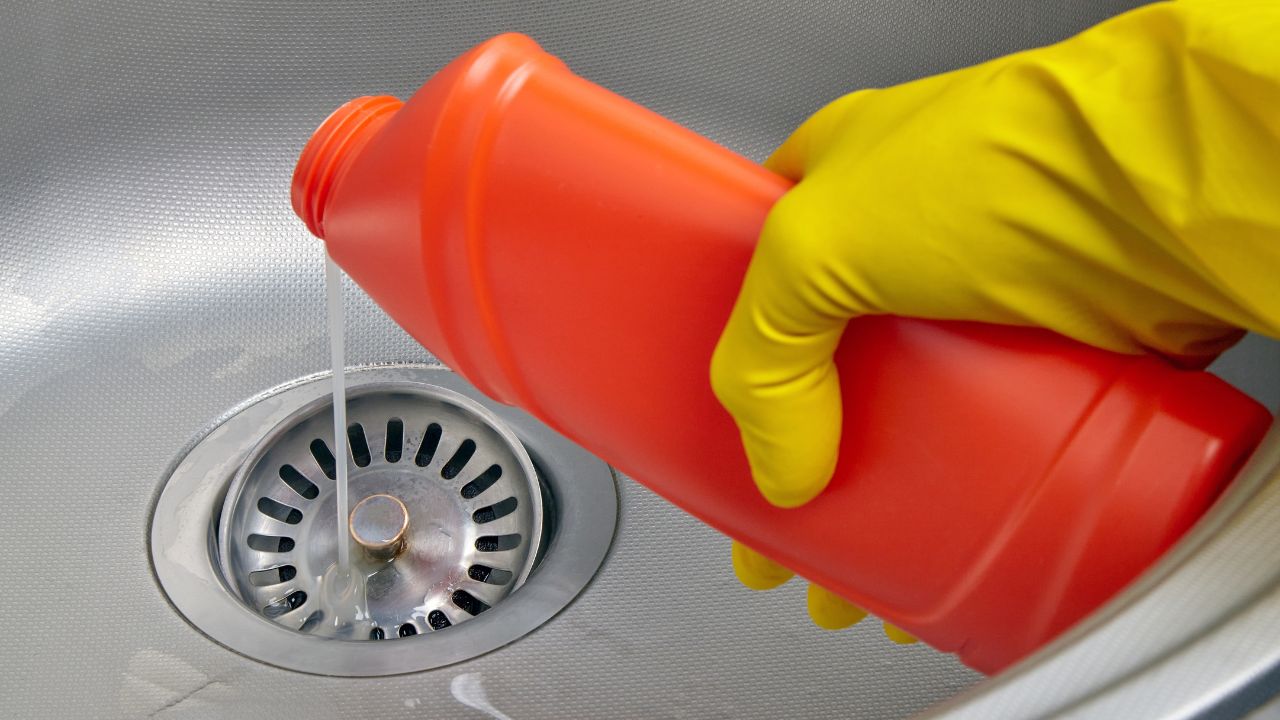
Pouring drain cleaner down an outdoor sink or utility drain can seem like a quick fix, but those chemicals can damage your pipes over time—especially plastic ones.
High summer temps make chemical reactions more intense. That means more heat and pressure inside your lines, which leads to warping or cracking faster than you’d expect. Use mechanical methods or enzyme-based options instead.
Dragging Hoses Over Exposed Pipes
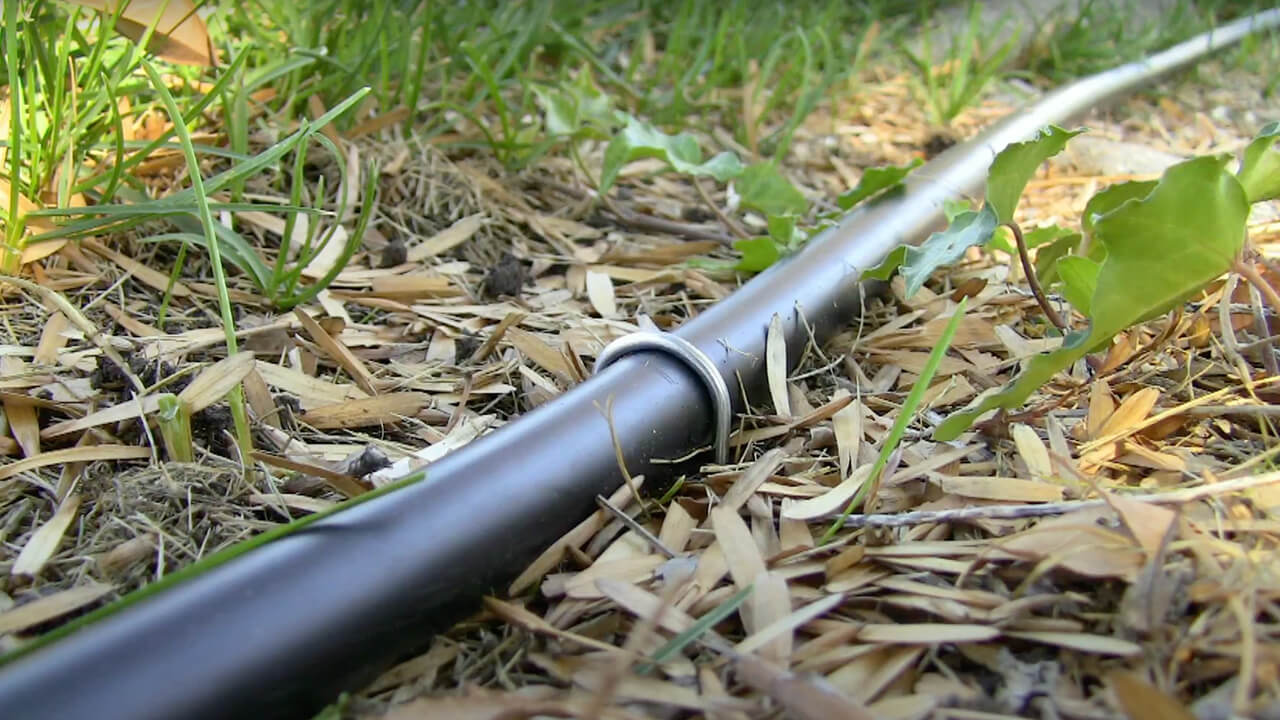
Dragging a heavy hose across the same spots over and over can wear down or crack exposed pipes, especially PVC. It seems harmless at first, but repeated friction adds up over a long summer.
If you’ve got pipes running along the surface or coming up out of the ground, be mindful of where that hose is going. Use a hose guide or install some cheap stakes to protect weak spots.
Letting Leaks Slide “Until Fall”

Putting off a small drip or crack during the warm months usually means a bigger fix later. That trickle might not seem like much, but under summer pressure, it’s doing damage every day.
Water wears away at seals and threads faster in the heat. What looks like a harmless leak today could turn into a split pipe tomorrow—especially when pressure spikes during watering hours. Don’t wait to fix it.
*This article was developed with AI-powered tools and has been carefully reviewed by our editors.