10 Things You Should Never Do When Mulching Your Yard
Image Credit: New Africa/ Shutterstock.
When I first started messing with mulch, I figured it was foolproof. Grab a few bags, spread it around, and boom—done. But the more I got into gardening and landscaping, the more I realized there’s actually a right way and a whole lot of wrong ways to do it.
Some of those “little” mistakes can seriously mess with your plants, your soil, and even your house. So if you’ve ever wondered why things aren’t thriving like they should, your mulch might be to blame. Here’s what I’ve learned the hard way.
Piling mulch against tree trunks

One of the worst things you can do is heap mulch right up against the base of a tree. It might look neat, but it traps moisture around the trunk and invites rot, pests, and disease. That’s a fast track to killing a healthy tree.
Always leave a few inches of space around the base. Think of mulch like a donut around the tree, not a volcano. Your trees will breathe better, and you won’t have to deal with bark decay down the road.
Using the wrong type of mulch for your plants

Not all mulch is created equal. Some plants like the acidity from pine bark, while others prefer something more neutral. Using the wrong mulch can mess with soil pH and hurt plant growth.
Do a quick check before buying. If you’re growing veggies, stick with organic compost or straw. For shrubs and trees, wood chips or shredded bark usually do the job just fine.
Laying mulch too thick

It’s tempting to go heavy-handed, thinking more mulch means better moisture retention. But laying it on too thick can suffocate plant roots and trap too much moisture, which causes mold and fungus issues.
Stick to 2–3 inches of mulch, max. That’s enough to block weeds and keep the soil cool without overdoing it. A thin, even layer is what you’re after.
Forgetting to weed before mulching

Mulch won’t magically kill existing weeds. If you spread it over weeds, they’ll fight their way back up, and then you’re stuck dealing with them again.
Always weed the area before mulching. It takes a little extra time, but it makes the mulch more effective and saves you a bigger headache later.
Using mulch that hasn’t decomposed properly
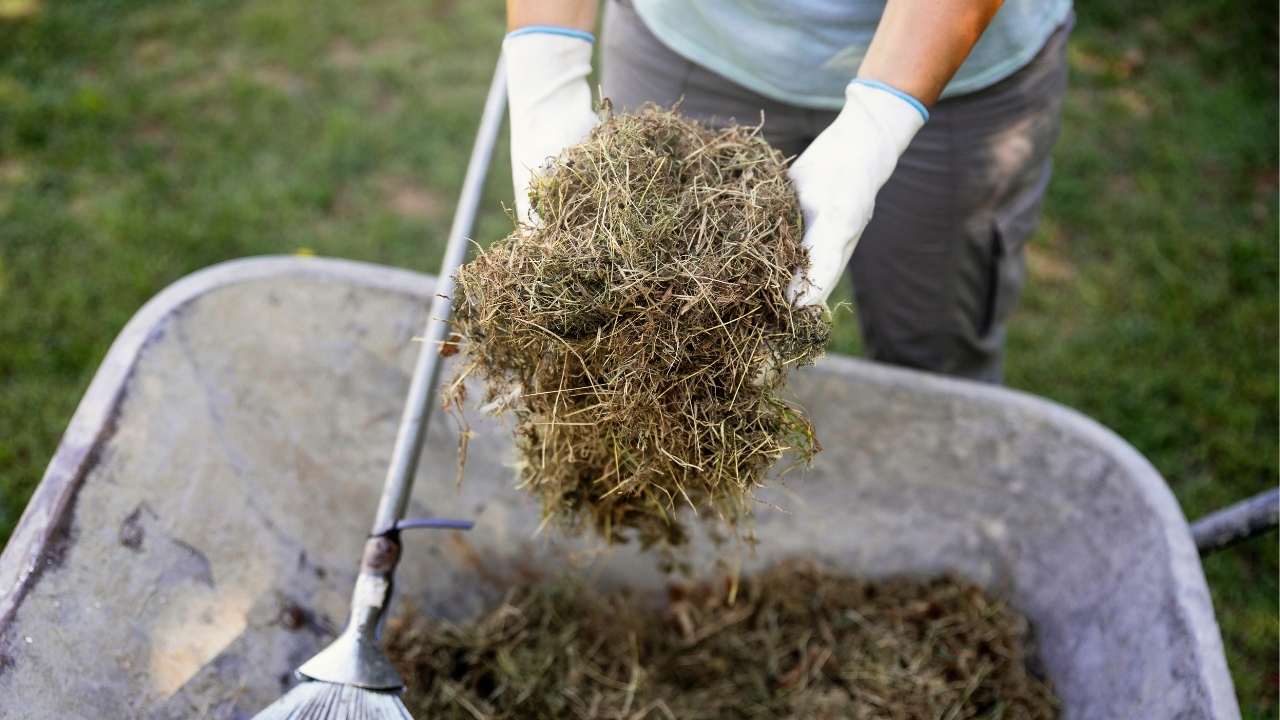
Fresh wood chips or grass clippings that haven’t had time to break down can actually steal nitrogen from your soil as they decompose. That leaves your plants starving for nutrients.
Let organic mulch age before you use it, or compost it separately. You want it doing your soil a favor—not robbing it blind.
Letting mulch touch your home’s foundation
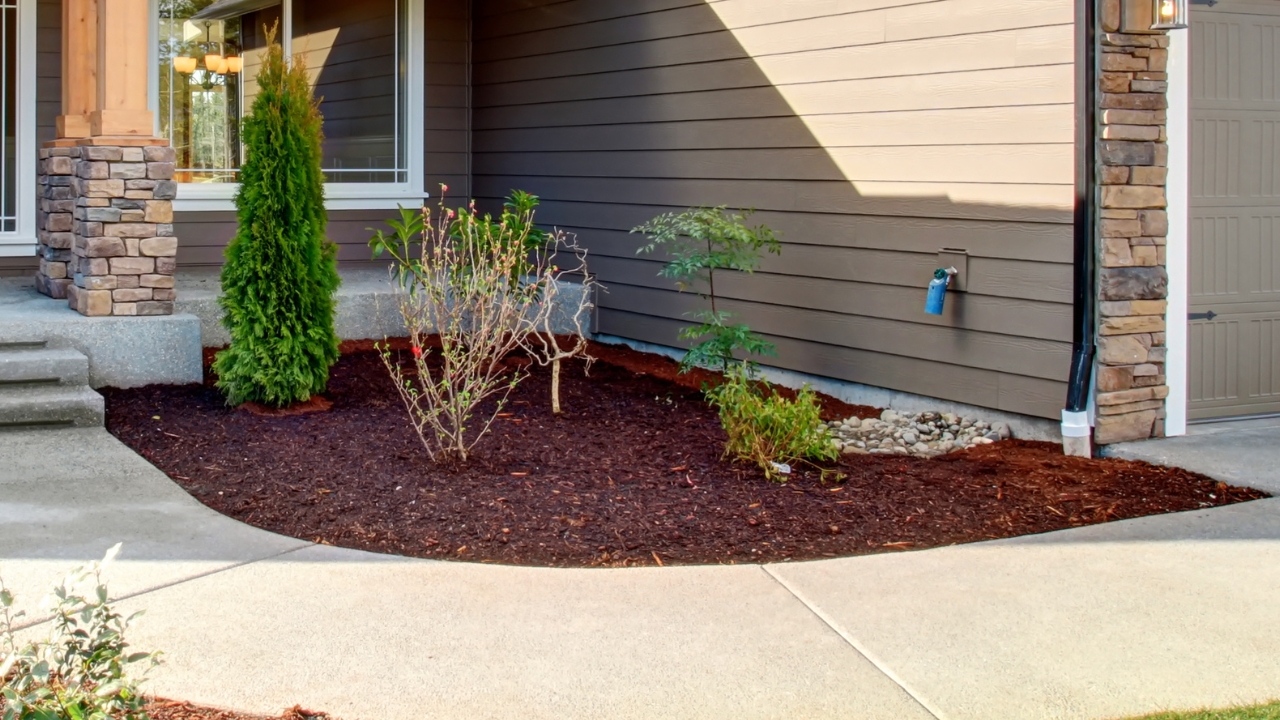
Stacking mulch up against your siding or foundation might seem harmless, but it creates a damp environment that attracts termites, ants, and moisture problems.
Keep mulch a few inches away from any part of your home. It helps with airflow and keeps critters from getting too comfortable next to your house.
Skipping a weed barrier (when needed)

In some spots—especially where aggressive weeds take over—a good weed barrier like landscape fabric or cardboard can make all the difference. Skipping it might mean your mulch is useless a month later.
Don’t use plastic, though—it blocks water from getting through. Use breathable materials that stop weeds but still let your soil and plants breathe.
Re-mulching without loosening the old layer
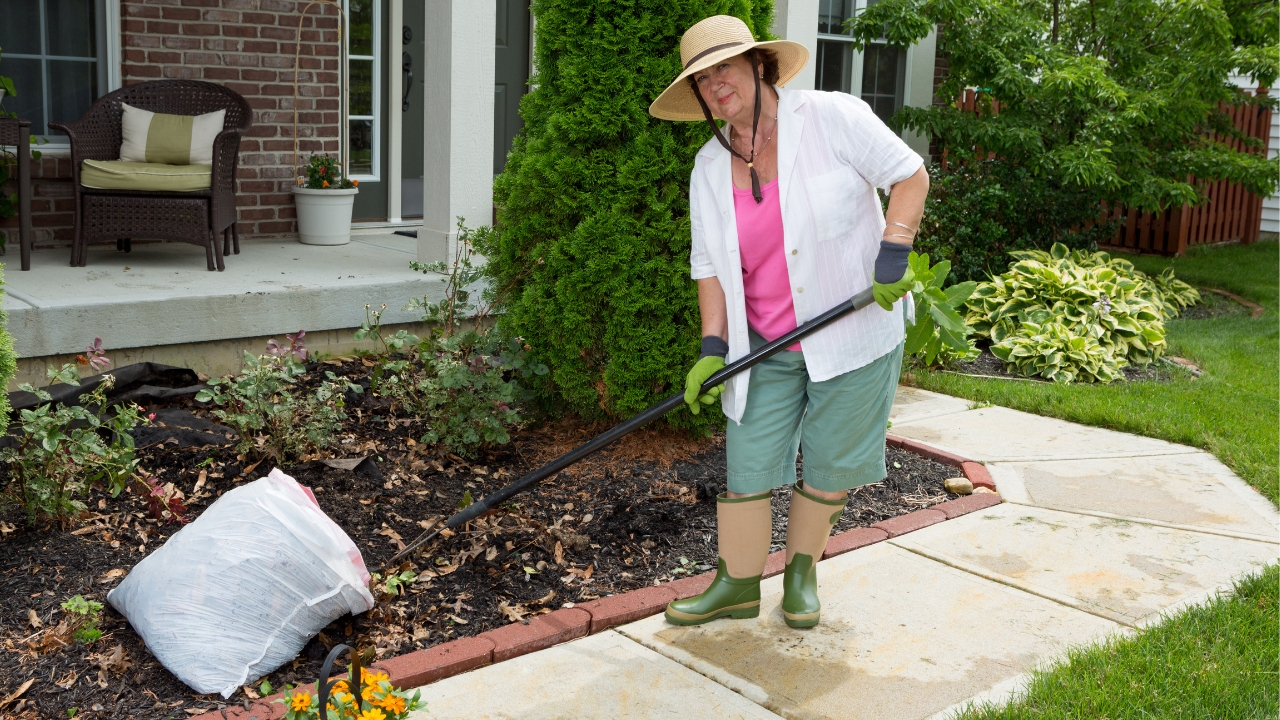
If you throw new mulch on top of a packed-down layer from last season, it can create a matted mess that water can’t get through. That leads to runoff and dry soil underneath.
Before adding fresh mulch, fluff up the old stuff. Break it up with a rake so it can mix better and allow air and water to reach the roots.
Ignoring proper drainage under mulch
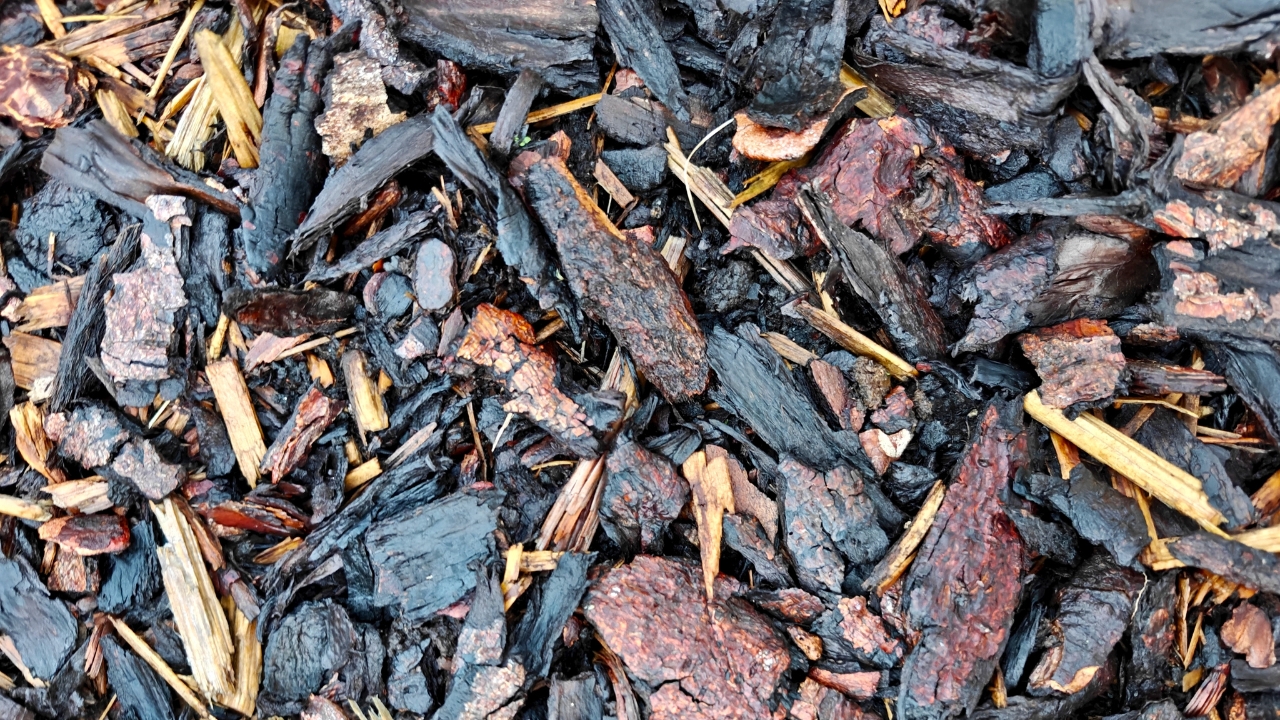
If your soil doesn’t drain well, mulch will hold too much water and turn your beds into a soggy mess. That’s bad news for roots and can attract slugs and fungus.
Fix drainage issues before you mulch. Slope the area slightly or mix in compost to improve soil structure. Mulch works best when it’s not sitting in standing water.
Using dyed mulch with unknown ingredients
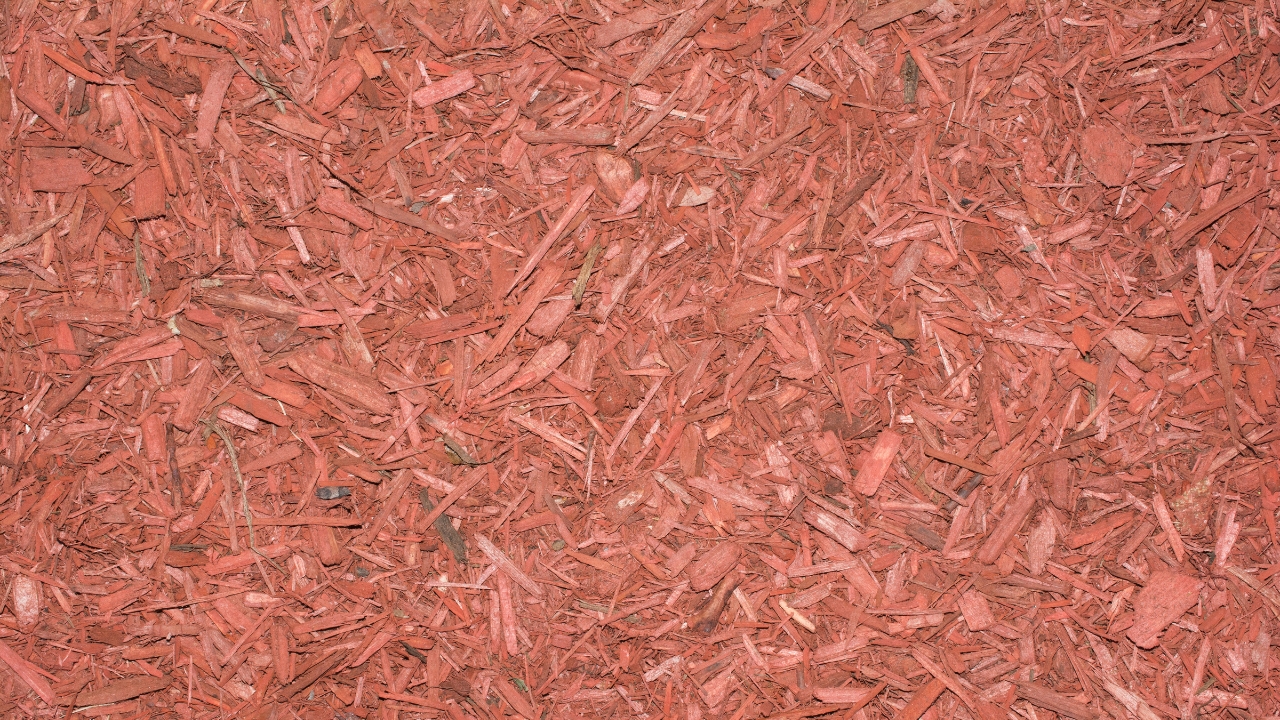
Those brightly colored mulches might look sharp, but some are made from ground-up pallets or scrap wood treated with who-knows-what. That stuff can leach chemicals into your soil.
If you go with dyed mulch, make sure it’s labeled safe for gardens. Better yet, skip the dye and go for natural hardwood or bark mulch—it looks good and won’t mess with your soil.
Like Fix It Homestead’s content? Be sure to follow us.