6 hardy animals that are easy to overwinter
Photo credit: eumates/Shutterstock.com
Winter care can be tough, but some animals are naturally better equipped to handle cold temperatures. Choosing hardy species saves you work, reduces heating needs, and keeps animals healthier through the cold months.
Shelter is still important, but these animals tolerate chilly weather better than most, making them ideal for colder climates or low-maintenance setups.
Chickens
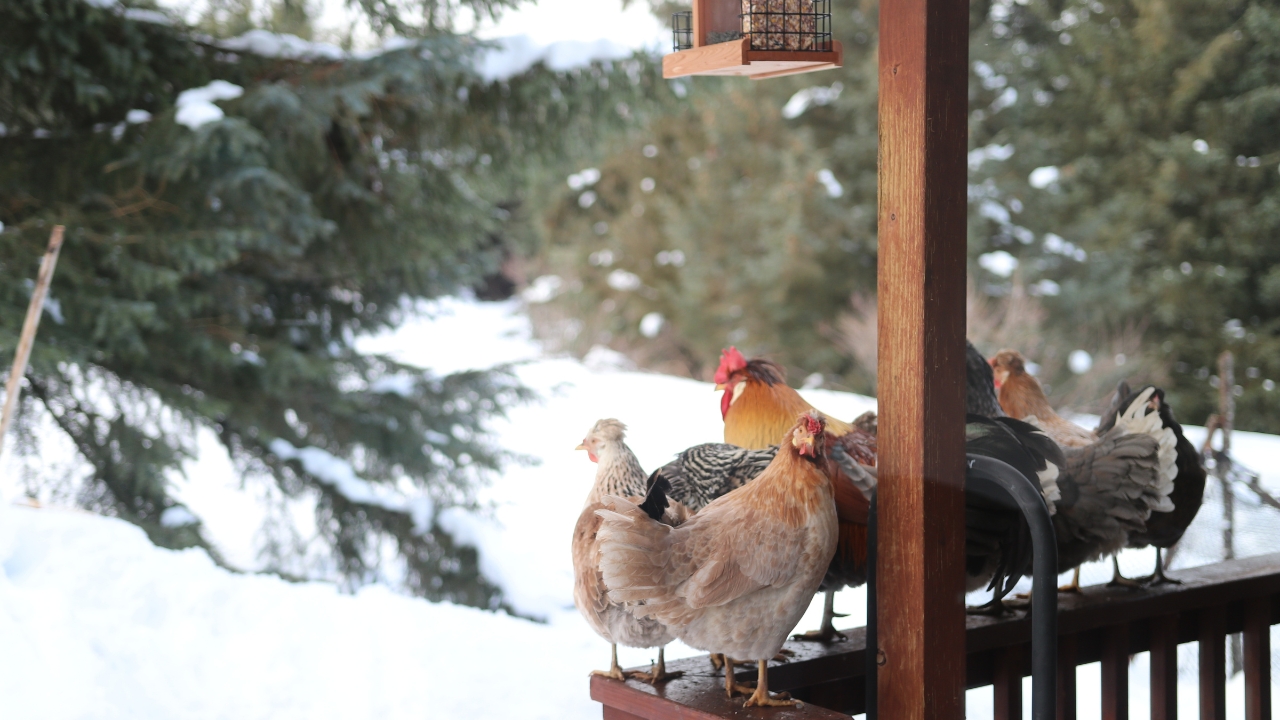
Many chicken breeds, like Plymouth Rocks and Rhode Island Reds, handle cold weather well. They keep laying eggs in winter if they have a dry, draft-free coop. Extra bedding, proper ventilation, and access to unfrozen water are usually all they need to stay healthy.
Goats

Goats can handle winter well if they’re provided with a dry, windproof shelter and plenty of hay. Their thick coats insulate them naturally, and they stay warm by eating and ruminating. Keeping bedding clean and deep helps retain warmth in the shelter.
Sheep
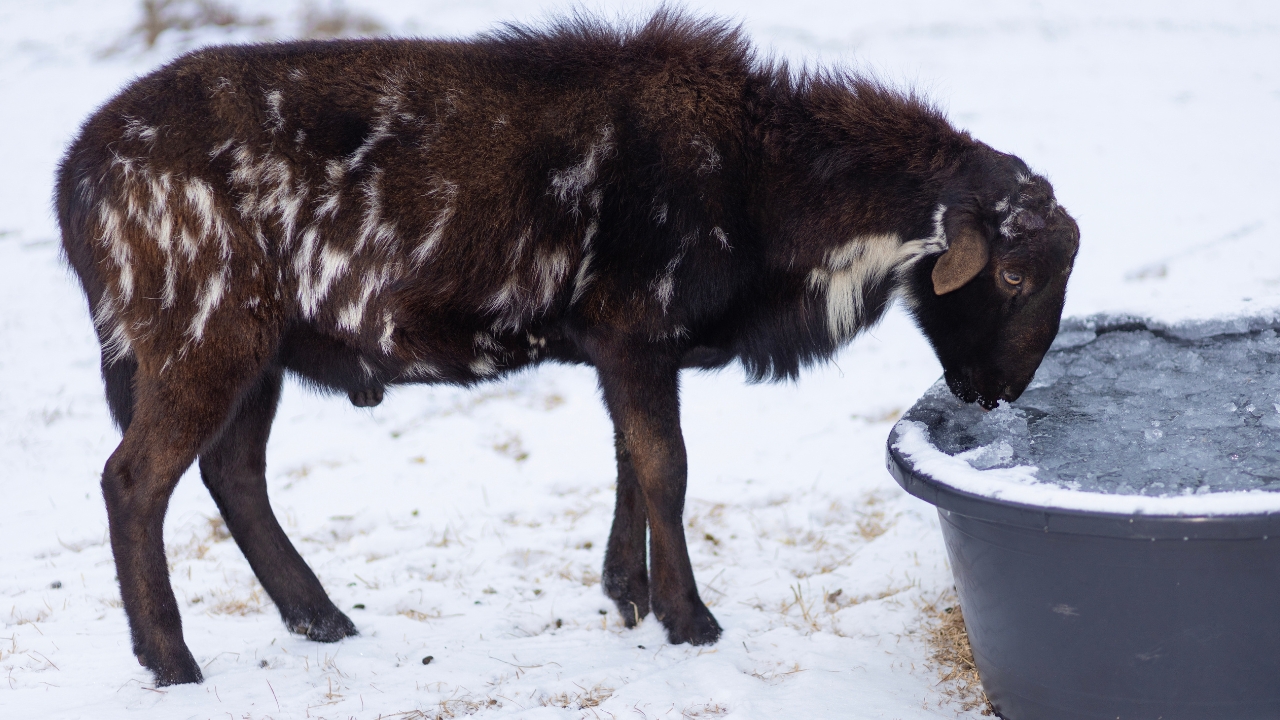
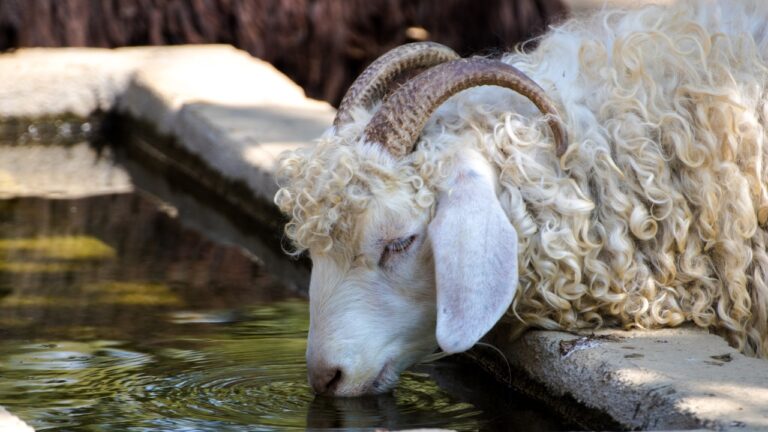
Sheep, especially wool breeds, are built for cold weather. Their fleece insulates them, and they often prefer being outdoors unless conditions are extreme. A windbreak and dry ground go a long way in keeping them comfortable.
Ducks
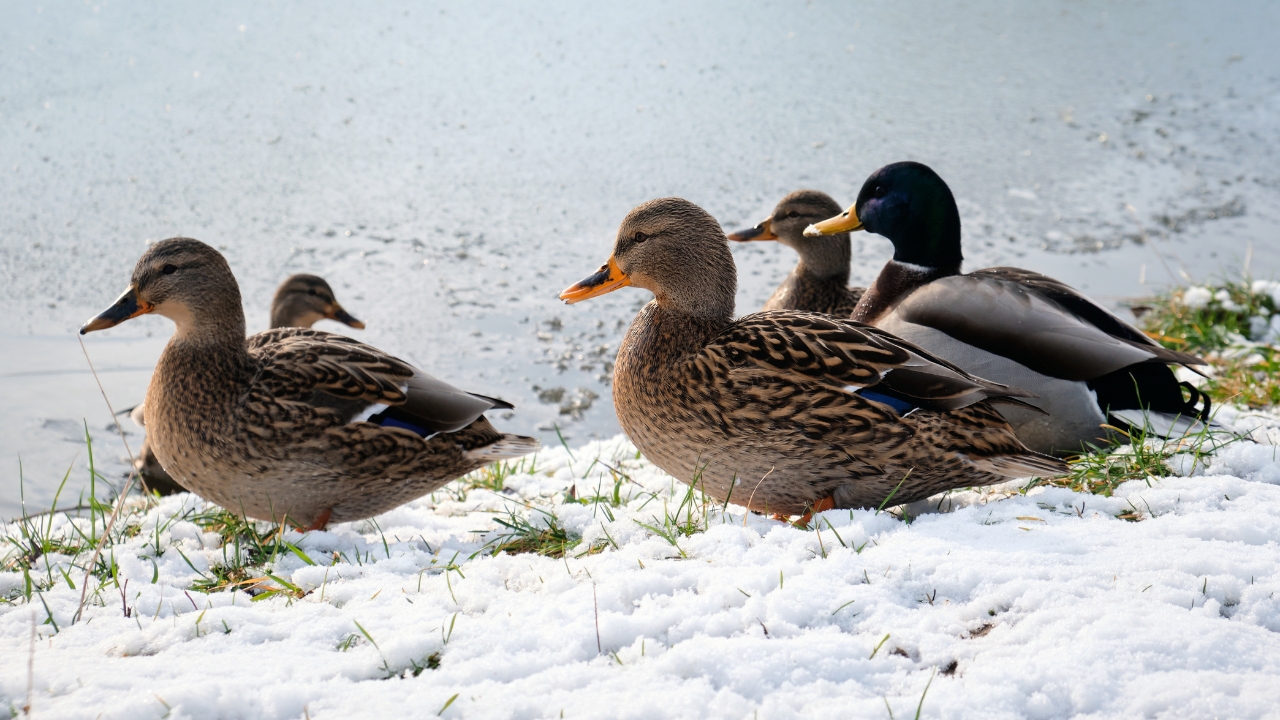
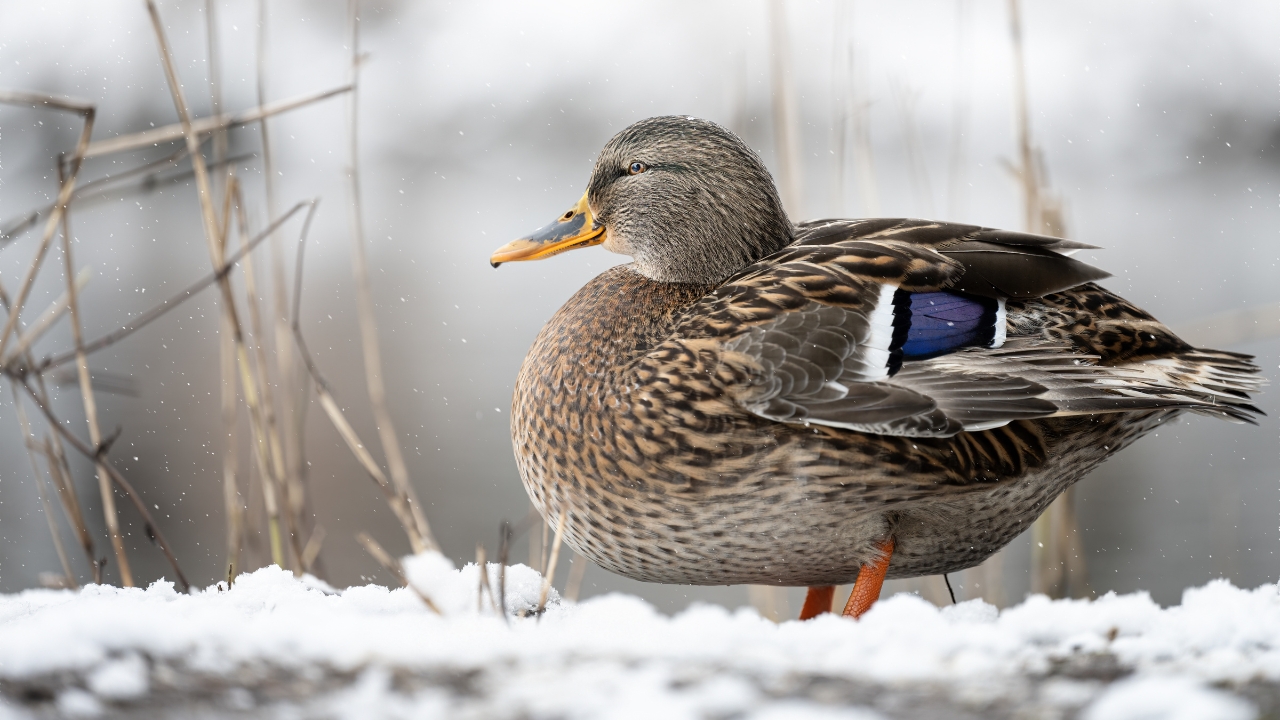
Many duck breeds tolerate freezing temperatures better than chickens. Their feathers repel water and insulate them, but they still need a dry shelter to protect from wind. Keeping their water from freezing is the main winter challenge.
Rabbits
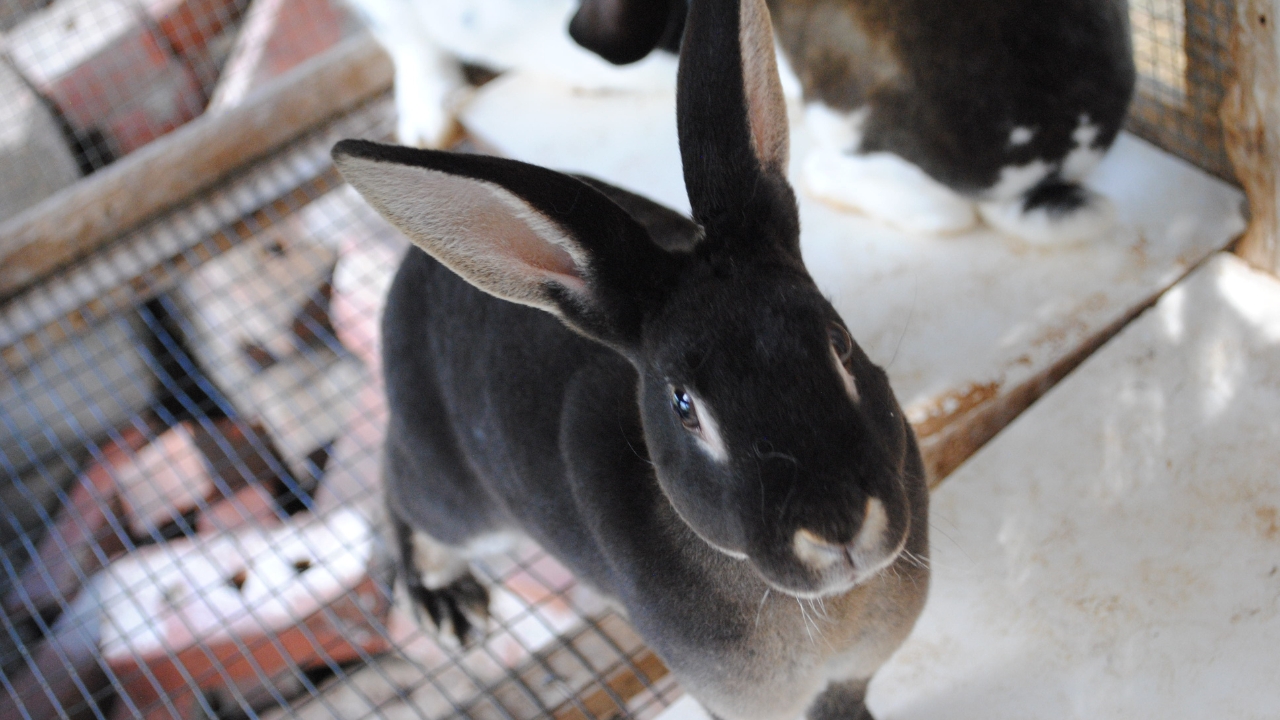
Rabbits grow a thick winter coat and stay warm if they’re kept dry and out of drafts. Extra bedding and shelter from wind are more important than heat. They’ll continue to thrive in cold temperatures if given proper housing and nutrition.
Bees
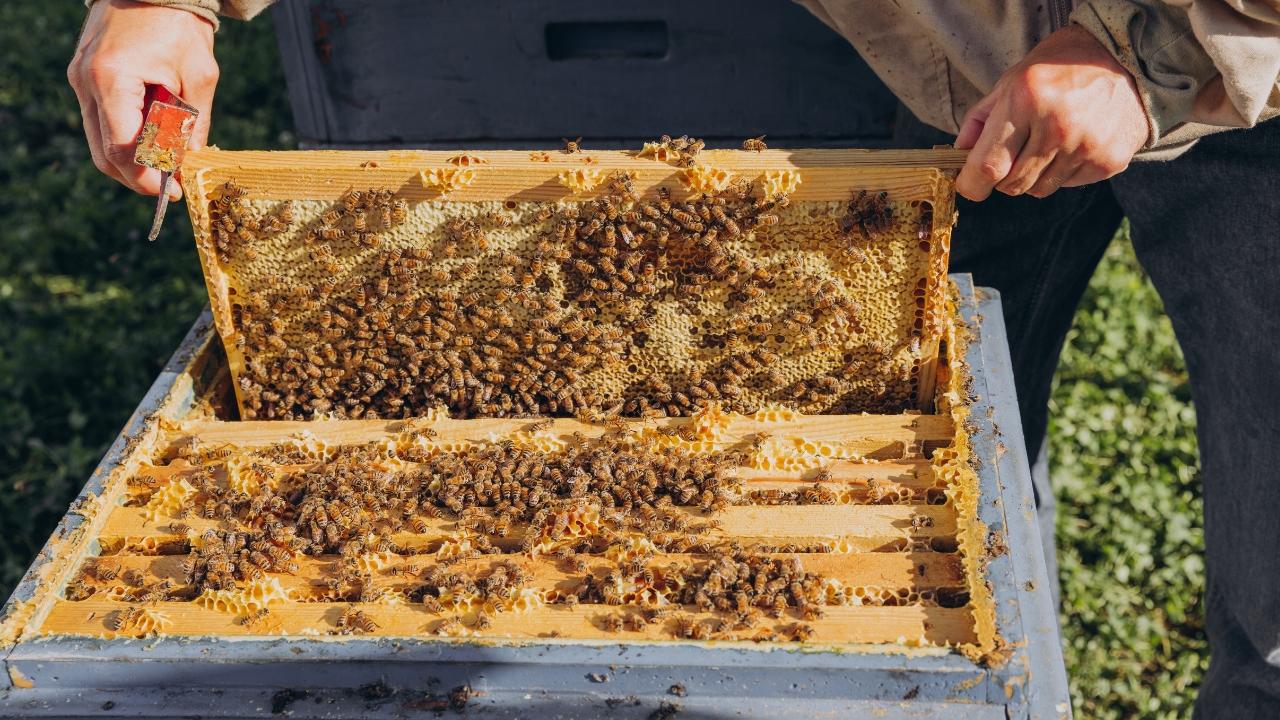
A healthy bee colony can survive winter by clustering together and generating heat. Beekeepers often add hive insulation or windbreaks to help, but the bees do most of the work themselves. Making sure they have enough stored honey is key.
*This article was developed with AI-powered tools and has been carefully reviewed by our editors.