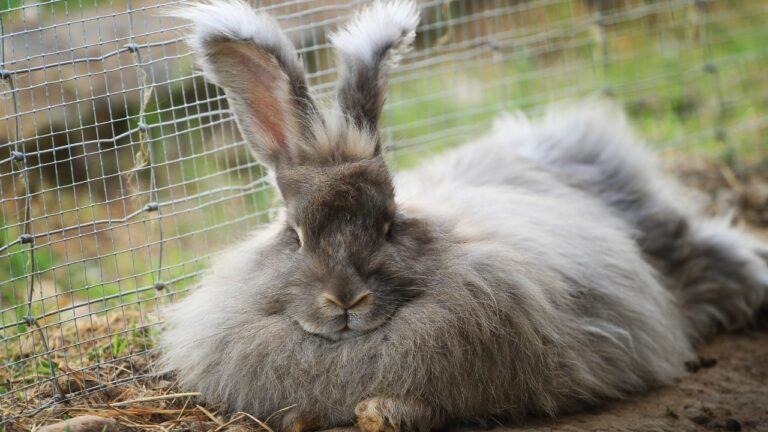
6 animals that change color with the seasons
Photo credit: Saeedatun/Shutterstock.com
Some animals naturally change their coloring through the year. These shifts usually help them blend in with changing landscapes or adapt to seasonal temperatures. On a farm, you might see it happen gradually over weeks—sometimes so subtly you don’t notice until you compare old photos.
These changes can be striking, especially in climates with strong seasonal contrast. They can also give you clues about coat health, molting cycles, and the animal’s readiness for weather changes.
Rabbit (Wild or Heritage Breeds)
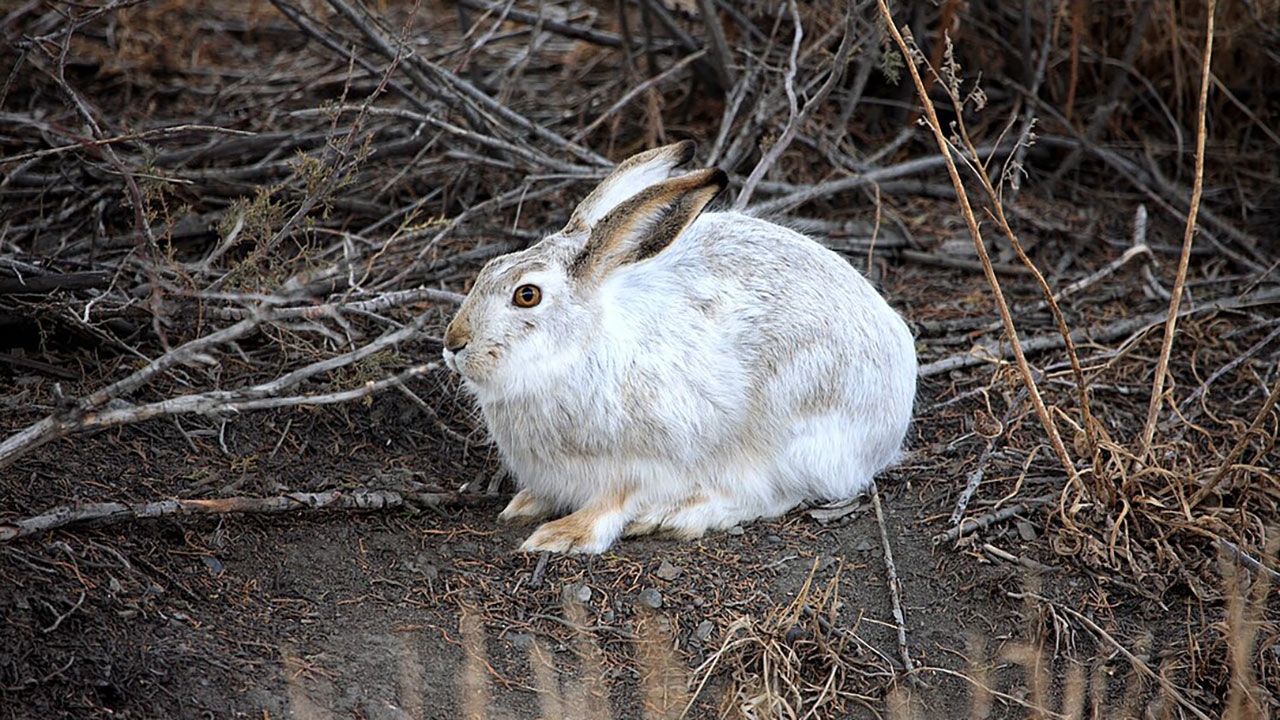
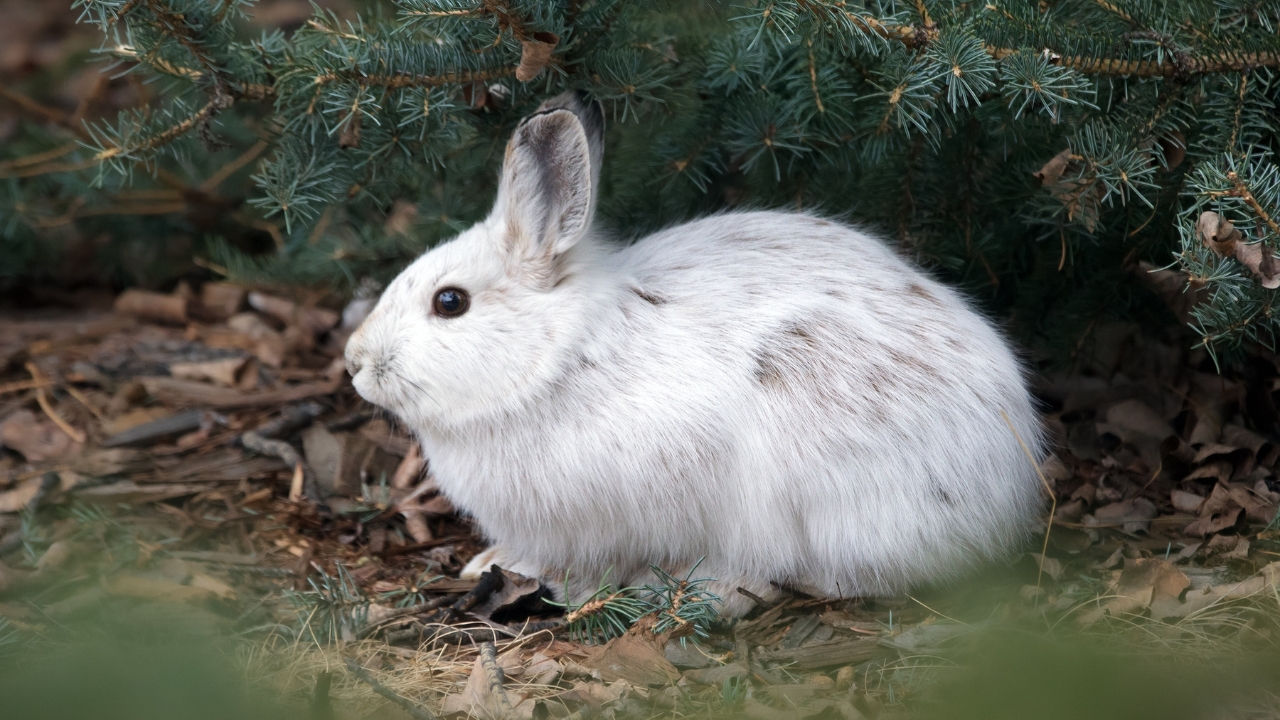
Certain rabbits develop lighter coats in winter and darker ones in summer. In snowy climates, some turn nearly white for better camouflage.
This helps them avoid predators but also means their coat density changes, affecting how they handle temperature swings.
Goat (Fiber Breeds)
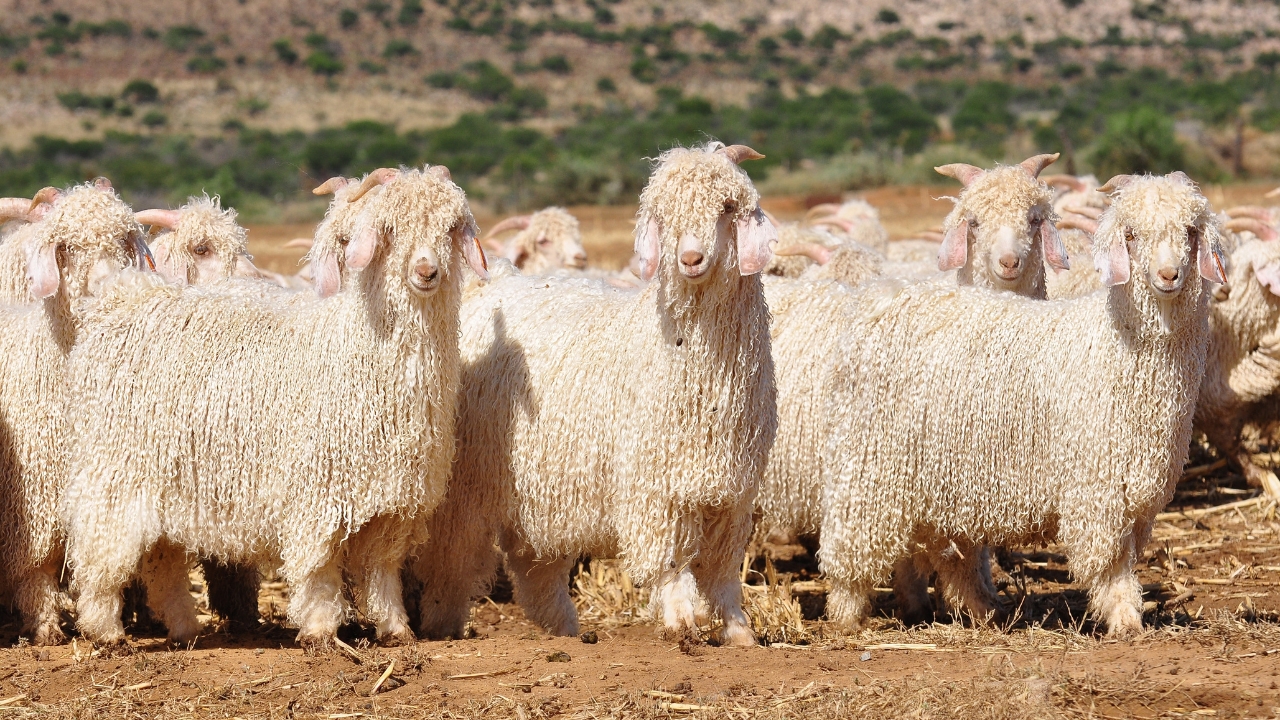
Fiber goats like Cashmeres and Angoras grow thick coats in winter, often lighter than their summer hair. When shorn, they can look like entirely different animals.
The seasonal fiber change is part of what makes their fleece valuable, and timing shearing right is important for quality.
Chicken
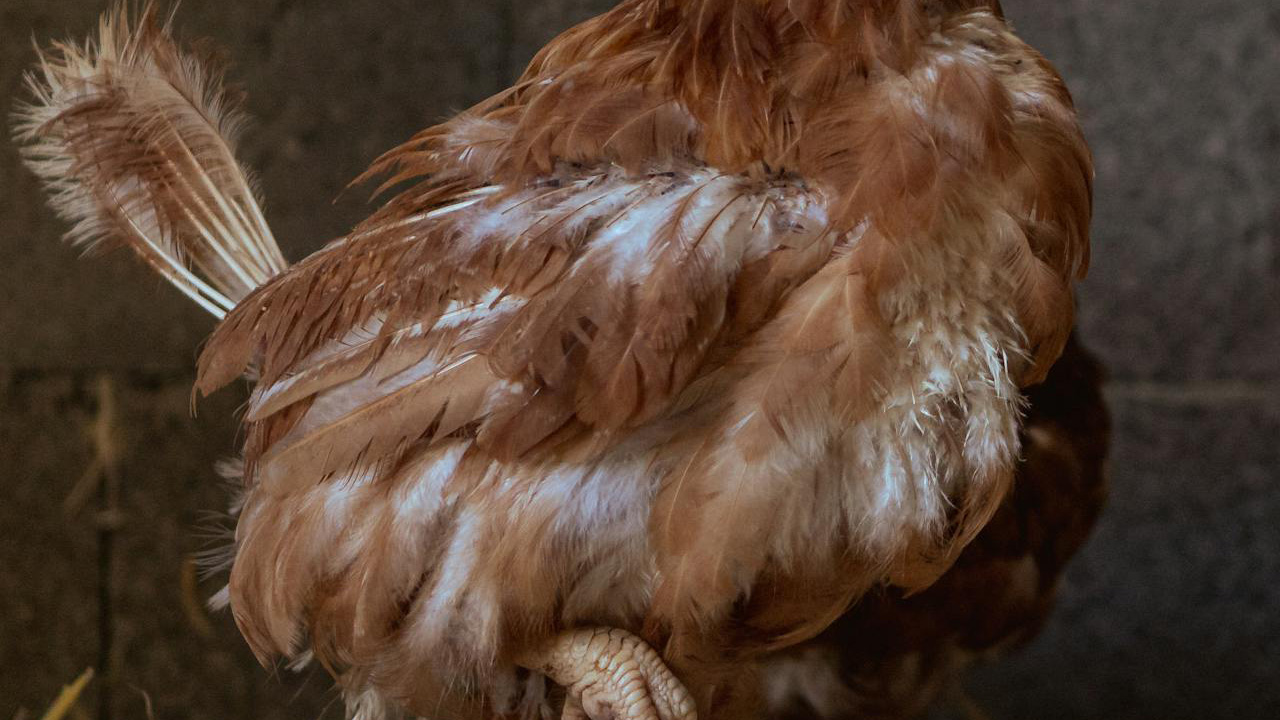
Many chickens molt once or twice a year, growing new feathers that can shift slightly in shade. Patterns like barring or mottling may become more or less pronounced.
These changes aren’t as dramatic as mammals, but they can make an older hen look like she’s wearing new plumage.
Sheep
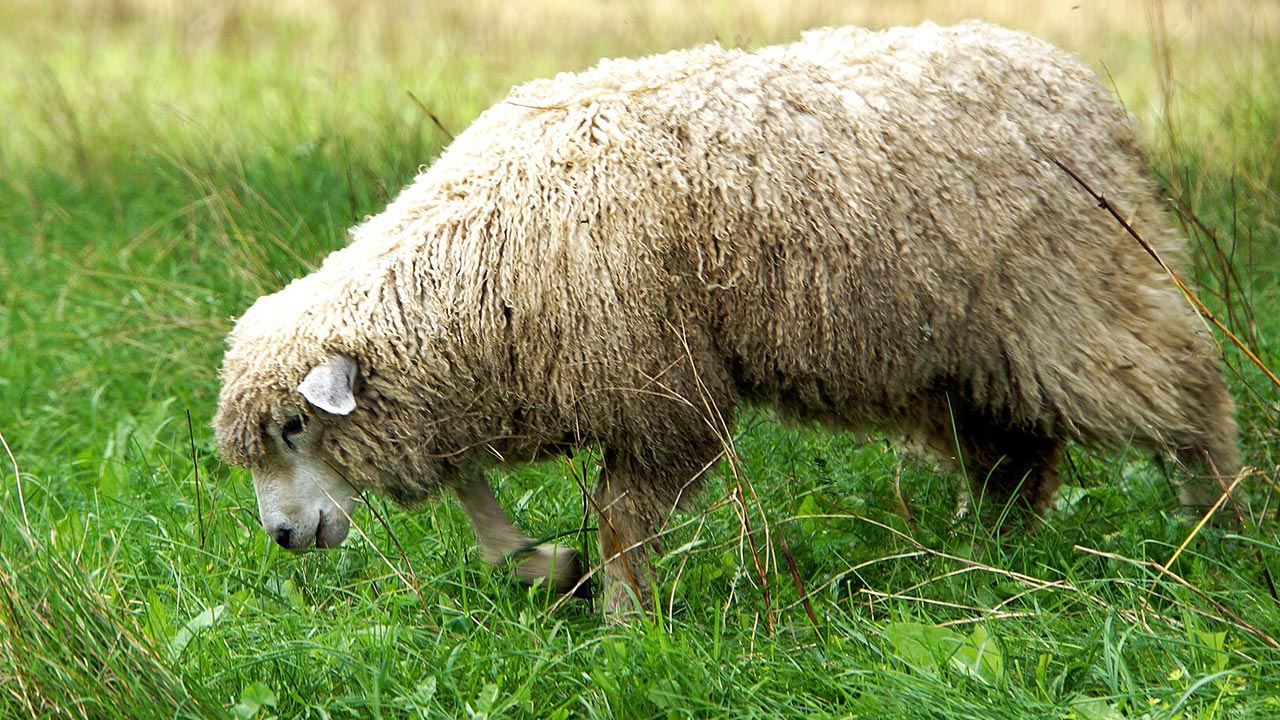
Sheep wool often lightens in the sun, giving a bleached effect over summer. When the fleece is shorn, the fresh growth underneath is often richer in color.
Understanding these changes helps in marketing fiber, as the surface color isn’t always what you’ll get in the final product.
Horse

Seasonal coat changes in horses can be dramatic, especially in darker animals. A black horse might fade to a reddish brown in summer sun, then return to deep black in winter.
These changes depend on sunlight, diet, and coat health, making nutrition an important factor.
Duck

Male ducks in some breeds develop vibrant breeding colors in spring, then molt into duller tones after mating season. Females tend to stay more consistent year-round.
Watching these changes can help you track breeding cycles without close handling.
*This article was developed with AI-powered tools and has been carefully reviewed by our editors.