10 signs a paint job wasn’t done right
Photo credit: Tipayarat K/Shutterstock.com
A good paint job should last for years, but when corners get cut, the flaws start showing quickly. Professional work always comes down to preparation, patience, and detail. If you’ve ever looked at freshly painted walls and felt something was off, you were probably noticing these common mistakes.
Uneven Coverage
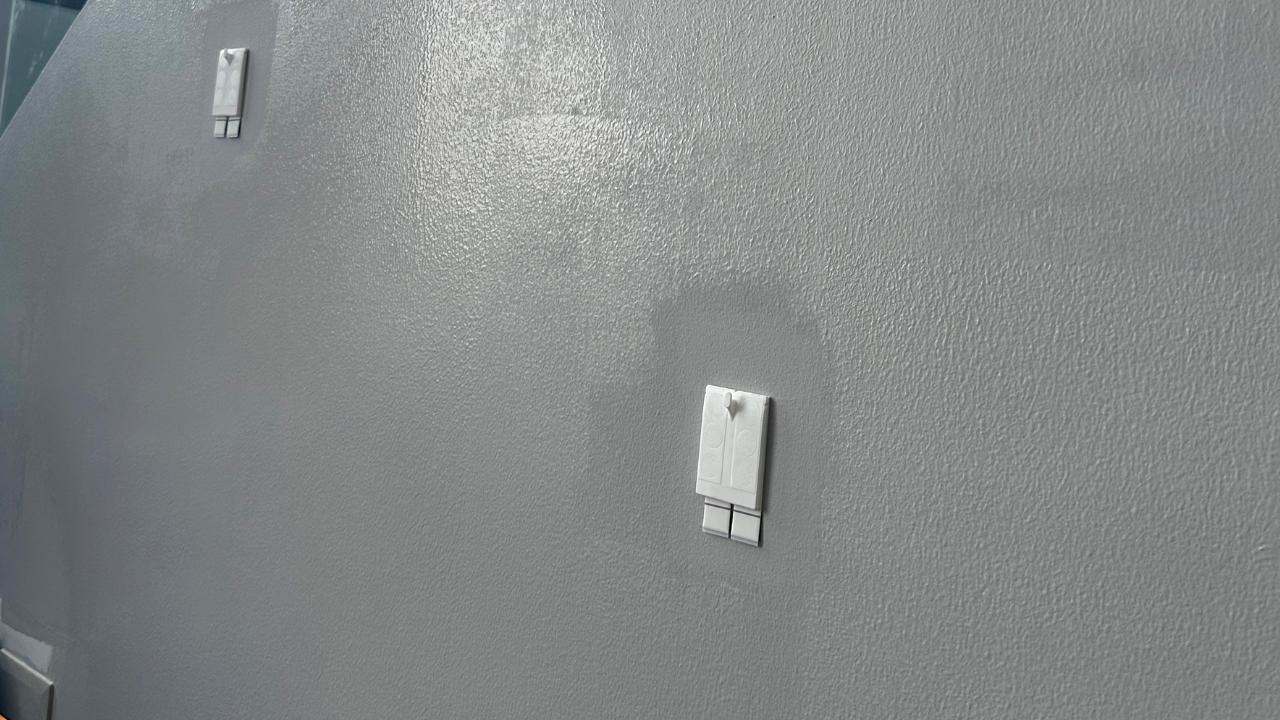
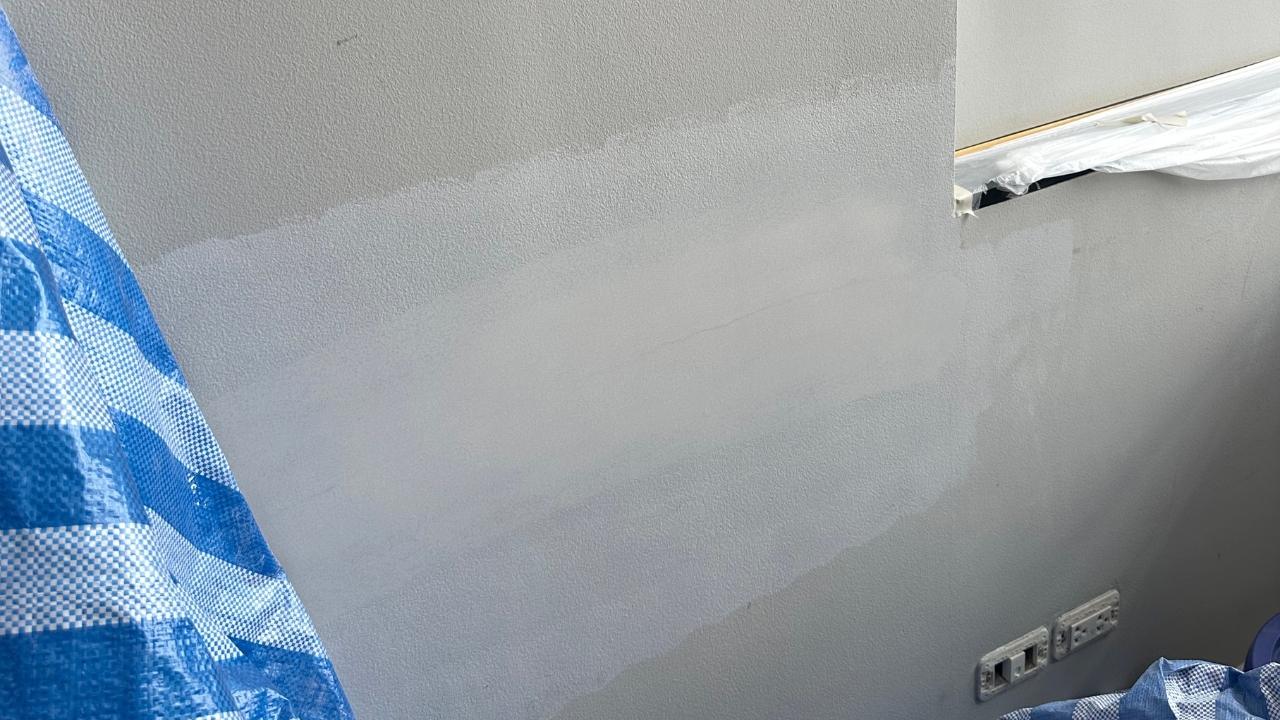
When walls look patchy or streaky, it means the painter didn’t use enough coats or skipped primer. Darker colors especially need proper layering to look smooth.
Light shining across the wall will exaggerate these flaws, making uneven coverage even more obvious. It’s a clear sign the job wasn’t done thoroughly.
Paint on Trim or Ceilings
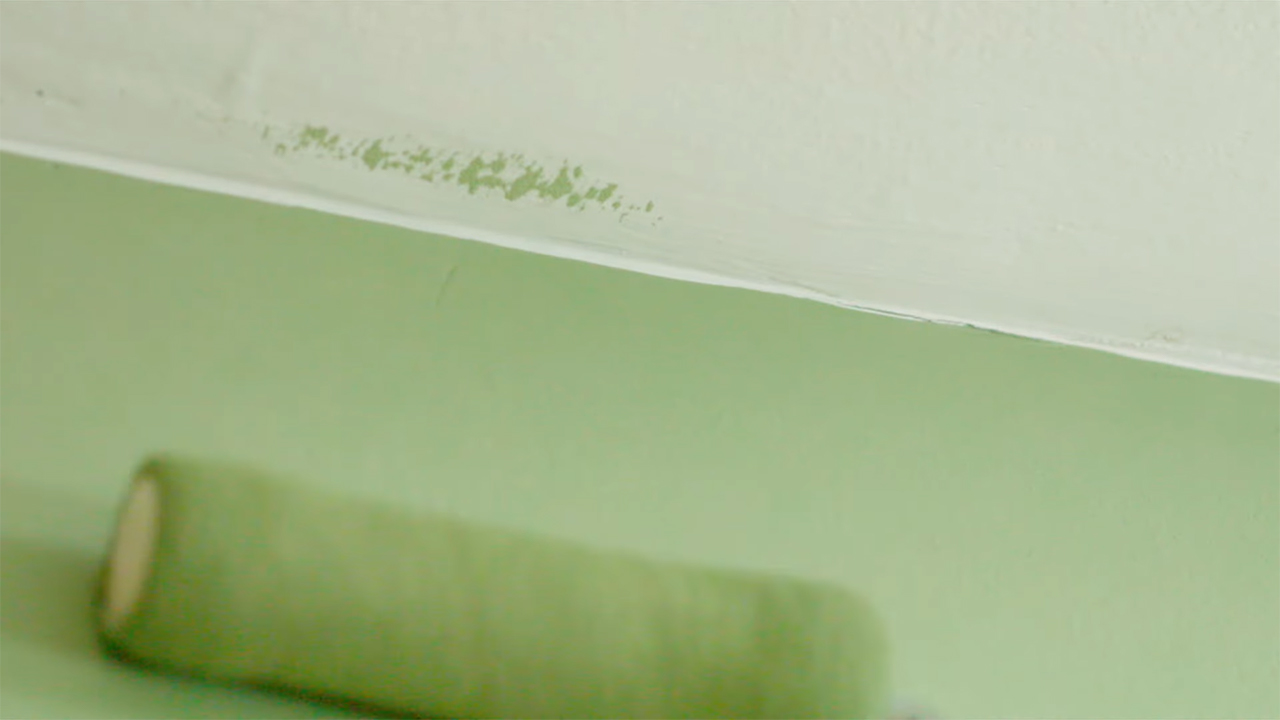
Sloppy lines where wall paint bleeds onto trim or ceilings show a lack of taping or steady handwork. Clean edges are one of the most noticeable details in a room.
If corners and borders look messy, it’s a giveaway that the painter rushed through instead of taking the time to tape and cut in properly.
Bubbling or Peeling
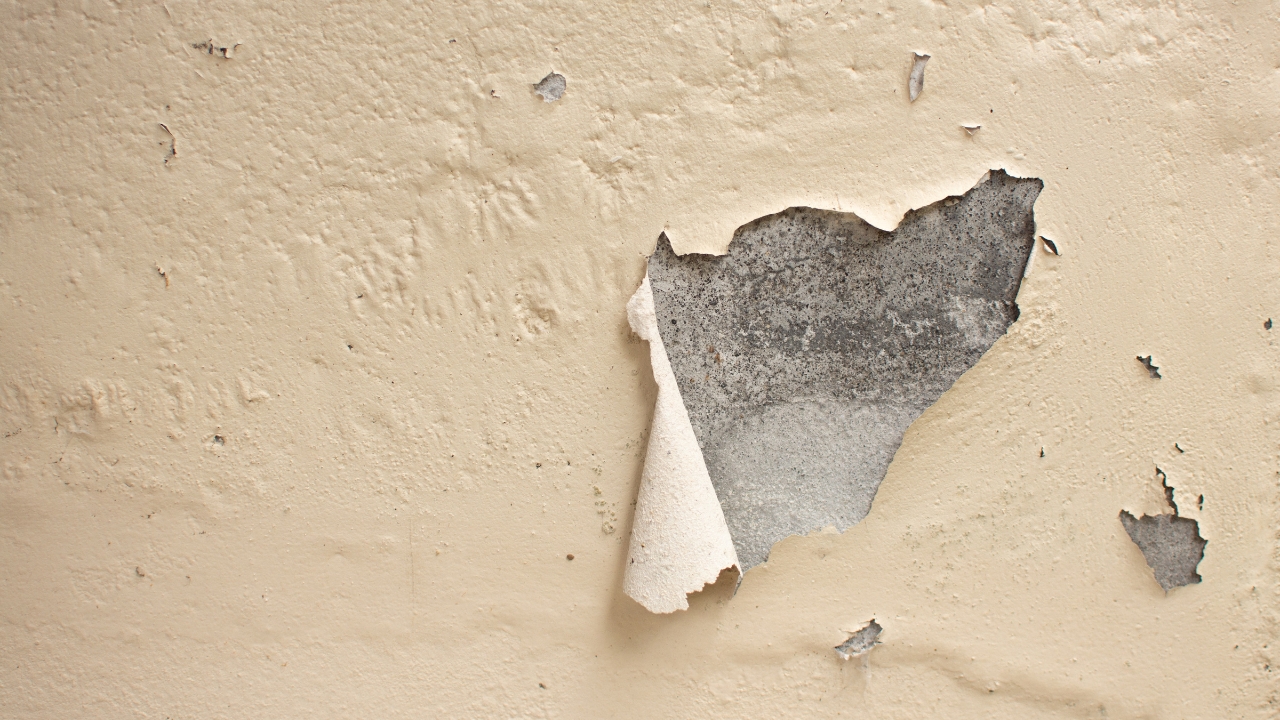
Paint that bubbles or peels shortly after application usually means the surface wasn’t cleaned or prepped correctly. Moisture trapped beneath the paint can also cause this problem.
Good prep work—washing, sanding, and priming—prevents these failures. Skipping those steps leads to early breakdown.
Drips and Runs

Visible drips along walls or trim are a sign the painter overloaded the brush or roller. Professional work lays smooth, even coats without excess paint.
Runs are hard to ignore once they’ve dried, and they usually mean the painter wasn’t paying attention to detail.
Missed Spots

Fresh paint should cover everything consistently, but sometimes corners, edges, and areas behind fixtures get overlooked. These gaps stand out when light hits them.
Checking the room from different angles will reveal spots that weren’t properly covered. A careful job won’t leave those areas unfinished.
Rough Surfaces
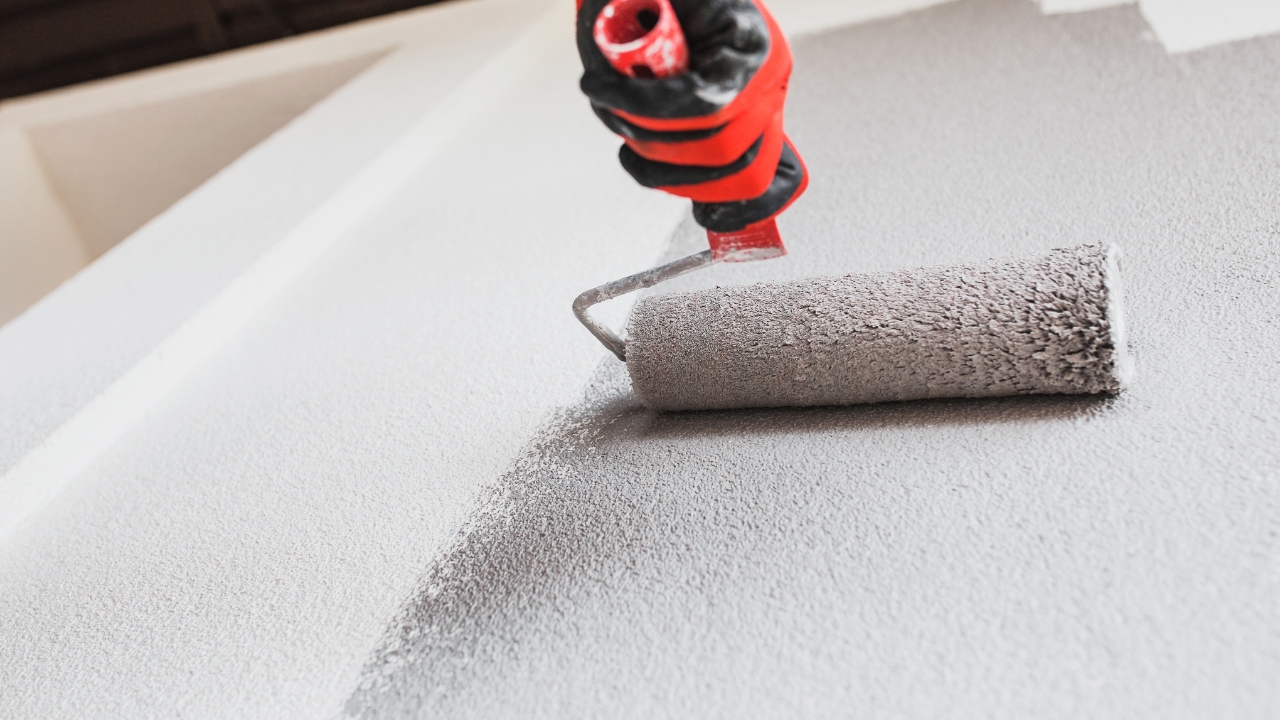
If walls feel gritty or rough to the touch, dust or debris wasn’t cleaned before painting. It can also mean the roller nap was wrong for the surface.
Smooth walls come from proper prep and equipment. Skipping those steps leaves permanent texture flaws.
Inconsistent Color
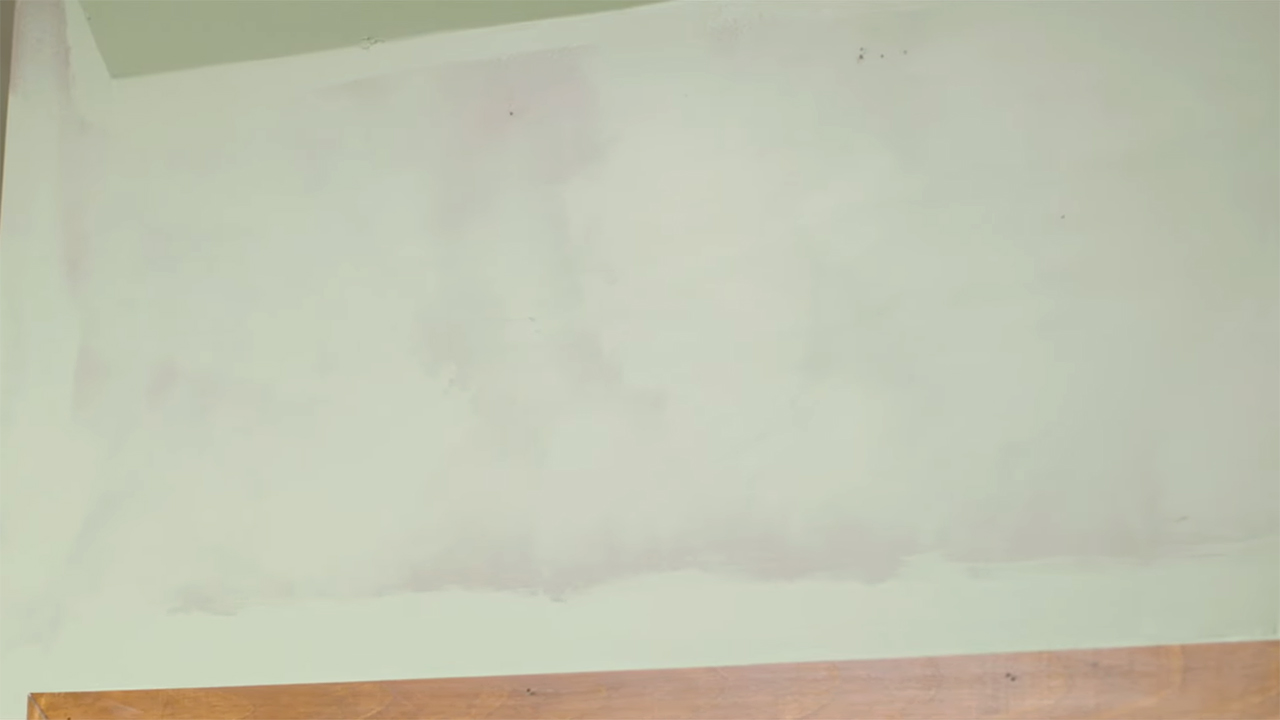
When paint looks slightly different in certain areas, it means the paint wasn’t mixed well or multiple batches weren’t blended together.
Professional painters mix all cans before starting to avoid this exact problem. Inconsistent shades are a clear mark of amateur work.
Flashing and Sheen Differences

Shiny patches or dull spots happen when surfaces weren’t primed evenly or the painter didn’t maintain a wet edge.
This effect makes walls look blotchy, especially in certain light. Proper technique prevents it, so it’s a red flag when you see it.
Paint Over Hardware

Door hinges, outlet covers, or light switches with paint on them show a lack of prep. Professional painters always remove or tape over hardware before painting.
It’s a small detail, but it makes a big difference in the overall quality of the job.
Cracking Within Months
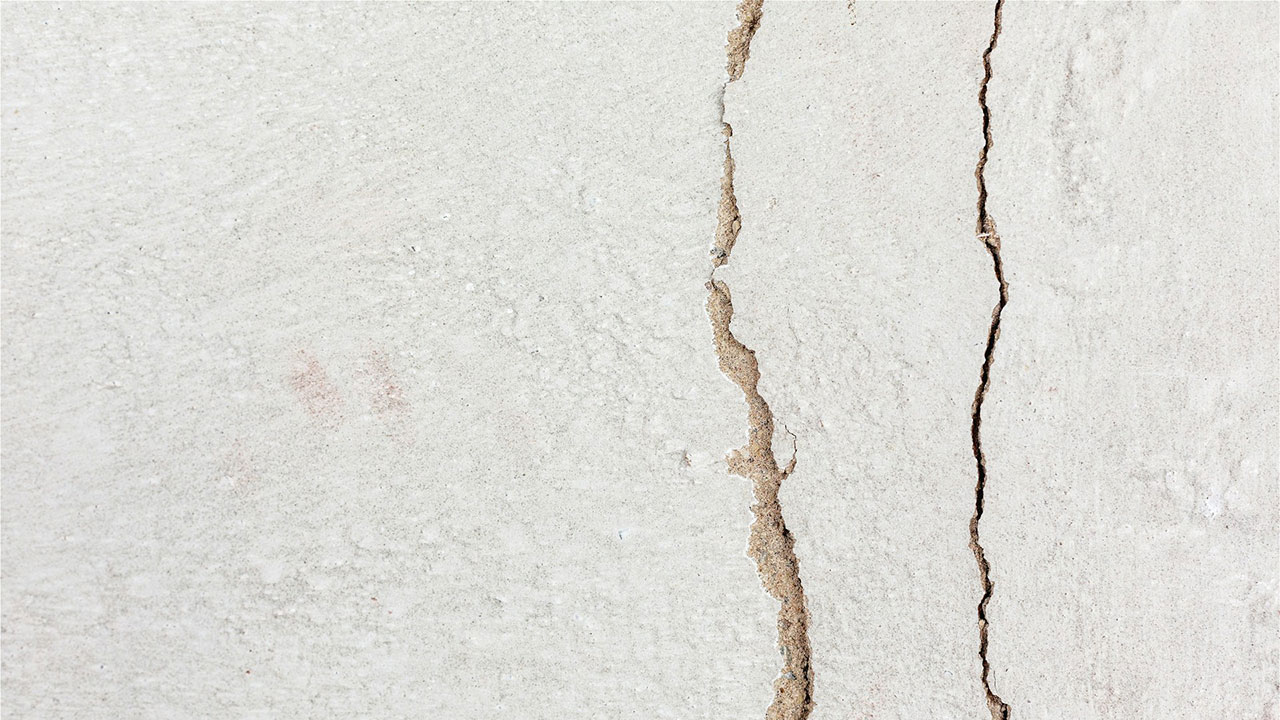
If paint cracks or splits within the first year, it’s usually due to poor surface prep or using the wrong paint type.
Durable jobs last years without issues. Cracks are a sure sign that shortcuts were taken before or during application.
*This article was developed with AI-powered tools and has been carefully reviewed by our editors.