How to copy designer tricks without dpending over $300
Photo credit: V1ktoria/Shutterstock
Interior designers know exactly how to make a space feel polished—and most of their go-to tricks don’t require a luxury budget. If you pay attention to how they layer materials, use scale, and control visual flow, you can get that same high-end look for way less than you’d think.
The key is focusing on changes that look like they took thought, not ones that scream “fast makeover.” With under $300, you can pull off quite a few of their strategies and still make your space feel high-end and intentional.
Layer Rugs for Texture and Size

Designers often use layered rugs to add texture and scale to a space, especially when the budget doesn’t cover one massive high-quality piece. A large jute or flatweave rug underneath a smaller patterned or vintage-style rug can fill the room and add depth.
You’ll get more visual interest without going overboard on pattern. This works well in living rooms, bedrooms, or dining spaces that feel a little empty. Look for budget-friendly options from places like Rugs USA or secondhand sources and pair textures that contrast but still complement each other.
Use Curtains to Fake Taller Ceilings

One of the oldest tricks in the book is hanging curtains higher than the window frame. Mounting them closer to the ceiling draws the eye up and makes the whole room feel bigger and more open.
Stick with curtain panels that go all the way to the floor—no high-water hems. Even budget panels from IKEA or Amazon work if you’re intentional with placement. Avoid short rods or cheap tension bars. A real rod with proper brackets instantly looks more put-together.
Upgrade Light Switches and Outlet Covers
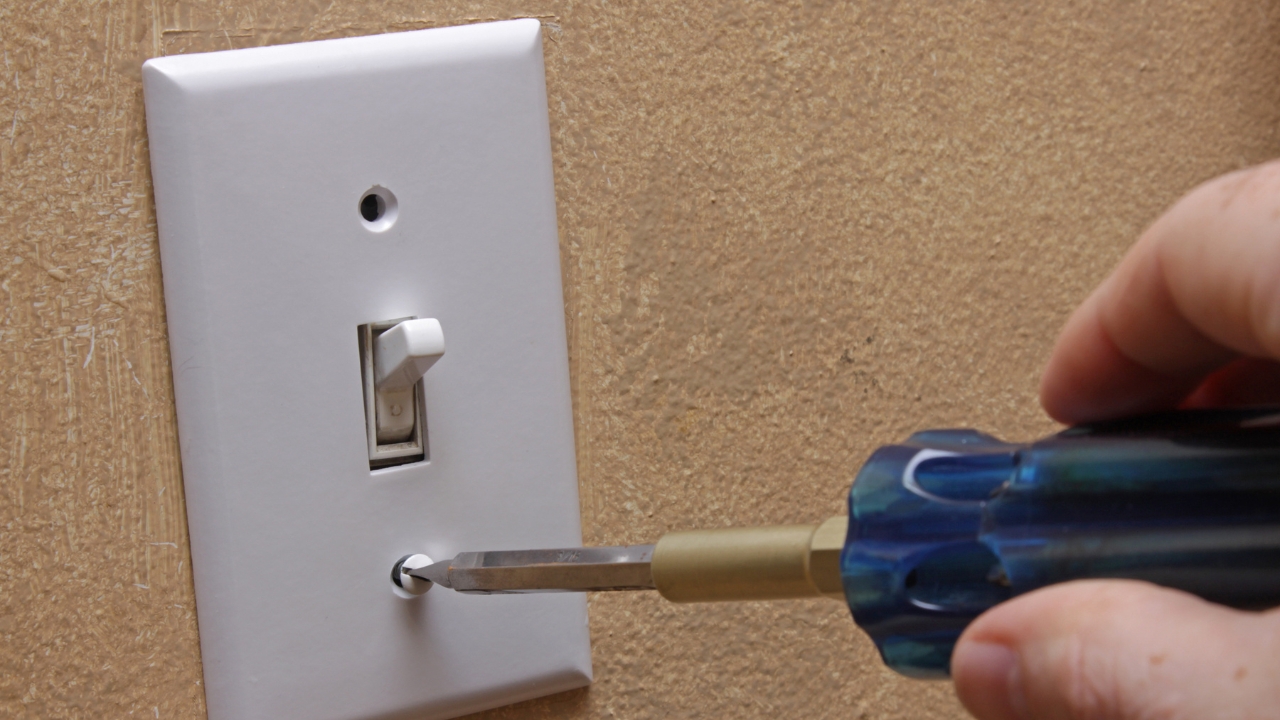
Most homes still have the basic plastic switch plates that yellow over time. Designers often swap these for higher-quality covers that match the tone of the room—brushed brass, matte black, or clean white with sharp lines.
This is one of those updates that doesn’t grab attention right away, but it completely cleans up the visual flow when you notice it. It also makes a big difference when you’re mixing modern and traditional styles or trying to elevate a kitchen or hallway.
Use Large-Scale Art in Key Spots
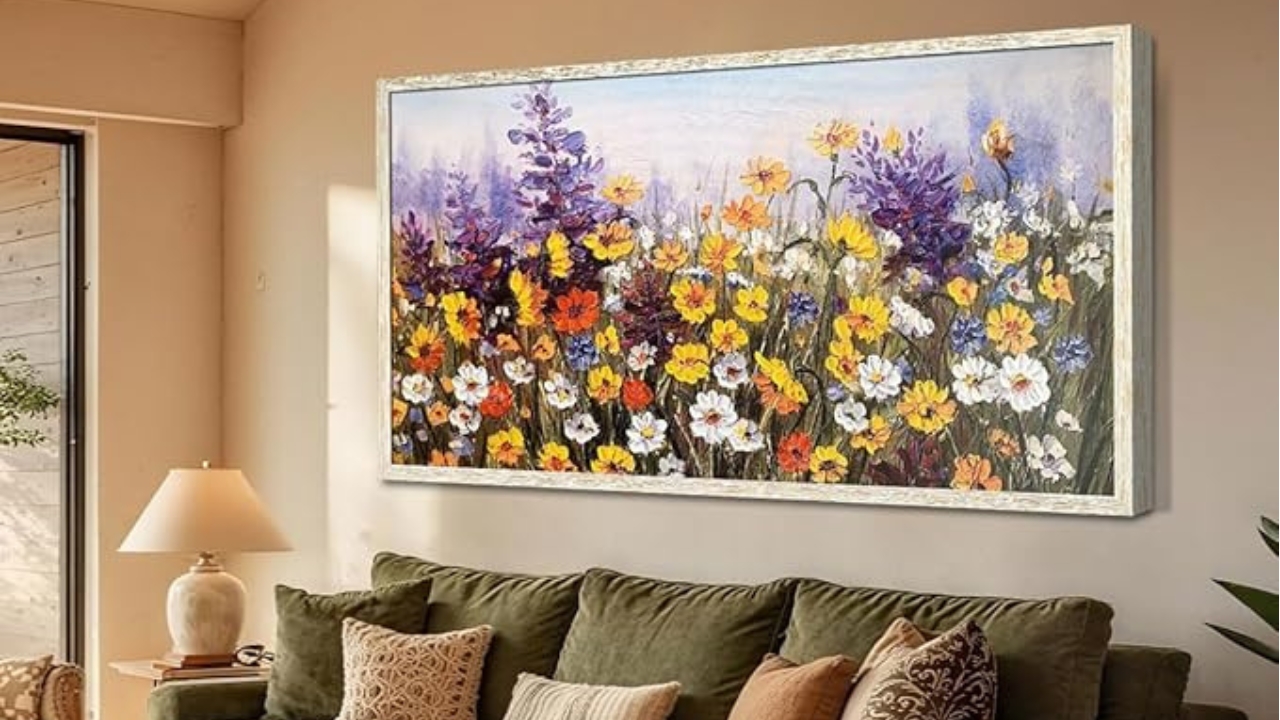
Designers don’t scatter a bunch of tiny prints all over the walls. Instead, they go for large-scale art that fills a space and gives it a point of focus. You can do the same with a budget of under $100 per piece.
Sites like Juniper Print Shop or Etsy offer digital downloads you can print locally. Frame them in poster frames or secondhand wood frames for a higher-end look. Hang them lower than you think to keep them at eye level and make the space feel more grounded.
Swap Out Lampshades for Shape or Texture

You’d be surprised how much a better lampshade can change the whole tone of a room. Designers often change out basic shades for ones with better shape, proportions, or texture.
Think linen shades, oversized cones, or pleated options in neutral tones. You can keep the base you already have and just refresh the top. Make sure the size is proportional to the lamp base and the table or floor space around it. It’s a small detail that really changes how a space reads.
Add Architectural Detail With Trim or Moulding
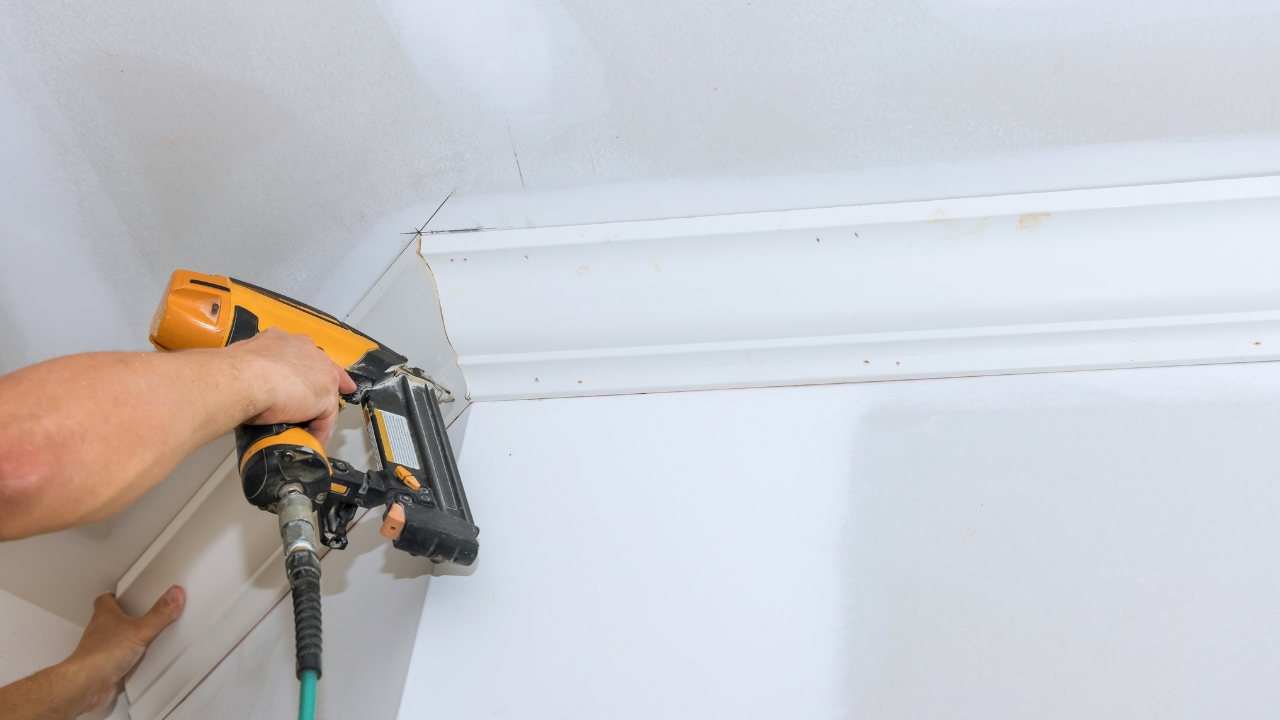
If your walls feel flat, designers would probably add trim to create interest. You can do this affordably with MDF or pine boards and some careful measuring. Try board-and-batten, picture-frame moulding, or even a simple chair rail.
It doesn’t take much to give a blank wall dimension. Paint everything—including the trim—the same color for a more cohesive look. This trick works especially well in entryways, dining rooms, or bedrooms that need a little more character.
Stick With a Tight Color Palette

One of the fastest ways to make a home feel disjointed is too many competing colors. Designers keep things consistent by repeating tones across rooms—using the same color family in furniture, decor, and wall paint.
You don’t have to repaint everything. Sometimes it’s just choosing throw pillows, curtains, or art in the same undertones. Limiting your palette makes the whole home feel more pulled together, even if each item was bought on sale or secondhand.
Use Pairs to Add Symmetry

Designers rely on symmetry to make a space feel balanced. You’ll often see pairs—matching lamps, chairs, or nightstands—anchoring a space and giving it a more structured feel.
Even if you’re not working with a perfect layout, adding pairs helps create intentionality. You can get two lamps for under $100, or flank a couch with matching side tables. It’s one of those tricks that instantly makes a room feel like it was designed, not pieced together.
Replace Builder-Grade Lighting
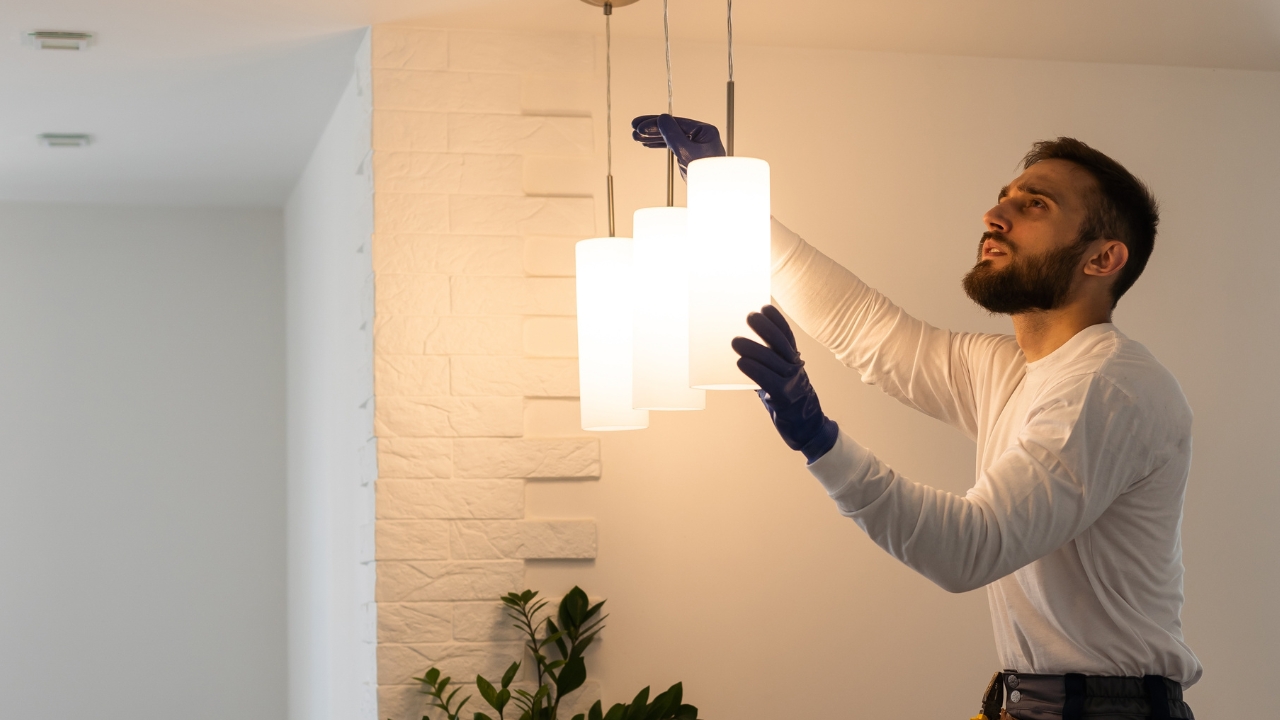
If your house still has the same flush mounts it came with, swapping out even one or two of them can completely change how finished it feels. Designers are picky about scale and shape when choosing light fixtures.
You don’t need high-end brands—places like World Market or Wayfair have good options under $150. Prioritize visible areas like the entryway, dining room, or main hallway. Choose lights that feel substantial and suit the rest of the finishes in the room.
Mix Textures, Not Just Styles
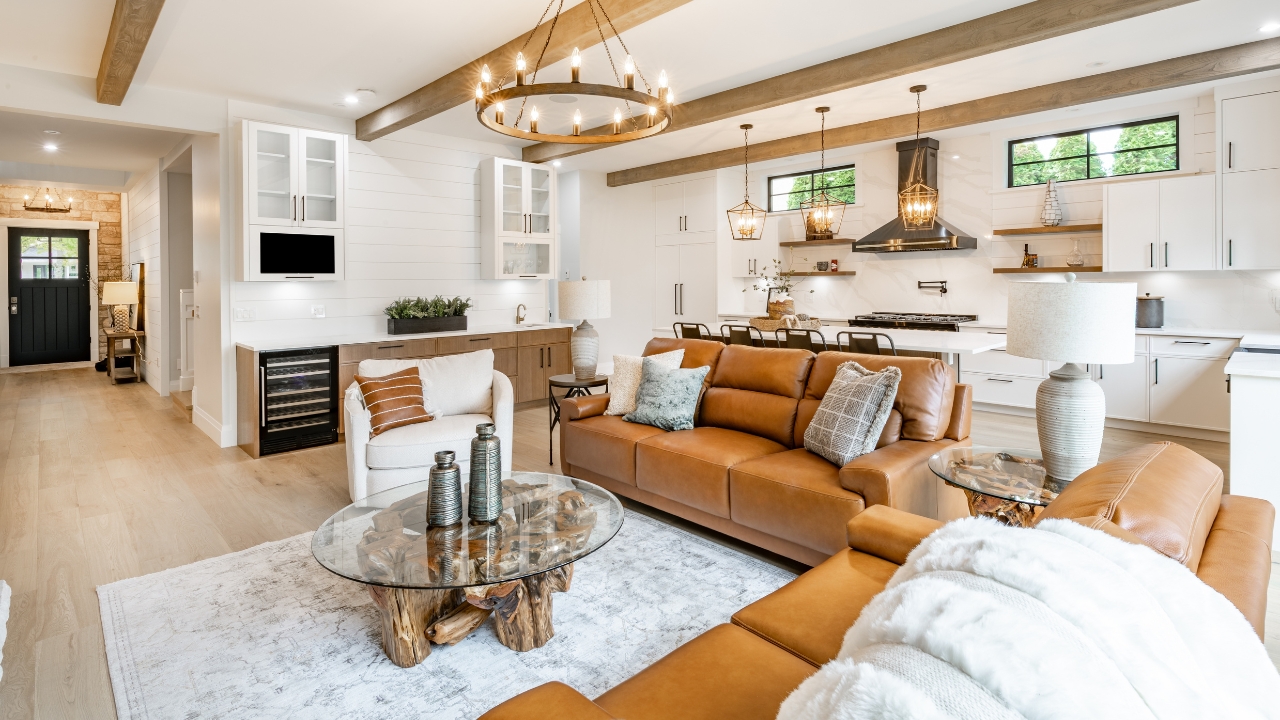
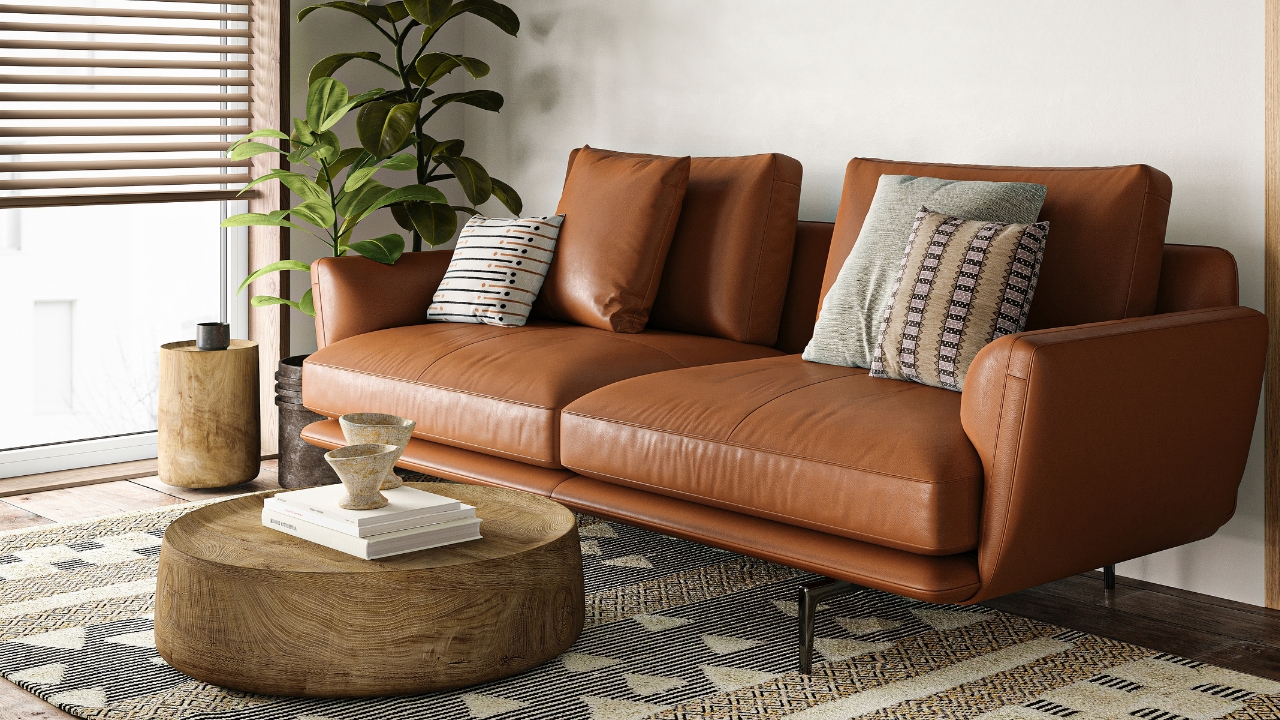
Good designers don’t only think about color or layout—they think about how each surface feels. A room with all the same finish (too much smooth wood or too much glass) feels flat. But mixing textures—linen, leather, wood, ceramic—makes it feel layered.
You can do this with affordable items like throw blankets, pillow covers, vases, baskets, or even table runners. The goal isn’t clutter—it’s depth. Mixing materials keeps the space from looking like a set and makes it feel more custom without touching the walls.
*This article was developed with AI-powered tools and has been carefully reviewed by our editors.