10 Home Remodeling Mistakes to Avoid
Photo credit: Virrage Images/ Shutterstock.
Remodeling your home can be exciting, but it’s also full of potential chaos. It’s all too easy to get caught up in the excitement of new designs and upgrades, only to realize later that a few missteps have cost you time, money, or peace of mind.
The good news? Most of these missteps are avoidable if you know what to watch out for. Let’s look at some common mistakes and how to sidestep them so your project goes as smoothly as possible.
Don’t Jump Into Remodeling Without a Plan
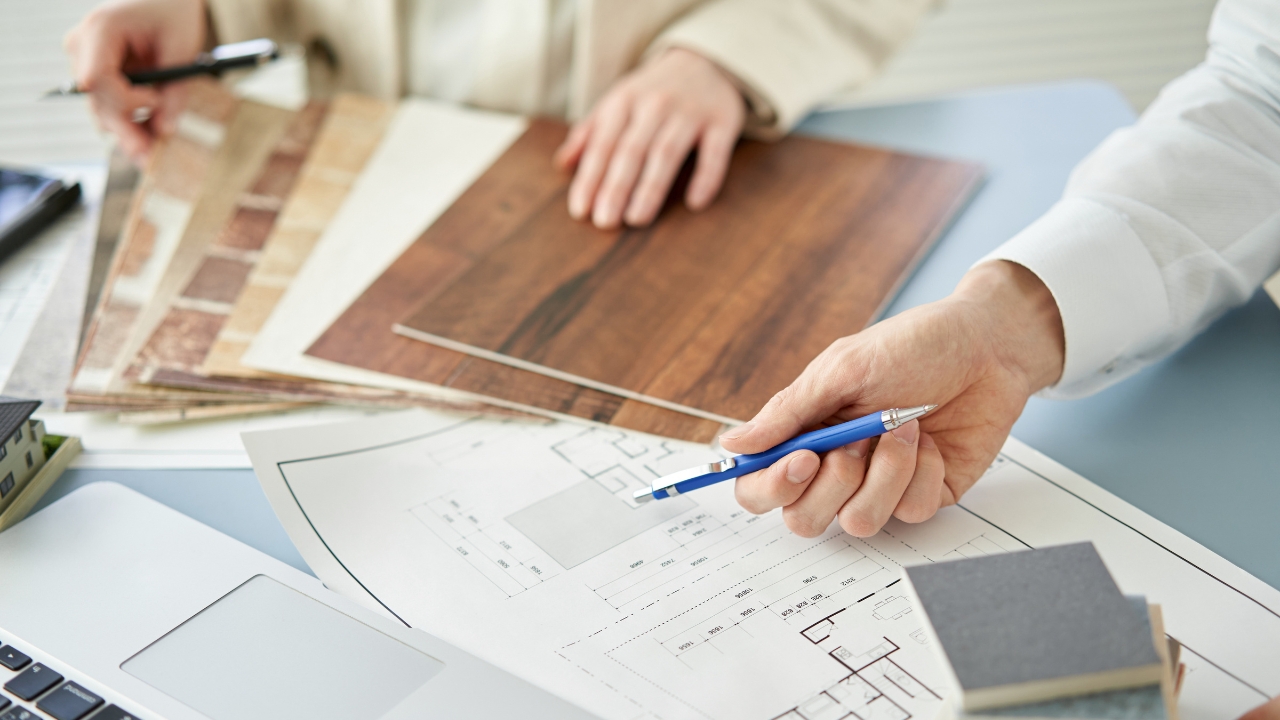
Take your time and get to know your space before picking up a sledgehammer. If you rush into a remodeling project, you might end up regretting it. Living in your home for a while helps you understand how the layout actually works. Maybe that wall you thought about tearing down keeps the kitchen cozy, or the dining area feels better left separate. The point is, what you think you need on day one might not match what the house actually needs.
Planning isn’t just helpful—it’s essential. You’ll need measurements, interviews with contractors, and plenty of back-and-forth over materials and designs. Even small projects, like a bathroom refresh, can take weeks of prep work. Skipping these steps can lead to expensive mistakes and a whole lot of stress.
Skipping Research Is a Big No-No
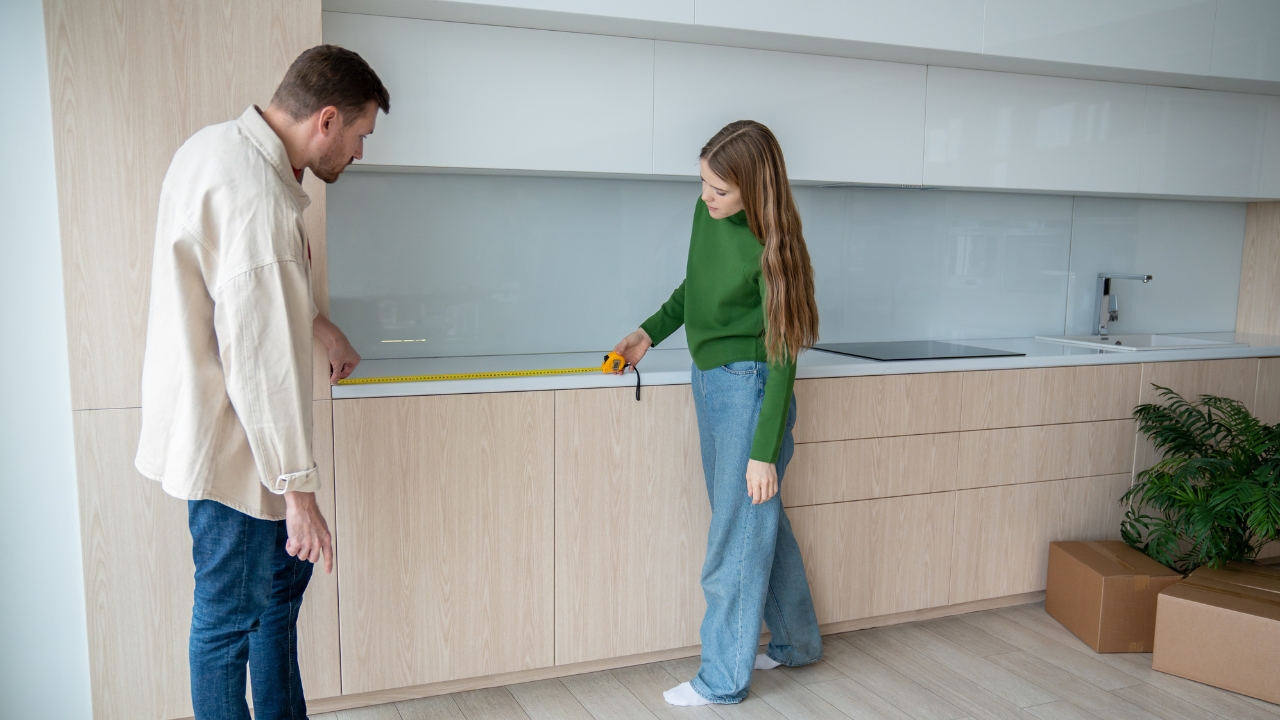
Research is the backbone of any successful remodeling project. This isn’t just about picking pretty tiles or the perfect shade of paint—though that’s part of the fun. It’s about understanding your space and what’s realistic. Check what kind of plumbing or wiring you’re dealing with before you plan upgrades, and make sure your measurements are spot-on to avoid costly do-overs.
Research also means vetting contractors thoroughly. Meet a few, compare their bids, and see who you click with. Pay attention to reviews (especially the not-so-great ones) to spot red flags. A contractor who listens, communicates well, and respects your ideas will make the whole process smoother. It’s better to spend a little extra time on research than to end up with a mess you’ll have to fix later.
Keep Track of Everything During Your Remodel
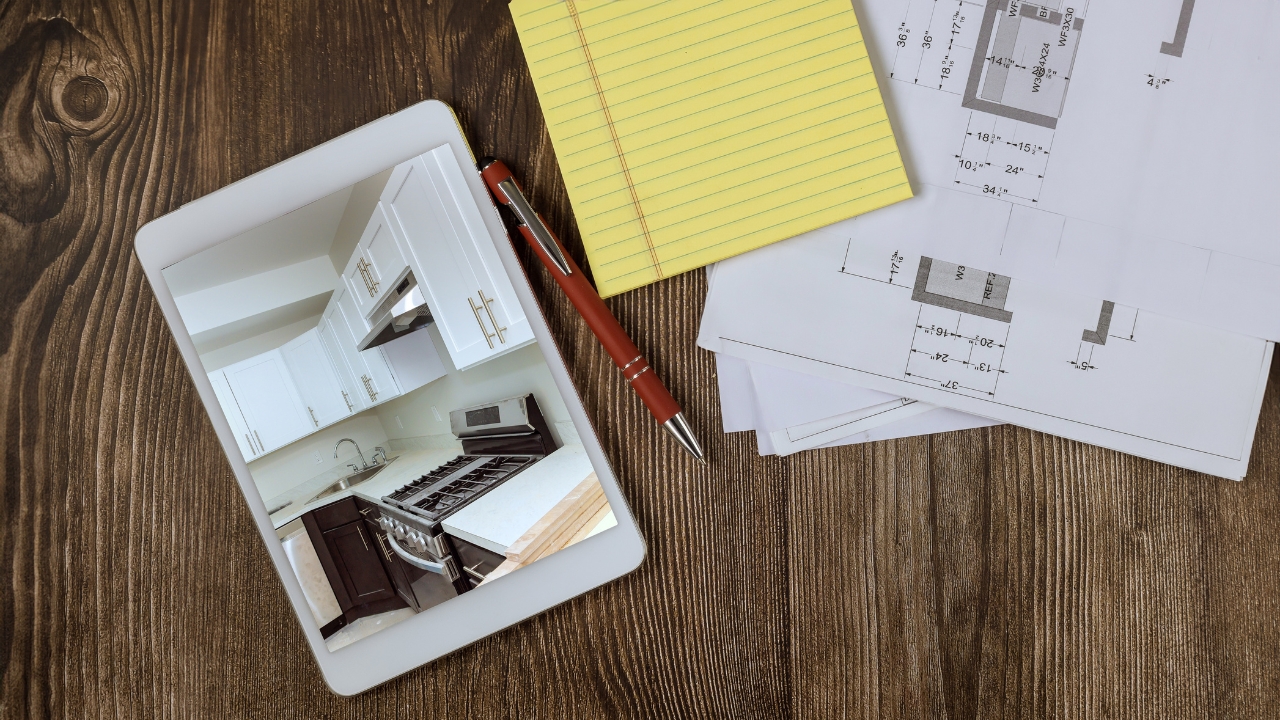
Losing track of details in a remodel is like forgetting the name of that amazing restaurant you swore you’d remember. You don’t want to be stuck trying to recall which tile sample you loved or which contractor made that promise about a discount. A little documentation goes a long way. Keep a running list of product details, prices, and contractor notes. Snap photos of items you like and jot down specifics—trust me, your future self will thank you.
Documentation isn’t just about staying organized; it’s your safety net. If something goes wrong, like a contractor damaging your floors, having a photo or a written record can make all the difference. Being organized keeps your budget and your sanity in check throughout the process.
Don’t Fall for the Lowest Quote Trap
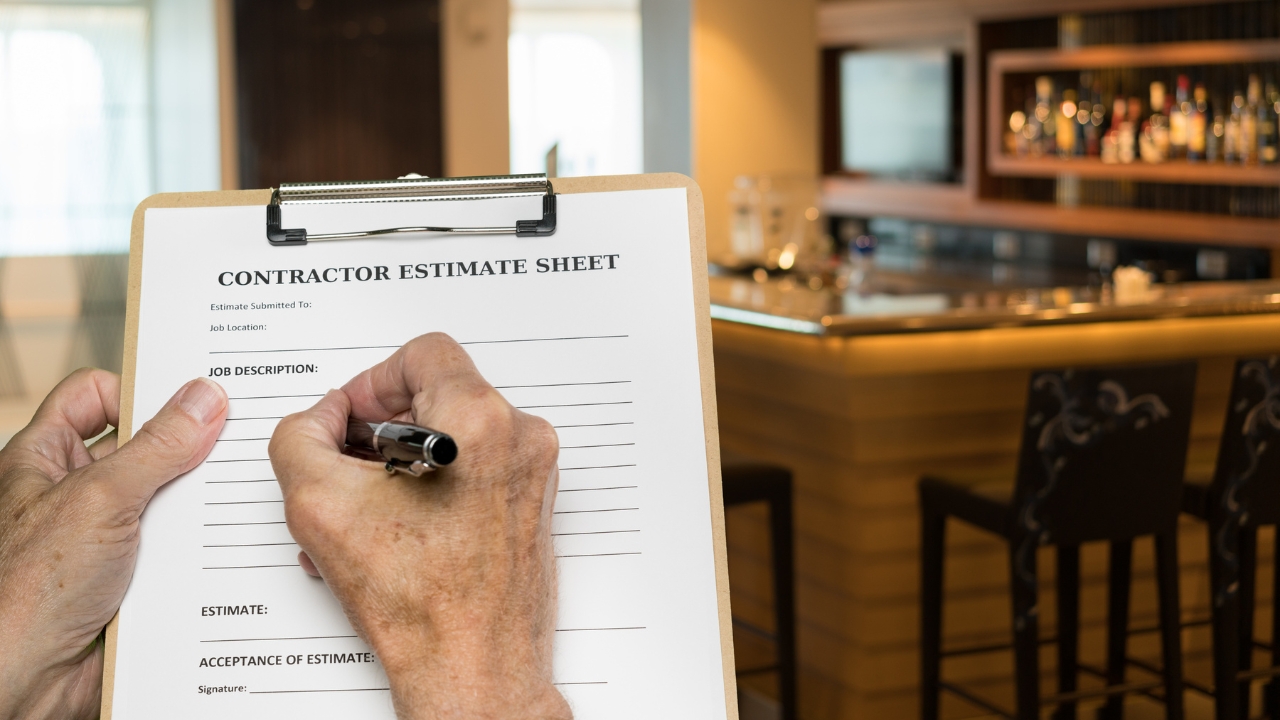
When you’re gathering contractor quotes, it’s tempting to jump on the lowest price. But hold up—cheaper doesn’t always mean better. If one bid comes in way lower than the rest, it’s worth asking why. Are they using lower-quality materials? Cutting corners on labor? You don’t want a bargain today that turns into a headache tomorrow.
Compare quotes carefully. The middle-range bid often strikes the best balance between cost and quality, but don’t skip the fine print. Sometimes the higher bid includes perks like better materials or a more detailed timeline. Saving money upfront feels good, but avoiding costly mistakes later feels even better.
Always Set a Realistic Budget
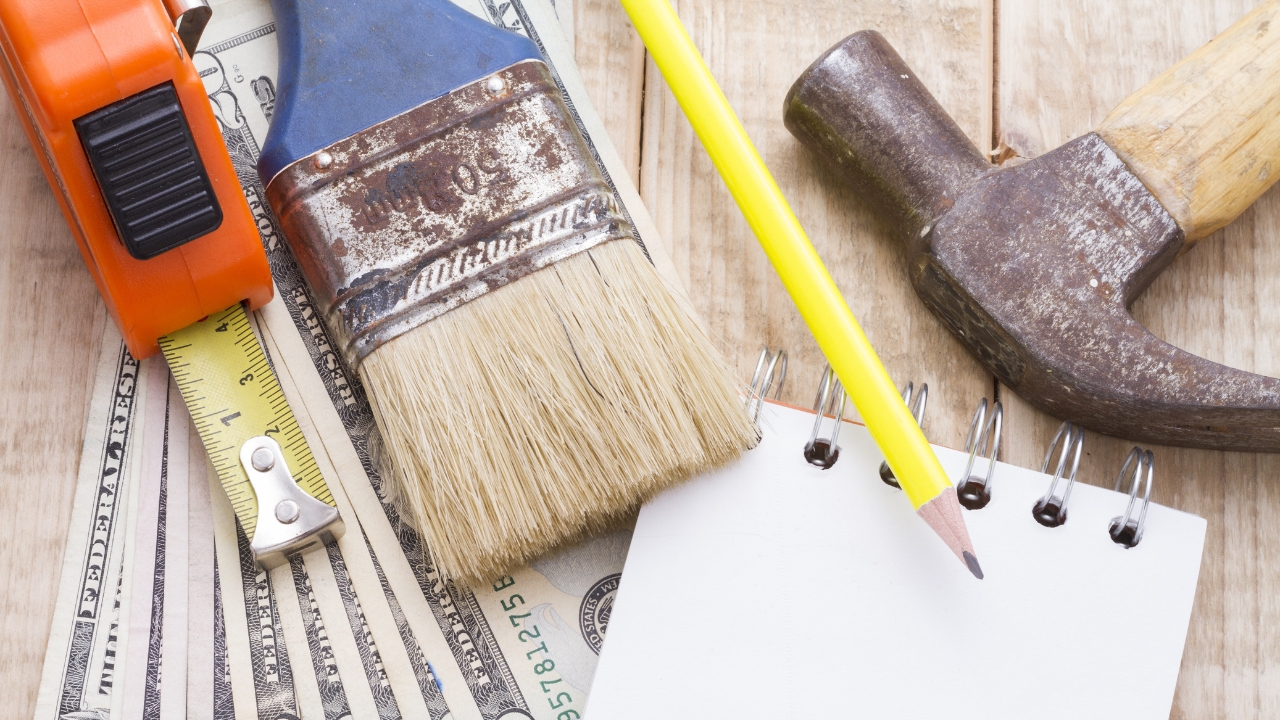
Remodeling costs can sneak up on you fast. Even small upgrades like swapping out light fixtures or painting a room can add up quickly. Before you know it, your “small update” could become a budget buster. Knowing exactly how much you can spend—and sticking to it—is crucial. When meeting contractors, having a clear budget upfront helps them give you accurate estimates and helps you avoid financial surprises.
Budgeting isn’t just about the big-ticket items like countertops or appliances. Don’t forget to account for permits, potential delays, and unexpected expenses. A well-thought-out budget is your roadmap, ensuring your project doesn’t spiral into financial chaos.
Never Skip Permits for Your Remodel

Permits might feel like a hassle, but they’re there for a reason. They ensure your project meets safety standards and complies with local codes. If your remodel involves electrical, plumbing, or structural changes, a permit is almost always required. It’s not just about following the rules—it’s about protecting your investment and your safety.
The risks of skipping permits aren’t worth it. If unpermitted work gets flagged, you could face fines, delays, or even be forced to redo the project entirely. And when it’s time to sell, buyers may balk at a home with undocumented renovations. Worse, if something goes wrong—like a wall collapsing or a pipe bursting—your insurance might not cover the damage. It’s better to deal with the paperwork now than to pay for it later.
Avoid Mixing Trends with Your Home’s Style
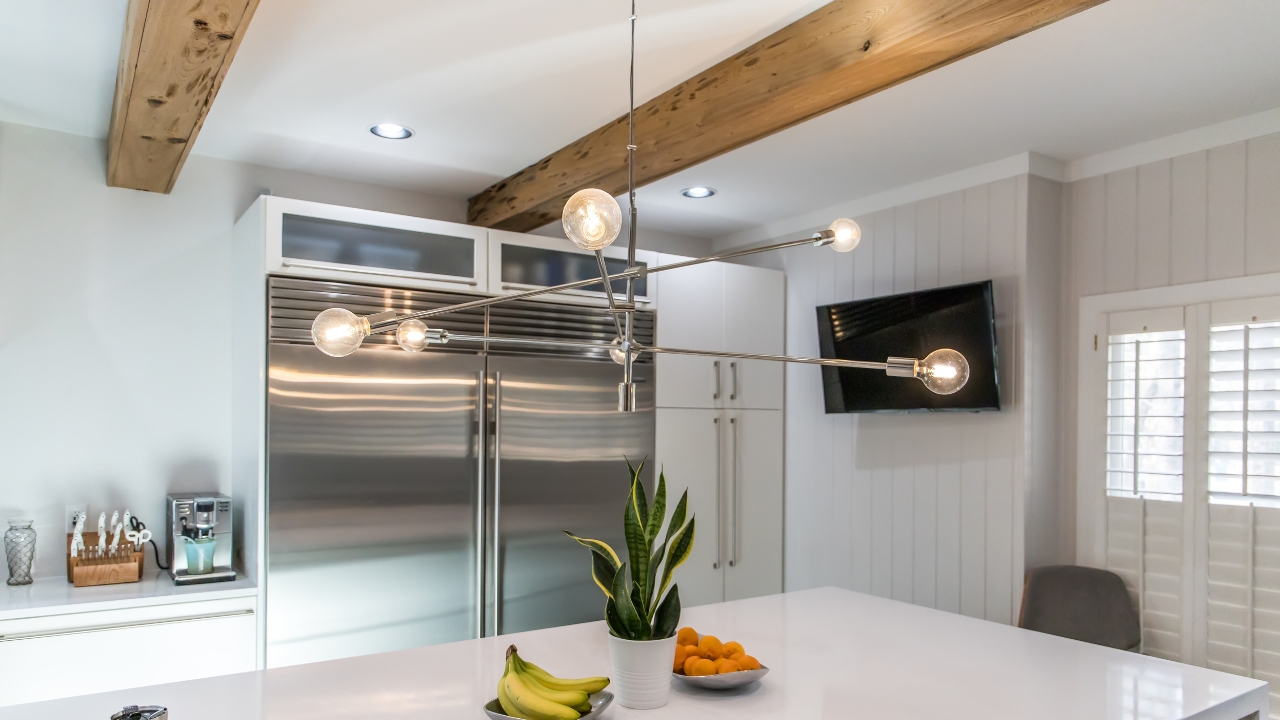
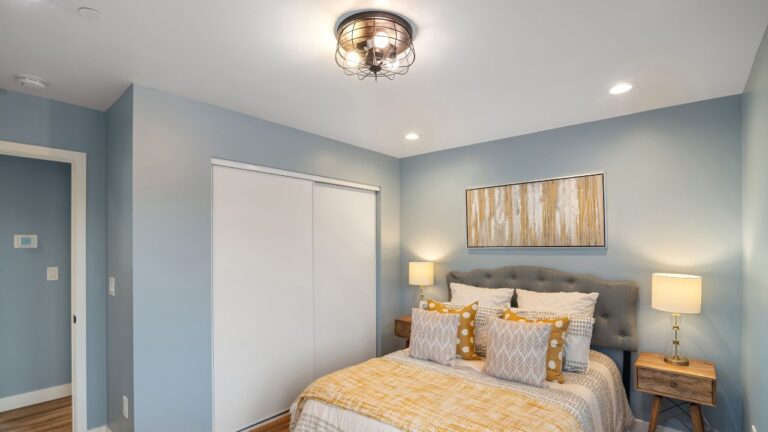
Trendy doesn’t always mean timeless, especially when it clashes with your home’s architecture. A sleek, modern light fixture might look great on its own but feel out of place in a Colonial home. Or that all-black kitchen trend? It might rob a charming Cape Cod cottage of its warmth and character. Your home’s unique style deserves thoughtful design choices that enhance its beauty rather than fight against it.
Instead of chasing fleeting trends, focus on updates that align with your home’s core aesthetic. Trends come and go, but a well-matched design can boost your home’s value and create a space you’ll love for years to come. Trust me, it’s better to work with your home’s personality than against it.
Stop Changing Plans Mid-Remodel
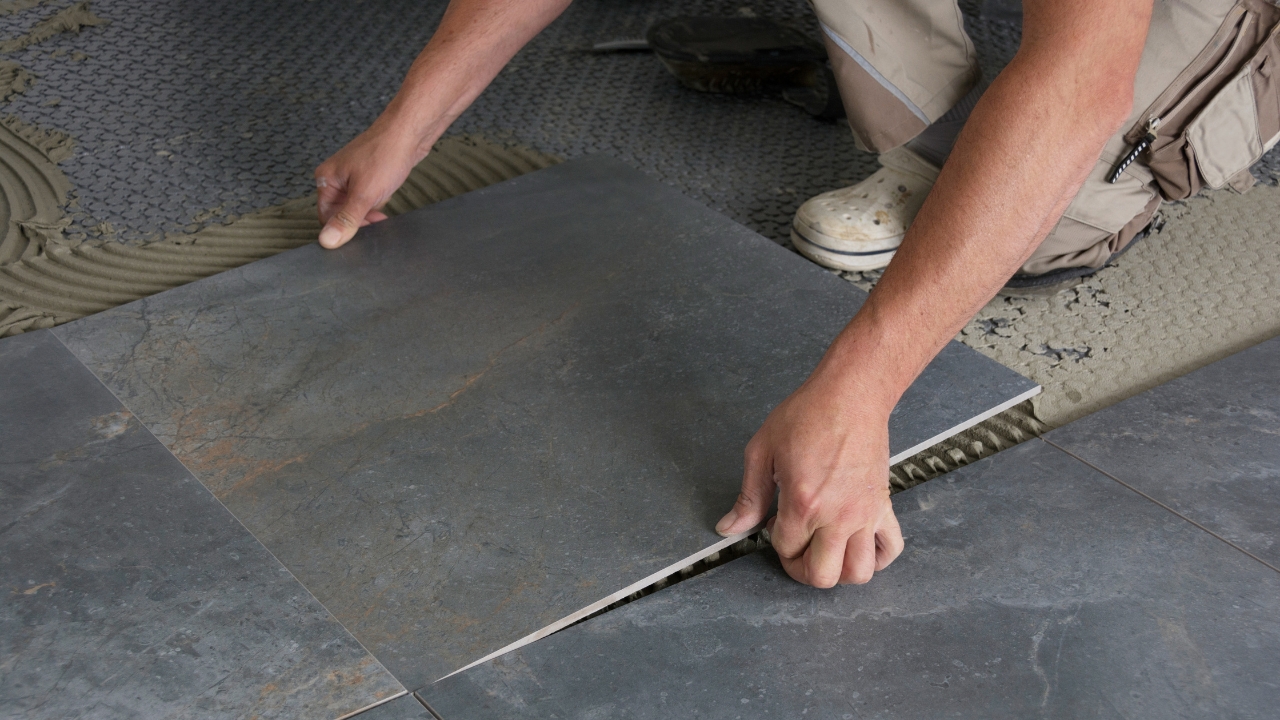
Making big changes once your remodel is underway can cost you—literally. Sure, that tile you picked might not look perfect once it’s in the room, but sticking to the original plan saves you time, money, and headaches. Constantly revising plans frustrates your contractor and can delay the entire project, sometimes by weeks.
Most contractors build in opportunities for changes before construction starts, like walkthroughs or detailed reviews of your design plans. Use those moments to finalize your decisions. Once work begins, changing structural or design elements can lead to wasted materials, higher costs, and an extended timeline. Planning ahead is your best friend when it comes to remodeling.
Don’t Skip Safety Precautions
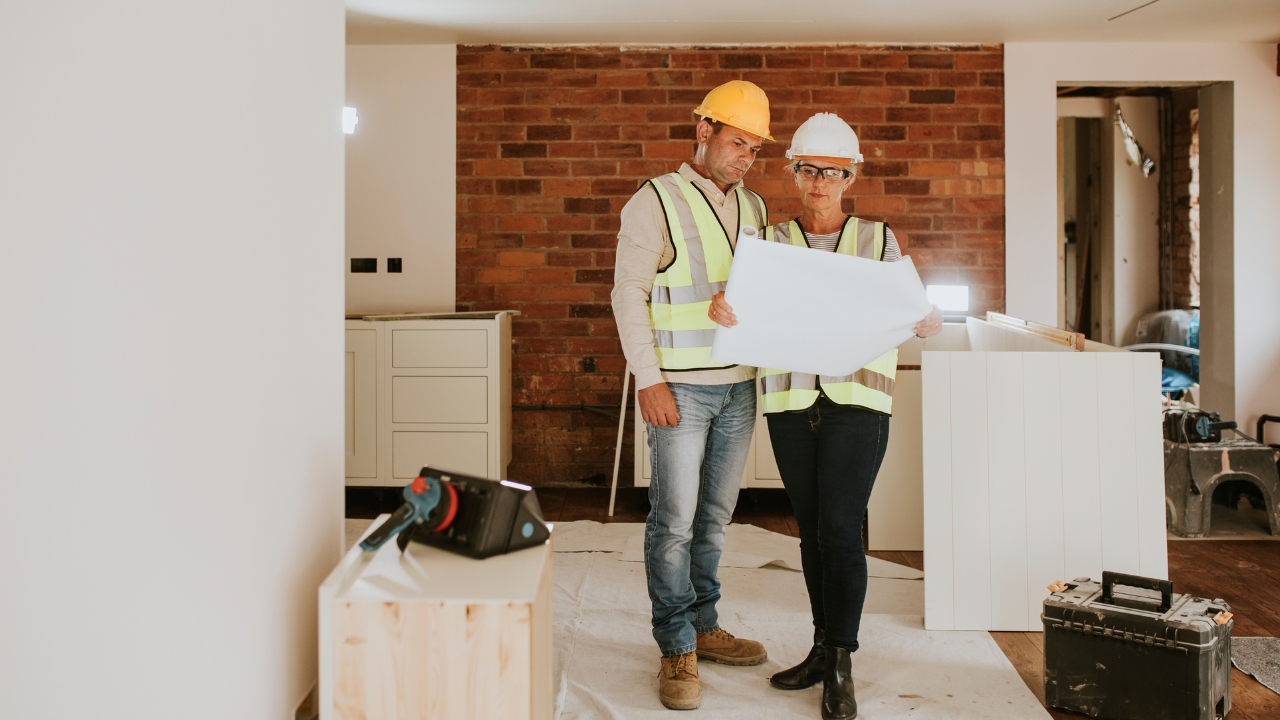
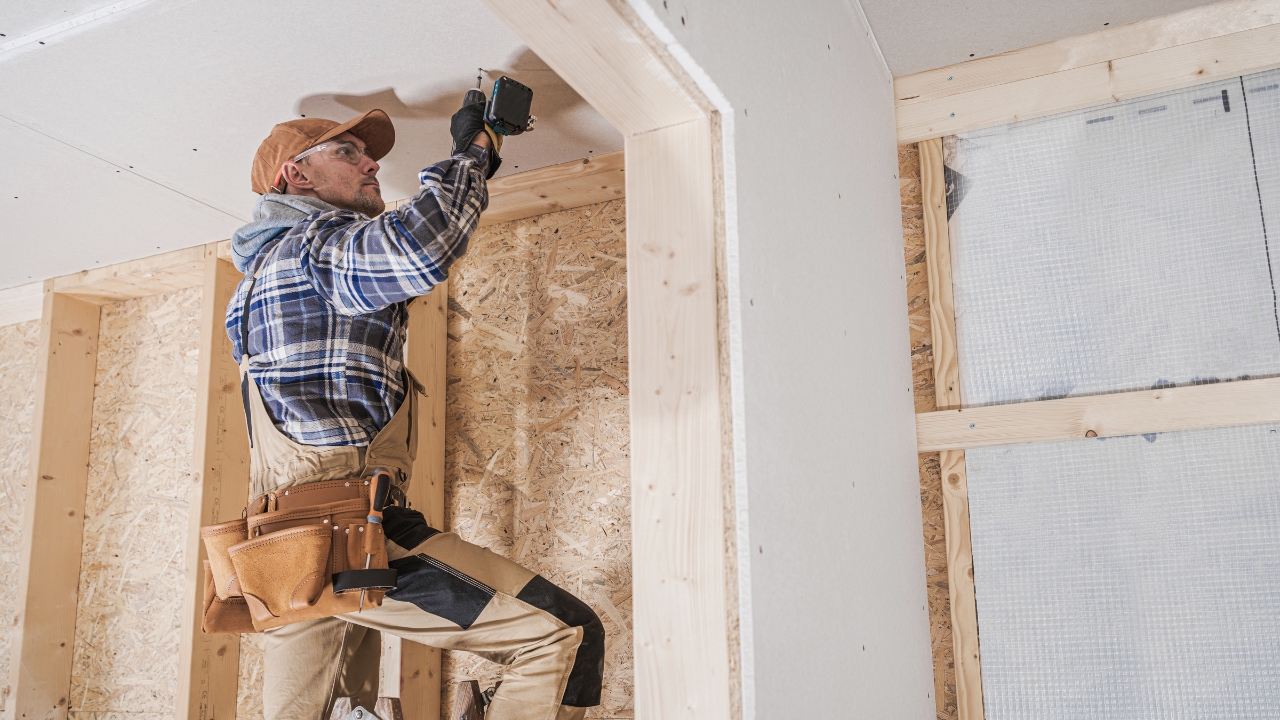
Safety should always come first during any remodel. It’s not just about permits—though those are critical—but also about creating a safe environment for everyone involved. Wear the right gear: gloves, goggles, masks, or even a hardhat if demolition is on the agenda. If you’re using chemicals or dealing with old materials, fans and plastic sheeting can minimize exposure to fumes and dust.
If you’ve hired contractors, don’t hesitate to ask about their safety protocols. Whether it’s cutting off electricity before work starts or testing for asbestos in older homes, safety isn’t something to skimp on.
Trust Your Instincts and Speak Up
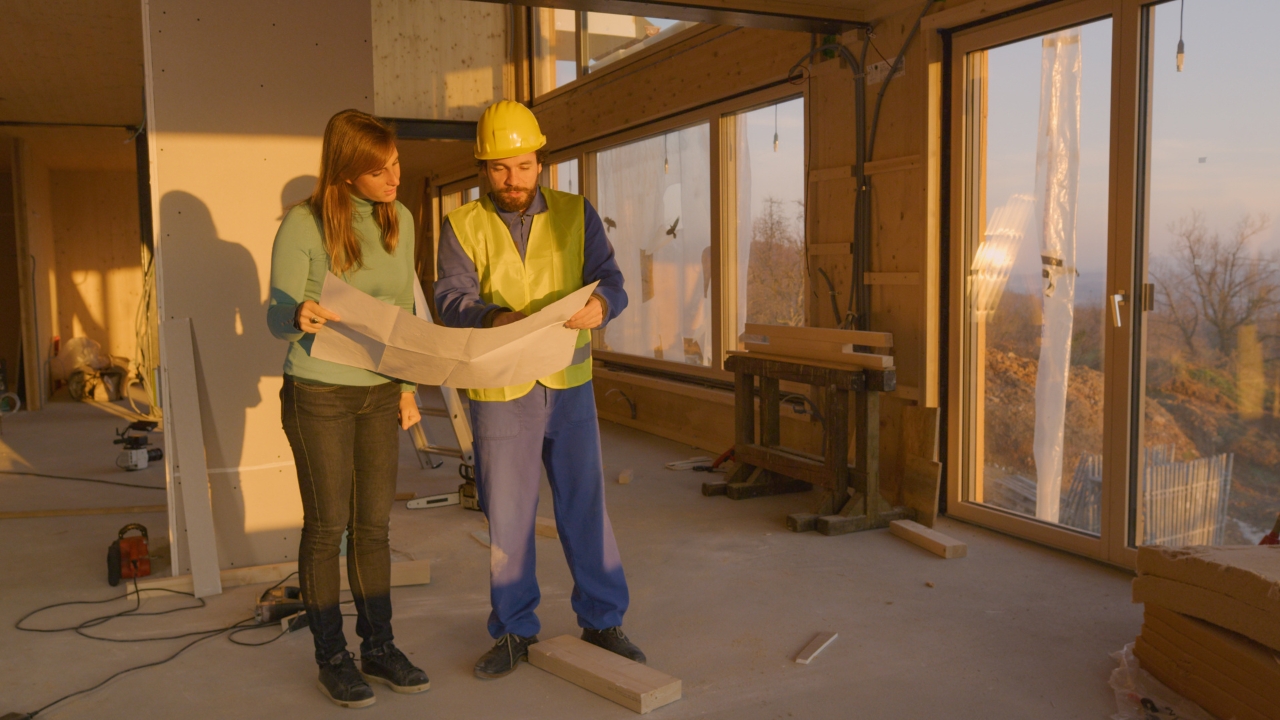
When something feels off during a remodel, trust that feeling. Maybe the numbers don’t add up, or a contractor’s explanation doesn’t sit right. Whatever the situation, your instincts are worth listening to. A good contractor will take your concerns seriously and either adjust their approach or explain why changes were necessary.
At the end of the day, this is your home and your investment. If something seems wrong, it’s better to address it early than to deal with regret later.
*This article was developed with AI-powered tools and has been carefully reviewed by our editors.