
10 habits that can raise your electric bill by over $800/year
Photo credit: Tatiana Diuvbanova/Shutterstock
It’s easy to blame high electric bills on big things like the weather or an old HVAC system, but a lot of the time, it’s the everyday habits that do the real damage. Small choices you make without thinking can add up to hundreds of extra dollars over the course of a year. By breaking these habits, you not only lower your bill but also make your home run more efficiently. Here are the sneaky ways those little routines can drain your wallet.
Leaving Lights On in Empty Rooms

Walking out of a room and leaving the lights on might feel harmless, but when it happens multiple times a day, the costs pile up fast. Even with energy-efficient bulbs, wasted usage adds unnecessary dollars to your bill every month.
If you multiply that across several rooms and the whole year, it can easily add up to over $100 or more. Being mindful or installing motion-sensor bulbs in high-traffic areas can cut down on this without changing your lifestyle too much.
Running Half-Empty Laundry Loads
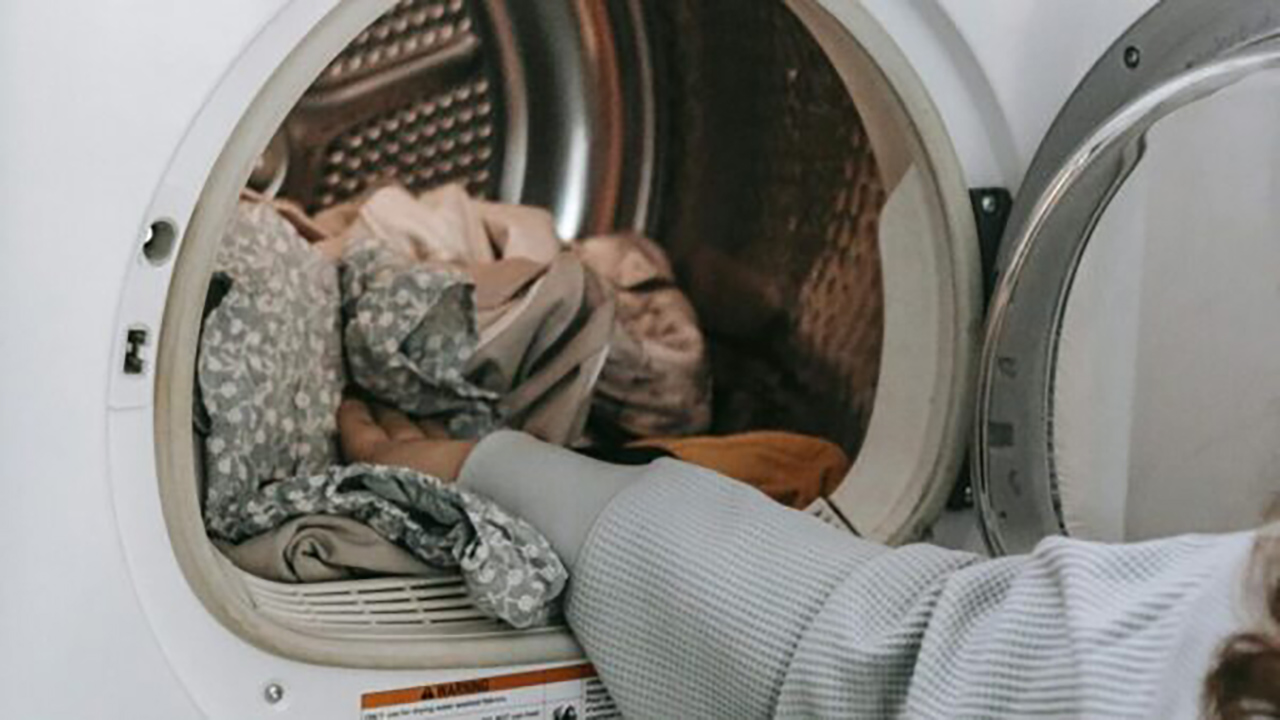
A quick small load of laundry here and there seems convenient, but your washer and dryer don’t care how full the drum is—they use the same amount of energy. Dryers especially are one of the highest energy users in most households.
By consistently running partial loads, you’re essentially doubling your electricity use for no reason. Waiting until you have a full load before washing and drying can save you hundreds annually.
Forgetting to Unplug Chargers
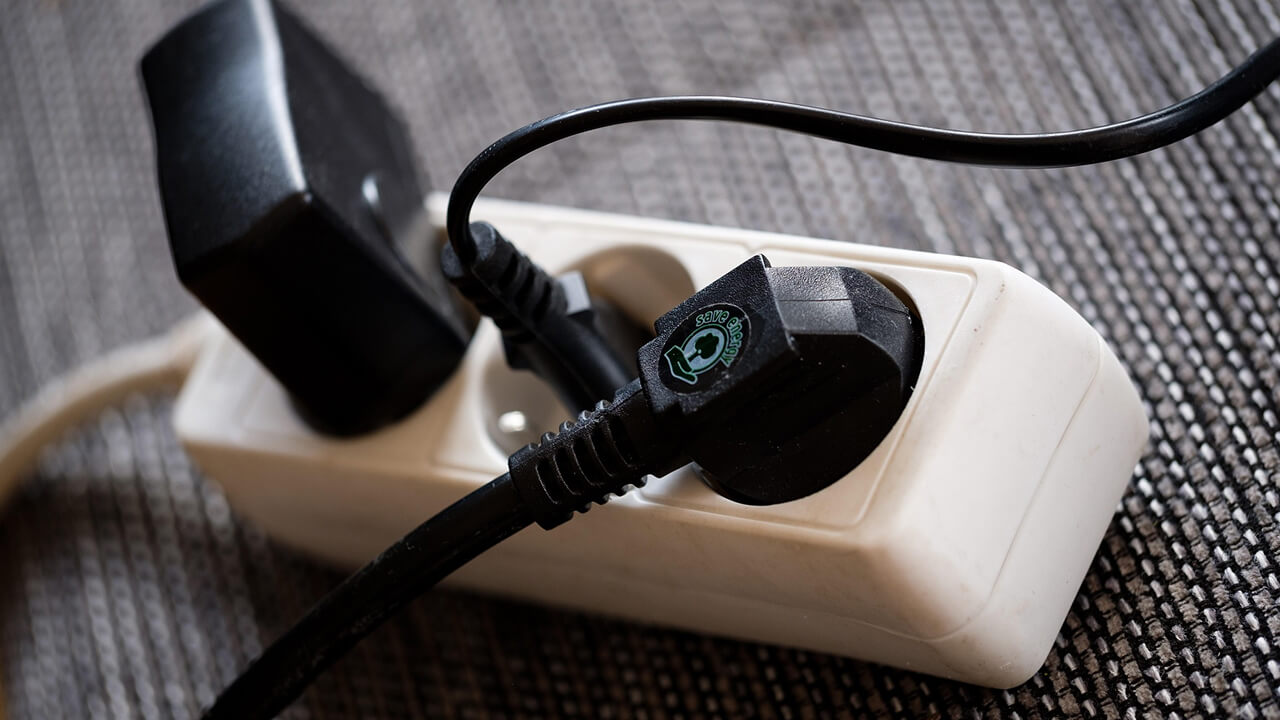
Phone chargers, laptop adapters, and other plugs draw power even when nothing is connected to them. It’s called phantom power, and while it’s small individually, it adds up quickly when you leave several plugged in around the house.
If you have a dozen or more devices constantly sipping energy 24/7, that’s money slipping away every single day. Using a power strip makes it easy to cut them all off at once.
Using Old Incandescent Bulbs
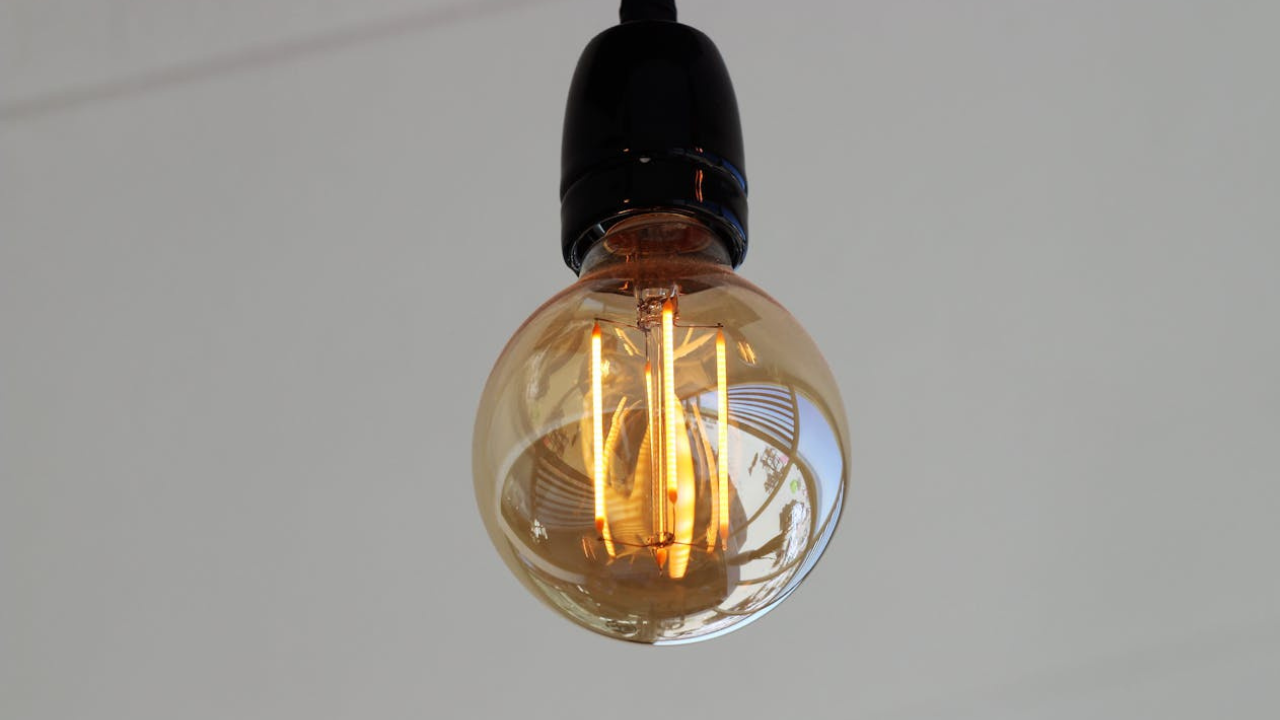
If you still have old incandescent bulbs burning in parts of your house, they’re eating away at your electric bill. They use up to five times more energy than LEDs, and they burn out faster, which means you’re also spending more on replacements.
Swapping the most-used bulbs in your home, like those in the kitchen or bathroom, can save you around $75 a year or more while lasting for years before you need to replace them again.
Cranking the Thermostat Too Low or High

Adjusting your thermostat by a few degrees makes a bigger difference than you think. Every degree lower in winter or higher in summer means your HVAC system runs longer, costing you extra every single day.
If your family likes the house cold in summer or overly warm in winter, the added energy can easily tack on several hundred dollars a year. A programmable thermostat can help you balance comfort with savings.
Forgetting to Change Air Filters

A dirty filter forces your HVAC system to work harder, which uses more electricity. It also shortens the lifespan of your system, which is a much bigger expense down the road.
Changing your filters every 1–3 months keeps airflow efficient and your system running smoothly. Skipping this small step could easily account for $100 or more a year in wasted energy.
Letting the TV Run in the Background

Leaving the TV on for background noise while you do chores or scroll your phone might seem harmless, but it’s another constant draw of power. Add in streaming devices or sound systems, and the cost multiplies.
Even a modern flat screen uses enough energy that keeping it on all day can add $50–100 to your bill annually. Using a smart speaker or radio for background sound is much cheaper.
Overusing the Dryer Instead of Air Drying

The clothes dryer is one of the biggest energy hogs in the home. Tossing in every load, even towels or sheets that could be air dried, means your bill takes a hit month after month.
Air drying when possible—like on a drying rack or outside—can shave a noticeable chunk off your bill. Even cutting your dryer use by a third can save you well over $100 a year.
Ignoring Drafts Around Doors and Windows
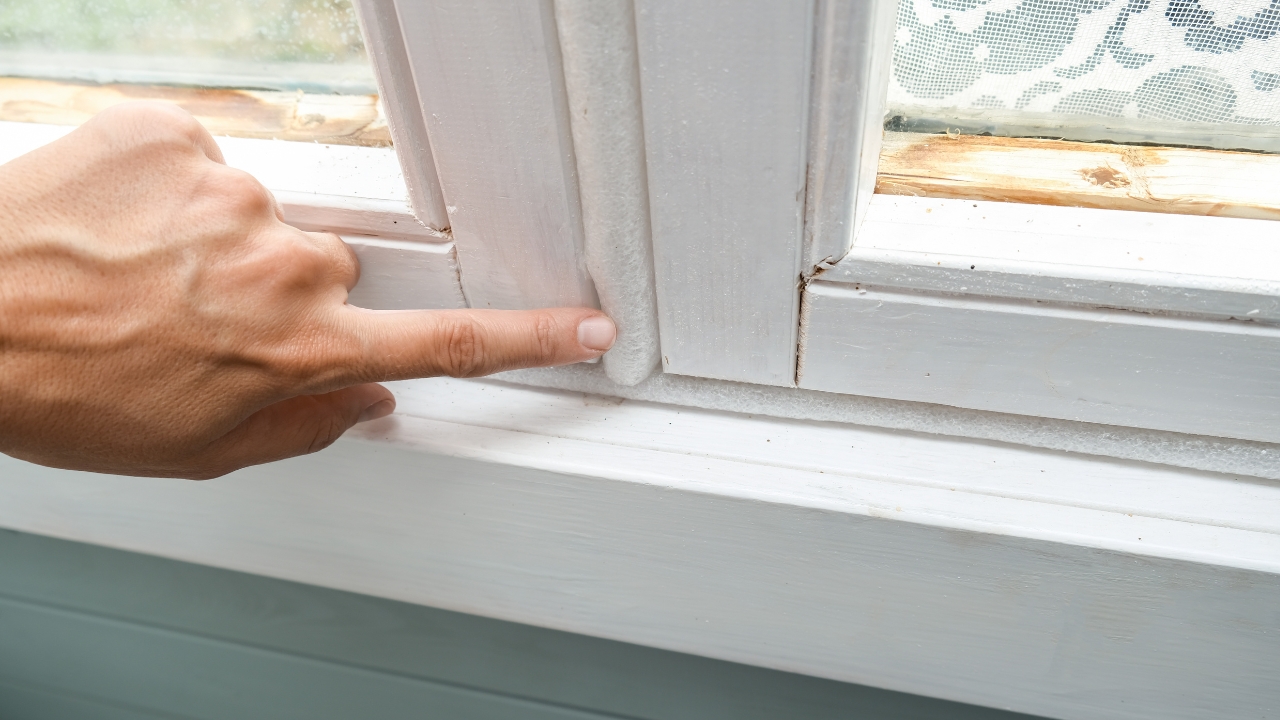
Drafts may feel small, but they let conditioned air escape and force your system to cycle more often. Even a tiny leak around a window frame or door sweep can raise your electric bill significantly over time.
For under $25, you can seal most of these spots with weatherstripping or caulk. Ignoring them can cost you hundreds a year in wasted heating and cooling.
Running Appliances During Peak Hours

Using your dishwasher, washer, or dryer during peak hours can cost more depending on your utility provider. In many areas, electricity rates are higher in the late afternoon and evening when demand is highest.
By running those appliances earlier in the morning or later at night, you can lower your bill without doing anything differently. Over the course of a year, those small shifts can save you well over $100.
*This article was developed with AI-powered tools and has been carefully reviewed by our editors.