Design trends that are officially out in 2026
Photo credit: ocwarfford/Shutterstock
Every year brings a few design trends that quietly fade away—and 2026 is no exception. What once felt fresh and modern now feels overused or high-maintenance.
Designers are shifting toward spaces that feel lived-in, layered, and natural instead of overly styled. If you’re updating your home soon, these are the trends that experts say are finally on their way out.
All-white kitchens
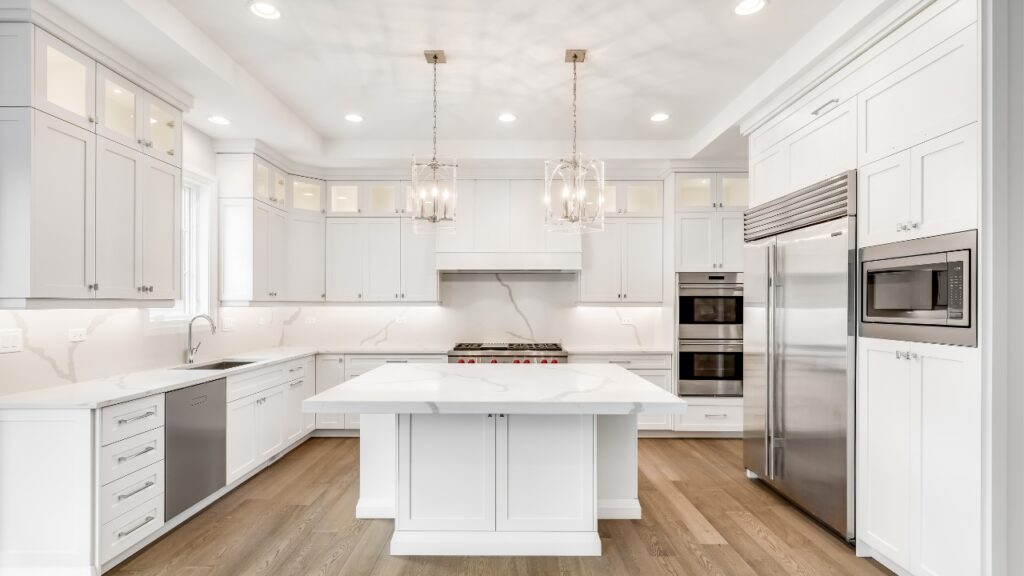
White cabinets, white walls, and white countertops had their run, but designers are officially over the sterile look. They’re replacing it with warmer tones—creamy off-whites, taupe, or even muted greens and blues.
Texture and contrast are taking over where blank white once ruled. The new goal is a kitchen that feels warm and functional, not like a showroom that’s never been used.
Gray interiors
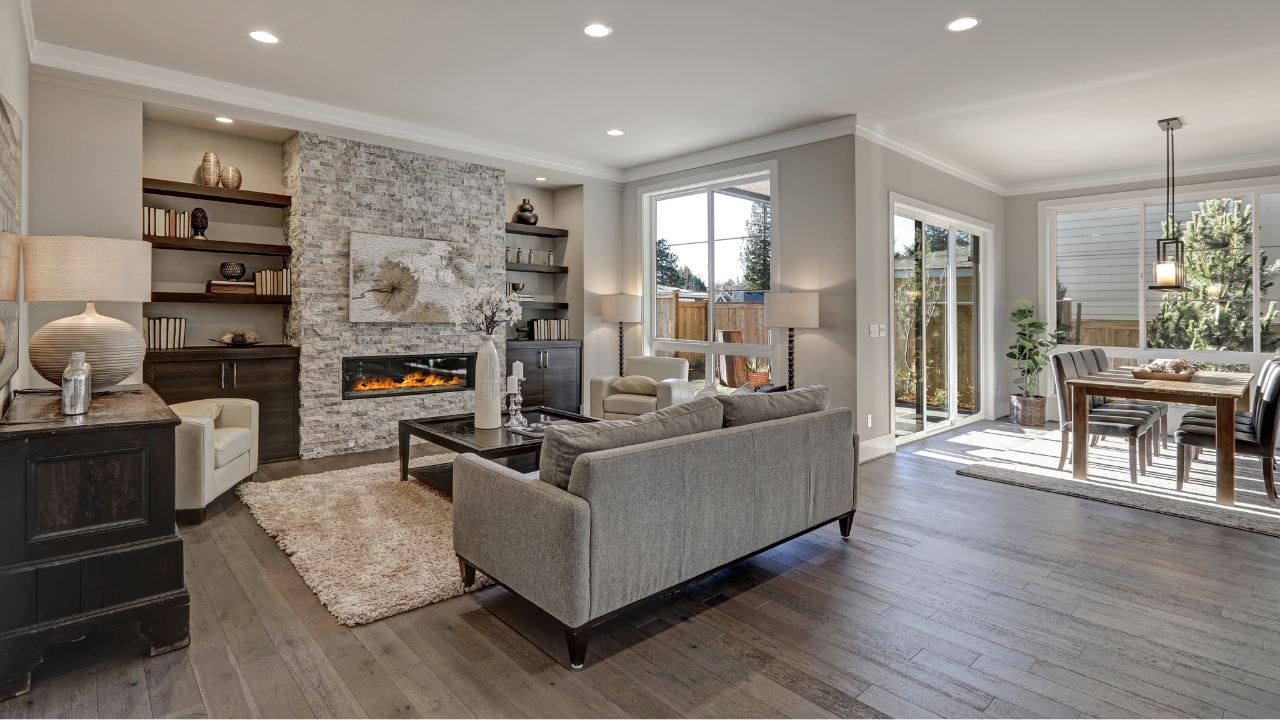
The gray-on-gray trend has worn out its welcome. What started as a sleek neutral palette now feels flat and dated. Too much gray can make a room look lifeless, especially under artificial light.
Designers are leaning toward warmer neutrals like beige, mushroom, and greige. Those tones still feel calm but bring back some of the warmth that gray stripped away.
Shiplap walls
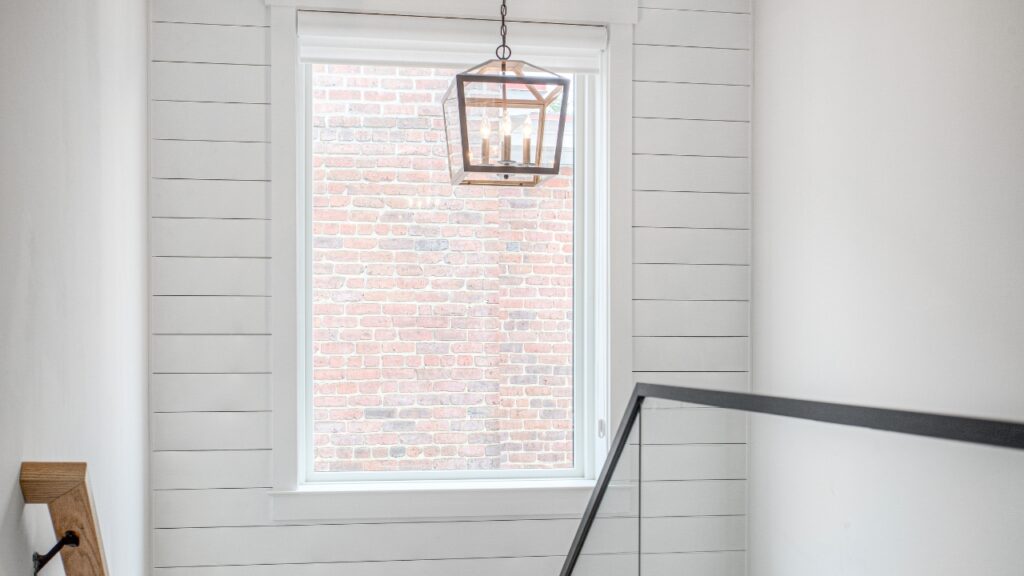
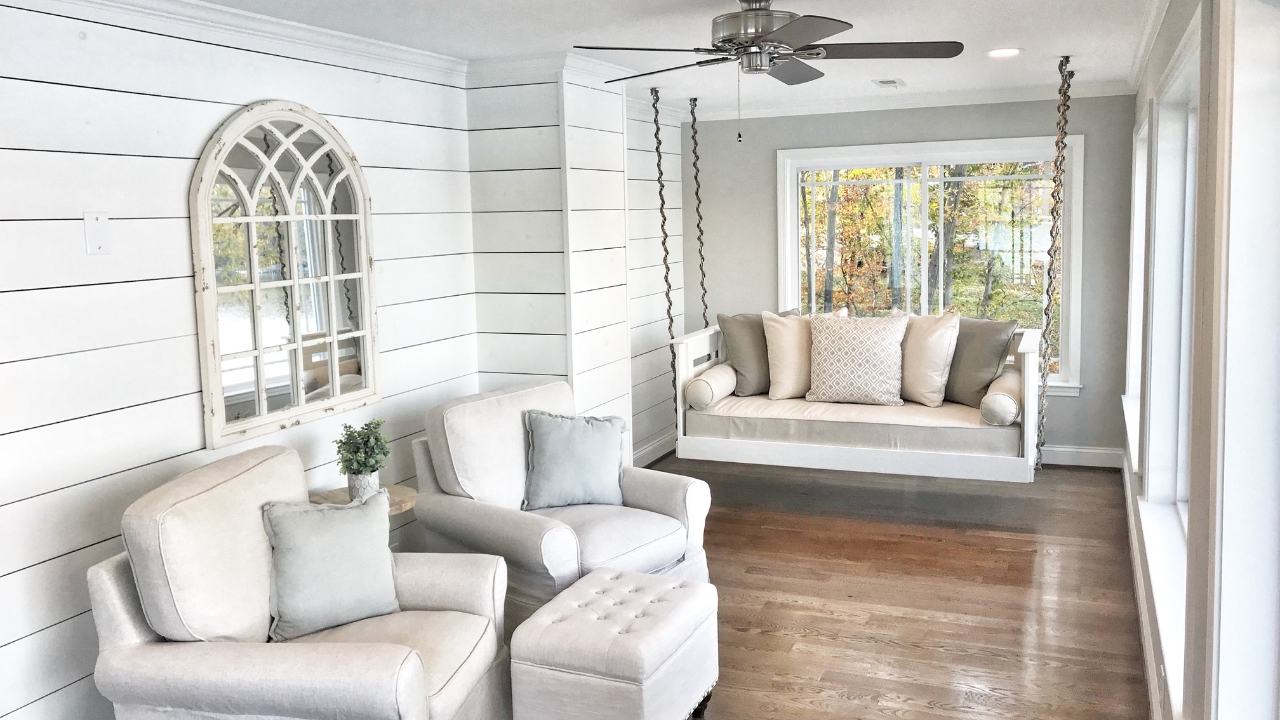
Shiplap became the face of the modern farmhouse look, but it’s been overdone in every room imaginable. Designers now say it instantly dates a house to the mid-2010s.
Textured walls like vertical paneling, limewash, or plaster are replacing it. These finishes still give dimension but look far more current and less theme-based.
Open shelving
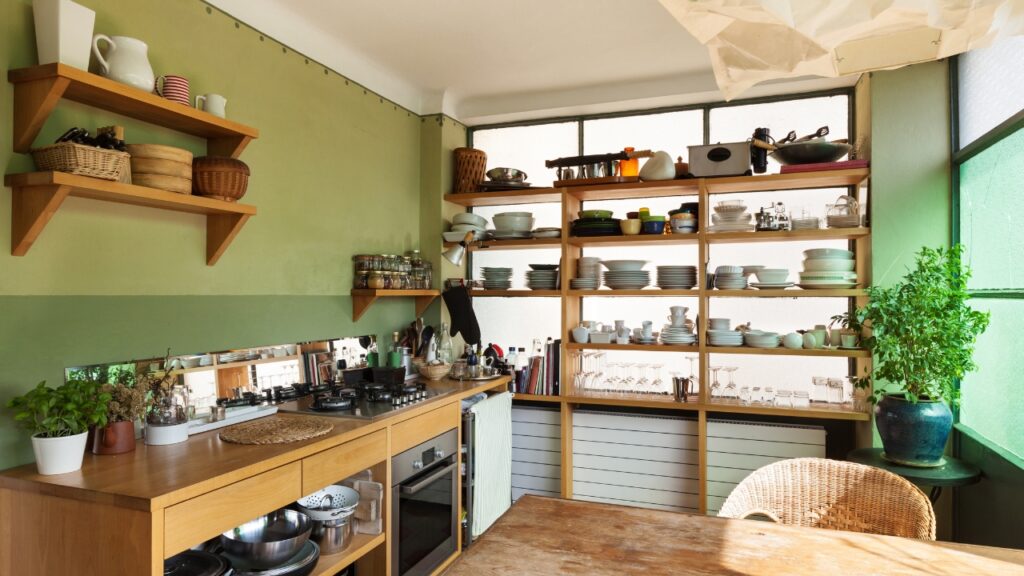
Open kitchen shelving looked great online, but it doesn’t hold up well in real life. Dust, grease, and clutter add up fast—especially for families.
Cabinets with glass fronts or closed storage are replacing them. They keep kitchens functional and polished without constant upkeep.
Matching furniture sets

Buying a full living room or bedroom set used to feel like a shortcut to coordination, but now it just looks staged. Designers say it lacks the personality of mixed pieces that evolve over time.
The 2026 look is more collected—different materials, finishes, and shapes that complement each other naturally. It feels curated, not copied.
Oversized wall art

Huge abstract prints dominated the last few years, but designers are swapping them for layered gallery walls and smaller, meaningful pieces.
The trend is moving toward art that tells a story or feels personal—vintage finds, handmade pieces, or collected artwork instead of mass-produced canvases.
Ultra-modern lighting
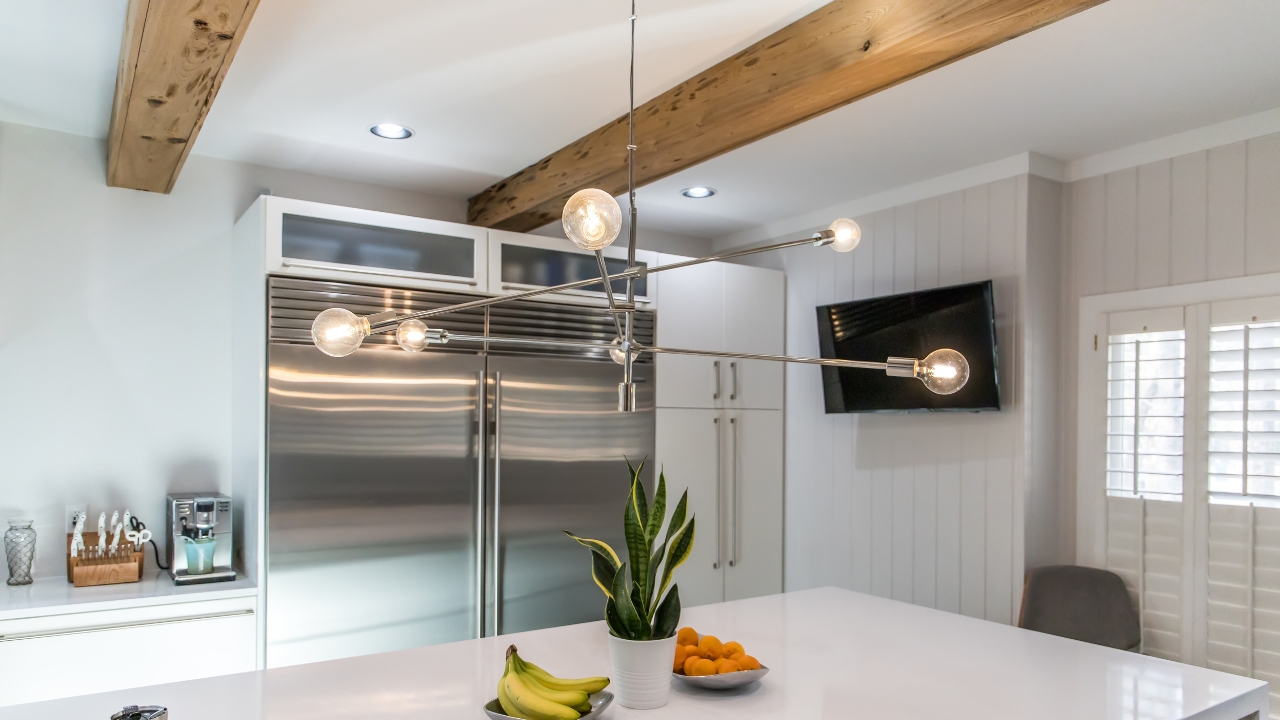
Sculptural light fixtures with hard lines and metallic finishes are being replaced by softer silhouettes. Designers are moving toward organic shapes and materials like rattan, linen, and brass.
Lighting now serves as both function and atmosphere—it should feel warm and lived-in, not like it belongs in a museum.
Farmhouse décor
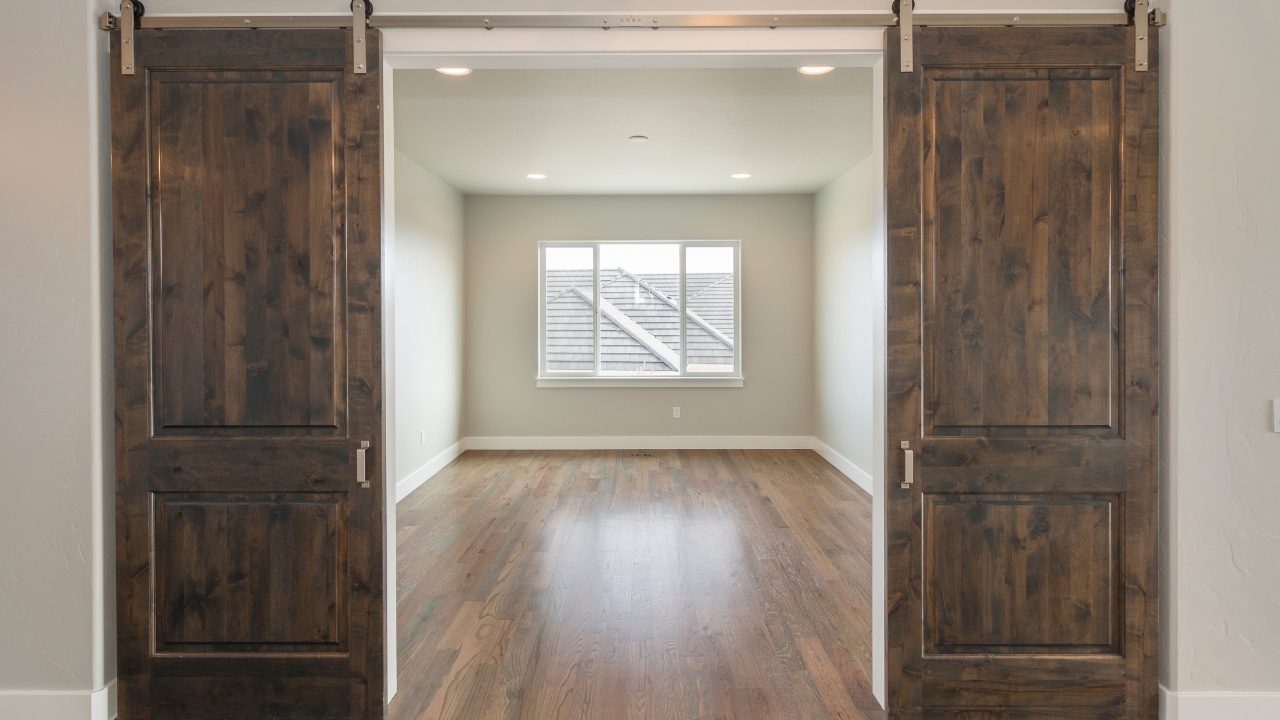
From sliding barn doors to word art, the farmhouse trend has finally run its course. Designers say it’s been stretched far beyond its original charm.
The new direction blends rustic with refined—think natural woods, vintage accents, and fewer “theme” pieces. The goal is timeless comfort, not trend replication.
Minimalist everything
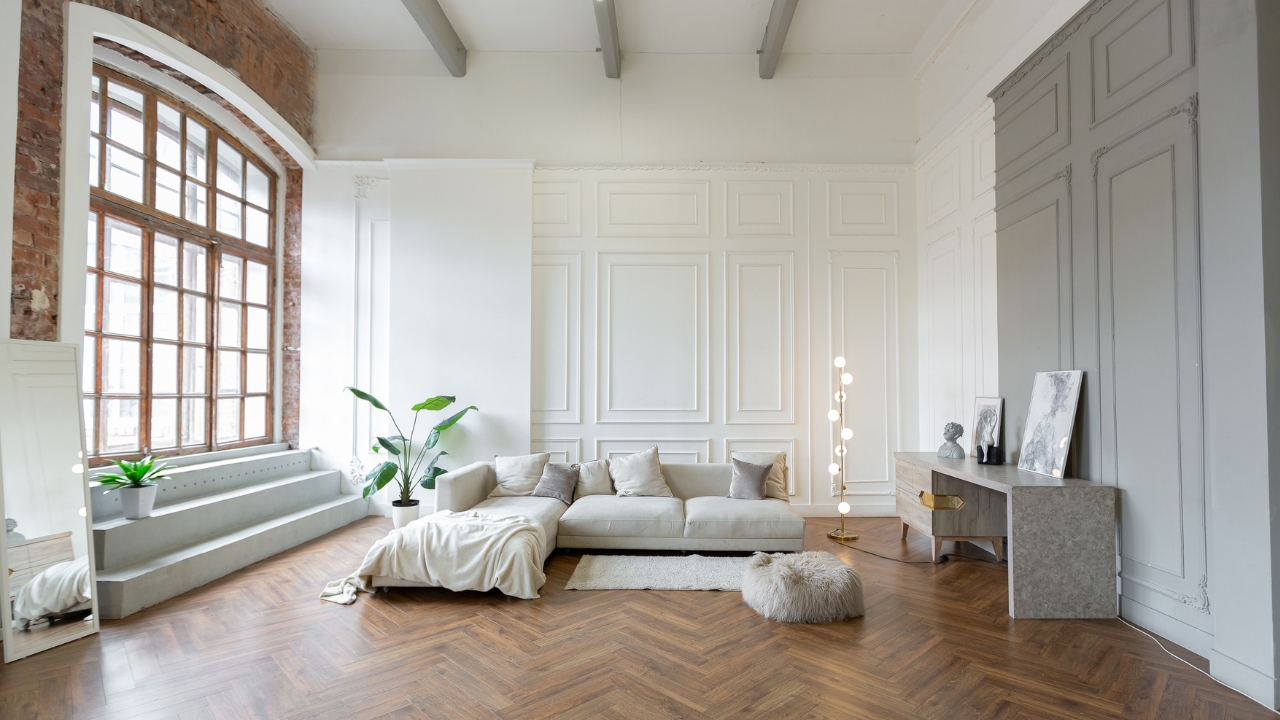
Minimalism once felt freeing, but many homeowners are finding it too cold and impractical. Empty shelves and all-neutral spaces can feel sterile instead of peaceful.
The updated approach is “lived-in minimalism”—spaces that are clean but layered with warmth, color, and texture. It feels cozy without the clutter.
Industrial interiors
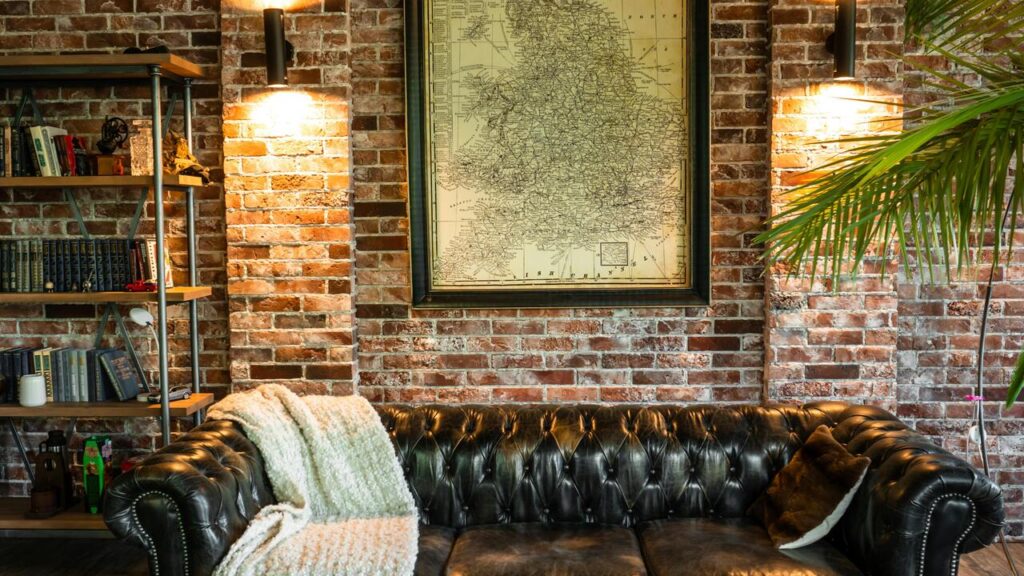
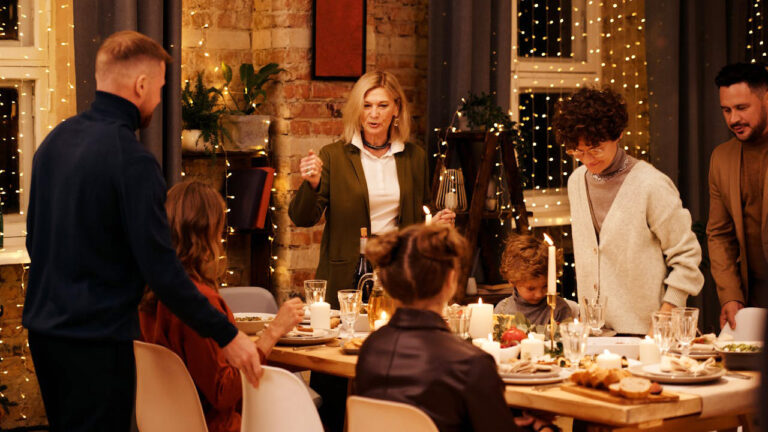
The exposed brick, metal piping, and factory-style lighting that defined industrial design are fading fast. Designers say it feels harsh and outdated in residential spaces.
Warm woods, organic materials, and softer shapes are taking its place. The 2026 home still feels structured, but now it’s balanced with comfort and warmth instead of raw edges.
*This article was developed with AI-powered tools and has been carefully reviewed by our editors.