10 color trends you’ll regret painting with by next spring
Photo credit: Okrasiuk/Shutterstock.com
Paint trends move fast—and what feels stylish today can look dated in six months. Every year, new “it” colors take over social media, only to wear out their welcome once everyone starts using them. The trick is learning which shades have staying power and which ones you’ll regret when spring rolls around and the lighting changes.
Before you commit to a weekend of painting, here are the trending colors that are already on their way out, no matter how popular they look right now.
Dusty mauve
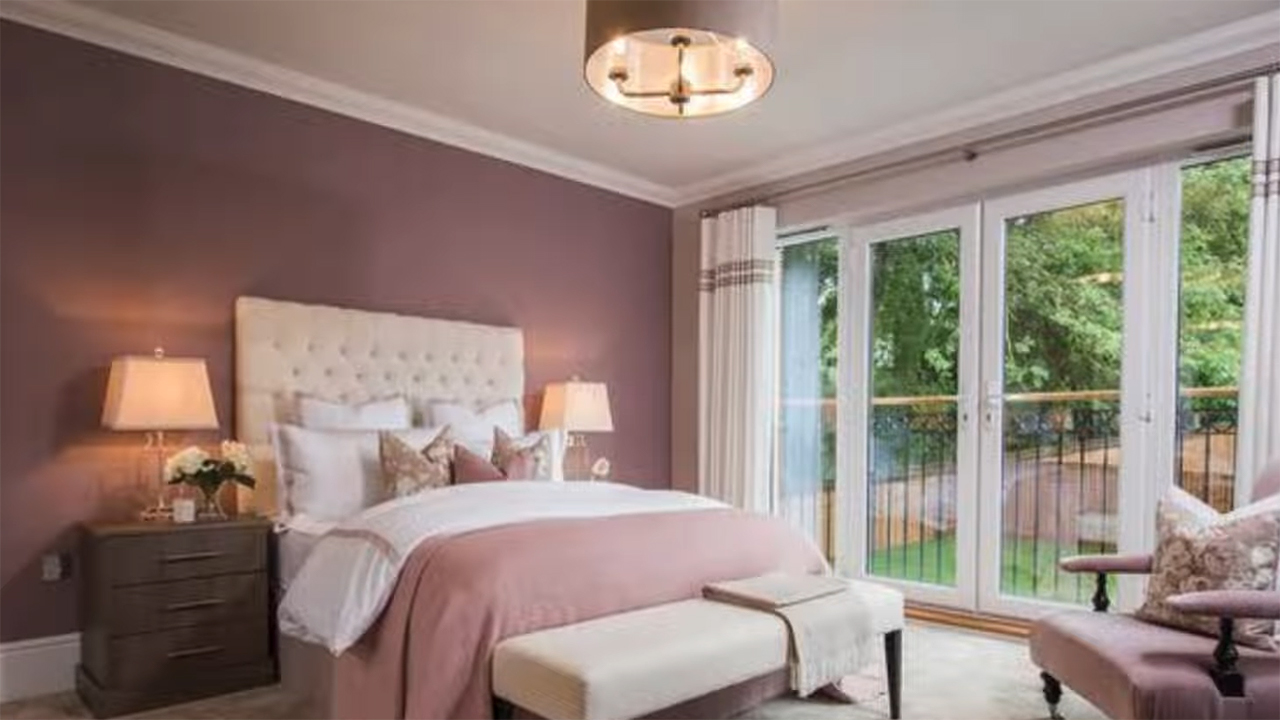
This color was everywhere for a while, especially in bedrooms and bathrooms. But what was once soft and romantic now feels flat and tired. In bright daylight, it leans gray and lifeless instead of cozy.
Designers are moving toward fresher blush tones or earthy terracottas that have more depth. If you want warmth without feeling outdated, pick a shade with more pigment and less gray in it.
Sage green
Sage had its moment, but it’s quickly becoming overused. It can make rooms feel muted and washed out, especially in spaces without much natural light.
If you still love green, try olive or deeper eucalyptus tones—they read richer and more intentional. Sage, on the other hand, is starting to feel like the shiplap of paint colors.
Charcoal gray

For years, charcoal was the go-to for modern walls, but lately, it’s feeling heavy and cold. It tends to make smaller spaces feel closed in and gloomy.
Designers are swapping it for softer, more natural neutrals like greige or mushroom. They give you the same sophistication without making your house look like it’s stuck in 2018.
Bright teal
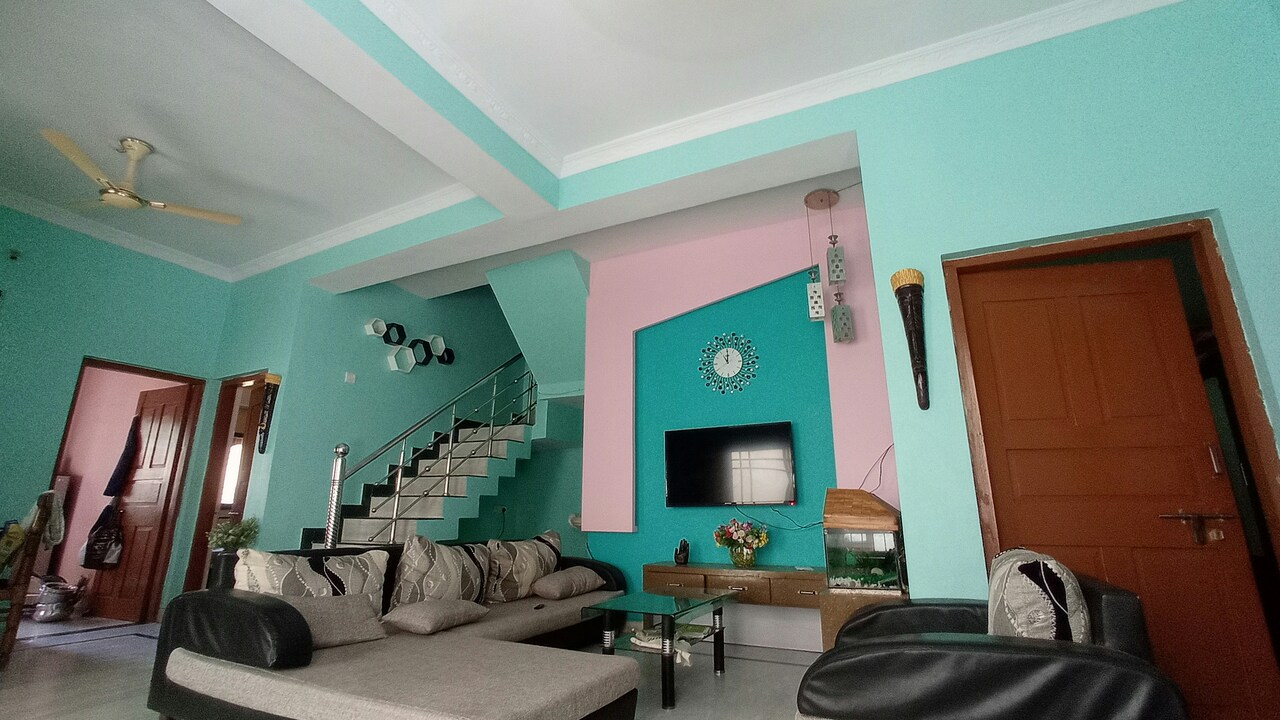
Bright teal pops up every few years, and every time, it fades out just as fast. It’s fun for a moment but hard to live with long-term—it competes with everything else in the room.
If you want color, try muted blue-green tones instead. They still feel vibrant but don’t dominate your space or clash with other decor.
Black accent walls
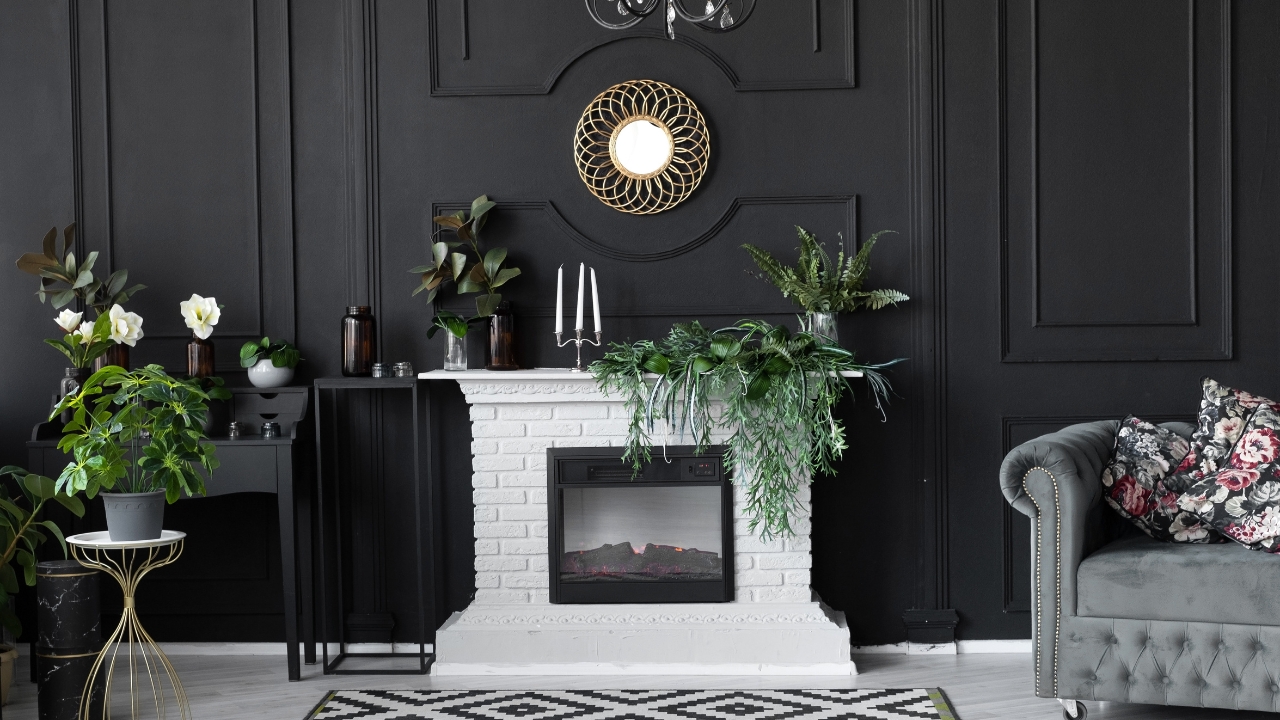
Black walls had their time as a dramatic statement, but they’re not aging well. They show dust, scuffs, and uneven finishes easily—and make rooms look smaller.
Deep earthy tones like espresso or warm navy are the newer, softer alternative. They give that same contrast without feeling like the walls are closing in.
Bright white everywhere
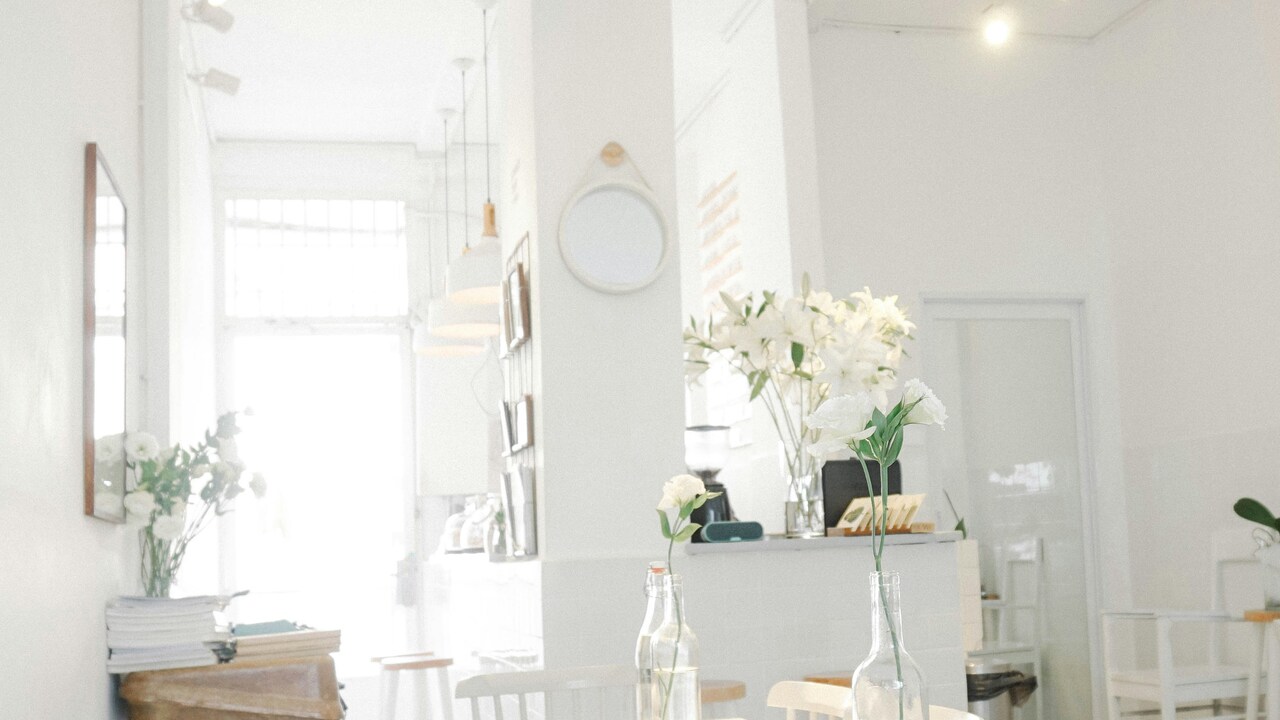
All-white interiors looked clean online, but in real life, they’re hard to maintain. Every smudge or scratch shows, and the space can feel sterile without texture or warmth.
Designers are now leaning toward off-whites and warm neutrals that still feel bright but look more natural in everyday lighting.
Mustard yellow
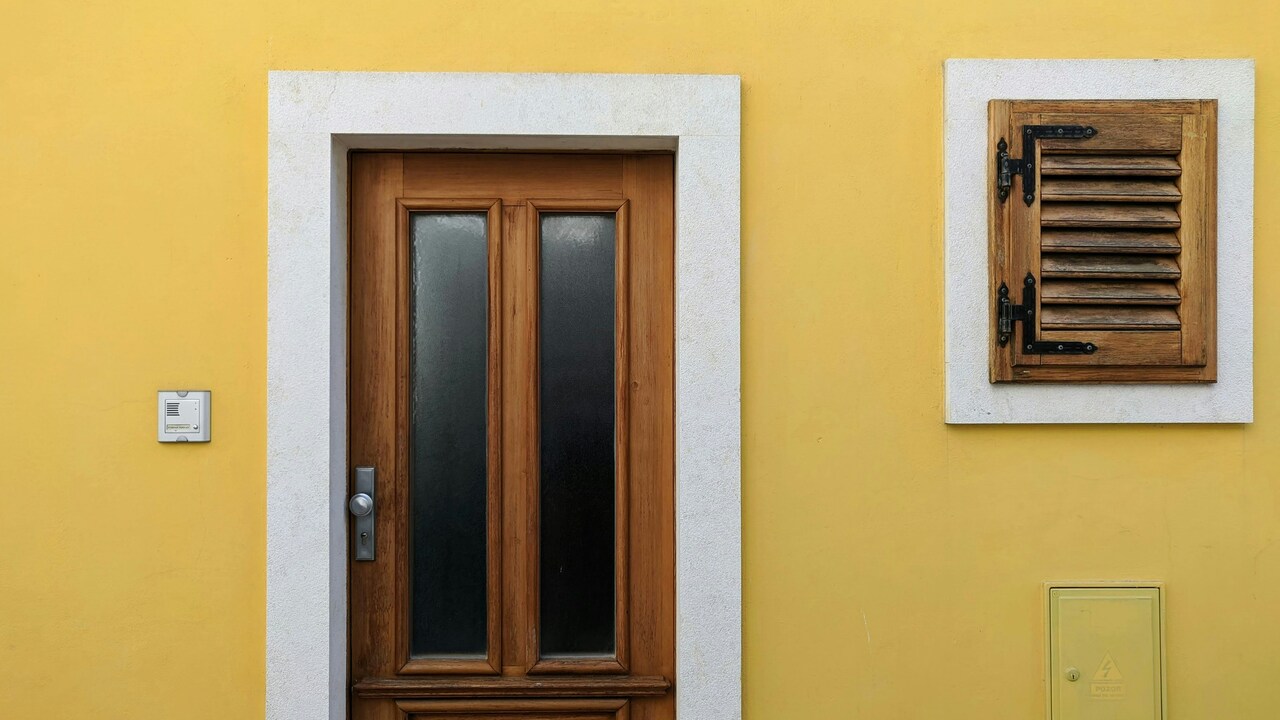
Mustard added personality for a while, but it’s tricky—it looks dated fast and doesn’t pair easily with other colors. It can also turn muddy under artificial light.
Softer ochre or honey tones are taking its place. They still bring that retro warmth but look more elevated and timeless.
Millennial pink

That blush-pink trend has officially run its course. It once felt fresh and playful, but now it reads overly trendy and specific to a certain era.
If you want pink that lasts, go for warmer peachy neutrals or muted rose. They’re softer, more grown-up versions that don’t scream “trend color.”
Navy blue everything

Navy walls and cabinets had a strong run, but it’s losing momentum. Too much navy can make a space feel dark and dated, especially when paired with white trim.
Designers are now using smoky blue-grays or soft inky tones instead—they keep that richness without overwhelming the room.
Greige overload
Greige used to be the safe pick for everything. But now, it’s starting to feel lifeless and predictable when used wall-to-wall.
Instead, designers are bringing in more warmth and variation—think taupe, clay, or warm beige. These tones make spaces feel fresher and more lived-in, not like a copy of every new build from the last decade.
*This article was developed with AI-powered tools and has been carefully reviewed by our editors.