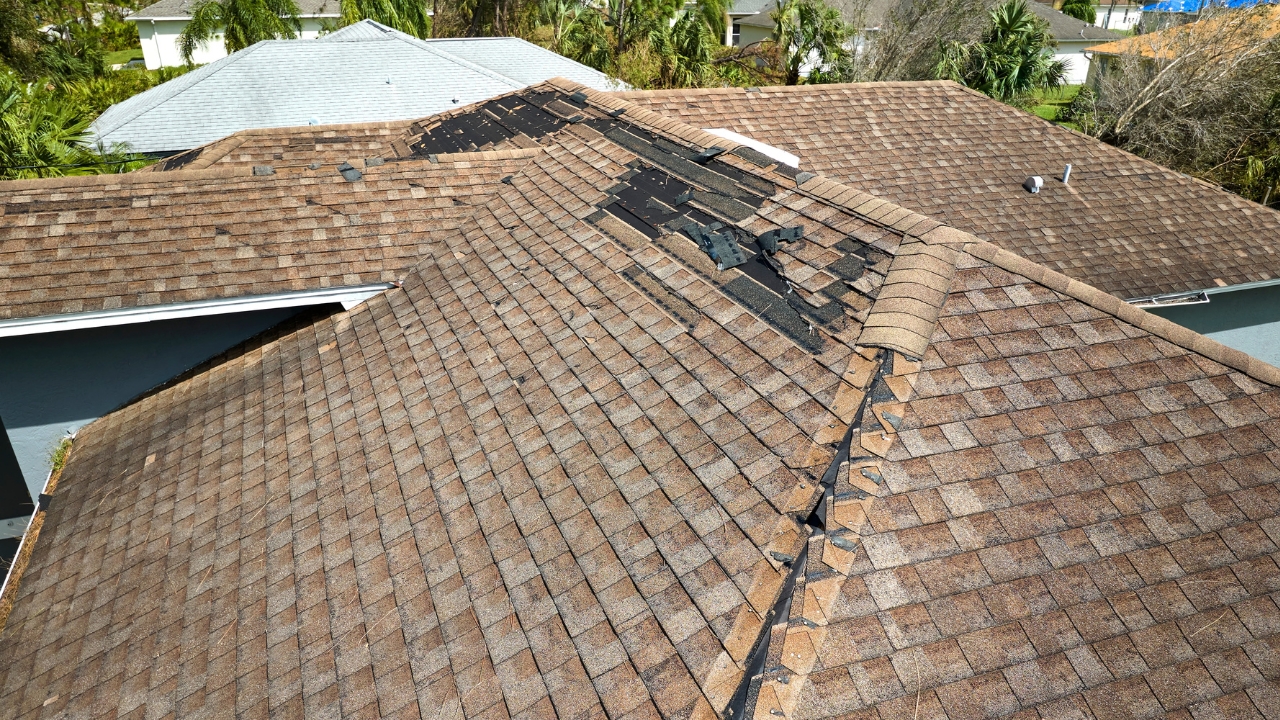
10 signs your roof isn’t ready for winter
Photo credit: Bilanol/Shutterstock
Winter is rough on a roof. Snow, ice, and freezing rain all find the weak spots fast—and if your roof isn’t ready, you’ll be dealing with leaks and repairs long before spring. The good news is, most issues give you warning signs before things get serious.
Knowing what to look for now can save you thousands later. Before the cold sets in, here’s how to tell if your roof needs attention before it faces the season’s first snowstorm.
Shingles Are Curling or Cracked
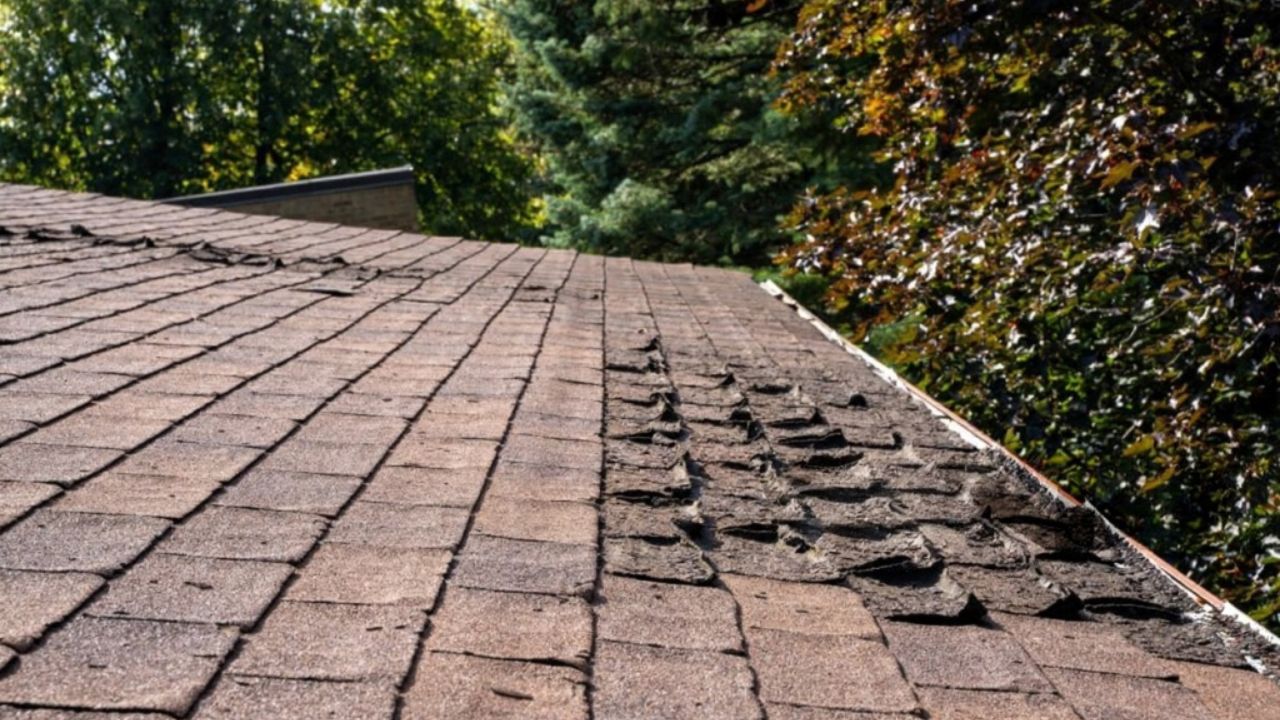
When shingles start curling up at the edges or cracking down the middle, they’re not sealing out water the way they should. Winter moisture can slip underneath, freeze, and force them up even more.
Walk around your house and check for uneven or damaged shingles, especially on south-facing sections that take the most sun. If you see a patchwork of warped edges, it’s a clear sign your roof needs repairs before the freeze.
You’ve Noticed Granules in the Gutters
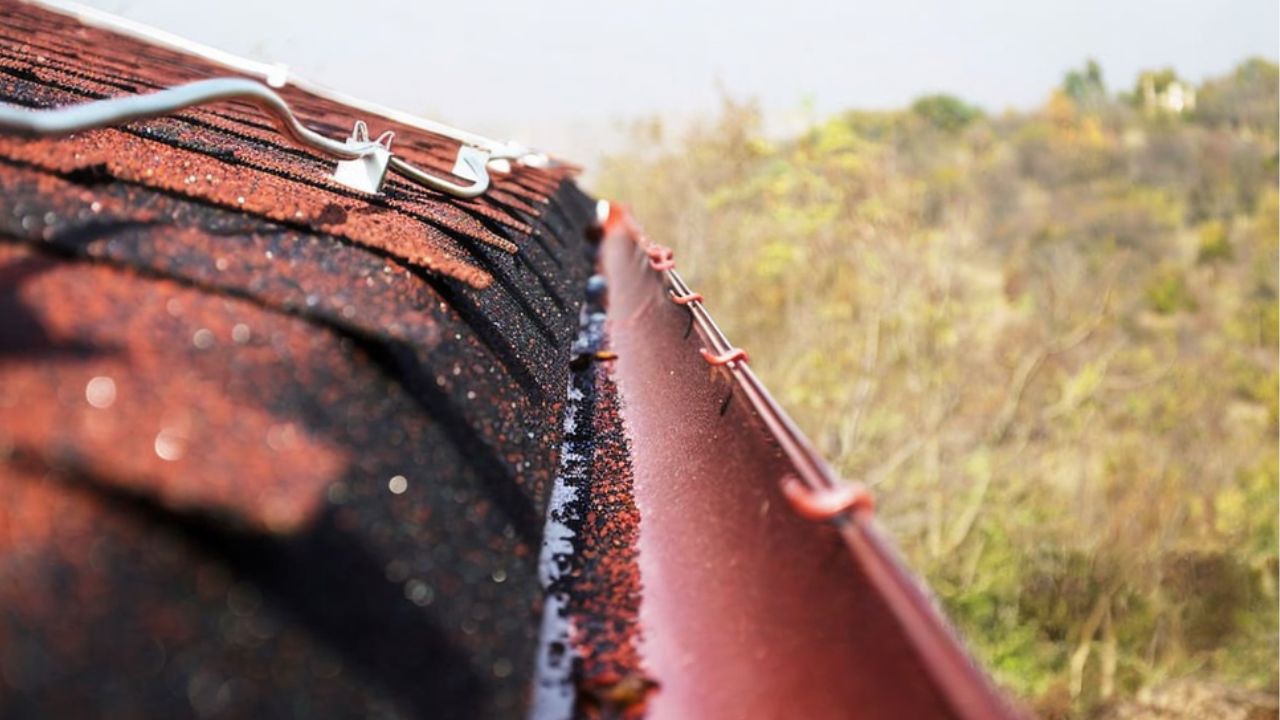
Those little sand-like particles in your gutters aren’t dirt—they’re your shingles wearing down. Granules protect the asphalt layer underneath from UV rays and moisture. Once they’re gone, shingles deteriorate quickly.
If you find a handful of gritty buildup every time you clean your gutters, your roof is aging faster than it should. It’s a warning that the protective layer is thinning and you’ll need replacements soon.
Flashing Looks Loose or Rusted
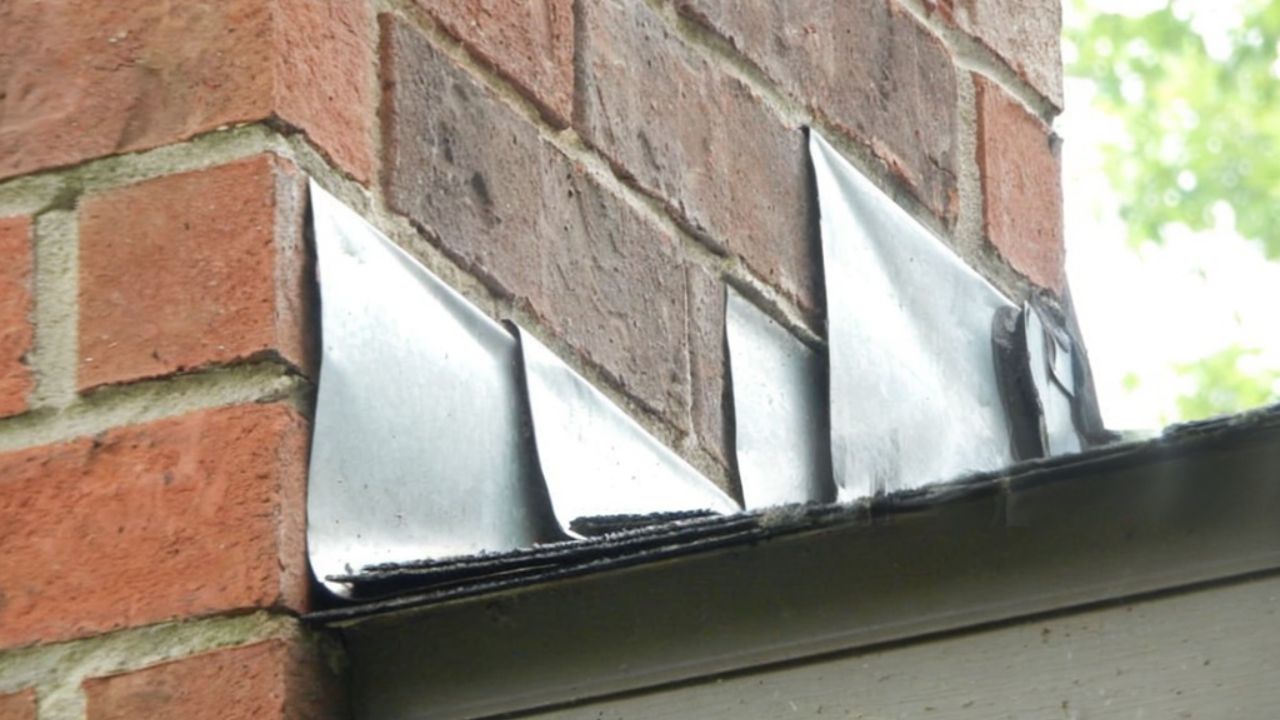
Flashing seals joints around chimneys, vents, and skylights. When it loosens, bends, or rusts, water sneaks right through those openings. Winter snow and ice melt will make that ten times worse.
Inspect flashing for any gaps, cracks, or discoloration. Even small rust spots can turn into leaks once freezing temperatures cause metal to expand and contract. Replacing bad flashing now prevents expensive interior water damage later.
You’re Seeing Water Stains Indoors
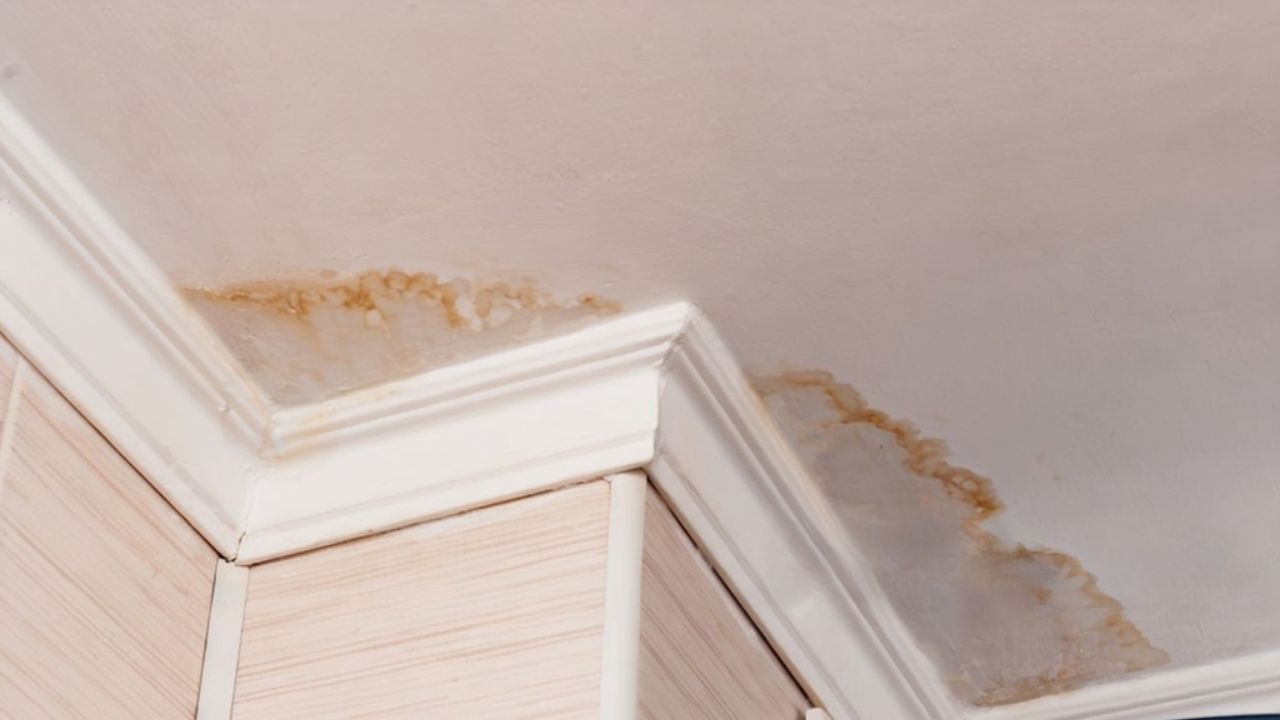
Brown spots on ceilings or walls are one of the biggest red flags that water is already making its way inside. It may not be dripping yet, but the moisture is there—and that’s bad news once freezing starts.
Check the attic and upper rooms for damp insulation or discoloration. The sooner you trace the source, the easier and cheaper it’ll be to fix before winter weather makes the problem worse.
Gutters Are Sagging or Clogged

If your gutters are pulling away from the roofline or constantly overflowing, they can’t drain melting snow properly. That water can freeze along the edge of your roof and form ice dams.
Clean them out thoroughly and make sure they’re tightly secured. Clogged or sagging gutters aren’t just an eyesore—they’re a shortcut to roof rot and costly repairs once the snow piles up.
You Have Moss or Algae Growth
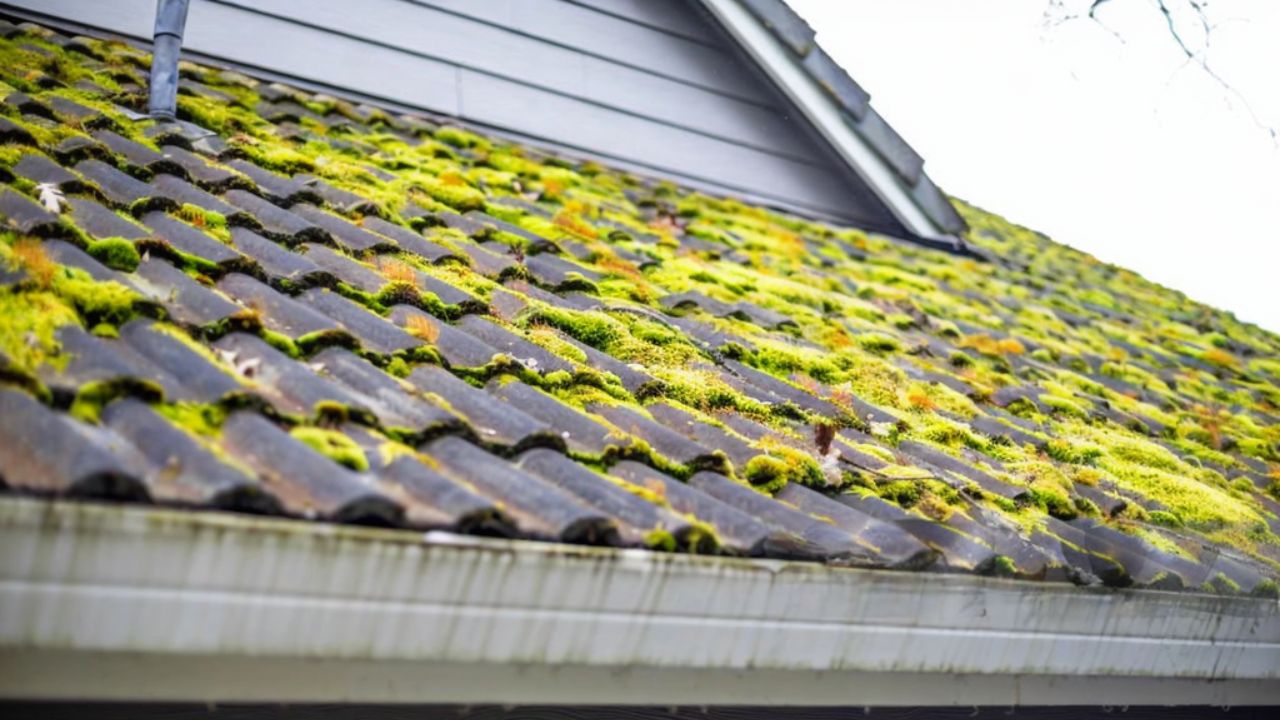
Moss and algae hold moisture like a sponge. In warm months it’s a slow issue, but once freezing hits, that trapped water can expand and lift shingles.
If you see green patches or dark streaks, that’s your cue to clean and treat the roof before cold weather locks it in. A quick scrub with a proper roof cleaner can keep it from spreading or freezing solid.
Attic Air Feels Damp or Musty
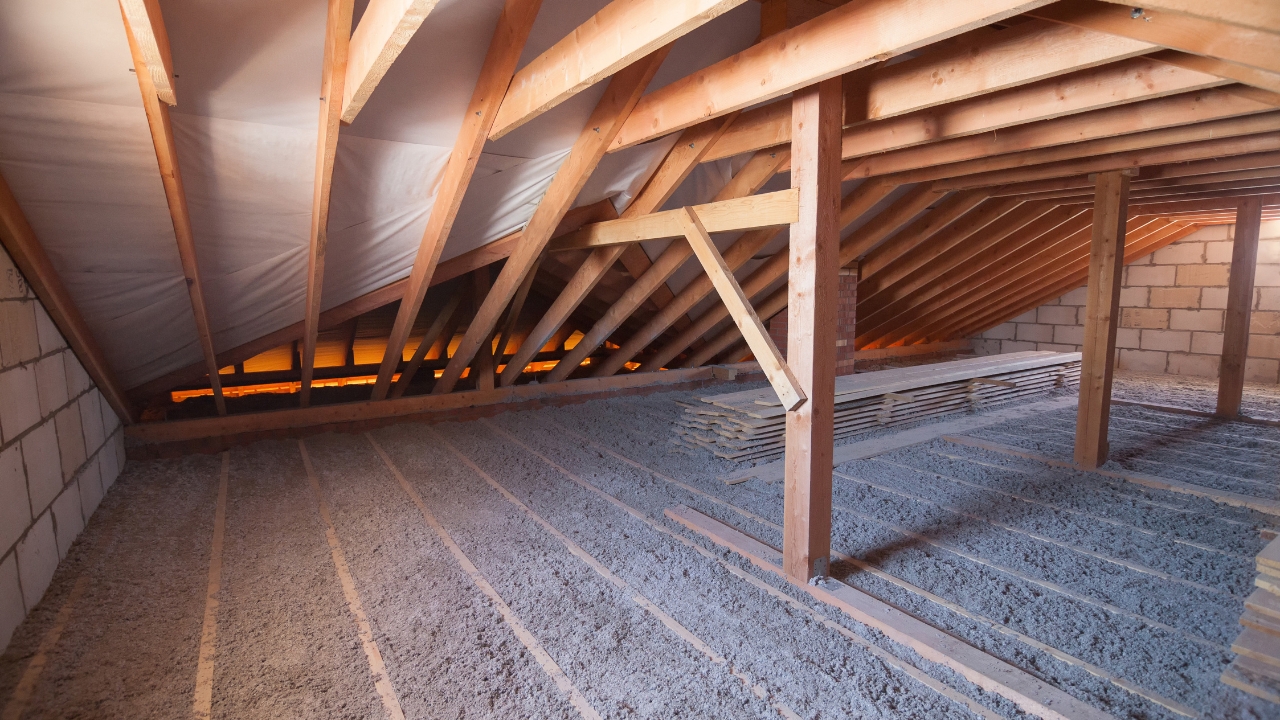
A damp attic means your roof isn’t ventilating properly. That trapped moisture can turn into frost on the underside of your roof deck when temperatures drop.
Make sure vents aren’t blocked and insulation is dry. Good airflow keeps condensation from turning into ice, which can warp your roof structure or cause leaks when it thaws.
You’ve Spotted Loose or Missing Shingles
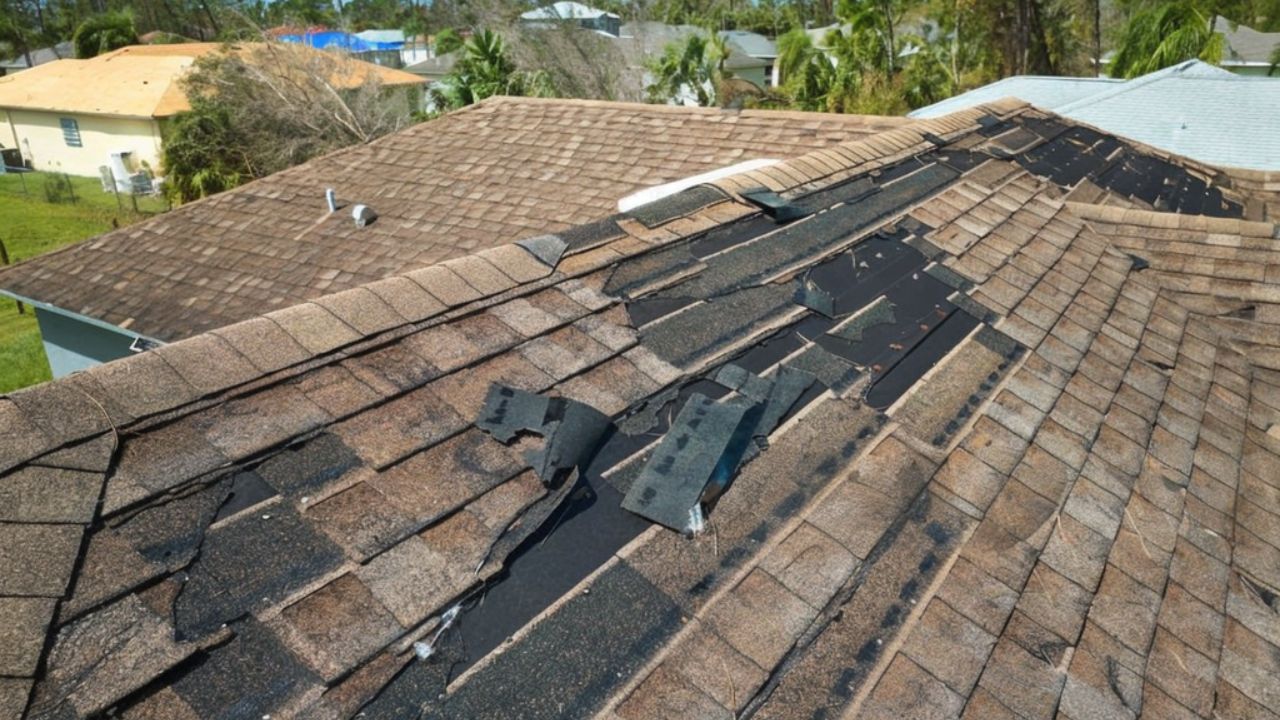
Strong fall winds can rip away shingles without you realizing it, leaving exposed underlayment that won’t survive winter. Once snow and ice get underneath, the damage spreads fast.
Look for uneven patches, lifted corners, or any gaps where shingles should be. Catching these early is key—they’re usually cheap to replace now but expensive to ignore later.
The Roofline Is Sagging
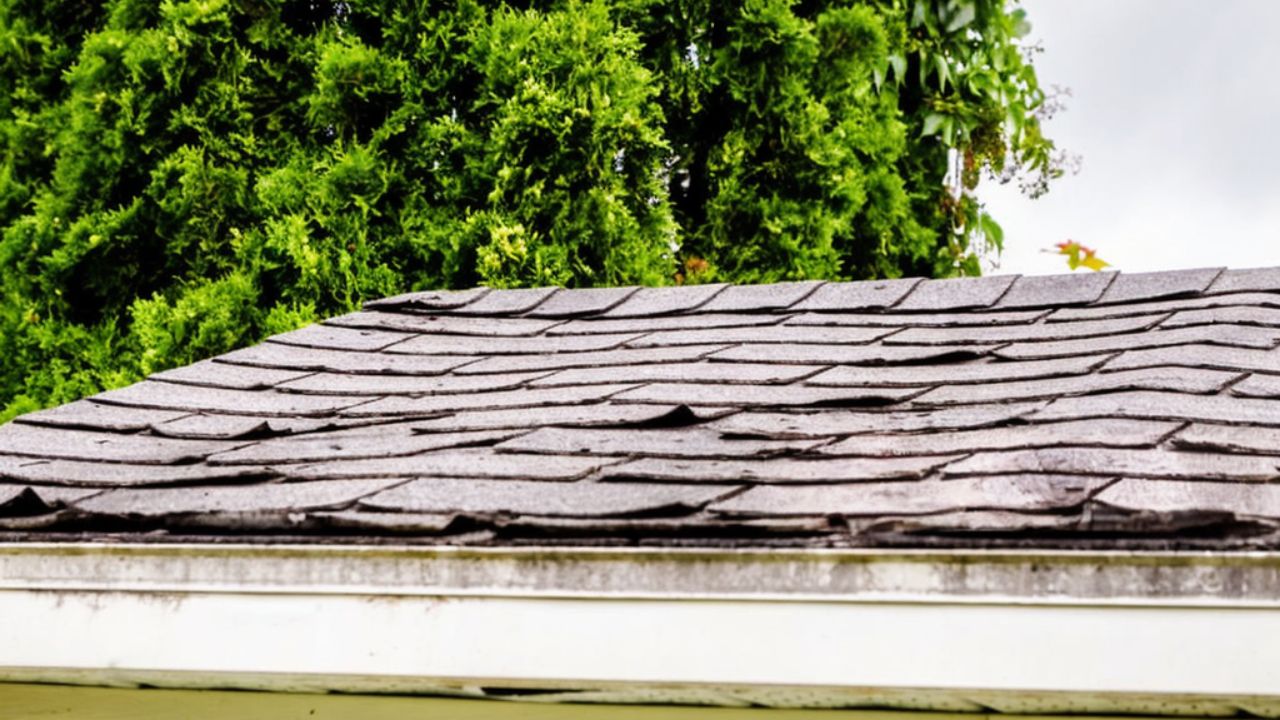
A sagging roofline is a serious warning that the structure underneath might be compromised. Heavy snow can make it worse, leading to major collapse risks in extreme cases.
If you notice dips or uneven sections from the ground, call a professional immediately. It could be water damage, rot, or weakened rafters—but none of those should wait until after winter.
Your Roof Is Over 20 Years Old
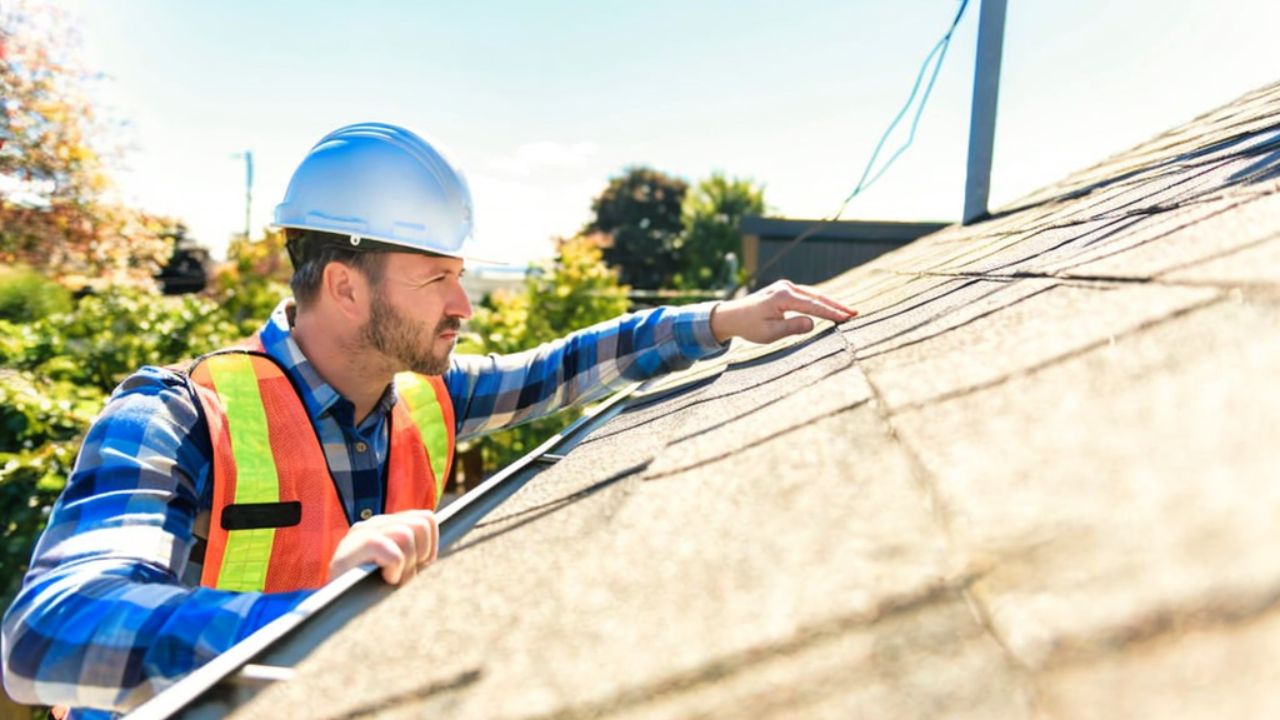
Even the best roof materials have a lifespan. Most asphalt shingle roofs last about 20 to 25 years before they start losing effectiveness, especially in regions with harsh winters.
If yours is older than that, it’s time for an inspection at minimum. You don’t need a full replacement yet, but getting ahead of small issues now can keep your house dry and protected all season.
*This article was developed with AI-powered tools and has been carefully reviewed by our editors.