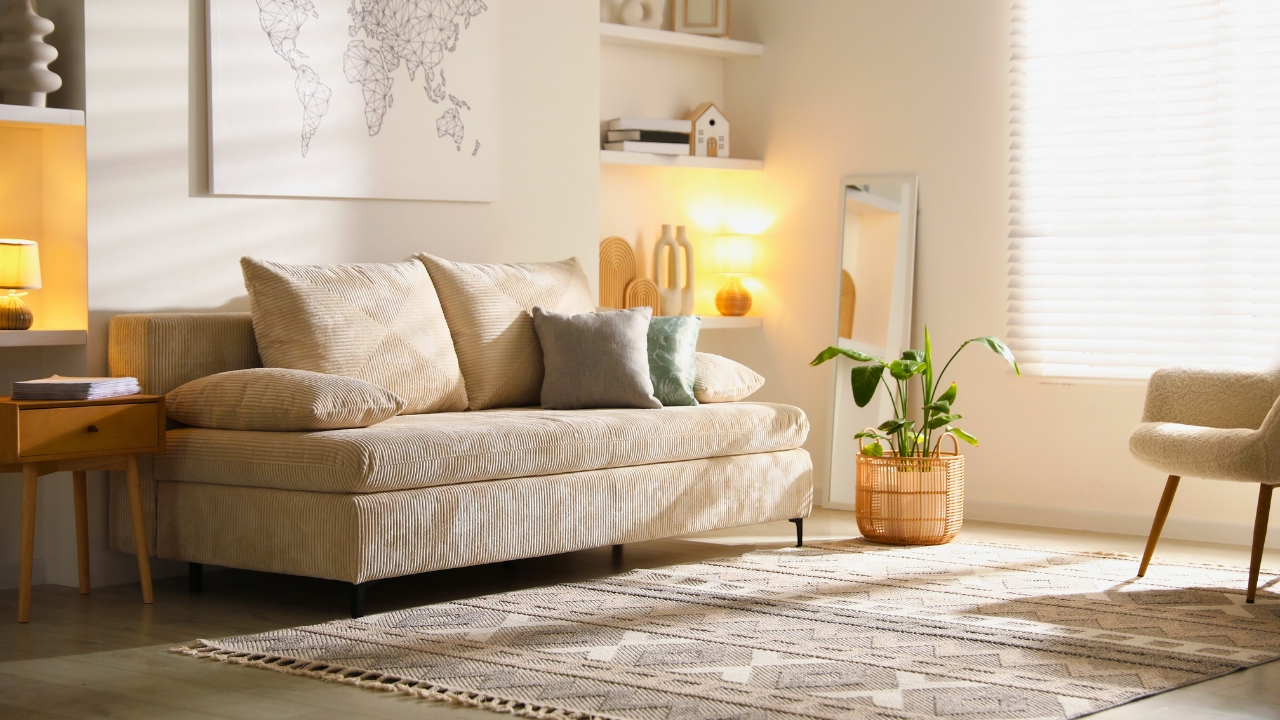
11 Little Living Room Swaps Designers Reach for First
Photo credit: New Africa/Shutterstock.com
You don’t need to gut your living room to make it feel better. Most designers start with small changes that quietly fix the biggest everyday problems—layout, lighting, scale, and clutter. Those are the things your eyes and brain register even if you can’t put your finger on why the room feels “off.”
These are the kind of swaps that work in regular houses with kids, pets, and real budgets.
1. Swapping tiny lamps for ones with real presence

Short, skinny lamps make a room feel dim and choppy. Designers almost always reach for taller lamps with bigger shades to spread light higher and wider.
Look for a lamp that lines up somewhere between your shoulder and eye level when you’re sitting. It sounds picky, but it keeps you from feeling like you’re sitting in a cave.
2. Trading small art for larger or grouped pieces

Little frames scattered around the room make the walls feel busier but not truly decorated. Designers either go bigger with one statement piece or group several smaller pieces into one arrangement.
You don’t have to buy new art. Even rearranging what you have into one gallery-style cluster makes the room feel more intentional.
3. Swapping too-short curtains for longer panels
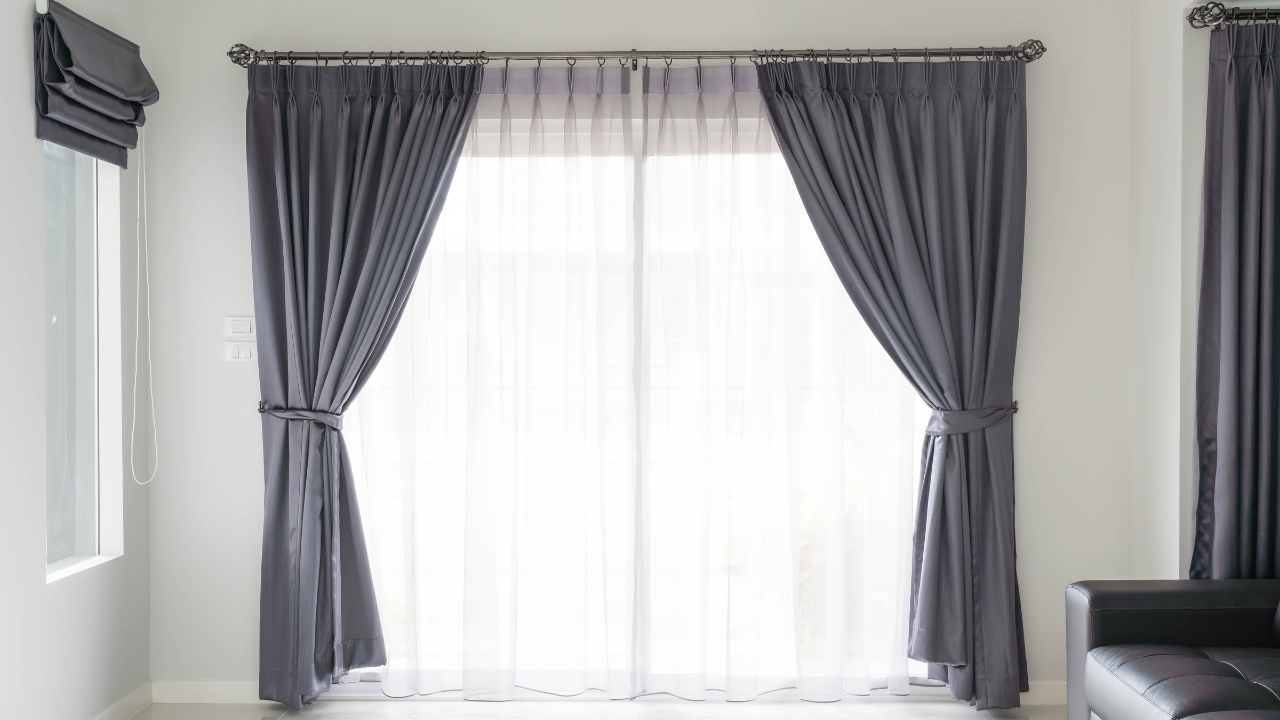
Curtains hung low and hitting mid-ankle cut the room off. Hanging panels higher and letting them at least kiss the floor gives the illusion of taller ceilings and bigger windows.
You can use affordable panels and still get this effect. The placement matters more than the price tag.
4. Replacing skinny pillows with a few larger ones
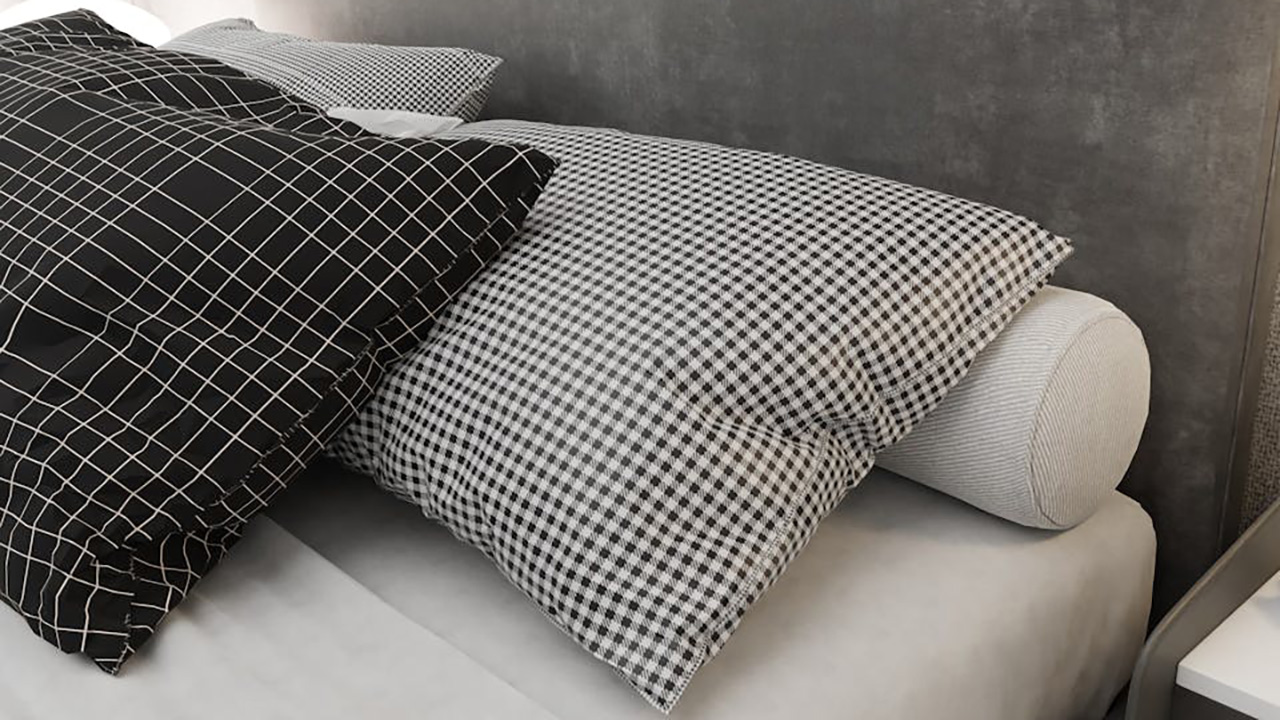
A couch covered in a bunch of small, flat pillows looks cluttered, not cozy. Designers usually pare down and use fewer pillows in larger sizes—20×20 or 22×22 are common.
Go for inserts that are a little bigger than the covers so they actually fill out. It instantly makes a basic sofa look more thoughtful.
5. Swapping a too-small rug for one that fits the seating area
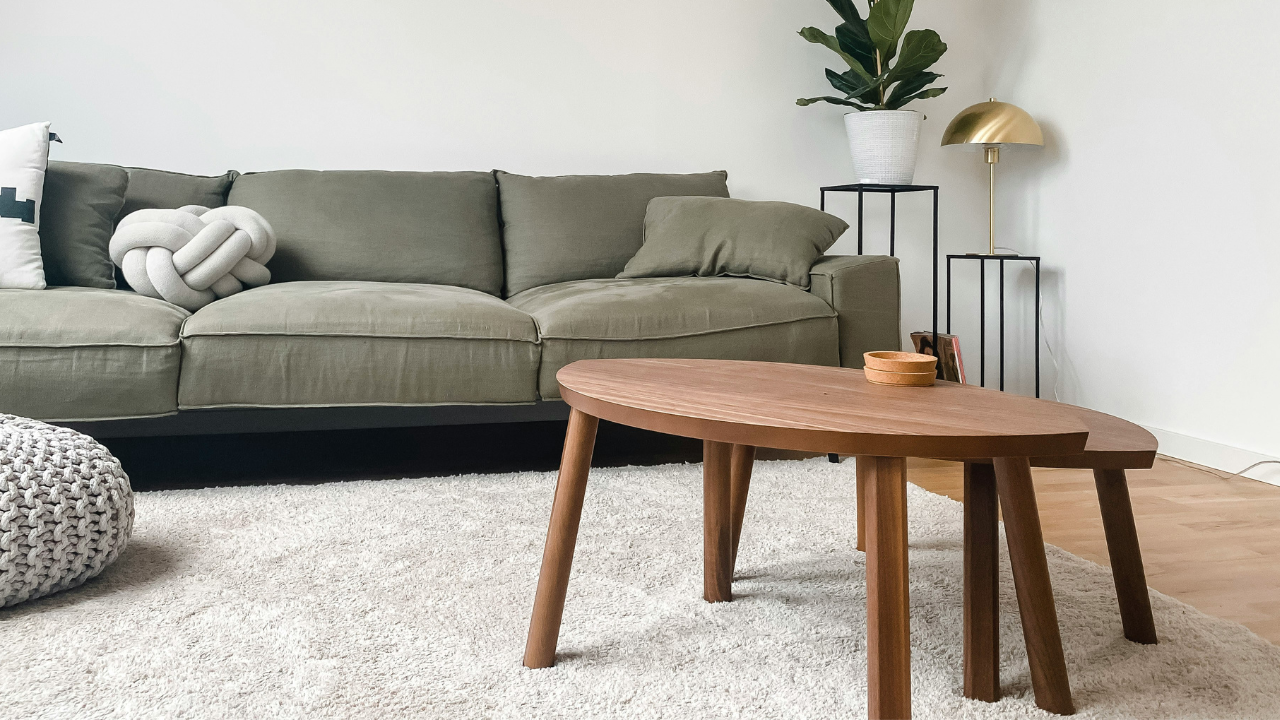
Rugs that float in the middle of the room with all the furniture pushed off make everything feel disconnected. Ideally, at least the front legs of your seating sit on the rug.
If a bigger rug isn’t in the budget, layer an affordable large neutral rug under a smaller patterned one you already have. It gives you the footprint you need without starting from scratch.
6. Trading harsh overheads for layered lighting
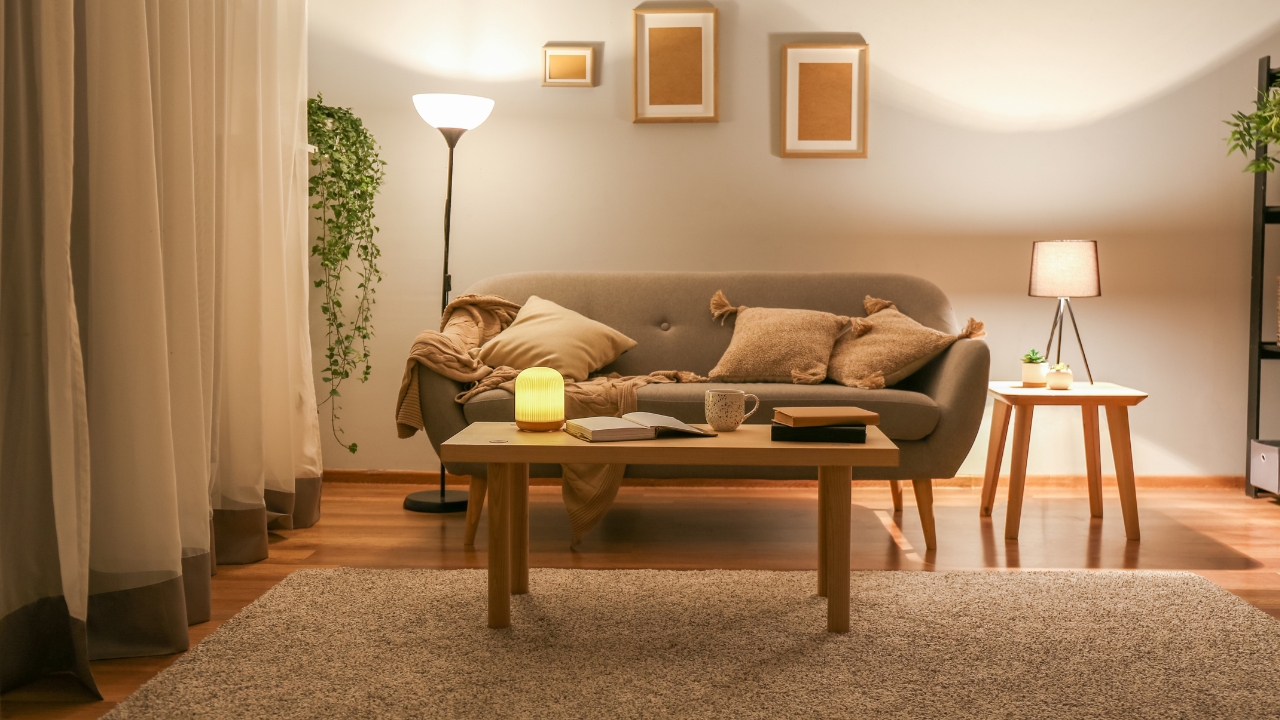
Overhead lights alone make a room feel cold and flat at night. Designers add table lamps, floor lamps, and maybe a sconce or two so the light feels more like layers than a spotlight.
You don’t have to wire anything—just bring in one or two additional lamps and use softer bulbs. Turning off the big light at night changes the mood instantly.
7. Swapping busy knickknacks for a few grouped pieces
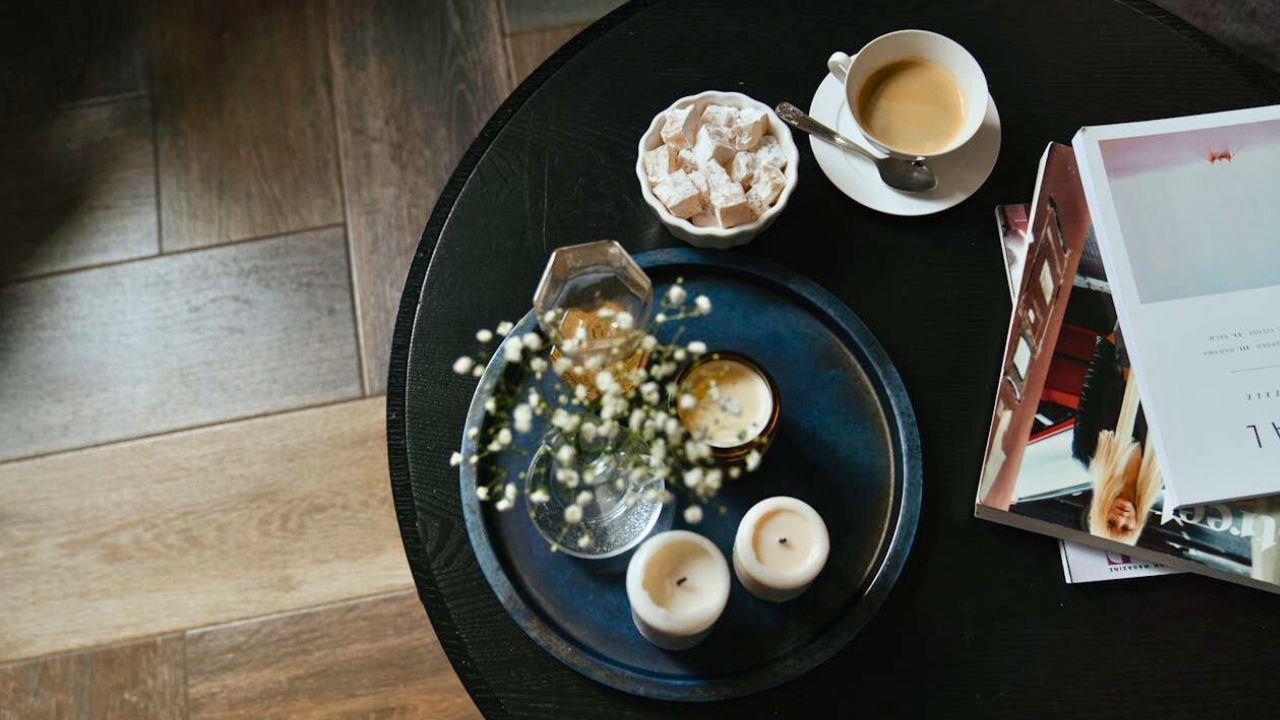
A bunch of tiny decor pieces spread across every surface reads as clutter. Designers group items in odd numbers on trays or defined zones and leave some breathing room.
Try gathering your decor into small vignettes and clearing at least one surface completely. The room will feel calmer without you having to purge everything.
8. Choosing a single “metal” tone and repeating it

If you have five different metal finishes fighting for attention, things can feel scattered. Designers often pick one dominant metal—black, brass, chrome—and repeat it in a few places.
That doesn’t mean you have to replace everything. Sometimes swapping out hardware on a piece or changing one lamp is enough to make the finishes feel more coordinated.
9. Replacing floating clutter baskets with one solid piece

Random baskets and bins can make a room feel like a storage closet. Designers often use one closed piece—a lidded ottoman, storage bench, or cabinet—to corral the same items.
You still get the function, but the room looks more put together because your eye is hitting one solid piece instead of ten different containers.
10. Trading random throw blankets for one or two that connect the room
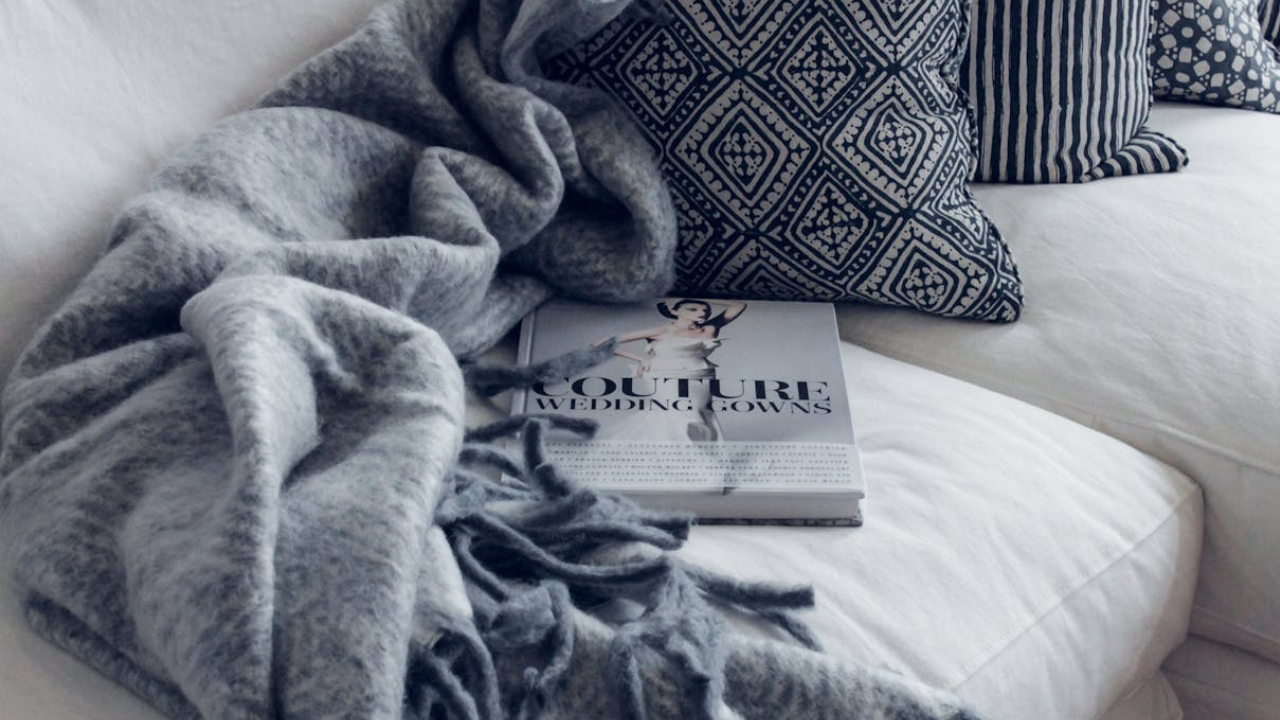
Ten mismatched throws draped everywhere is a lot for your eye to process. Designers usually use one or two blankets that echo the colors already in the space.
Fold them and place them in specific spots: over the arm of the sofa, in a basket, or at the foot of a chair. It reads as intentional instead of “everything we own is piled in here.”
11. Swapping furniture that hugs the walls for a real conversation zone
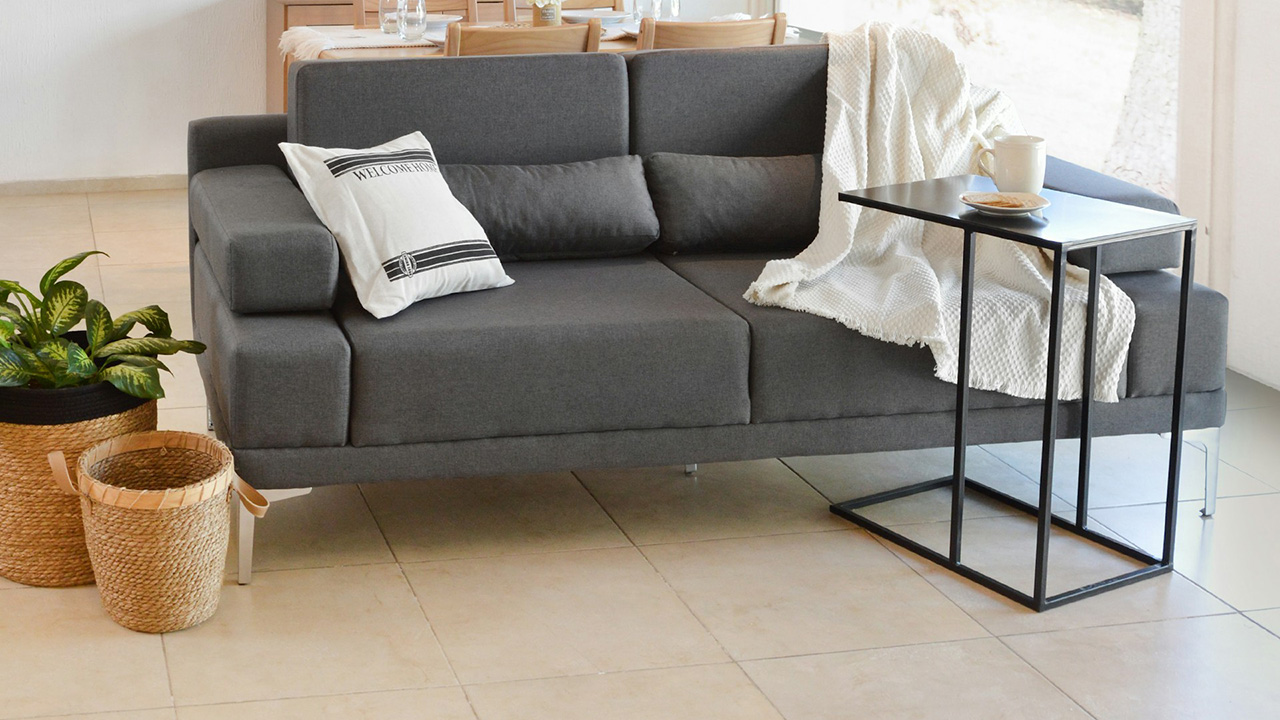
Pushing all the furniture up against the walls can make the room feel like a waiting area. Designers pull seating in toward the center to create a zone where people naturally face each other.
Even moving your sofa a foot off the wall and bringing chairs closer in makes a big difference. You’re not losing space—you’re using it better.
Like Fix It Homestead’s content? Be sure to follow us.