Mortgage Rates Eased, But Buyers Are Still Sitting on Their Hands
Photo credit: Feverpitched/istock.com
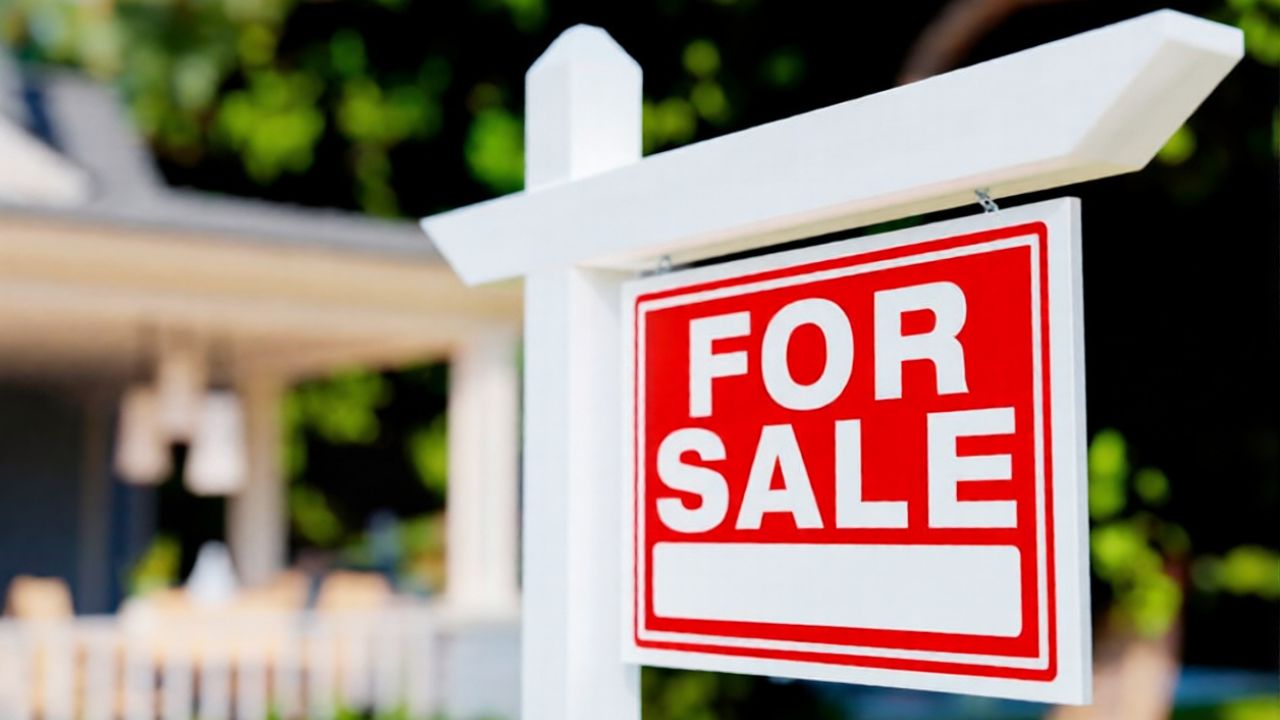
Mortgage rates have eased from their peak, yet open houses are sitting longer and “price reduced” banners are popping up online. The hesitation isn’t irrational—rate relief is colliding with high prices, fragile confidence, and a sense that the market is in limbo. To understand why so many buyers are still waiting, you have to look beyond the headline rate and into the mix of economics, psychology, and policy shaping every offer.
The Illusion of Relief When Rates Tick Down
When the 30-year fixed rate slips, it’s easy to assume the logjam should break and buyers will rush back in. In reality, a small dip feels cosmetic when home prices remain stretched and wages haven’t kept pace. Experts expect the rest of 2025 to remain tough for buyers, warning that affordability won’t reset quickly even if borrowing costs edge lower. That disconnect shows up in buyer behavior. Earlier in the year, rates hovered near their lowest level of 2025, yet many shoppers simply stopped responding to agents and sellers. You’re not alone if a slightly cheaper mortgage still feels too expensive once you factor in down payments, closing costs, and the risk that your job or income could shift before you build equity.
The Affordability Math Still Doesn’t Add Up
Even with lower rates, monthly payments on a typical listing can eat more of your income than they did a few years ago. Home prices aren’t expected to fall dramatically, so the relief from small rate changes is limited. Analysts say prices will keep rising—just more slowly—which still leaves first-time buyers struggling to qualify. That strain is sharpest for those at the entry level. Forecasts for 2026 suggest home sales could rise nearly 10%, yet affordability will continue to block many first-timers from catching a break. High rents, student debt, and limited savings mean that a quarter-point drop in mortgage rates doesn’t suddenly create the down payment or debt-to-income ratio you need.
The Lock-In Effect That Keeps Supply Tight
Your hesitation mirrors what’s happening on the seller side. Millions of homeowners are sitting on ultra-low mortgage rates and refuse to trade them for higher payments. Economists call this the “lock-in effect,” where owners stay put, listings stay scarce, and prices remain propped up even as borrowing costs fall slightly. That dynamic explains why the market feels stuck. Even those who want to move often stay because their current payment can’t be beat. Reporting on national housing trends shows that high costs and low mobility are suppressing home sales, leaving buyers with fewer realistic options and driving up competition for what’s left.
Inventory Is Rising—but Not Where You Need It
You’ve probably heard about more homes hitting the market—but most of that growth is in higher-priced or less convenient areas. Analysts say a surge in listings is reshaping some markets, but it hasn’t translated into easy bargains for average buyers. Where inventory is growing, buyers are gaining leverage and becoming more selective. With more choices, shoppers are walking away from overpriced or outdated homes, forcing some sellers to cut prices or pull listings entirely. Your hesitation is reshaping the market, even if it hasn’t yet produced the big discounts you’re hoping for.
Job Worries Outweigh Lower Rates
Even if you qualify, it’s natural to question whether now is the right time to take on a 30-year debt. Concerns about layoffs, wages, and the broader economy weigh heavier than a small rate drop. Reports show that while mortgage rates recently hit a 12-month low near 6.17%, many shoppers stopped touring homes because job security mattered more than financing costs. That anxiety isn’t happening in isolation. Business sentiment remains cautious, with investors and lenders holding off on big moves until the outlook clears. If they’re waiting, it makes sense for buyers to do the same—especially when buying ties your financial future to one job market and one neighborhood.
Policy Uncertainty and the Trump Factor
Beyond personal finances, housing policy under President Trump adds another layer of uncertainty. His administration’s priorities could influence everything from tax deductions to new construction incentives, shaping both supply and affordability. Analysts warn that his approach may affect multifamily starts and the overall housing shortage, which directly impacts pricing. When policy feels unsettled, waiting can seem safer. You may be weighing whether changes to lending standards, tax rules, or development policy will make buying easier or harder in the next couple of years. Forecasts suggest more sales activity ahead—but also that price growth may still outpace inflation, meaning new policies alone won’t create instant bargains.
The Psychology of Waiting
Beyond economics, your hesitation ties back to basic human psychology. Research shows that people are more comfortable acting when progress is visible—when it feels like the right time, not just a slightly better time. In housing, that means waiting until prices stabilize, inventory balances, or your finances improve.
Right now, signals are mixed. You may scroll listings, talk to lenders, and run numbers, yet still feel frozen. It’s easy to tell yourself you’ll buy “next spring” or “after the next Fed meeting.” Recognizing that bias helps you decide whether you’re waiting for real data—or just for the comfort of certainty, which may never fully come.
Hidden Costs That Still Sting
Even if your mortgage payment looks manageable, the hidden costs can make ownership harder than expected. Property taxes, insurance, maintenance, and utilities have all climbed. Real estate experts warn that these expenses are tightening the squeeze on buyers and worsening the affordability crisis.
A slightly lower rate doesn’t change the cost of a new roof, a higher insurance premium, or an HOA assessment. When you factor those in, it’s smart—not fearful—to hold off until you find a home that leaves breathing room in your budget.
Demand Data Reflects the Caution
Your hesitation shows up in the data. Pending home sales recently posted their steepest annual drop of 2025, proving that demand is weakening as economic uncertainty lingers. Fewer buyers and slower sales make it clear you’re not alone in waiting.
Rates are sliding again as 2025 winds down, but that’s only one piece of the puzzle. It’s better to read these moves as one factor in your long-term plan—not a signal to rush. Your timing should match your job stability, savings, and risk comfort more than any single rate headline.
How to Use This Market to Your Advantage
If you do decide to buy, the slowdown gives you leverage. With sellers losing power, you can negotiate harder on price, repairs, or concessions. Analysts say buyers today are prioritizing stable payments over “dream homes,” which gives you cover to insist on realistic terms. The key is preparation. Get preapproved so you know your real numbers, track local inventory instead of national trends, and be ready to move fast on the right deal. In a market where high costs have frozen both buyers and sellers, being the one who’s prepared can make all the difference.
Like Fix It Homestead’s content? Be sure to follow us.
Here’s more from us:
- I made Joanna Gaines’s Friendsgiving casserole and here is what I would keep
- The First 5 Things Guests Notice About Your Living Room at Christmas
- Rifles worth keeping by the back door on any rural property
*This article was developed with AI-powered tools and has been carefully reviewed by our editors.