The reno trend that makes older houses harder to insure
Photo credit: Allison H. Smith/Shutterstock.com
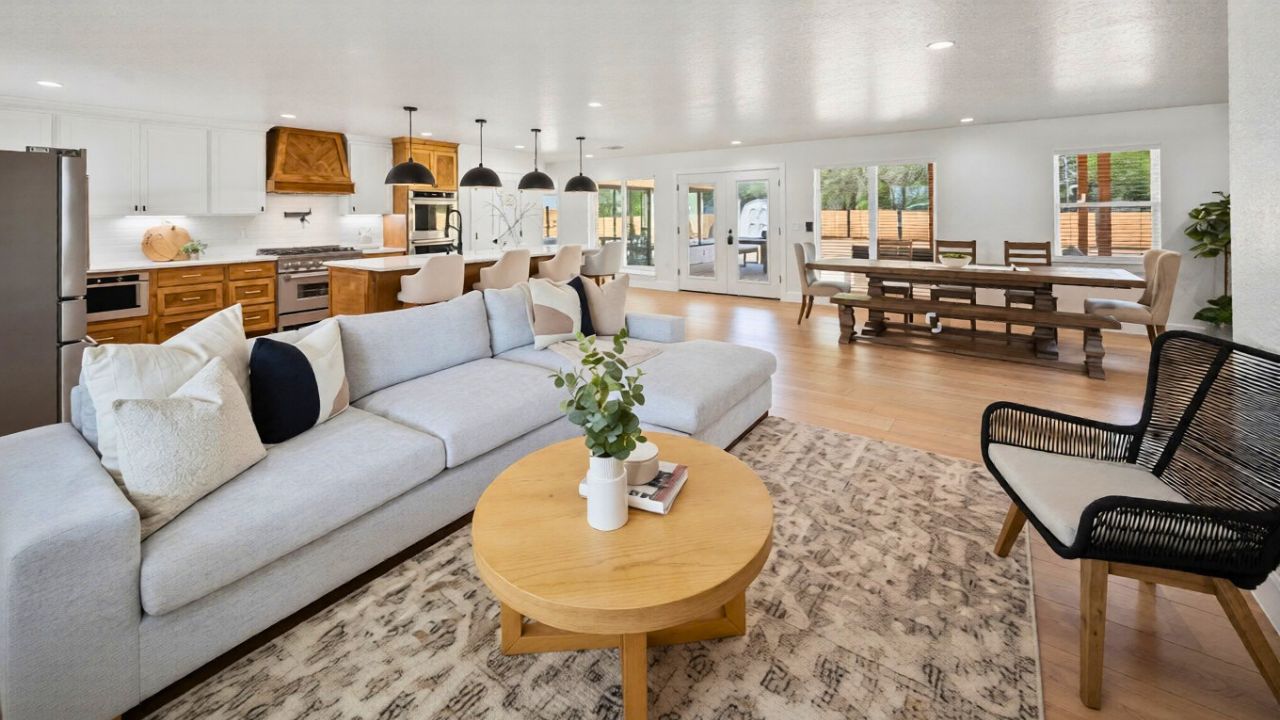
Open floor plans have become the default wish-list item in real estate listings, especially when you are updating an older house. Knocking down walls promises light, flow, and a more modern way to live, but it can also quietly push your home into a higher risk category for insurers. If you own a prewar bungalow or a Victorian with good bones, the renovation trend that makes everything feel bigger can also make that same house harder, and sometimes more expensive, to insure.
Insurers already treat older properties as a special case, and structural changes only sharpen their focus. When you remove walls, expose legacy systems, or expand square footage, you are not just changing how your home looks, you are changing how it behaves in a fire, storm, or plumbing failure. Understanding how those design choices intersect with underwriting rules is now as important as choosing tile or paint.
Why insurers already view older homes as higher risk
Before you even touch a wall, your older house is likely starting from a risk disadvantage. Some companies classify a property as “older” once it passes 40 years, because aging plumbing, wiring, and framing are statistically more likely to fail. Your premium is built around that probability, and around the reality that older materials are harder to source and more expensive to repair. When you add the quirks that drew you to the house in the first place, from plaster walls to original hardwoods, the cost to restore it after a loss can climb quickly.
Special features also complicate the math. Carved staircases, stained glass, and other period details are part of what makes an older property feel irreplaceable, but they are exactly the elements that push claims higher when something goes wrong. Analysts who focus on historic properties note that older homes are generally more vulnerable to hidden wear and tear and general structural degradation, which means a small leak or short can escalate into a major claim. When you start reconfiguring those structures, insurers look even harder at how your choices might amplify or reduce those existing vulnerabilities.
How open floor plans change the risk profile
Turning a compartmentalized layout into a sweeping great room is not just a design decision, it is a fire and structural decision. Interior walls help slow flames and smoke, and they also carry loads that keep upper floors and roofs stable. When you remove them to create an open concept, you often need new beams or supports, and if those are undersized or poorly installed, the entire structure can behave unpredictably in a storm or under heavy snow. That is the kind of uncertainty that makes an underwriter nervous, especially in a house that already has age working against it.
Open layouts also change how damage spreads. Without partitions, heat, smoke, and even water from a burst pipe can travel more freely from one area to another, turning what might have been a contained incident into a whole-house event. Specialists who weigh the pros and cons of these designs point out that Without walls or partitions to divide spaces, noise, smells, and other effects move easily between rooms, and the same is true for smoke and water. For an older home with original wood floors or decorative ceilings, that wider spread can mean a much larger restoration bill, which is exactly what your insurer is pricing into your coverage.
Legacy systems hidden in those old walls
One of the biggest wild cards in an older house is what is hiding behind the plaster. Many historic properties in regions like the Historic Midlands still rely on legacy systems such as knob and tube wiring or galvanized steel plumbing. These components were standard when the house was built, but they are now associated with higher fire and water damage risk and can lead to expensive structural loss if they fail. When you start removing walls for an open plan, you expose and disturb those systems, which can trigger stricter inspections or even coverage conditions from your insurer.
From an underwriting perspective, the question is not just whether the wiring or pipes work today, but how they will behave under modern loads and layouts. Guidance for older properties stresses that Your home’s condition, age, and location all determine how much insurance you need, and that calculus changes if you are adding recessed lighting, new HVAC runs, or extra bathrooms into a structure that was never designed for them. If you keep the old systems in place while dramatically changing the layout, you may find that your carrier either raises your premium or requires upgrades before it will renew.
When “vintage charm” becomes an underwriting headache
The very details that make an older home feel special can also make it harder to insure once you start reconfiguring rooms. Features like stained glass, Dutch doors, dumbwaiters, and wood burning fireplaces are often irreplaceable, and if you open up the floor plan around them, you may be increasing their exposure to damage. Analysts who look at these properties note that stained-glass windows and doors to other period elements, some insurers are reluctant to cover homes that still have them because of the cost and complexity of repair.
That reluctance can harden into outright refusal if the overall risk picture worsens. Specialists who focus on historic properties warn that Can You Be Denied Coverage for an Older Home? The answer is Yes, because Insurers assess risk and can decline to write a policy if they believe the chance of a large loss is too high. If your renovation removes protective walls around a delicate staircase or exposes a fireplace to a larger living area without adding modern safeguards, you may find fewer companies willing to take on that risk.
The square footage trap: additions and great rooms
Open concept projects often grow in scope. What starts as removing a wall between the kitchen and dining room can turn into a bump out, a new family room, or a vaulted ceiling that changes the entire volume of the space. Any time you increase your home’s footprint or height, you are increasing the amount of structure that could be damaged by fire, wind, or water. Analysts who track renovation impacts note that How Home Renovations Affect Insurance Premiums is closely tied to Square Footage Additions, because When a renovation increases the size of your home, the amount of coverage you need rises to reflect that risk.
There is also a cost trap if you do not update your policy after the work is done. If your insurer still thinks you have a 1,500 square foot cottage when you now have a 2,000 square foot open concept showpiece, your coverage limit may not be enough to rebuild after a major loss. Guidance on remodeling stresses that According to cost surveys, major projects can significantly increase replacement value, and your policy needs to align with your upgrades. If you skip that step, you may save a little on premiums in the short term but face a painful gap if you ever have to file a large claim.
Roof age, structural changes, and why carriers are getting stricter
Insurers are not just looking at your floor plan, they are looking at the entire structural envelope that supports it. Roofs are a particular focus, because they are your first line of defense against wind and water. Analysts tracking industry trends note that While the age of a home has always mattered, roof age has now become a focal point for insurers, with some companies treating relatively young roofs as “old” for pricing purposes. If you are vaulting ceilings or adding dormers as part of your open concept renovation, you are altering that critical barrier, and your carrier will want to know exactly what materials and methods you used.
At the same time, companies that specialize in older properties emphasize that Older homes are generally more susceptible to wear, tear, and structural degradation, which means any new loads or openings you introduce need to be engineered carefully. If your renovation involves cutting into rafters or removing bracing to achieve a cleaner look, you should expect your insurer to ask for permits, engineering reports, or inspections before agreeing to cover the updated structure. In some cases, they may even require specific upgrades, such as hurricane clips or reinforced framing, as a condition of continued coverage.
Policy types, exclusions, and the “An HO” surprise
One of the more jarring discoveries for owners of very old homes is that the standard policy you assumed you would get may not be available. Guidance for historic properties explains that An HO-3 insurance policy is standard for most homeowners, but if you have a particularly old house, you might not qualify. In those cases, you may be offered a different form that covers fewer perils or pays only actual cash value instead of full replacement cost, which can be a major problem if your open concept renovation has increased what it would cost to rebuild.
Even when you do qualify for a broad policy, you cannot assume that every aspect of your renovation is covered. Some carriers are explicit that Updates to your older home, such as a new roof, can better safeguard your property and potentially lower your premium, but your policy will not cover normal renovations themselves. That means if a contractor error damages your newly opened living room or if you discover structural issues mid-project, you may need separate coverage, such as a builder’s risk policy, to avoid paying out of pocket.
Renovations that help your case instead of hurting it
Not every change you make to an older home will spook your insurer. In fact, some upgrades can offset the added risk of an open layout. Replacing outdated plumbing and wiring, adding modern smoke detectors, or installing a monitored security system can all improve your risk profile. Analysts who study remodeling and coverage note that Some types of plumbing, like polybutylene, are red flags, while Adding security systems and sprinklers can work in your favor.
It also matters how you manage the process. Guidance on remodeling and coverage emphasizes that Once renovations are complete, you will probably need an insurance assessment to ensure your home has the coverage it needs. If you can show that your open concept project included safer wiring, better plumbing, and fire suppression where appropriate, you are more likely to keep your home insurable on reasonable terms.
How to talk to your insurer before you pick up a sledgehammer
The most effective way to keep an open concept renovation from backfiring on your insurance is to involve your carrier early. Start by asking how they define an older property and what thresholds trigger extra scrutiny. Some companies are explicit that Some insurers consider homes built more than 40 years ago as older, and that classification can affect everything from inspection requirements to available policy forms. If your house falls into that category, you should expect more questions about any structural changes you are planning.
You should also be clear on what your current policy will and will not do once work begins. Analysts who focus on older properties stress that 5 things you should know before insuring an old house include the possibility that you may need specialized coverage while work is underway and that your final layout could change your eligibility for certain policy types. If you are working with a contractor, ask them to coordinate with your agent on permits, inspections, and any documentation your carrier might request, so you are not scrambling to prove that your new great room is as safe as it is beautiful.
Balancing design dreams with insurability
Ultimately, the renovation trend that makes older houses feel airy and contemporary is not inherently uninsurable, but it does demand more planning. You are layering modern expectations on top of aging structures, and insurers are increasingly attuned to how that combination can go wrong. Analysts who specialize in these properties, such as Jennifer Lobb of Kin and others who have Previously worked as insurance editors, consistently point to the same theme: you need to understand how your home’s age and condition intersect with your design choices if you want to keep coverage affordable and available.
Like Fix It Homestead’s content? Be sure to follow us.
Here’s more from us:
- I made Joanna Gaines’s Friendsgiving casserole and here is what I would keep
- Pump Shotguns That Jam the Moment You Actually Need Them
- The First 5 Things Guests Notice About Your Living Room at Christmas
- What Caliber Works Best for Groundhogs, Armadillos, and Other Digging Pests?
- Rifles worth keeping by the back door on any rural property
*This article was developed with AI-powered tools and has been carefully reviewed by our editors.