You’re power-washing brick the fastest way to damage it
Photo credit: Chad Robertson Media/Shutterstock.com
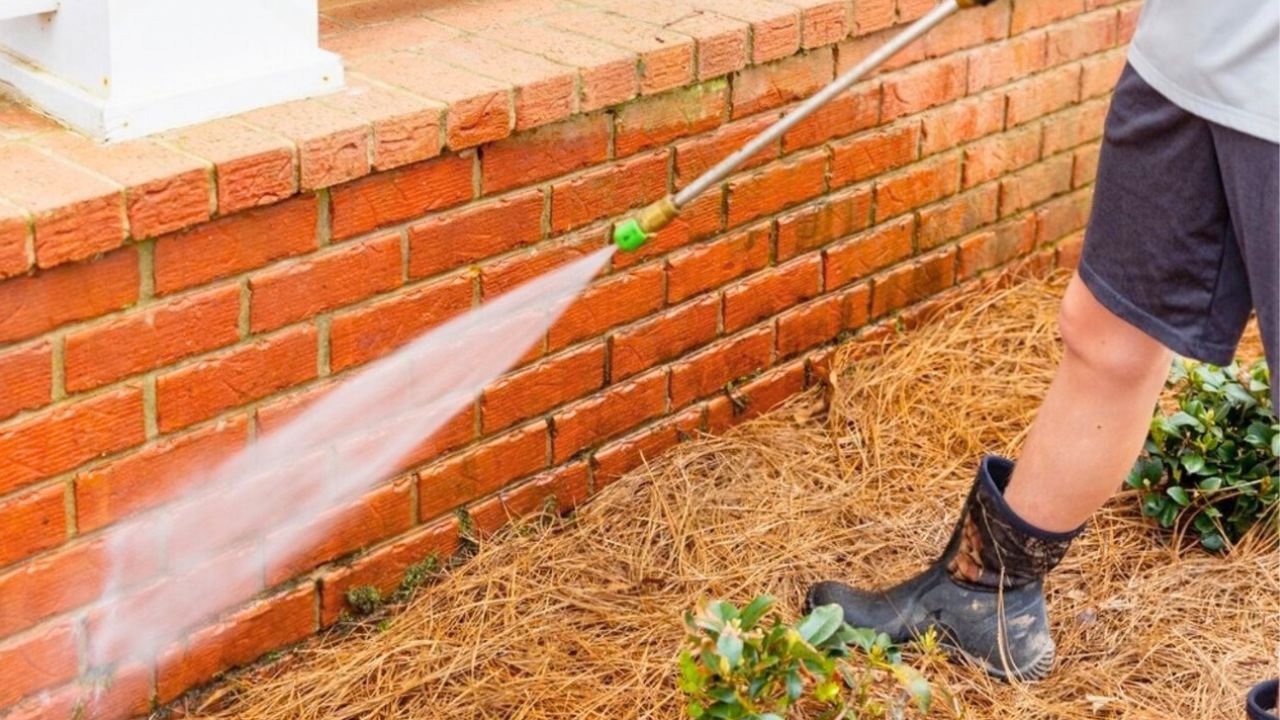
When you point a power washer at brick, you are not just blasting away dirt, you are stripping off the very surface that keeps the wall or patio intact. What feels like a quick win for curb appeal can quietly turn into crumbling mortar, spalled faces and a repair bill that dwarfs the cost of a careful cleaning. If you want your brick to last, you need to treat it as a fragile finish, not as another slab of concrete that can take unlimited pressure.
The fastest way to damage brick is to treat the washer like a magic eraser and the masonry like it is indestructible. Instead, slow down, understand how brick is built, and choose gentler methods that respect the material. Once you see how easily high pressure chews through mortar and glaze, you will never look at that turbo nozzle the same way again.
Why brick behaves differently from concrete and siding
Brick looks tough, but it is a porous, fired clay product with a protective outer skin that is thinner than you think. That surface, along with the mortar joints, keeps water out of the wall and gives you the color and texture you see from the street. When you hit it with a concentrated jet, you are attacking that thin shell and the softer material behind it, which is why damage often shows up as flaking faces and pitted joints rather than a clean, uniform surface.
Brick also tends to be used in places that see constant weather and heat, which makes it more vulnerable to aggressive cleaning. You might also find exterior brick on outdoor kitchens and fire pits, and all of this outdoor brick can get stained and weathered by soot, grease and runoff, as guides on how to clean explain. Those stains tempt you to crank up the power, but the combination of heat stress, freeze and thaw cycles and moisture movement means the masonry is already under strain before you ever uncoil the hose.
How high pressure actually destroys brick and mortar
When you squeeze the trigger on a pressure washer, you are unleashing water that can be 30 to 80 times stronger than your garden hose. That kind of force is enough to etch concrete if you use it improperly, as warnings about whether high pressure can damage concrete make clear, and concrete is often harder than the clay units in a wall. If a jet can scar a driveway, it can absolutely strip the softer mortar that holds your brick together and carve channels in the faces.
Once that outer layer is gone, water starts to penetrate deeper into the brick and joints, which leads to more serious problems over time. A cleaning company that explains why you should ask, Can Pressure Washing Damage the Concrete, answers with a blunt Yes and points out that a pressure washer is 30 to 80 times stronger than a hose if you use it carelessly. On brick, that same force erodes the mortar bed, opens tiny cracks and lets moisture and salts migrate, which is why walls that have been “cleaned” too aggressively often start shedding faces and growing white efflorescence within a season or two.
The most common mistakes that wreck brick fast
The biggest mistake you make with brick is treating it like siding or a driveway and assuming more pressure and a tighter tip will give you a better result. Professional cleaners who demonstrate exterior washing on video, like the Jan tutorial that walks through a house wash with a metering valve, show how easy it is to overdo it when you get too close or linger in one spot with a fan tip, especially if you are copying techniques meant for vinyl or concrete rather than masonry. You might not see the damage immediately, but the pattern of streaks and gouges becomes obvious once the wall dries.
Skipping inspection and prep work is another common error. Tips On What To Do When Pressure Washing Bricks start with a clear warning to Do Inspect Bricks Before Starting and remind you that Before you even think of starting the pressure washer, you should look for cracks, missing mortar and soft spots that will not tolerate high pressure. When you ignore that advice and go straight to full blast, you drive water into gaps, blow out loose joints and sometimes even pop individual bricks, which is why seasoned contractors keep pressure lower on masonry and spend more time on detergents and dwell time instead of raw force.
Why “Should You Power Wash Brick? Yes, but carefully” is only half the story
You often hear a reassuring line that sounds something like, Should You Power Wash Brick? The answer is Yes, but carefully, and that is true as far as it goes. Guidance aimed at facility managers makes the same point, stressing that Brick is not something you treat like concrete and that you should think about preservation first, cleaning second when you plan maintenance for a wall or facade. In practice, that means you use lower pressure, wider tips and more chemistry, and you accept that some stains will not disappear in a single pass.
What often gets missed is that “carefully” is not a vague suggestion, it is a set of strict limits on how you use the machine. Advice on how to power wash a brick house without destroying it explains that you should never clean brick the way you would blast siding or concrete and that your technique has to be built around gentle passes and controlled distance. When you read a guide that literally frames the question as Should You Power, you should pay just as much attention to the warning that Brick needs preservation as you do to the permission to use a washer at all.
How pros actually clean brick without destroying it
When professionals tackle a dirty brick wall, they start with inspection, chemistry and low pressure rather than a high powered blast. A checklist that begins with Tips On What To Do When Pressure Washing Bricks tells you to Do Inspect Bricks Before Starting and to choose a fan tip and moderate pressure when you finally pull the trigger, not a pinpoint stream. That same guidance recommends that, when pressure washing, you use a gentle, sweeping motion and keep the nozzle moving so you do not concentrate force on one spot long enough to etch the surface.
Experienced cleaners also lean on detergents, soft brushes and controlled rinsing instead of trying to let the machine do all the work. When you watch a contractor in a Jan house wash video talk through his setup, you hear about using a metering valve to blend soaps, standing back from the wall and letting the solution dwell before rinsing so the brick releases dirt without brute force, which is exactly what you see in the Jan demonstration. After the wash, pros often recommend sealing or at least monitoring the masonry, as reminders about what to do After you clean and seal your brick emphasize, because ongoing care keeps you from needing another aggressive cleaning that could shorten the life of the wall.
Why some brick should never see a power washer at all
Not every brick surface is a candidate for pressure washing, even at low settings. Interior features like fireplaces and painted accent walls are especially vulnerable, which is why guides on removing paint from fireplace brick describe sandblasting or power washing as Doing It the Hard Way and list those methods under Standard Options for Removing Paint that cause the most damage. That same advice singles out Brick Sandblasting and high pressure as techniques that erode the protective exterior of brick and leave the surface rough and weakened.
Exterior brick can also be too fragile for a washer if it is old, previously sandblasted or already crumbling. A warning list that names Brick among the 10 common surfaces that should never be pressure washed explains that It ( Brick ) can erode the mortar between the bricks, leading to structural issues down the line, and recommends soft washing as the safest option for delicate brickwork. When you see joints that are already recessed, faces that are flaking or historic units that have been painted and stripped multiple times, you should treat those signs as a stop sign, not an invitation to see what your machine can handle.
Safer alternatives that still get brick clean
If you decide not to use a pressure washer, you still have plenty of ways to clean brick effectively. Basic maintenance guides on how to clean exterior brick suggest starting with a garden hose, a mild masonry cleaner and a stiff brush, especially for outdoor kitchens and fire pits that collect soot and grease. You might also find exterior brick on those features, and all of that outdoor masonry can respond well to soaking, scrubbing and a low pressure rinse that never risks stripping the surface the way a concentrated jet can.
For stubborn staining, you can combine chemical cleaners, poultices and very gentle rinsing instead of jumping straight to high pressure. When you prepare to repaint or seal a facade, instructions that mention Using a power washer to speed up prep immediately warn you not to get too close or linger in one area, because doing so can cause the bricks to break or crumble, which is exactly what you are trying to avoid before a finish coat. If you want to be more environmentally mindful, you can also look for greener cleaning products that meet guidance on identifying safer detergents from environmental agencies, which helps you protect both your brick and the soil or landscaping around it.
How to choose the right settings if you still use a washer
If you decide to use a pressure washer on brick, you need to treat the machine like a scalpel, not a hammer. Safety alerts about pressure washers emphasize how easily high pressure can cut into surfaces and even injure you, which should make you cautious about dialing up the psi just to save a few minutes. On masonry, that means choosing a wide fan tip, starting at the lowest pressure that will move dirt and keeping the nozzle at a consistent distance so you do not accidentally carve stripes into the wall.
Guides that focus on masonry cleaning spell out those limits in practical terms. When pressure washing, you are told to use a fan nozzle, moderate pressure and a test patch in an inconspicuous area, as the advice collected under Pressure Washing Bricks, makes clear. You are also urged to keep the wand moving in overlapping passes and to rinse from the top down so dirty water does not streak freshly cleaned sections, which takes a bit more patience but dramatically lowers the risk of permanent damage.
When to call a specialist instead of DIY blasting
There is a point where hiring a brick cleaning specialist is less about convenience and more about protecting the structure. If your home has historic brick, intricate detailing or signs of past damage, a pro who works with masonry every day will recognize vulnerabilities that you might miss and will have access to low pressure systems and specialty detergents that are not sitting on the shelf next to consumer grade washers. Companies that focus on exterior cleaning, such as those you find through sites like Shine Window Cleaning, build their business around training and equipment that can dial in exactly how much pressure a given surface can tolerate.
You also gain the benefit of experience with local conditions and building practices. A contractor who regularly answers questions like Is it OK to power wash brick on forums such as Quora Home Improvement will have seen what happens when homeowners blast soft brick and then watch it get dirty again quickly because the surface has been roughened. When you weigh the cost of professional cleaning against the price of repointing mortar or replacing spalled units, the specialist often looks less like a luxury and more like an insurance policy for your walls and patios.
How to keep your brick cleaner longer so you wash less often
Like Fix It Homestead’s content? Be sure to follow us.
Here’s more from us:
- I made Joanna Gaines’s Friendsgiving casserole and here is what I would keep
- Pump Shotguns That Jam the Moment You Actually Need Them
- The First 5 Things Guests Notice About Your Living Room at Christmas
- What Caliber Works Best for Groundhogs, Armadillos, and Other Digging Pests?
- Rifles worth keeping by the back door on any rural property
*This article was developed with AI-powered tools and has been carefully reviewed by our editors.