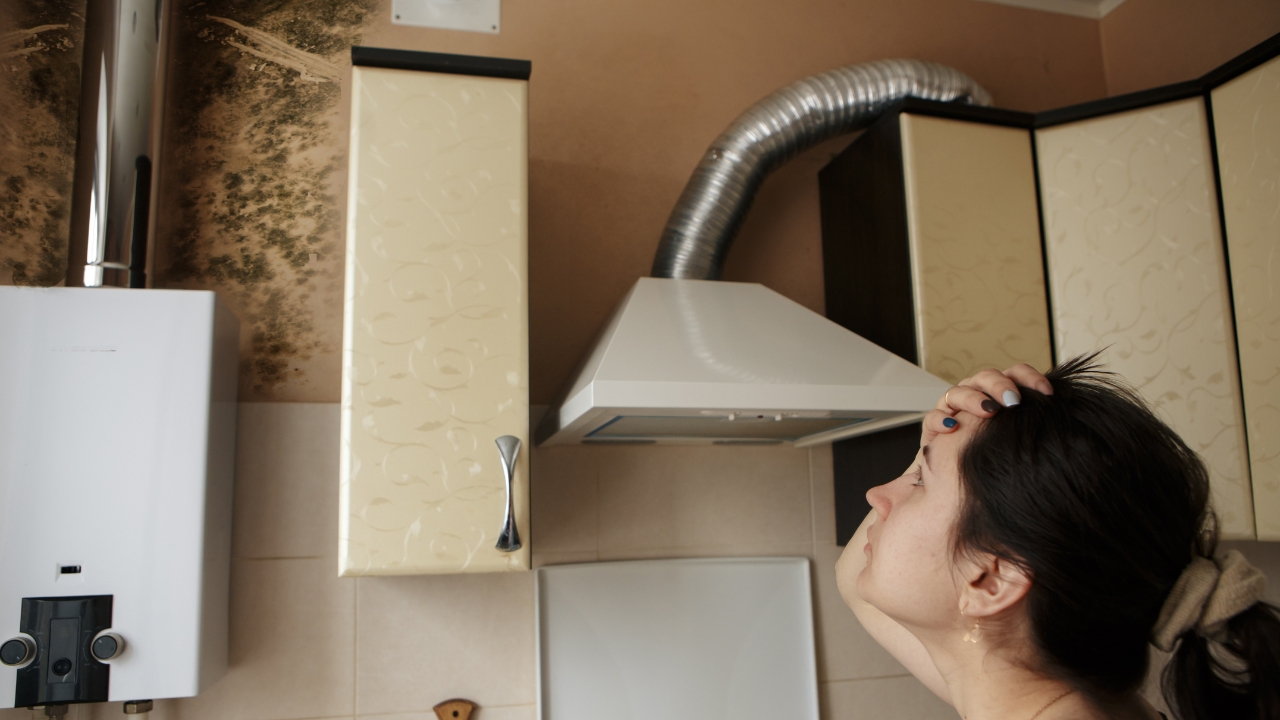
Homeowner Says Builder Left New House Unfinished, Moldy, and Structurally Unsafe
Photo credit: Burdun Iliya/Shutterstock.com
The homeowner thought they had done what they were supposed to do before hiring a builder. They checked that the company was licensed and insured. They hired someone who had been recommended by a person they knew. They looked at the people involved and saw that the builder and project manager owned nice homes in nearby suburbs, which made the company seem stable enough to trust.
Then the project fell apart in the worst possible way.
In a Reddit post, the homeowner said they had bought a house in anticipation of moving to Baltimore. The plan was to tear down the existing home and build a new one on the property.
Instead, the homeowner said the build became a disaster that left them facing the possibility of bankruptcy with a baby on the way and no finished house to move into.
According to the post, one of the biggest problems was a sewage leak that the builder allegedly allowed to sit for weeks. The homeowner hired a mold inspector, who reportedly said much of the work already completed would need to be replaced. That alone would be enough to stop a project cold, but it was not the only issue.
The homeowner said some beams did not appear to be installed correctly, so they brought in a structural engineer. According to the poster, the engineer said the structure was unsafe and should not pass inspection.
That meant this was not just a cosmetic fight over sloppy paint, crooked trim, or cheap finishes. The homeowner was claiming the house itself had serious safety problems before it was even complete.
The homeowner also said the builder had failed to build sections of the house they had already paid for. At the same time, the builder was allegedly trying to charge them for things they never asked for, even though the project had architectural drawings both sides had agreed to.
The timeline had fallen apart too. The home was supposed to be finished by mid-October, but the homeowner said the builder still had not even put sheathing on the second floor. The contract apparently said the homeowners were supposed to be compensated for delays, but the builder reportedly said that would not happen.
A few weeks before the Reddit post, the homeowner said they told the builder the problems needed to be fixed properly. They wanted remediation for the mold and sewage-related damage, and they wanted the unsafe work corrected.
The builder refused, according to the homeowner.
The poster said they had reports from a mold inspector, structural engineer, architect, and home inspector, but the builder still would not remediate the problems. At that point, the homeowner said they were no longer comfortable letting the builder continue work, and it looked like they were parting ways.
That left the family in a horrible position. The house was incomplete. The work that had been done may need to be torn out and redone. The structure was allegedly unsafe. And the money was already tied up in the project.
The homeowner reached out to their home insurance company, but said they were told the policy did not cover poor workmanship by a contractor. They also called the builder’s insurance company and were told that policy only covered injuries on the job, not poor workmanship.
Then came the legal gut punch.
The homeowner said they consulted an attorney who told them they would probably win the case, but it would take a long time and cost a lot of money. The attorney also reportedly said the building company appeared to have shaky finances, so even if the homeowners won, the company could declare bankruptcy and the homeowners might never collect.
According to the poster, the attorney told them the best option might be to cut their losses.
That was the part that seemed to devastate the homeowner most. They said they could be out hundreds of thousands of dollars they did not have, while the builder might face no real consequences. They also said they did not have enough money to hire a new builder to redo the work or to sell the property as-is and repay the loans.
The homeowner was not just angry. They sounded trapped.
They had a half-built house, professional reports saying major work was defective, a baby on the way, and no obvious path to being made whole. The entire post read like someone staring at every bad option at once: arbitration, insurance claims, more inspections, more attorney fees, bankruptcy, or somehow finding even more money to finish a house that should have already been done right.
Commenters quickly moved past sympathy and started pointing the homeowner toward possible pressure points.
One of the first suggestions was to contact the Maryland Home Improvement Commission. A commenter who said they worked for a general contractor in Baltimore said the commission may be able to help and that threatening the builder’s license could create leverage.
Others told the homeowner to focus less on “poor workmanship” and more on the sewage leak, mold, and structural safety problems. Several commenters argued that this sounded bigger than bad craftsmanship. If there was a sewage leak and resulting damage while the builder was responsible for the property, they thought insurance might treat that differently than a normal workmanship dispute.
A few people suggested hiring a public insurance adjuster to help navigate the claims process. The homeowner seemed worried that one wrong move with insurance could hurt their chances of being covered, so commenters said an adjuster might help them document the damage correctly.
Licensing, bonding, and state funds also came up repeatedly. Commenters told the homeowner to file complaints against the contractor’s license and look into Maryland’s contractor compensation or guaranty fund. One commenter said even if a bond would not cover the whole loss, it could still be worth pursuing.
Several people suggested going to the local building inspector and making sure the failed work was formally documented. Others said local news might put pressure on the builder, though some commenters warned that if the company was already financially shaky, public pressure might simply push it into bankruptcy faster.
There was also a lot of discussion about the contract’s confidentiality requirements. The homeowner said they wanted to be careful before going public because of those clauses, but many commenters saw that as another red flag. Some said a confidentiality clause in a residential construction contract should have made them nervous from the start.
The most practical advice was not easy or cheap: gather every report, talk to the licensing board, get the building inspector involved, consult another attorney if needed, look into insurance help, and figure out the cost to get the house to a certificate of occupancy.
None of it gave the homeowner a clean fix. But it did give them places to push back. And in a situation where the builder allegedly left them with mold damage, unsafe framing, missed deadlines, and a mountain of debt, even a little leverage was better than being told to simply cut their losses.