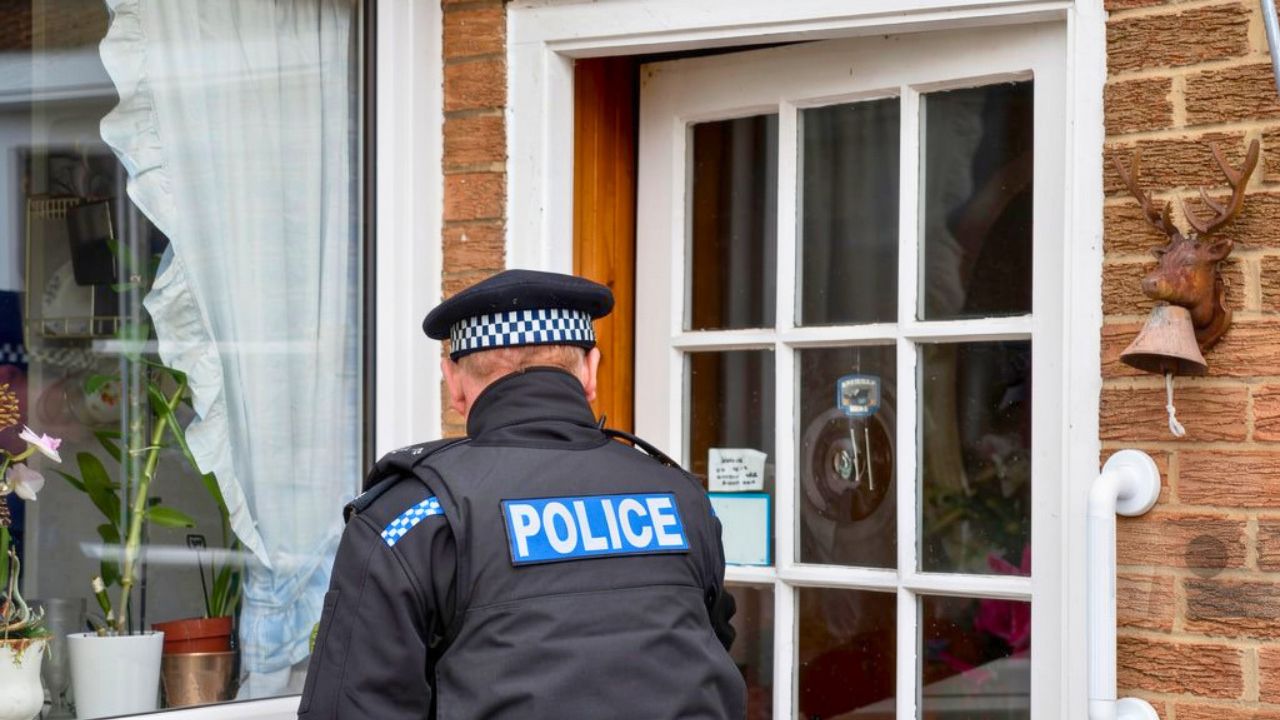
Police Broke Into His Place Looking for His Roommate’s Stuff — Then Took His Laptops and Steam Deck Instead
Photo credit: Alphotographic/shutterstock.com
A renter says he came home from work to find that police had broken into his place, left a warrant on the table, and taken a pile of electronics.
The problem, according to him, was that the electronics were his.
He explained in a Reddit post that police entered the home while he was gone. The warrant on the table was marked for his roommate’s belongings, including laptops, computer materials, and similar items.
But when he looked around, he said officers had taken two of his laptops, his Steam Deck, a portable laptop monitor, external drives, and even the receiver for his Xbox controller.
That left him in a frustrating spot. He was not the target of the warrant, at least from what he could tell. His roommate was. But his own belongings had been swept up anyway.
The renter also said officers had come in through the living room window and left the screen completely broken. No one else was home. Only he and the roommate lived there.
That detail mattered because the items taken were not handed over by someone in the house. Police had forced entry, searched, and removed anything computer-related from the common area.
He said they did not take anything from his bedroom, but there were no computer items in there. The electronics he owned were in the shared living area, which made the situation harder. Since they were in a communal space, officers may not have had a clear way to know which items belonged to the roommate and which belonged to him.
They also took an old phone and an old laptop from the roommate’s room, according to his later comment. But the renter said there was no way officers could have known the common-area electronics belonged to him instead of the person named in the warrant.
That is where the whole thing became legally messy.
From his view, police broke in and took property that did not belong to the suspect. From the police perspective, they may have believed computer-related items in shared areas were within the scope of the warrant because the roommate had access to them. That did not make the loss any easier for the renter, who was suddenly without major devices he needed and owned.
There was a detective’s card left on the table, and the renter planned to call to explain that the seized property belonged to him.
But he was not sure whether to call directly or get a lawyer first. He also wanted to know if there was any way to get his stuff back quickly.
That was the part commenters were least optimistic about.
Some told him that once police seize electronics as evidence, getting them back can take a long time, even if he is an innocent owner. Others warned that if the devices were part of an investigation, police might not return them just because he says they are his.
He would likely need proof of ownership: receipts, serial numbers, account logins, device registrations, photos, purchase records, or anything else showing the laptops, Steam Deck, drives, and monitor belonged to him.
Even then, commenters suggested the items might be held until the investigation or trial process moved forward.
That reality made the situation feel even more unfair. The renter may not have done anything wrong, but his electronics were now tied up in a case involving someone else. And because the items were found in shared space, he may have to fight to separate his property from his roommate’s.
The broken window screen added another layer. Even if police had legal authority to enter, he was left with damage to the home and missing property. He now had to figure out who fixes the screen, who confirms what was taken, and how to get his belongings back without accidentally saying something that could hurt him or someone else.
The post did not include a clear update showing whether he recovered the items. But the frustration was obvious. He came home from work and found out a warrant aimed at his roommate had suddenly become his problem too.
His laptops, Steam Deck, monitor, external drives, and controller receiver were gone.
And now he had to prove that the things sitting in his own living room actually belonged to him.
Commenters mostly told him to contact a lawyer if he wanted a serious chance of getting the property back quickly. Several said police may not voluntarily return seized items without formal legal pressure, especially if the devices could be treated as evidence.
A lot of commenters focused on the shared-space issue. Because the electronics were in the communal area, officers may have viewed them as accessible to the roommate and therefore covered by the warrant.
Others told him to gather proof of ownership immediately. Receipts, serial numbers, account records, photos, and device registrations could all help show the items were his.
Some commenters said calling the detective was still worth doing, but warned him to be careful and avoid discussing anything beyond ownership of the property.
The strongest practical advice was simple: document everything taken, photograph the damage, gather proof, ask about the property-return process, and talk to a lawyer if the devices are valuable enough to fight for.