Homeowner Notices Roof Leaks in Three Places Just Months After Buying — Then the Insurance Question Gets Complicated
Photo credit: Fix It Homestead
Buying a house already comes with enough second-guessing. You wonder if the inspection missed anything, if the sellers patched over a problem, if that odd stain in the corner means something, or if you’re simply being nervous because the biggest purchase of your life still feels brand new.
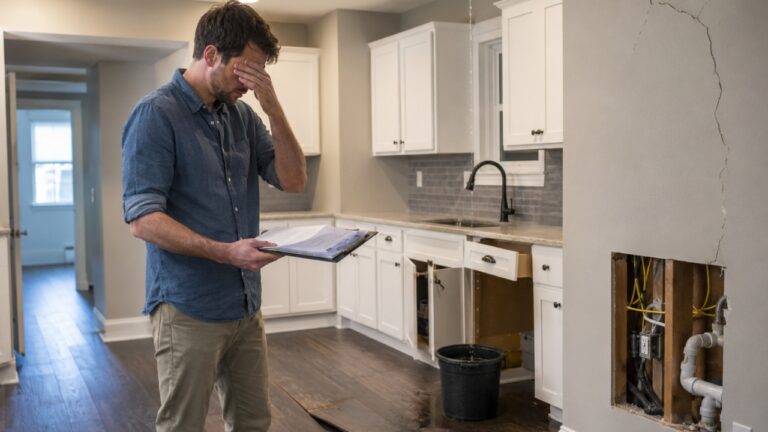
For one new homeowner in Los Angeles, those worries became real about three months after buying the property. After a round of rain, they noticed leaks in three separate areas of the house and started wondering whether it made sense to call homeowners insurance. They explained the situation in a Reddit post on r/homeowners, asking what the downside would be to filing a claim for a roof leak. The original post is here: https://www.reddit.com/r/homeowners/comments/16g1g4k/insurance_claim_for_roof_leak_downsides/
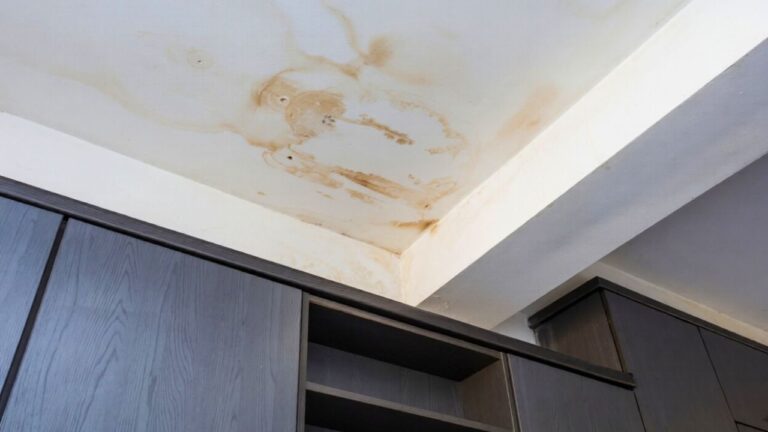
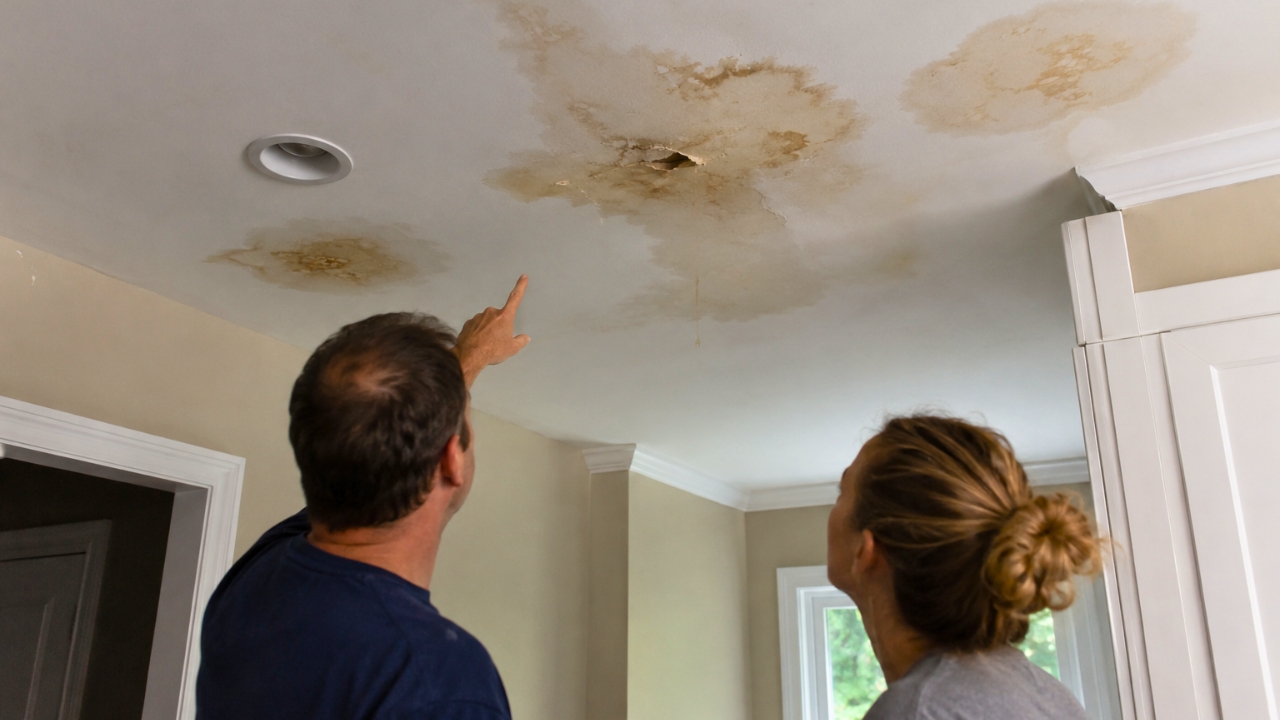
The homeowner said they had only been in the house for about three months when the leaks showed up during the most recent rain. That alone would be frustrating, but the number of leaks made it worse. This was not one little drip around a vent or a single suspicious spot near a chimney. They were seeing water come in from three different areas, which made the roof feel like a much bigger problem than a quick patch.
They brought out a few companies for quotes, and the message they received was not encouraging. Because the house had a flat roof, the roofers reportedly said a simple repair probably was not the best use of money and would not guarantee the leak would be fixed. Instead, they were recommending a full roof replacement.
That estimate was hovering around $30,000.
For a homeowner who had just bought the place, that is the kind of number that can knock the wind out of you. A roof is not fun money. It is not the kind of project most people are excited to take on three months after closing, especially in a high-cost area like Los Angeles. The homeowner had a $5,000 insurance deductible, so the math naturally made them wonder if a claim was the smarter route.
But that is where the decision got messy.
The homeowner had heard the same warning many homeowners hear: be careful with insurance claims. Some people say not to file unless you absolutely have to, because a claim can affect your rates, your renewal, or your ability to shop for coverage later. Others treat insurance as something you pay for every month and should use when a major repair appears. Stuck between those two ideas, the homeowner called the insurance company for guidance.
The answer did not really settle anything. According to the post, the insurance company could not recommend much beyond filing a claim and discussing it with the assigned adjuster. That left the homeowner with more questions than answers. Would the claim be reasonable? Would it count against them even if they filed and later chose not to proceed? Would the roof even be covered? Were they overthinking the whole thing?
The timing made the situation feel even more unfair. The homeowner said there had been no visible signs of water damage before the sale. They had actually felt reassured because the house had gone through heavy Southern California rainfall earlier that year without obvious problems showing up during the buying process. Then, only a few months later, leaks appeared in multiple places.
That is a tough spot for any buyer. Once you close, a lot of problems become yours, even if they feel like they should have been found earlier. If the roof is simply old, worn, poorly maintained, or reaching the end of its life, insurance may not treat that the same way it would storm damage from a specific event. But from the homeowner’s view, a $30,000 roof problem shortly after move-in was still a major hit.
The post later took an interesting turn when the homeowner gave an update in the comments. Someone asked what ended up happening, and the homeowner said they decided to stay clear of discussing it further with insurance. Instead, they patched the roof themselves, and so far, the repair seemed to be holding. When another commenter asked about the DIY cost, the homeowner said it was under $200 to $300, depending on the size of the patch, and mentioned using roofing cement and aluminum drip edge material where the membrane was coming loose.
That outcome did not mean the roof replacement concern disappeared forever. A patch can buy time, especially on a flat roof, but it does not always solve the larger issue. Still, for a new homeowner staring down a huge estimate and worrying about insurance fallout, a lower-cost temporary fix may have felt like the most practical move at the time.
Commenters were pretty blunt about the insurance side of the problem. Several people told the homeowner that insurance usually does not pay to replace an old or failing roof unless the damage can be tied to a specific covered event, such as wind, hail, a fallen tree, or another sudden incident. In their view, a roof leak caused by age, wear, or maintenance issues would likely be treated as the homeowner’s responsibility.
A number of commenters also warned that simply calling the insurance company could create a record of the roof problem. Some users said even a denied claim, or a call that turns into a documented claim, could affect future rates or coverage options. One commenter shared that they had once called only to ask a question about a flooded basement bathroom, and the company opened a claim anyway, which they later said affected their rate.
Others took a more practical approach and suggested the homeowner focus first on determining the cause of the leak. If a roofer could clearly connect the damage to a covered event, then insurance might make sense. But if the roof was old, worn, or failing on its own, several commenters said the homeowner would probably be better off paying for repairs or replacement directly and saving insurance for a true emergency they could not afford out of pocket.