New Landowner Finds the Neighbor’s Water Line Running Through the Property — Then the Neighbor Expects Them to Pay to Move It
Photo credit: Fix It Homestead
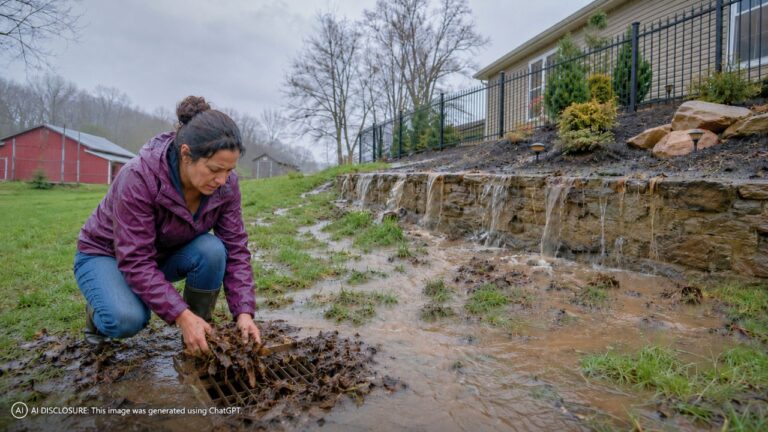
Buying land can feel simple until the hidden utilities start showing up. A fence line is visible. A driveway is visible. A shed, barn, culvert, or old gate is easy enough to spot. But buried water lines are a different story. They can run quietly underground for years, and the person buying the property may not know they exist until someone points to the dirt and says, “That line is mine.”
That is what one new landowner described after buying a property and discovering that a neighbor’s water line crossed through it. The situation showed up in a Reddit post on r/legaladvice, where the landowner explained that the neighbor’s line ran through their property and that the neighbor expected them to pay to move it. The original Reddit post is here: https://www.reddit.com/r/legaladvice/comments/18biano/neighbors_water_line_runs_through_my_property/
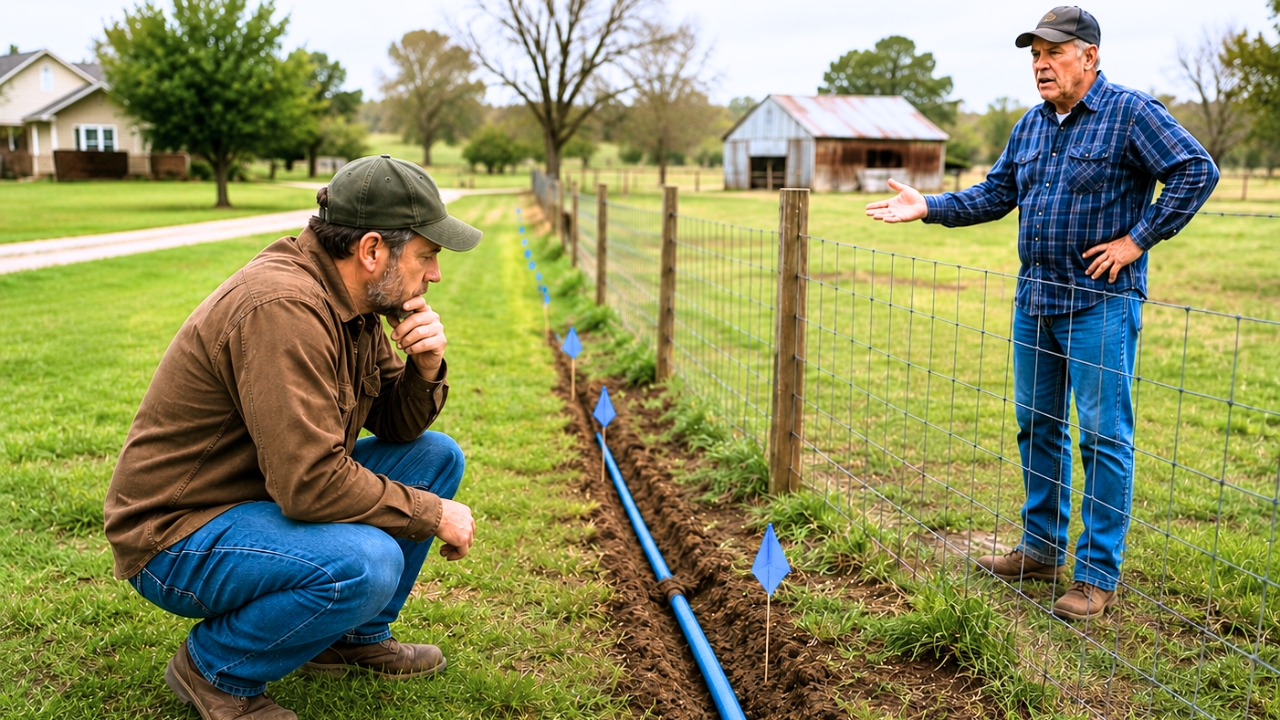
According to the post, the landowner had purchased the property and later learned that the neighbor’s water line was buried across it. That alone would be enough to raise questions. A water line serving one property is not something most owners want crossing their land without clear permission, documentation, or an easement. If the line leaks, breaks, freezes, needs replacement, or interferes with future building plans, the property owner can end up dealing with a problem that belongs to someone else.
The bigger issue was what the neighbor wanted next. Instead of simply acknowledging that their water line was on land they did not own and offering to handle it, the neighbor apparently expected the new owner to pay to have the line moved. That is where the conflict became much harder to accept.
From the landowner’s point of view, they had just bought the property. They had not installed the water line. They had not agreed to host it. They were not the person using it. Yet somehow, they were being told that moving it was their expense.
That is the kind of property surprise that can make a buyer wish they had dug deeper before closing. Buried utilities can affect everything from building sites to fencing, driveways, gardens, livestock areas, grading, tree planting, and drainage work. You do not want to put a structure over someone else’s line or accidentally hit it while improving your own land. And if the line is not recorded properly, it can create confusion for future buyers too.
The post raised the obvious question: was there an easement? If the neighbor had a recorded easement allowing the line to cross the property, the situation would be different. An easement could give the neighbor a legal right to keep and maintain the water line in that location. It might also spell out who is responsible for repairs, access, relocation, and damage. But if there was no easement, the landowner had a much stronger reason to push back.
That is why commenters focused heavily on the paperwork. In property disputes, what people have always done is not always the same as what they have a legal right to keep doing. A neighbor might say the line has been there for years. They might say a previous owner allowed it. They might say everyone knew about it. But a new landowner still needs to know what is actually recorded in the deed, survey, title documents, or utility records.
There is also the practical question of how the line got there in the first place. It may have been installed by agreement with a previous owner. It may have been installed informally, with nothing written down. It may have served an old shared system or been tied to a rural water setup that no one ever documented well. On rural land especially, old utility arrangements can be surprisingly casual until the property changes hands.
That does not mean the new owner should automatically accept the neighbor’s demand. If the line interferes with their use of the property, they need to know their rights before paying for anything. Moving a water line can be expensive, especially if it requires trenching, permits, new connections, road crossing, pressure changes, or coordination with a water district. It is not the kind of cost a property owner should accept just because a neighbor says so.
The situation also creates risk if the line stays where it is. If the landowner ever wants to dig, build a fence, plant trees, install a driveway, or run their own utilities, the buried line becomes a concern. If it breaks, who pays for the repair? Who has permission to come onto the land to fix it? Can the neighbor bring equipment onto the property? Does the landowner have to leave that area open forever? Those questions need answers before the problem becomes bigger.
For this new landowner, the conflict was not only about the water line itself. It was about being expected to absorb the burden of someone else’s utility without clear proof that they had to. That is exactly why land buyers should ask about easements, utilities, shared lines, access roads, and old agreements before closing whenever possible. Once the property is yours, the hidden stuff underground can become your headache even if you did not create it.
Commenters pushed the landowner to start with the deed, title documents, survey, and any recorded easements. Several users said the answer depended heavily on whether the neighbor had a legal right to keep the water line where it was. If there was a recorded easement, the landowner might have limited options. If there was no easement, the neighbor’s position could be much weaker.
A number of commenters suggested contacting the title company or closing attorney, especially if the water line had not been disclosed during the sale. If the line should have appeared in title work or on a survey, that could matter. Others recommended checking with the local water authority or utility provider to see whether they had records of the line.
Several users warned the landowner not to pay to move anything until they knew the legal status of the line. Moving a utility can be expensive, and paying once could make it look like they accepted responsibility for a problem they did not create.
The strongest practical advice was to get documents first and opinions second. In a buried utility dispute, a neighbor’s memory is not enough. The landowner needed recorded proof, a clear map of the line, and legal guidance before agreeing to relocation, access, repair costs, or anything that could affect future use of the property.