Neighbor Installs a Septic Tank on Someone Else’s Land — Then Suggests the Owner Should Buy It From Him
Photo credit: paddooss/Shutterstock.com
Buying land before building a house already comes with a long enough checklist. Survey, permits, utilities, driveway plans, building site, water, sewer, grading — there are a lot of moving parts before the first wall ever goes up. What most people do not expect is to show up before construction starts and find out the neighbor has installed part of a septic system on their property.
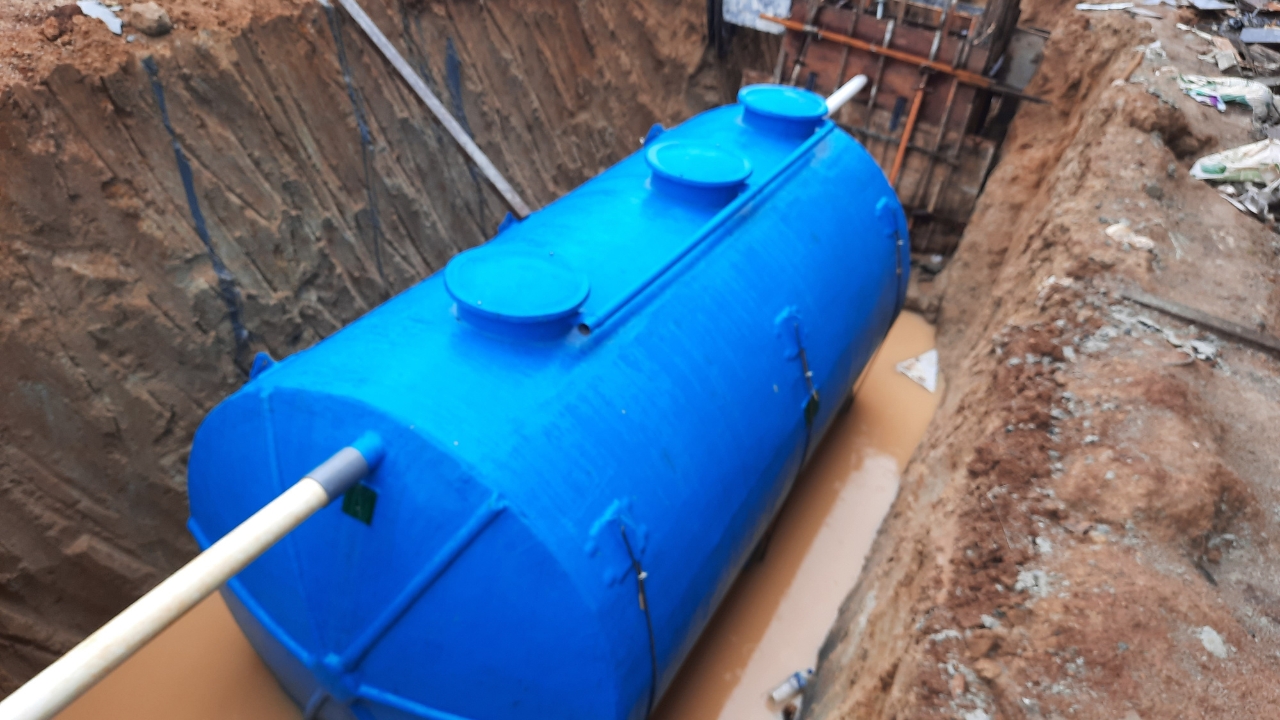
That is what one landowner said happened after buying a plot in Nebraska with plans to build a house there with his wife. He shared the situation in a Reddit post on r/legaladvice, explaining that they were still living out of state and had not been watching the land closely when the neighbor’s septic replacement somehow crossed the property line. The original Reddit post is here: https://www.reddit.com/r/legaladvice/comments/3b4g4s/neighbor_had_a_septic_tank_put_in_on_my_land_what/
According to the landowner, they had bought the property about six months earlier and were supposed to begin construction in two months. Since they were still living in another state, the land was mostly unattended. In a small town where many people used septic systems, the neighbor apparently had trouble with his own system and needed to replace it.
Somehow, that replacement ended up on the wrong land.
The landowner did not know exactly where the tank itself sat, but he said the start of the disturbed dirt was about 25 feet from the property line. That is not a tiny mistake where someone’s mower clipped the edge of the wrong yard. If the septic work was really that far inside the boundary, it meant excavation and installation had happened well onto land the neighbor did not own.
The worst part was that the work had already been finished for more than a month by the time the landowner found out. He had only come to the property to talk with a contractor about his own upcoming build. Instead, he discovered a property-line problem involving buried infrastructure.
He immediately went to the neighbor to ask what happened. The neighbor seemed surprised and insisted he thought the property line was farther out. The landowner showed him the property markers, but the neighbor wanted his own surveyor to come out the next week and verify the line.
That part was understandable enough. If someone is being told they just installed a septic system on somebody else’s land, they may want confirmation before making any big decisions. But the neighbor’s proposed solutions are where the landowner’s frustration really took off.
According to the post, the neighbor said that if the landowner was right, the “only viable solution” was for the landowner to buy the septic system from him. The neighbor said it had cost $9,000 and suggested $7,000 would make them “fair and square.”
That is a bold proposal. The landowner had not asked for the septic system. He had not planned to use septic at all. In fact, he said he planned to connect to the town system instead. From his perspective, the neighbor was asking him to pay thousands of dollars for an unwanted system that had been installed on his land without permission.
The neighbor also floated other options: buying an easement for the portion of property where the septic system sat, or buying that piece of land from the landowner. Again, those options benefited the neighbor by letting the system remain in place. The landowner preferred something much simpler: everything installed on his land should be removed, and the property should be restored to the way it had been.
The neighbor reportedly said that was not possible because he did not have the money to remove it. According to the landowner, the neighbor told him he would have to pay for the reversal himself.
That answer would make just about any landowner furious. It is one thing for a neighbor to make an honest mistake. It is another to suggest the person whose land was used without permission should either buy the unwanted septic system, sell off part of the property, grant an easement, or pay to remove it themselves.
The situation also raised permitting and contractor questions. Septic systems are not usually casual backyard projects. Depending on the location, they may require permits, soil testing, inspections, registration, and approval from a health department or environmental agency. If a contractor installed the system, the landowner had reason to wonder how nobody checked the property line before digging. If the neighbor pulled a permit, someone may have represented that the work was happening on the neighbor’s property.
That is why commenters pushed the landowner to look beyond the neighbor alone. The contractor, the contractor’s insurance, licensing agencies, the health department, and permitting records could all matter. If a septic system was installed on the wrong parcel, the mistake may involve more than one person’s bad guess about a boundary.
The landowner’s concern was not only emotional either. A septic system could affect where they planned to build, how their land could be used, future resale, permits, setbacks, utilities, grading, and access. Even if the tank was new and unused, leaving it buried on the property could create a title and land-use headache. If it was tied to the neighbor’s house, it could also become a permanent encumbrance unless handled correctly.
That is why the “just sell me an easement” idea was not as simple as it may have sounded. An easement could affect the landowner’s future plans and give the neighbor legal rights on the property for years. Selling part of the land could also change the lot, future building layout, setbacks, or value. None of that should be decided just because the neighbor already made an expensive mistake.
For anyone buying land, this story is a rough reminder that unattended property still needs eyes on it, especially before construction. A fresh survey, visible boundary markers, cameras, regular visits, and quick communication with neighbors can help, but they cannot stop every bad decision. Once someone buries infrastructure across the line, the fix is usually much messier than preventing it would have been.
Commenters were firm that the landowner needed a real estate attorney quickly. Several said this looked like a textbook trespass or encroachment issue, and the landowner should not agree to buy the septic system, grant an easement, or sell any land without legal advice.
A number of users told the landowner to check permits and health department records. Septic systems often require approval, soil testing, and final inspection, so commenters wanted to know whether the system had been properly permitted and whether the permit falsely identified the installation location as the neighbor’s property.
Several commenters also said the contractor and the contractor’s insurance could be important. If a professional installed the system in the wrong place, the contractor’s insurer or bonding company might be part of the solution, especially if the neighbor personally could not afford removal and restoration.
Others warned the landowner not to remove or destroy the system on his own without legal guidance. Even though it was on his property, tearing into a septic system could create environmental, property-damage, or liability problems. The practical advice was to document the survey, photograph the disturbed area, confirm the boundary, pull permit records, avoid signing anything, and get an attorney involved before the neighbor’s mistake became a permanent problem.