Landlord Ignores a Leak for Months — Then Rot, Mold, and a Security Deposit Fight Start Brewing
Photo credit: Fix It Homestead
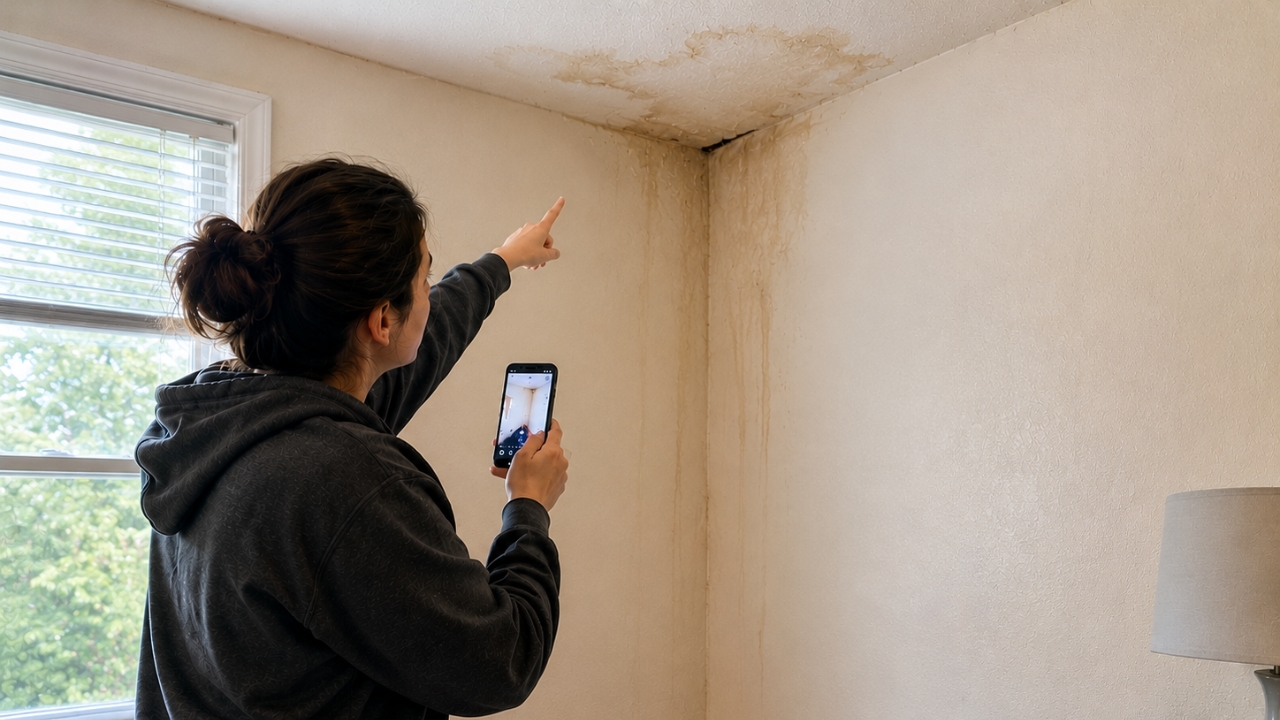
A leak in a rental can go from annoying to damaging surprisingly fast. A little water at first may only mean a stained wall or damp baseboard. But when the leak sits for weeks or months without a real repair, the damage keeps building even if the tenant is doing everything they can to report it.
That is what one renter described after saying their landlord ignored a leak ticket for months, only for the situation to grow into visible rot and mold. They shared the story in a Reddit post on r/Renters, explaining that the ignored repair was now creating damage serious enough to raise questions about habitability and even a possible future security deposit problem. The original Reddit post is here: https://www.reddit.com/r/Renters/comments/1s3h3ob/landlord_ignored_my_leak_ticket_for_months_now/
According to the renter, they submitted a maintenance ticket about a leak and expected the landlord or management to handle it. That is what tenants are supposed to do. You notice the problem, report it, and wait for the owner of the property to make the repair.
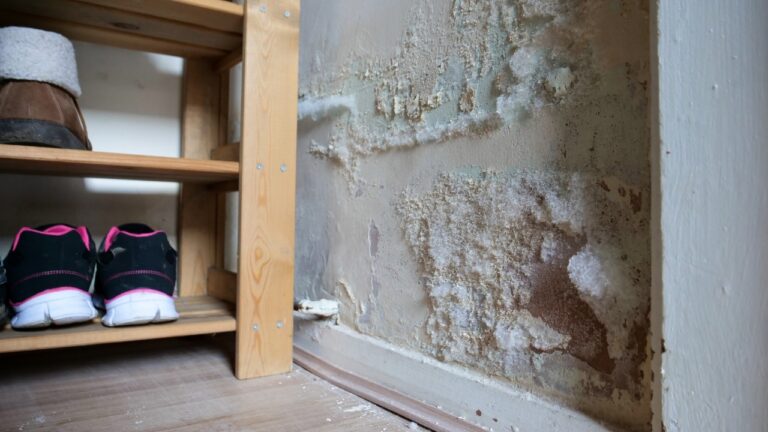
But in this case, the issue was not handled promptly. Time passed. The leak kept sitting there. And by the time the renter posted, the damage had worsened into rot and mold.
That is the kind of shift that changes the whole tone of a maintenance complaint. A small leak can sound like a routine repair. Rot and mold feel much more serious. They point to ongoing moisture, building damage, and the possibility that the problem has been left untreated far too long.
The renter’s concern was not only the condition of the unit. They were also thinking ahead about what would happen when they moved out. If the landlord had ignored the leak long enough for mold and rot to develop, would the same landlord later try to blame the tenant for the damage and withhold the security deposit?
That fear is not unreasonable. Deposit disputes are already stressful when everyone agrees on what happened. They get much harder when a tenant has been living with an unresolved maintenance issue and worries the landlord will later frame it as tenant-caused damage, poor housekeeping, or neglect.
This is one reason written maintenance records matter so much. A tenant who reports a leak early has a stronger position than a tenant who mentions it casually months later. If the tenant can show the original ticket, follow-up messages, photos over time, and the lack of repair, it becomes much harder for a landlord to pretend the damage appeared without warning.
The rot and mold also raised a bigger question: was the rental still safe and habitable? Mold discussions on the internet can get dramatic fast, but moisture and visible growth are not things tenants should shrug off. If water has been entering a wall, ceiling, or floor long enough for materials to rot, the issue usually goes beyond surface cleaning. Wet materials may need to be removed. The leak source needs to be repaired. If not, the same cycle continues.
The renter was stuck in the familiar position many tenants know too well. They did not own the building, so they could not simply hire a contractor to open the wall and fix the leak. They had already done their part by reporting the issue. But without action from the landlord, they were left living beside worsening damage while also worrying about how it might be used against them later.
That is why the situation had two timelines at once. On one timeline, the renter needed the leak and mold dealt with now. On the other, they needed to protect themselves for the future in case the landlord tried to keep the deposit or claim the damage happened because the tenant failed to report it.
The practical steps in a case like this are not glamorous, but they matter. The renter needs photos from multiple dates, copies of the maintenance request, records of follow-up contacts, and a written description of what has changed over time. If the damage is spreading, that needs to be documented. If the leak is still active, that needs to be documented. If the landlord replies verbally, it helps to follow up in writing.
The situation also shows why tenants should not assume that a maintenance ticket alone will protect them. A ticket is a good start, but when a landlord ignores it, the tenant may need to escalate in writing, contact code enforcement, or seek tenant-rights guidance depending on local law. If the issue later becomes a deposit fight, that paper trail may matter more than anything else.
For renters, this is one of those problems that can quietly turn into two different battles: getting the property fixed and preventing the landlord from pinning the damage on you later. The same leak that damages the wall can also damage the trust between tenant and landlord once it becomes clear the complaint is not being taken seriously.
Commenters strongly encouraged the renter to preserve every record tied to the leak. Several said to save the original maintenance ticket, take time-stamped photos, and document each follow-up message asking for repair.
A number of users focused on the potential deposit issue. They said the renter should not wait until move-out to gather proof. If the landlord later tried to withhold money for mold or rot, the renter would want a clear record showing that the leak had been reported and ignored.
Others advised escalating beyond routine maintenance requests. Commenters mentioned written notice, certified mail, local housing inspectors, or code enforcement if the leak and mold continued without action. Some also suggested checking local renter protections to see what remedies might be available.
The strongest practical advice was to treat the leak like both a repair problem and a future evidence problem. The renter needed the damage fixed, but they also needed proof that the landlord had been warned long before rot and mold took over.