First-Time Buyer Finds a Cracked Foundation After Closing — Then the Inspector’s Report Suddenly Feels Too Thin
Photo credit: Fix It Homestead
A first-time buyer expects nerves.
Every little sound in the house feels new. Every repair feels expensive. Every mark on the wall raises the same question: is this normal, or did I miss something?
But one first-time buyer found the kind of problem that makes a new homeowner’s stomach drop.
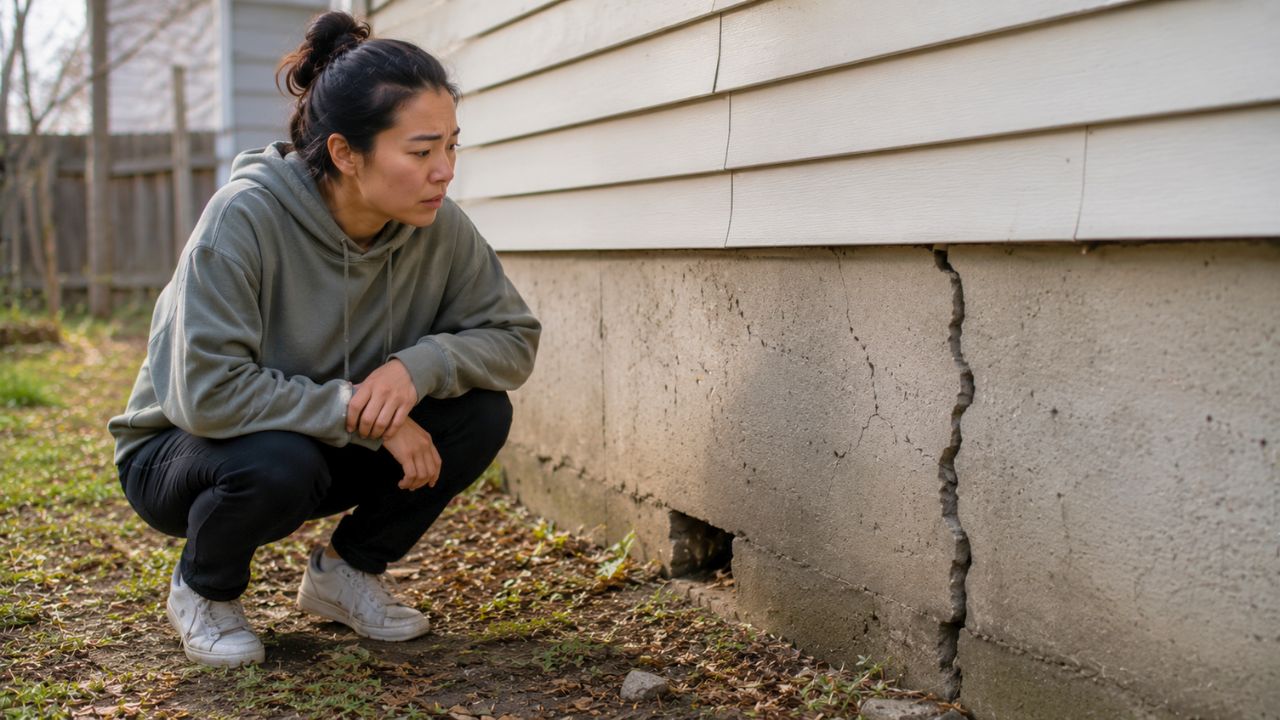
After closing, they discovered a cracked foundation.
And once they saw it, the inspection report they had relied on during the purchase suddenly felt a lot less reassuring.
What had seemed like a manageable homebuying process now had a much bigger question hanging over it: how serious was the crack, and why did nobody make it sound serious before the deal was done?
The crack changed everything
A cracked foundation is one of those discoveries that can make an entire house feel unstable.
Some cracks are minor. Houses settle. Concrete moves. Small hairline cracks can be common, especially in older homes or areas with shifting soil.
But a buyer who finds a crack after closing does not always know whether they are looking at a normal settlement issue or the beginning of a major structural problem.
That uncertainty is what makes it so stressful.
Suddenly, other parts of the house start looking suspicious. A sticky door feels connected. A sloped floor feels worse. A drywall crack becomes alarming. Water near the foundation seems more serious. Even normal settling noises can make the new owner wonder what is happening underneath them.
For a first-time buyer, it can feel like the house they were excited about has turned into a mystery they are not qualified to solve.
The inspection report became the center of the worry
Most buyers lean heavily on the home inspection.
They may not understand every system in the house, but they trust that the inspector will flag serious concerns before closing. If the report does not make something sound urgent, the buyer may move forward believing the issue is either minor or not present.
That is why the foundation crack felt so frustrating.
The buyer had to go back and look at what the inspection actually said.
Was the crack mentioned at all? Was it described as cosmetic? Was there a recommendation for further evaluation? Did the inspector note drainage, grading, water intrusion, or structural movement? Were parts of the foundation blocked from view?
Sometimes reports include cautious language that buyers do not fully understand until later. A phrase like “recommend evaluation by a structural engineer” may sound optional during closing, but it can feel much more serious after the buyer finds visible damage.
Other times, the report may feel too thin because it simply did not explain the risk clearly enough.
The seller’s role also became a question
Once the foundation crack was discovered, the buyer likely wondered whether the seller knew about it.
Had the seller repaired cracks before? Were there old patch marks? Had doors been adjusted? Were there previous engineer reports, drainage repairs, or foundation company quotes? Did the seller paint, cover, or store items in a way that made the area harder to see?
Those questions matter because foundation issues can be expensive, and buyers often depend on disclosure forms to understand known problems.
But proving a seller knew about a foundation issue can be difficult after closing.
The buyer may need photos, repair records, neighbor statements, contractor opinions, old listing images, or evidence that the crack was previously patched or concealed.
Without proof, the buyer may be stuck dealing with the problem even if it feels like someone should have caught it earlier.
The cost fear came fast
Foundation problems are scary because the repair range can be enormous.
A small crack may need monitoring, sealing, drainage correction, or minor repair. A more serious issue may require piers, structural work, waterproofing, grading changes, gutter improvements, or engineering plans.
That range is brutal for a new homeowner.
One expert may say it is not urgent. Another may hand over a quote that makes the buyer panic. A foundation company may recommend a major repair, while a structural engineer may say to monitor it first.
That is why getting the right opinion matters.
A scared first-time buyer can be vulnerable to either extreme: ignoring a real problem because they do not want to face it, or overpaying for a repair because a company makes the issue sound catastrophic.
Commenters focused on getting an independent engineer
When homeowners find foundation cracks after closing, people often warn them not to start with a company that sells foundation repairs as the final authority.
A structural engineer who does not profit from the repair work can give a more neutral assessment. They can evaluate whether the crack suggests movement, whether the foundation is actively shifting, whether drainage is contributing, and whether the home needs repair or monitoring.
Commenters also tend to recommend documenting everything.
Photos with dates. Measurements of the crack. Notes about whether it changes over time. Inspection report pages. Seller disclosures. Any visible signs inside the home. Any quotes or professional opinions.
That documentation can help the homeowner make decisions and may matter if they later question the inspection or disclosure process.
The buyer had to separate fear from facts
The hardest part of a foundation discovery is staying calm enough to gather information.
A crack can look terrifying, but not every crack means disaster. At the same time, dismissing it without understanding the cause can be risky.
The buyer needed to know whether water was involved, whether the soil was moving, whether the crack was widening, whether doors and windows were affected, and whether the structure showed other signs of movement.
That takes more than a quick glance.
It takes a careful evaluation from someone qualified to explain what is actually happening.
The house no longer felt simple
For this first-time buyer, the foundation crack was not just a repair issue.
It shook their confidence in the whole purchase.
They had trusted the process. They had trusted the inspection. They had trusted that the biggest problems would be clearly identified before closing. Then they found something that made the report feel incomplete and the house feel less secure.
That is what makes foundation problems so unsettling.
They are not tucked away like a broken appliance or an ugly light fixture. They sit underneath everything.
And when a first-time buyer discovers a cracked foundation after closing, the question is no longer just how to fix the crack.
It is whether the people they relied on before closing gave them enough information to understand what they were really buying.
Like Fix It Homestead’s content? Be sure to follow us.