New Homeowner Watches the Neighbor Build a Fence Two Feet Inside Her Property Line — Then He Claims “It’s Been Like That Since Forever” Even Though the Previous Owner Says No Fence Ever Existed
Photo credit: AI-generated image created using ChatGPT. Illustrative only.
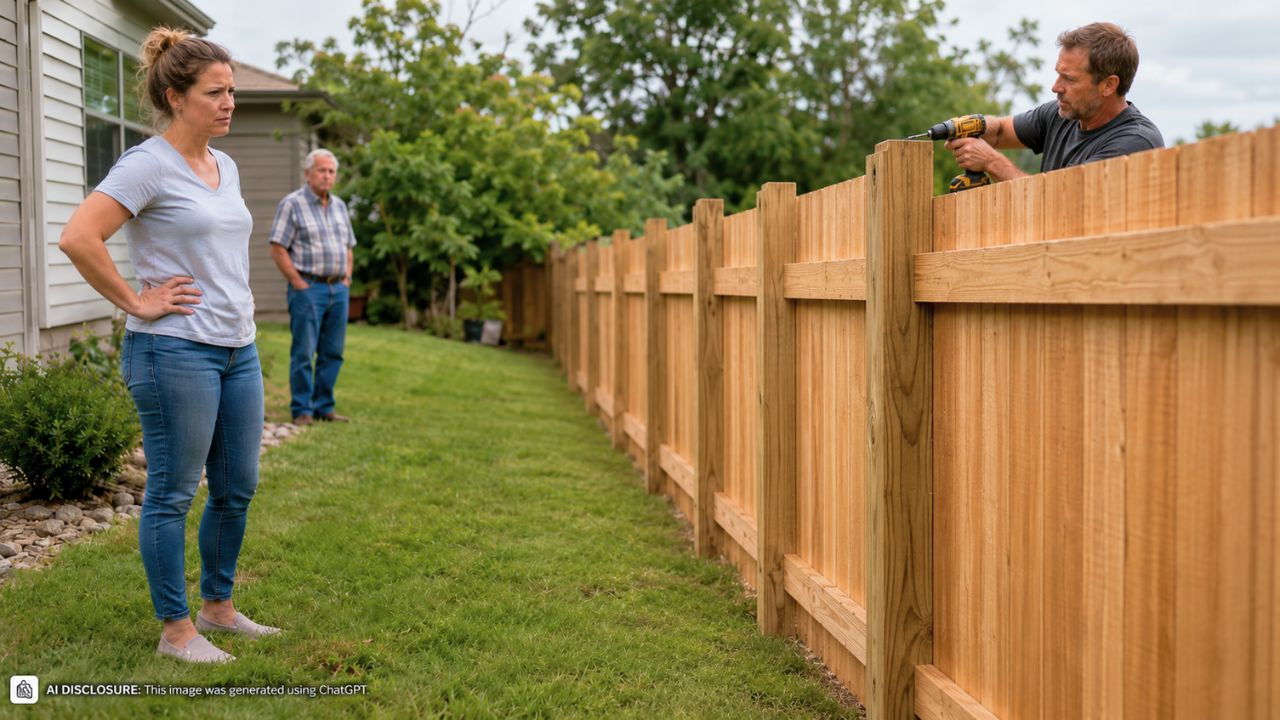
Six months into owning her first home, a new homeowner thought she was getting a simple upgrade: the neighbor next door started putting up a fence, and privacy is usually a win-win. Then she walked the line a little closer and got that sinking feeling—something about the placement didn’t match what she remembered from closing.
In the original post, she explains that after checking her property plat from the purchase paperwork, the fence wasn’t just a few inches off. It appeared to be a full two feet inside her property line, running about 70 feet—enough land to matter when you’re trying to plan a yard, a garden, or even just keep your space intact.
The first sign was easy to brush off
At first, it looked like normal neighbor stuff: posts going in, a line taking shape, the promise of less awkward eye contact over the lawn. The homeowner didn’t mention any prior tension, and her initial reaction was basically, “Cool.”
But fences have a way of turning “friendly improvement” into “permanent boundary,” especially when they go up fast. She didn’t ignore it—she verified what she could with what she already had, pulling out the plat from her closing documents and comparing it to where the fence was being built.
That’s when the “cool” turned into “wait.” Two feet doesn’t sound dramatic until you picture it as a long strip—two feet wide, 70 feet long—basically a whole ribbon of yard that changes how you use the space.
Seventy feet of “off” adds up fast
The homeowner wasn’t just nitpicking. She’d been planning to put a raised garden bed along that side, which makes the location more than aesthetic. Garden beds, irrigation, edging, mulch—once you build it, it becomes a little system. Losing two feet means redesigning the plan or shrinking what she hoped to do.
And a fence isn’t like a lawn ornament you can nudge over next weekend. Once panels go up, it becomes visually “true,” even if it’s wrong. It’s the kind of thing that trains your eye over time: this is the line, this is where you stop, this is where the other property begins.
The longer it sits there, the harder it can feel to challenge without it becoming personal. That’s the quiet pressure underneath her post: if she doesn’t say something now, is she silently agreeing to it?
“It’s always been there” didn’t match the paper trail
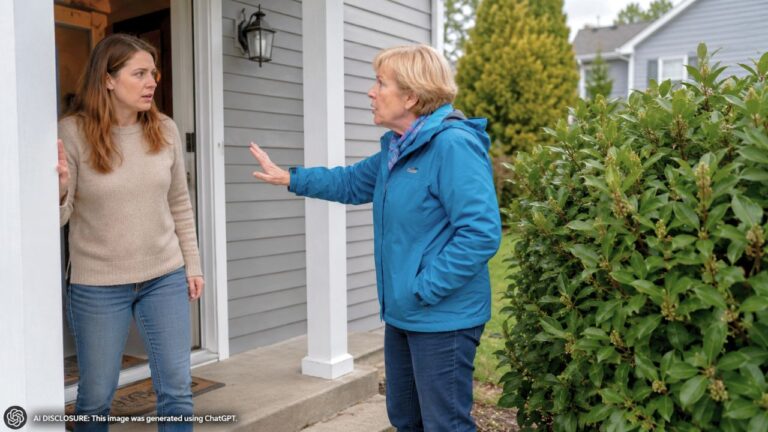
She did what most people hope will work—she asked politely. The neighbor’s response wasn’t an apology or a quick “let me double-check.” He told her, “It’s where the old fence was before. Been like that since forever, so it’s fine.”
That line can shut down a lot of conversations because it sounds like history and precedent. It also implies she’s the new person causing trouble, even though she’s the one watching a new structure go up.
The problem is, she didn’t just take his word for it. She reached out to the previous owner and got a simple answer: there was no old fence. No “this is where it used to be.” No “we had one but took it down.” Just no fence at all.
So now she’s sitting with two versions of reality: the neighbor’s “forever” and the prior owner’s “never,” with a brand-new fence quickly hardening one story into something that looks permanent from the street.
The real risk is what happens if it stays
The homeowner’s tone isn’t about revenge or getting someone in trouble. It’s about being boxed into an outcome she didn’t choose. If the fence remains two feet inside her boundary, it could become the de facto edge of her yard even if her deed says otherwise.
There’s also the practical everyday stuff. If that strip becomes “his side” in practice, does she still mow it? Does he? What happens when weeds, vines, or pests show up along the fence line and neither person feels responsible?
Then there’s access. Fences create narrow corridors that are annoying to maintain. If she wants to stain the fence, repair a panel, trim shrubs, or build that raised bed, she may end up working in a cramped area that’s suddenly treated like she’s trespassing on her own land.
And once a fence is up, emotions get baked into the posts. Asking to move it later can feel like asking someone to undo a finished project—and admit they were wrong.
Commenters pushed for proof before personalities
The homeowner asked the question most people dread: push it legally or let it go? And the responses in threads like this tend to cluster around one theme—don’t argue “forever” versus “never” in the driveway. Argue documents, measurements, and records.
Even without turning the yard into a courtroom, people commonly urge homeowners to get clear, objective confirmation of the property line beyond a plat diagram. Closing paperwork can be helpful, but it’s not the same thing as physically marking the boundary on the ground.
Another frequent theme is timing. Once construction is complete, the neighbor can frame any objection as you “letting him finish” and then complaining. Addressing it while it’s still posts and rails can be uncomfortable, but it’s often the cleanest moment to stop a bad placement from becoming a bigger, more expensive mess.
And commenters often warn against making it about character. The neighbor might be mistaken, repeating something he heard, or copying where someone once mowed. Or he might be trying to take advantage. Either way, the recommended approach is usually the same: stay calm, document what you see, and keep communication clear and written when possible.
The hardest part is fixing it without lighting the fuse
What makes this kind of dispute so draining is that it’s not just about land—it’s about living next to someone. The homeowner doesn’t want to become “that neighbor,” but she also doesn’t want to donate a slice of her yard because she stayed quiet.
It’s also happening at the worst time emotionally: she’s only six months into her first home. She’s still settling in, still learning the quirks of the property, and probably still recovering from closing costs and first-year surprises. A boundary fight is not what anyone pictures when they buy their starter house and start dreaming about garden beds.
For now, the fence is the visible problem. The deeper problem is what it represents—a future where her property line is treated like a suggestion, and where “it’s been like that” is used as a shortcut to end conversations.
She’s left standing in her yard watching a new boundary take shape, trying to decide whether the bigger risk is speaking up now or regretting silence later. Two feet doesn’t sound like much—until you realize it’s your two feet, and someone else is putting a fence on it.
Like Fix It Homestead’s content? Be sure to follow us.