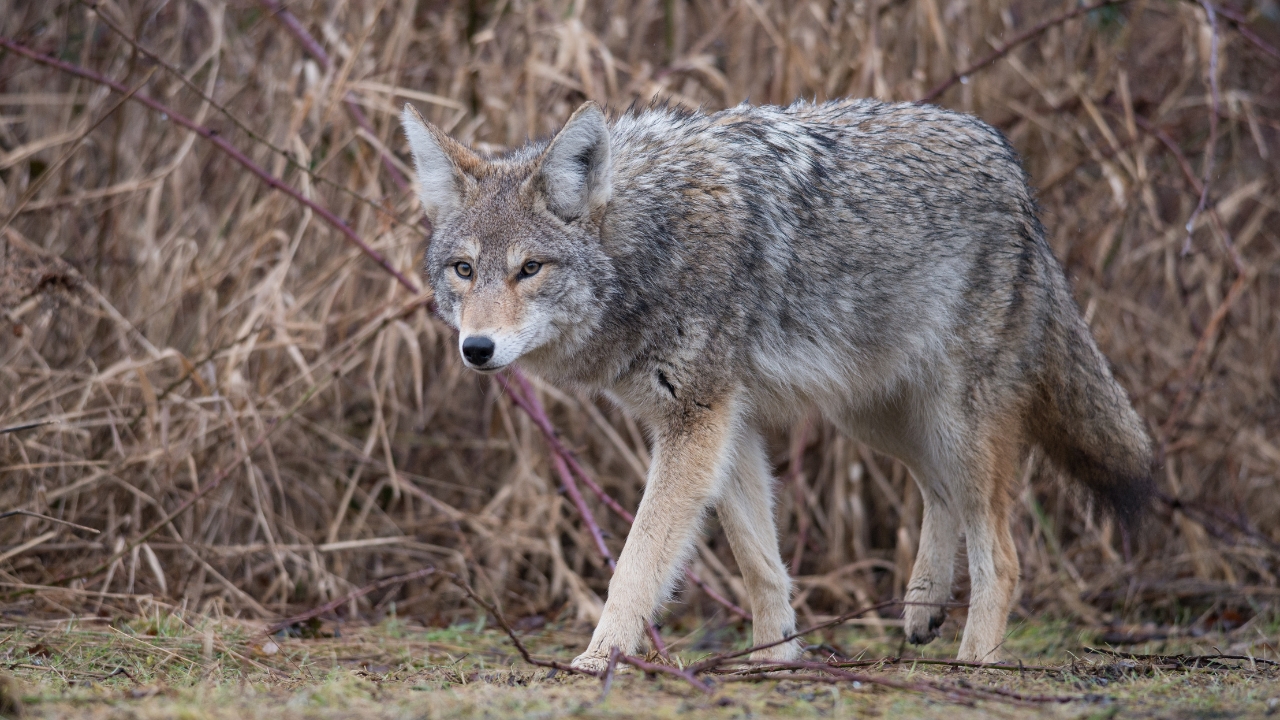
10 Signs a Coyote Has Been Scouting Your Property
Photo credit: Harry Collins Photography/Shutterstock.com
Coyotes don’t usually show up out of nowhere. They test the edges first, looking for easy meals, quiet travel lanes, and spots where nobody bothers them. Catch the scouting phase and you can fix the attractants before you’re dealing with missing cats, ripped fencing, or a panic in the chicken run.
1. Fresh Tracks In Soft Soil
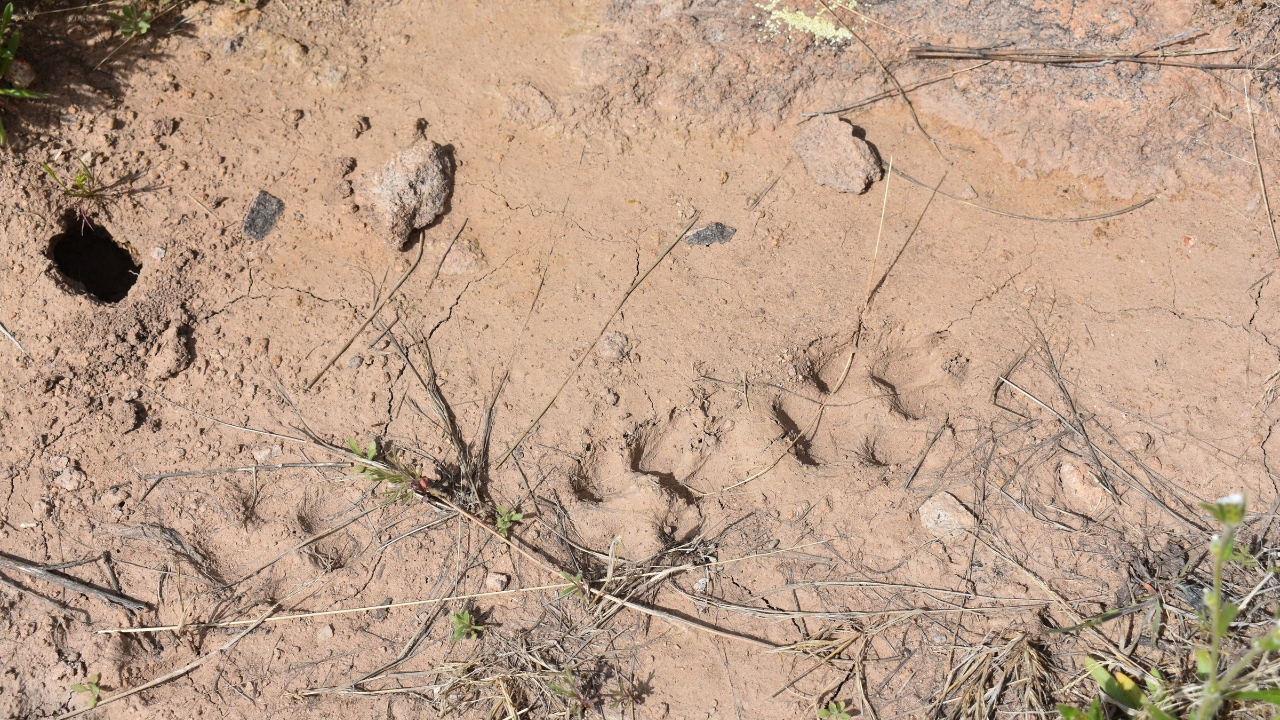
After a rain or a light snow, tracks tell you who walked through when the ground was quiet. Coyote prints are oval and tidy, with the two middle toes leading, and the nail marks often show. Dog tracks are more splayed, and dogs wander back and forth instead of moving with a purpose.
Check muddy spots by gates, along fence lines, around compost piles, and at the edge of brush. Snap a photo next to a tape measure or a coin so you can compare over time. If the same size track keeps showing up on the same path every few days, it’s not a one-off visitor.
2. Straight-Line Trails Along Fences
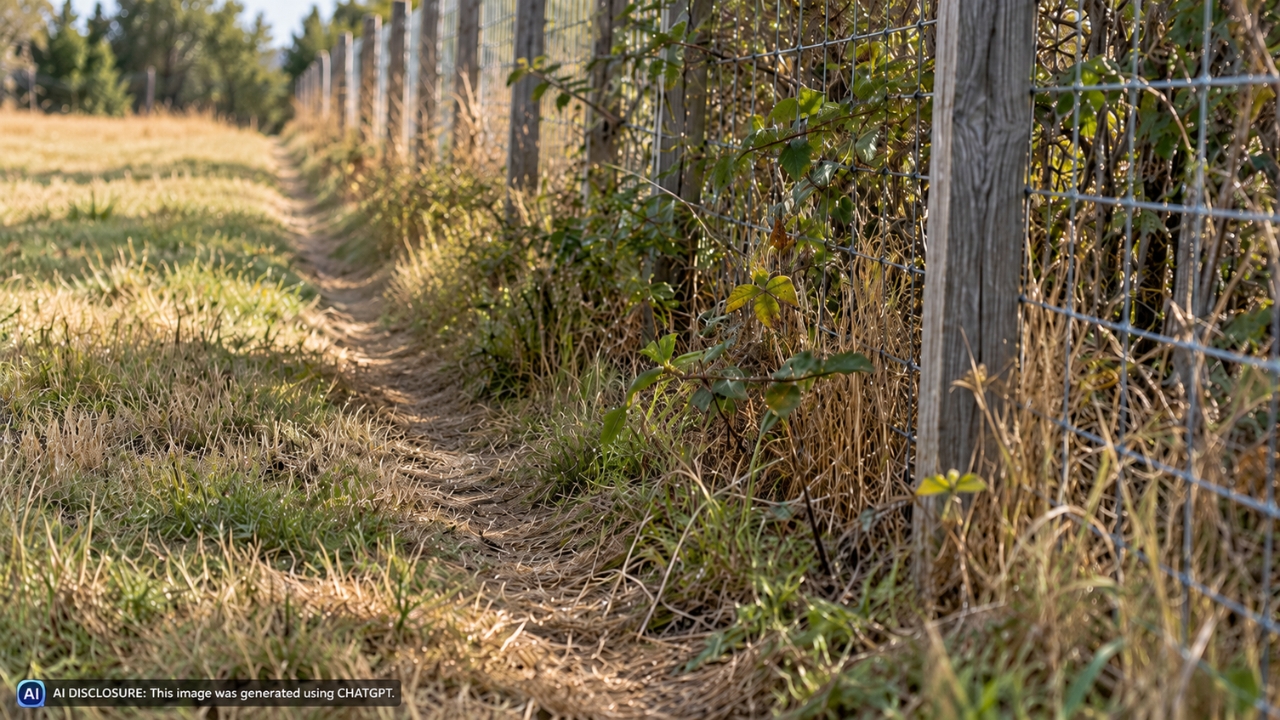
Coyotes travel like they’ve got places to be. You’ll see a narrow “tunnel” of flattened grass running tight to a fence, hedge, or treeline, with prints landing in a neat line. Dogs and deer leave wider, messier wear patterns.
Walk the perimeter and look for spots where the trail pinches through, especially near culverts and corners. Trim back brush so you can see what’s happening, then block the easy lane with welded wire, a gate fix, or brush piled thick. If you’ve got to dig for a barrier, call 811 first for utility locates.
3. Scat With Hair And Berry Seeds
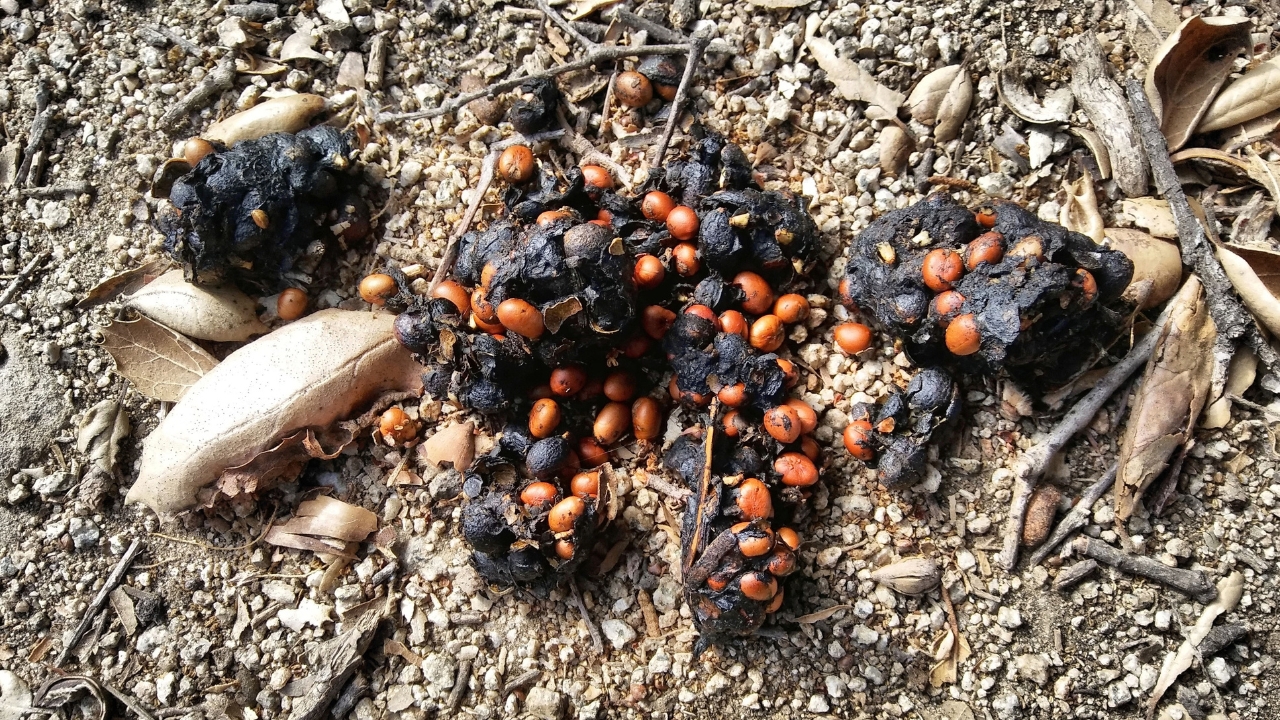
Coyote scat often looks ropey, twisted, and ends in a point. It commonly has hair, bone bits, or berry seeds, depending on season. Another tell is where it’s left, right on a path, a driveway edge, or a raised clump of grass like a signpost.
Use a shovel and gloves, bag it, and get it off the travel lane. Then take a hard look at what’s feeding them: spilled birdseed, outdoor pet food, unprotected compost, or rodents living under your shed. Fixing the food source does more than any gadget you can buy.
4. Nighttime Yips That Start And Stop

Those bursts of yips, barks, and howls that flare up and then go quiet can mean a group is checking territory. You’ll often hear it right after dusk or just before dawn, especially late winter into spring when pairs are setting up areas and raising pups.
Don’t run outside and yell every time. That turns into background noise. Instead, tighten up the basics before the noise becomes routine: lock up poultry at dusk, pick up feed, and fix any fence gaps that are easy to slip through in the dark.
5. Missing Small Pets At Dusk
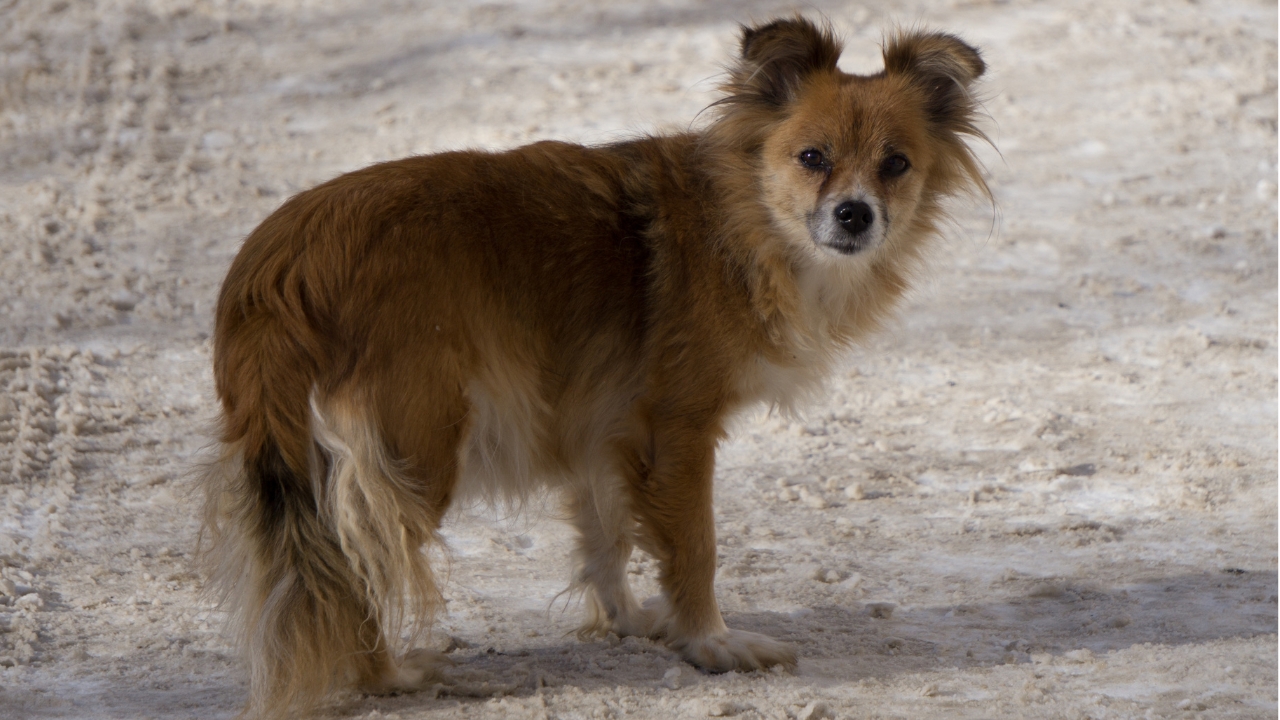
If a cat that used to stay close starts disappearing, or a small dog refuses to go out alone after sundown, pay attention. Coyotes learn schedules fast, and dusk is a common time for a quiet grab near a porch light or treeline.
Keep small pets on a leash after dark and don’t let them roam at dawn. If you’ve got a dog run, check that the top is covered or the sides are tall and tight, because climbing and squeezing happen more than people think. If a pet goes missing, call local animal control or your county office so they know activity is picking up.
6. Feather Piles Near Cover
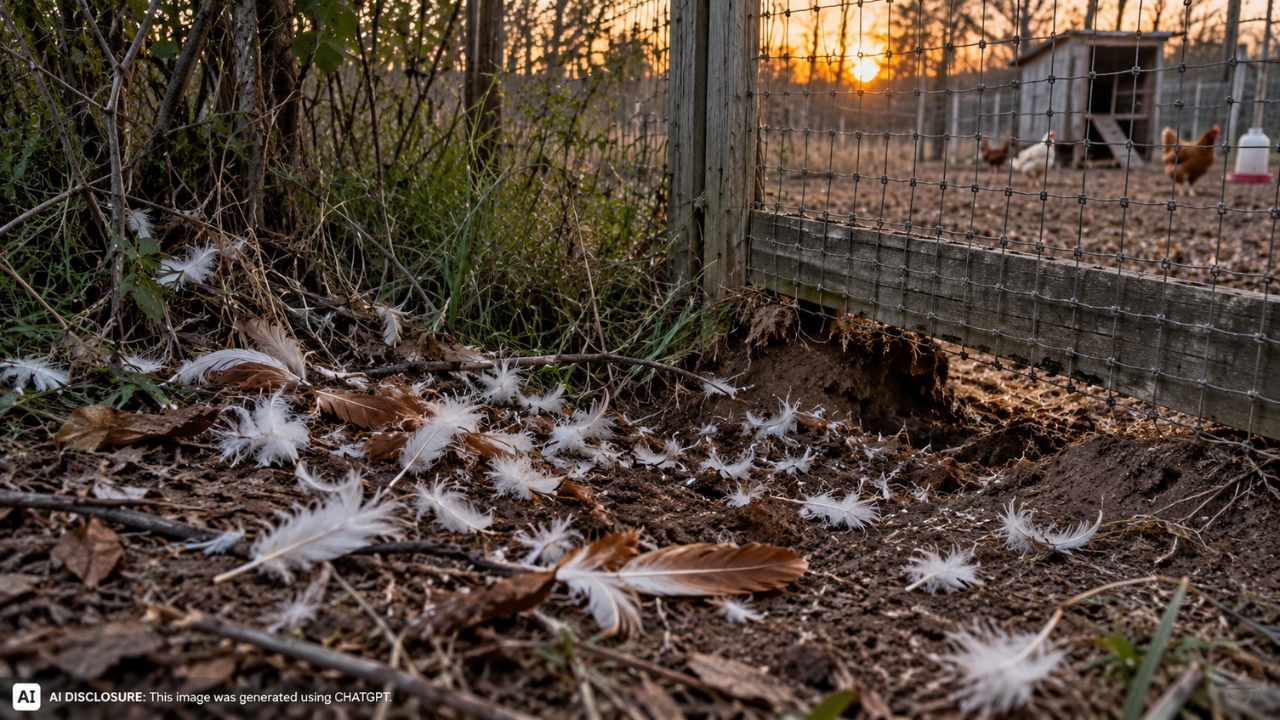
When coyotes hit a chicken yard, you often find a messy pile of feathers, sometimes with very little else. They’ll grab and go, then stop in cover to pluck and eat. Raccoons tend to leave a different scene, and hawks usually leave signs up high or in the open.
Patch the weakness that let it happen, not just the hole you can see. Check corners, the base of the fence, and the area under gates where soil erodes. If you’re using poultry netting, understand it’s for keeping birds in, not predators out, and it’s a money sink if you expect it to act like real fencing.
7. Chewed Fruit Under Trees
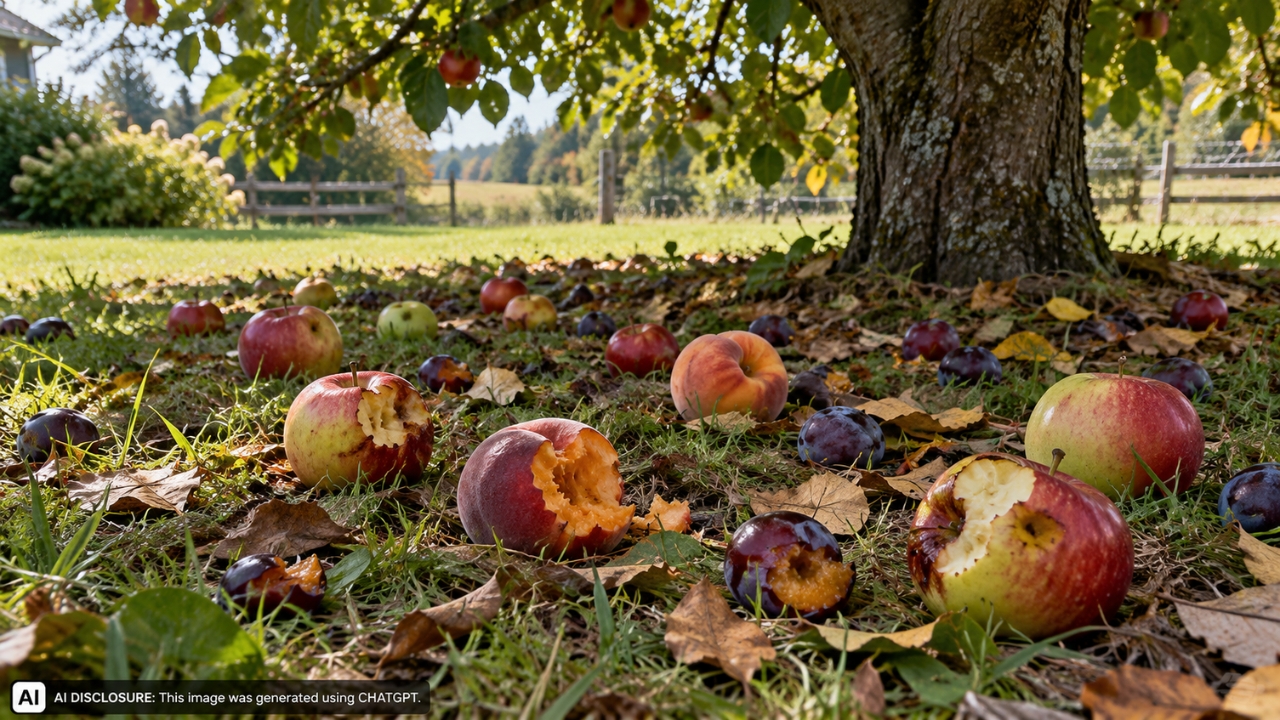
Rotting apples, windfall peaches, and dropped plums are a quiet dinner bell. Coyotes will chew and leave chunks, especially late summer into fall when fruit is easy and they’re teaching young ones what “food” looks like around homes.
Rake up drops every day or two during peak season and compost them in a closed bin, not an open pile at the field edge. If you can’t keep up, it’s fine to fence just the drip line with a simple barrier to keep coyotes from lounging under the tree. The cheap option works here because you’re reducing hangout time, not building Fort Knox.
8. Bird Feeders Pulling In Rodents

People blame coyotes, but the real magnet is often mice and rats. A feeder that spills seed all night builds a rodent buffet, and coyotes follow that trail like a grocery aisle. You’ll notice little holes in the ground, droppings near the feeder pole, and a worn ring of bare dirt.
Switch to a catch tray, stop feeding for a couple weeks, or move the feeder far from the house and coop. Store seed in a metal can with a tight lid, not a torn bag in the garage. If rodents are already established, snap traps in protected boxes work better than poison, and you won’t risk secondary poisoning of owls, pets, or barn cats.
9. Fence Gaps At Ground Level
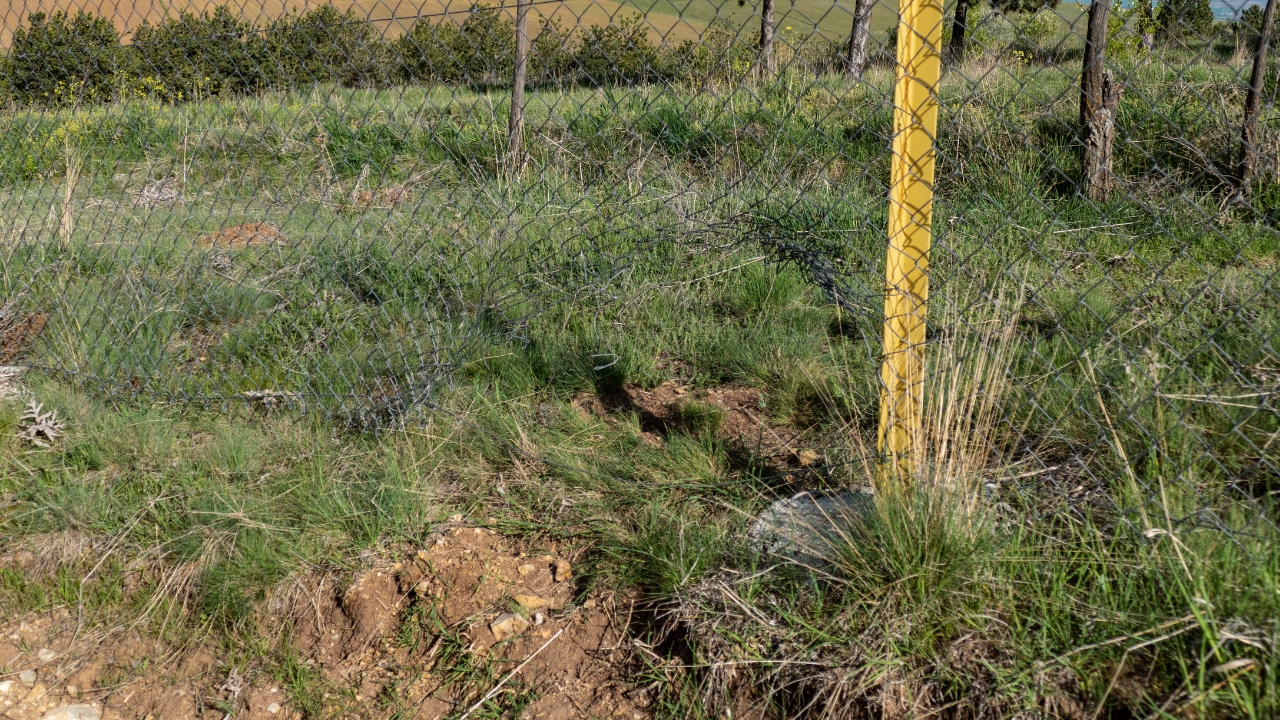
Most “good fences” fail at the bottom. Soil washes out under gates, dogs dig ruts, and mower hits bend the wire just enough to make a low slot. Coyotes don’t need a big opening, they need a consistent one.
Walk your fence with a flashlight at night and look for light leaking under it from the other side. Add a ground apron of welded wire pinned down with landscape staples, or set a treated board at the base where you can. If you’re rebuilding, tighter mesh low on the fence costs more up front but saves you chasing problems all season.
10. One Spot That Always Smells Musky

Ever catch a strong, musky dog-like smell in the same place, especially near a trail junction or by a gate? Coyotes mark with urine and scat to “hold” a travel route. If the odor keeps coming back after rain, that spot is part of their map.
Hose the area down, then change the traffic pattern. Clear brush so they feel exposed, add motion lighting, and stop leaving anything edible nearby. If you’ve got livestock, consider a livestock guardian animal only if you’re ready for the training, fencing, and ongoing feed bill, otherwise it turns into another problem on the property.
Once you see a pattern, act like a coyote would and look for the easiest win on your place. Remove the food first, then tighten shelter and access, then think about deterrents. The goal is to make your property boring so they keep moving.
Like Fix It Homestead’s content? Be sure to follow us.