Texas Property Owner Texts and Calls a Neighboring Landlord for Weeks Asking Permission to Replace a Broken Fence at Full Cost — Then Gets Confronted “Incredibly Angry” About the New Fence After Being Ignored
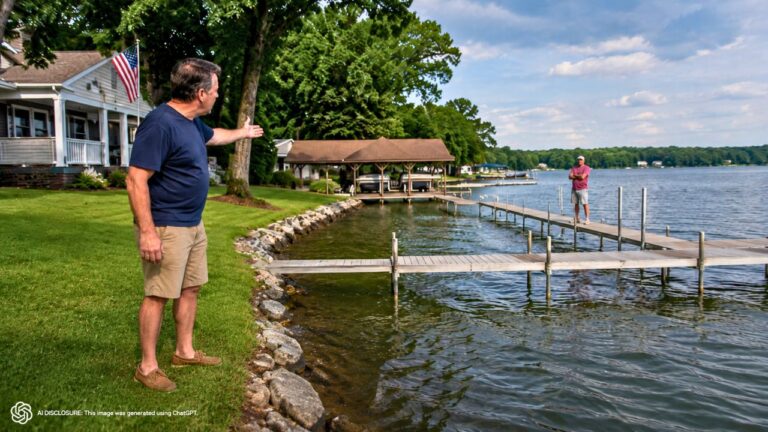
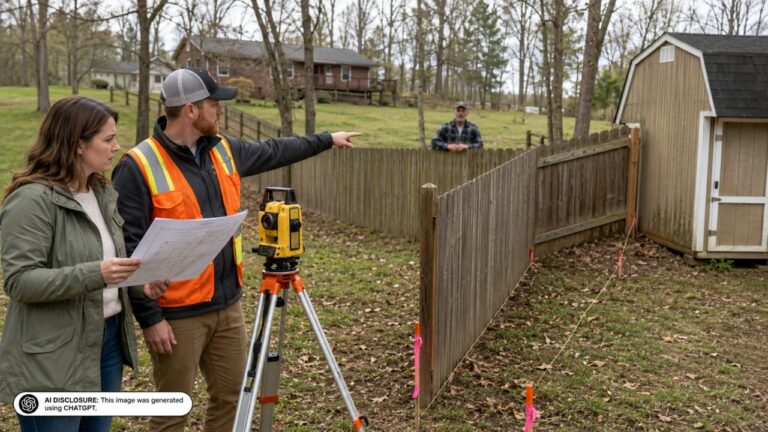
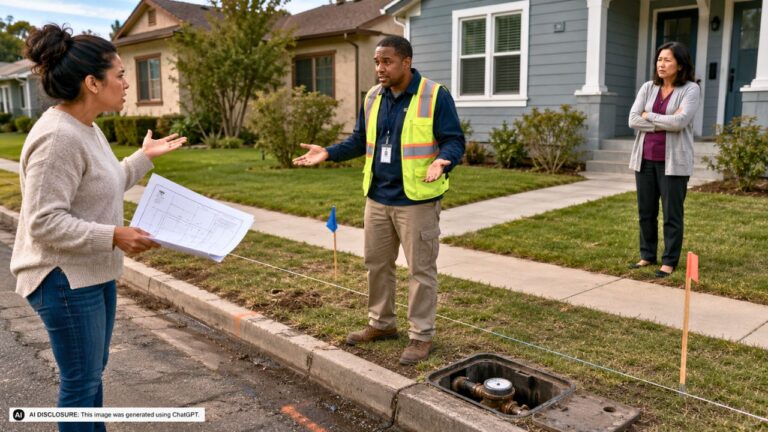
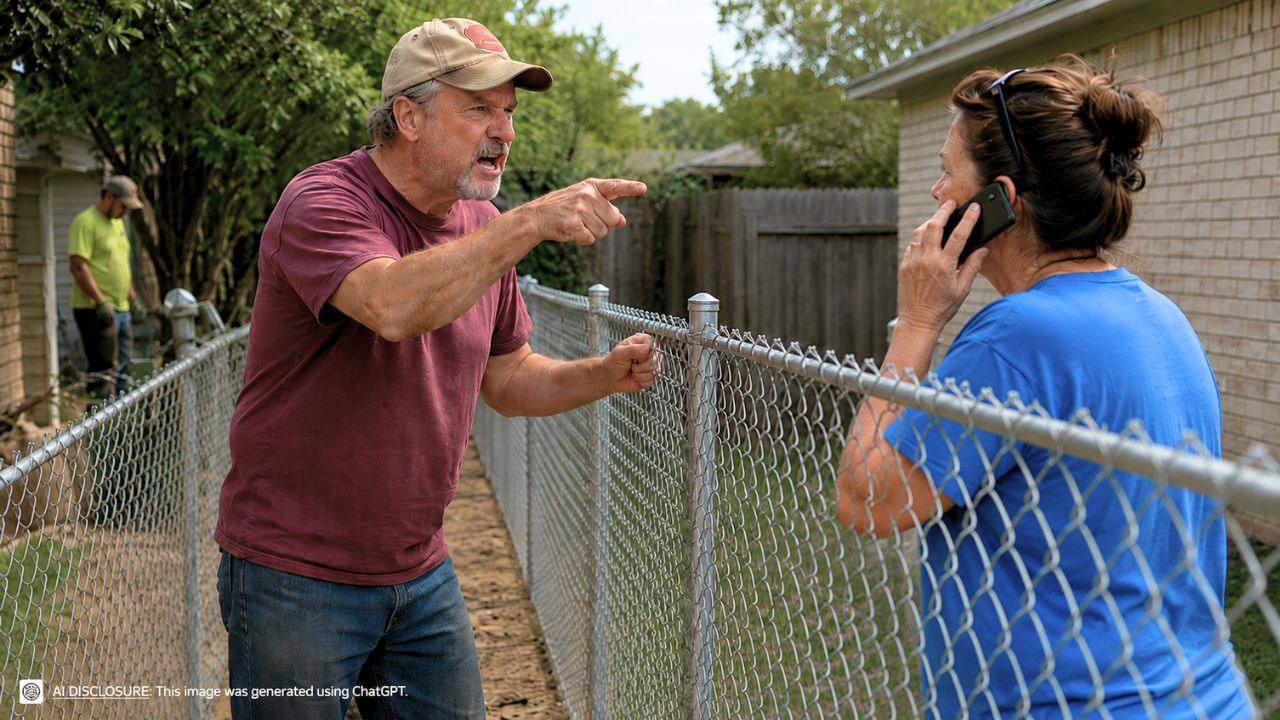
Photo credit: AI-generated image created using ChatGPT. Illustrative only.
It started like one of those routine rental-property fixes that nobody thinks will turn into a neighbor showdown. A Texas property owner was getting a house ready to sell, looked at the sagging chain-link fence between two rentals, and decided it was time to replace it before a buyer or inspector made it an issue.
But the fence wasn’t technically theirs. And in the original post, the owner explains that the chain-link sat on the neighboring landlord’s property—meaning they couldn’t just rip it out and swap in a new one, even if they planned to pay every penny.
A broken fence, a selling timeline, and a landlord who wouldn’t answer
The owner describes the neighboring rental as run-down, with a landlord who didn’t seem very engaged. Between the two properties was a chain-link fence that had seen better days, and the owner wanted it replaced with a new wood fence.
So they did what most people wish neighbors would do: they tried to communicate. They got the landlord’s number from the neighbors, then called, left voicemails, and sent multiple texts over the course of a week. The message was simple—permission to remove the existing fence, with the homeowner covering the full cost of replacement.
No response came back. Not a quick “yes,” not a “give me a week,” not even a “stop texting me.” Just silence.
The decision to build anyway—without touching the old fence
With no permission to remove the chain-link, the owner made a choice that felt like the safest workaround: build the new fence entirely on their own property, right next to the old one, and leave the chain-link where it was.
It’s a move a lot of property owners resort to when they’re boxed in by timelines and unresponsive neighbors. It avoids trespass. It avoids tearing out something that isn’t yours. It creates a clean boundary for the home you’re trying to sell.
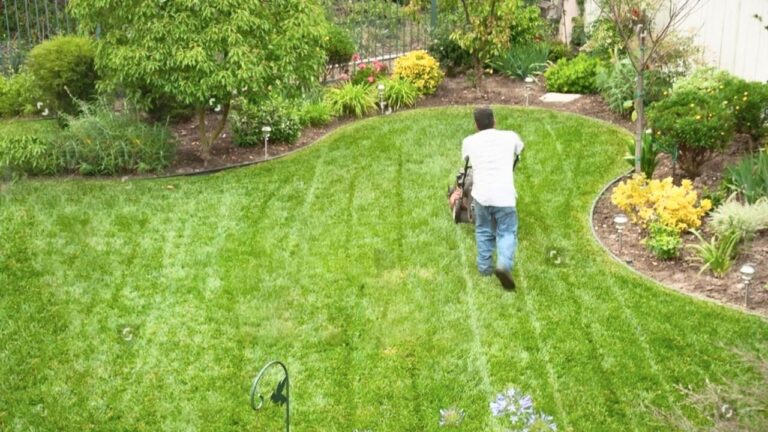
But it also creates a weird “dead zone.” In this case, the owner says there’s now a narrow strip—maybe one to two feet—between the chain-link and the new wood fence. Grass can grow there, but mowing it becomes awkward or close to impossible.
Weeks later, the blow-up finally arrived
The owner thought they’d solved the problem quietly. Then, a month or two later, they were working at the house when the neighboring landlord approached—and he wasn’t there to say thanks.
According to the post, the landlord was “incredibly angry” about the new fence, with the strip of grass between the fences becoming the flashpoint. That sliver of land might look small on paper, but anyone who’s dealt with property maintenance knows how fast it turns into a burr patch, a snake hideout, or a mosquito-friendly jungle.
Then came the threat: the landlord said he’d sue over the new fence going up “without consulting him.”
The owner pushed back with receipts—not financial receipts, but the kind of documentation homeowners learn to keep. They verified the number they’d been given was correct and showed the landlord their call and text history: multiple attempts to get permission, and a clear offer to pay for everything.
The landlord’s explanation was that he didn’t respond because he thought the messages were spam. The owner didn’t buy it, and chalked it up to him being a “lazy landlord,” especially considering the state of the neighboring rental.
That tiny strip of grass turned into the real problem
On the surface, it sounds petty: a narrow gap of grass. But that’s often how property disputes work. It’s rarely about the board or the wire. It’s about access, control, and who’s stuck doing the annoying maintenance.
The owner admits the new fence creates a bad mowing situation, and they also mention something else that matters: the neighbor’s chain-link fence wasn’t even built on the property line. The owner says they used to take care of that strip, which suggests the area had been treated informally—maintained by whoever felt like doing it—until the new fence made the boundaries feel real.
Now the question isn’t just “Who mows it?” It’s “Who can even get to it without stepping onto someone else’s property?” If that strip sits between two fences, you can’t easily push a mower through, and you can’t easily reach it with a trimmer without leaning over or opening access from one side.
And once a homeowner is trying to sell, even small external headaches start to feel expensive. Appraisers, buyers, and inspectors notice fences. So do surveyors. So do the neighbors when they suddenly realize something changed.
Commenters zeroed in on boundaries, proof, and surveys
While the post itself focused on whether a lawsuit would go anywhere, the practical angle people tend to jump to in these fence fights is: prove where the line is and prove what you did.
In disputes like this, documentation is oxygen. The owner already has call and text logs showing they tried to get consent before doing anything that would touch the neighbor’s fence. That matters because it helps establish good-faith effort instead of a surprise build meant to provoke.
Another common theme in fence disputes is getting a survey—especially when one fence is said to be off the property line. If the old chain-link is truly on the neighbor’s land and the new wood fence is truly on the owner’s land, that becomes a cleaner story than one where the new fence accidentally crosses over by inches.
And then there’s the part nobody likes to say out loud: the strip between fences needs a plan. Whether that means agreeing on access for maintenance, removing one fence later (with permission), or redesigning a gate or removable panel, the physical reality doesn’t care who’s right. Grass grows anyway.
A fence can be “done,” but the neighbor problem can linger
The owner’s big question is whether the neighbor’s threatened lawsuit has any real chance, given that the new fence was built on the owner’s own property and the neighbor ignored repeated outreach. But the bigger day-to-day risk isn’t just court—it’s escalation.
Unhappy neighbors start watching everything: where contractors park, how close workers get to the line, whether debris falls over, whether runoff changes, whether nails end up in a tire. And when one property is a rental, the people living there can end up caught in the middle, even if they didn’t start the argument.
For now, the fence is up, the old chain-link still stands, and that thin strip of grass is quietly growing into the next problem. The owner tried to do the “right” thing first—ask, document, offer to pay—and still ended up face-to-face with an angry landlord weeks later. In property life, sometimes fixing what’s broken is the easy part. It’s the people on the other side of the line that make it complicated.
Like Fix It Homestead’s content? Be sure to follow us.