Backyard Design Ideas That Look Better Online Than They Work in Real Life
Photo credit: Joseph Hendrickson/Shutterstock.com
A lot of backyard design trends look great in photos, but fall apart when it comes to everyday life. Especially if you’ve got kids, pets, or a normal budget, these picture-perfect spaces can end up feeling impractical fast.
Real families need spaces that hold up to messes, playtime, and changing seasons—not outdoor setups that look like they belong in a magazine spread. Here are the popular backyard trends that sound good on paper but usually don’t work in real life.
Oversized Fire Features
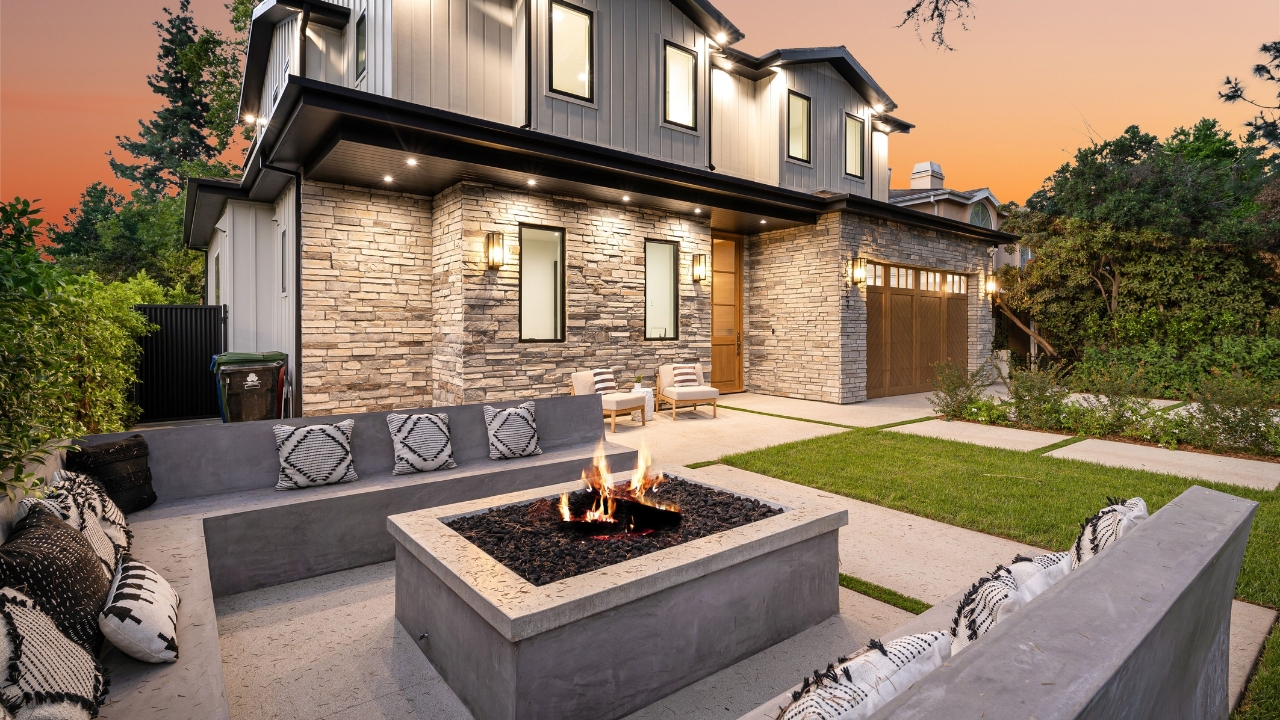
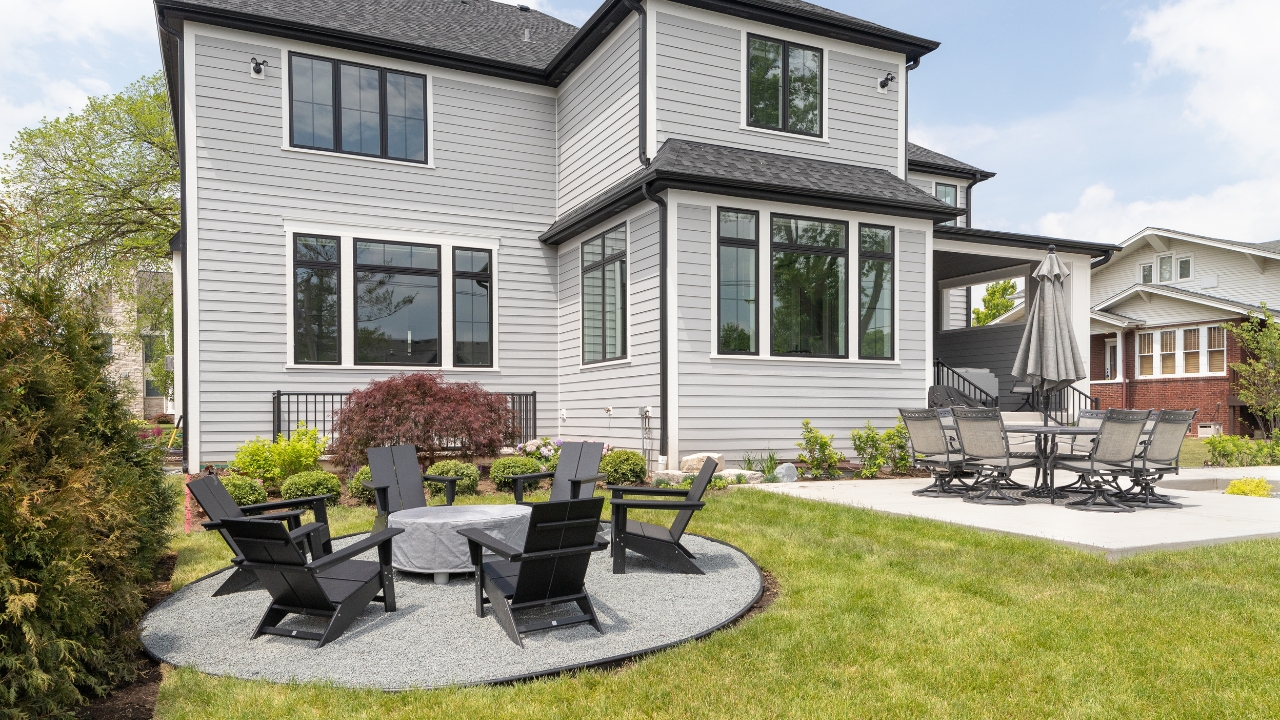
Big fire bowls and built-in fire pits are everywhere in backyard designs, but they’re often more for looks than function. They can be hard to light, require gas hookups, and aren’t exactly safe with kids or pets running around.
Most families use them once or twice, then realize they’re just taking up space. A smaller, portable fire pit can be safer, easier to move, and still give you the ambiance without the commitment.
All-White Outdoor Furniture

White cushions and pale upholstery might look clean and trendy, but they’re impossible to keep that way. One spill, a little rain, or a toddler with a popsicle, and suddenly you’re dealing with stains that won’t come out.
Even “outdoor-safe” fabrics have limits. Between dirt, pollen, and everyday wear, families usually find themselves constantly cleaning or giving up and replacing it. It’s not worth the headache.
Fake Grass Play Areas

Artificial turf is marketed as low-maintenance, but when kids are actually using it, problems start fast. It heats up in the sun, gets matted down with foot traffic, and can start to smell if you’ve got pets.
It also doesn’t drain well once the infill clogs up, leaving puddles behind. For real play spaces, natural grass or mulch may be messier—but it’s cooler, softer, and easier to fix if something goes wrong.
Minimalist Yard Designs

Perfectly sculpted hedges, sleek concrete paths, and sparse plantings might look polished, but they don’t leave much room for life. These designs often feel stiff and don’t give kids anywhere to run or explore.
Real family yards need flexible, functional areas. That means grass, trees for shade, and maybe some wild edges that can handle a little chaos. A backyard should feel like home, not a showroom.
Outdoor Kitchens with All the Bells and Whistles
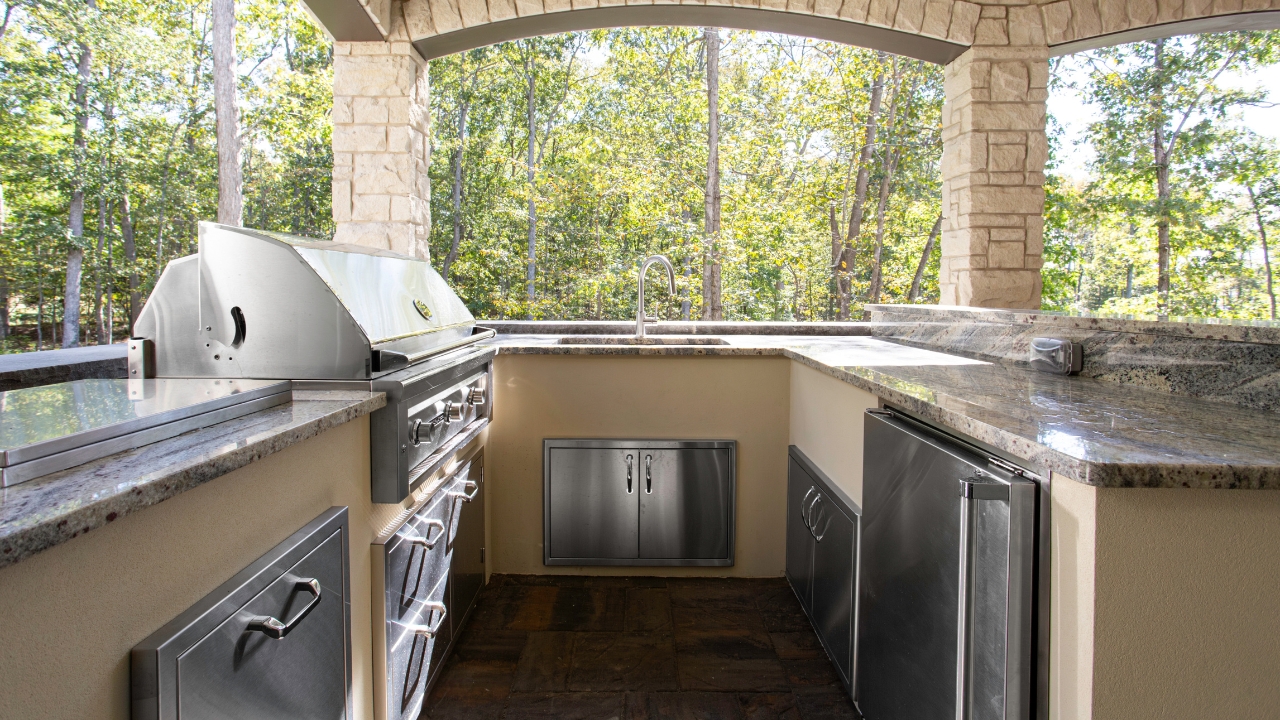
Grills, sinks, pizza ovens, built-in fridges—it all sounds great until you realize how little you’ll actually use half of it. These setups are expensive to install and even more to maintain.
Unless you host big gatherings regularly, a full outdoor kitchen is usually overkill. Most families end up sticking with a grill and a prep table, and the rest becomes wasted space or something else to clean.
Water Walls and Fancy Fountains

Water features are pushed as calming and luxurious, but they’re often loud, tricky to keep clean, and attract bugs. And once algae or buildup starts, you’re scrubbing filters and dealing with smells.
For families with kids, these features also pose safety concerns—especially when little hands like to explore. A basic birdbath or a small bubbler might do the trick without turning into a chore.
Pea Gravel as Ground Cover
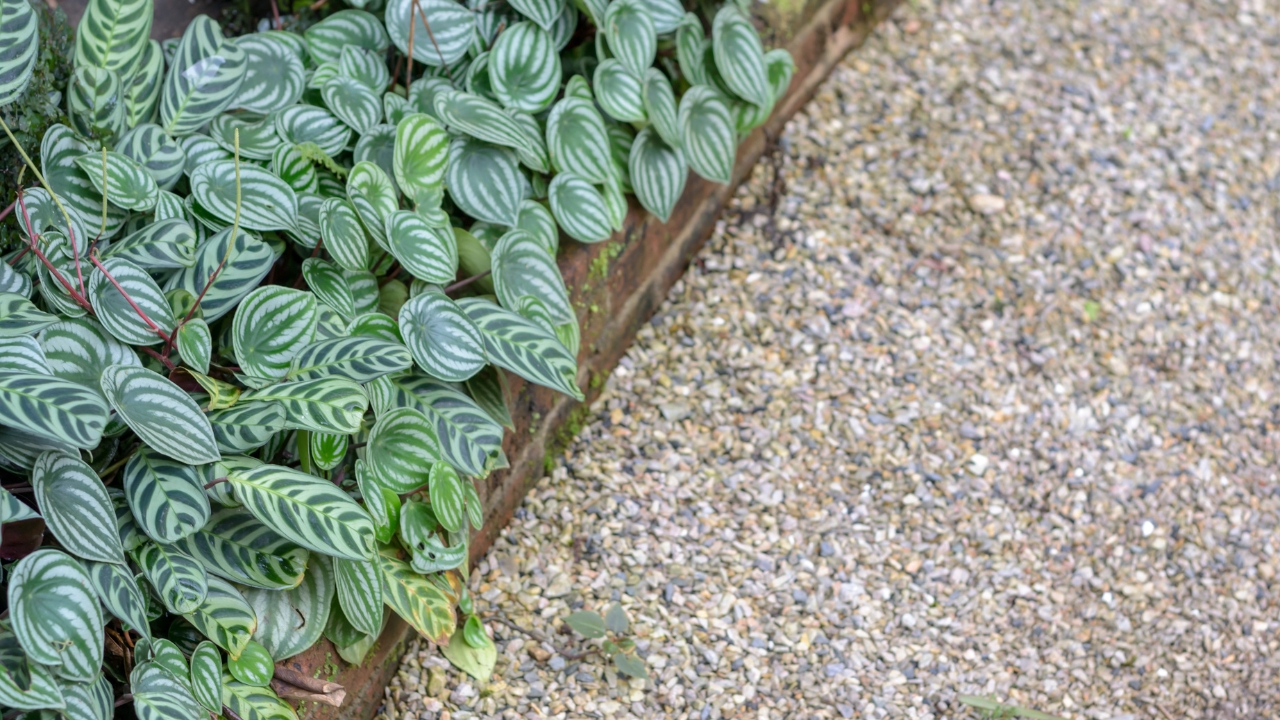
Designers love pea gravel for its neutral color and texture, but it’s a nightmare with kids. It scatters easily, gets stuck in shoes and toys, and isn’t exactly soft to fall on.
Over time, it migrates everywhere—into flower beds, onto walkways, even indoors. It looks tidy at first but quickly becomes high-maintenance, especially in high-traffic areas or play zones.
Too Many Built-In Features
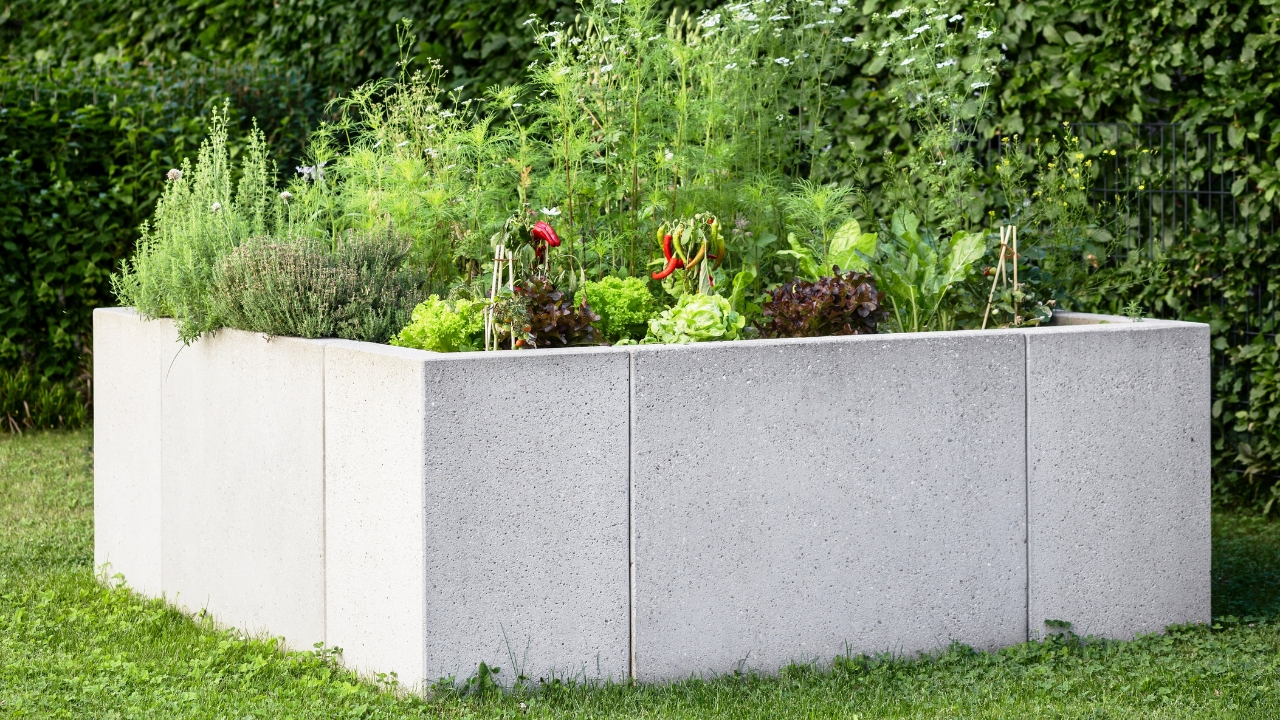
From sunken seating areas to built-in planters and benches, permanent fixtures can limit how you use your yard. They look custom, but they lock you into a layout that might not work as your family grows.
Movable furniture and flexible spaces are usually a better bet. That way, you can shift things around for birthday parties, soccer practice, or whatever else life throws your way.
Concrete Patios Without Shade

A wide concrete patio looks great at first—but without shade, it turns into a heat trap. In the summer, it can get hot enough to burn bare feet and make the whole yard feel uncomfortable.
Umbrellas and pergolas help, but if they’re not part of the plan from the start, families often end up scrambling to add shade later. It’s better to think about sun exposure before you pour.
Too Much Lawn, Not Enough Purpose

Huge grassy areas can be nice—but only if you actually use them. If the space isn’t being played on or used regularly, you’re spending time and money mowing, watering, and fertilizing for no real reason.
Breaking it up with garden beds, a swing set, or a seating area can make the yard feel more usable. It’s not about filling every inch, but about making the space work for your family.
Like Fix It Homestead’s content? Be sure to follow us.