11 Reasons a Room Never Feels Quite Done
Photo credit: Followtheflow/Shutterstock.com
You move the chair, fluff the pillow, swap the lamp, and still something nags at you. The room works, but it doesn’t settle. Most of the time it’s not taste, it’s a few practical misses that keep the space from feeling finished.
1. No Real Plan For Storage
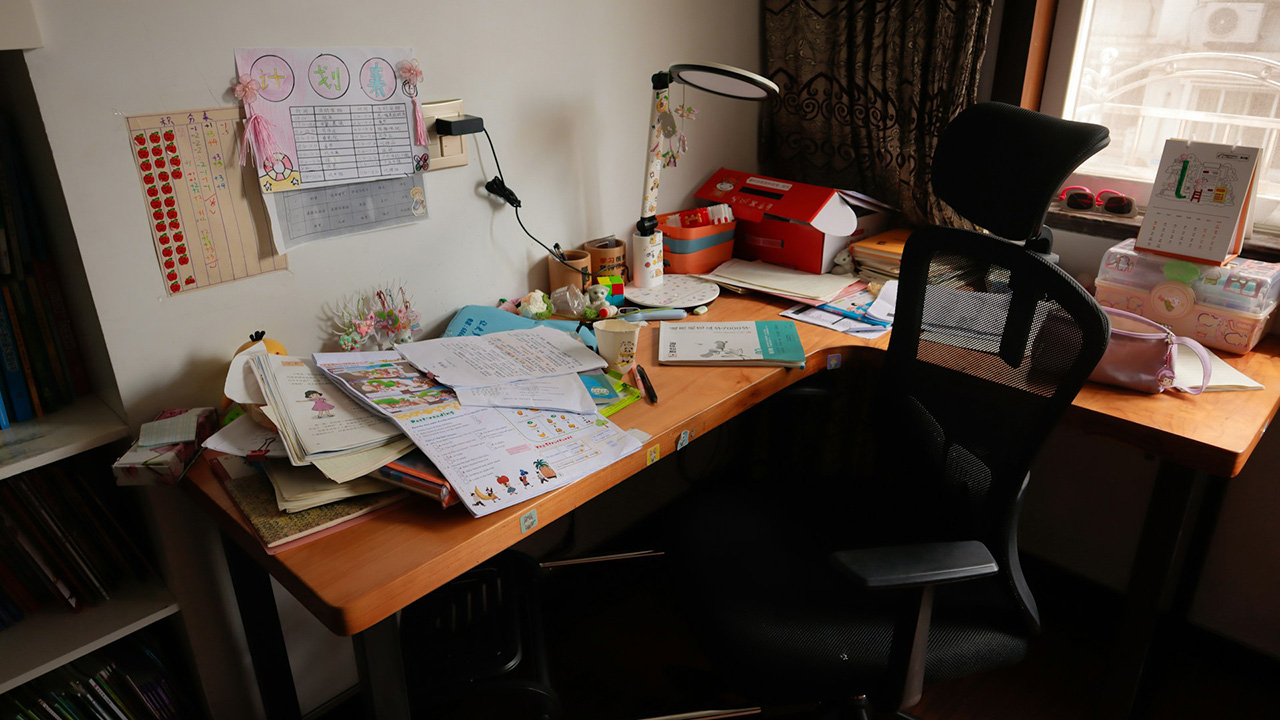
Clutter hides in plain sight. When you don’t have a spot for mail, shoes, pet gear, or charging cords, the room stays in “between” mode because the surfaces never stay clear for long.
Start by naming what lands in that room every day, then give it a home within arm’s reach of where it gets dropped. A lidded basket, a wall hook rail, or a narrow cabinet beats another cute tray that just collects stacks. If you rent, stick-on hooks and a freestanding shelf can do a lot without holes.
2. The Lighting Is All One Level

One overhead light makes everything look a little flat, and it puts glare where you don’t want it. At night you end up with either “operating room” bright or “cave” dim, and neither feels cozy.
Mix light sources. Put a floor lamp near seating, a table lamp by the spot you read, and keep the overhead on a dimmer if possible. If you can’t add a dimmer, use lower watt equivalent LED bulbs and lamps with warm color temperature so the room doesn’t feel like a garage.
3. Furniture Floats With No Anchor
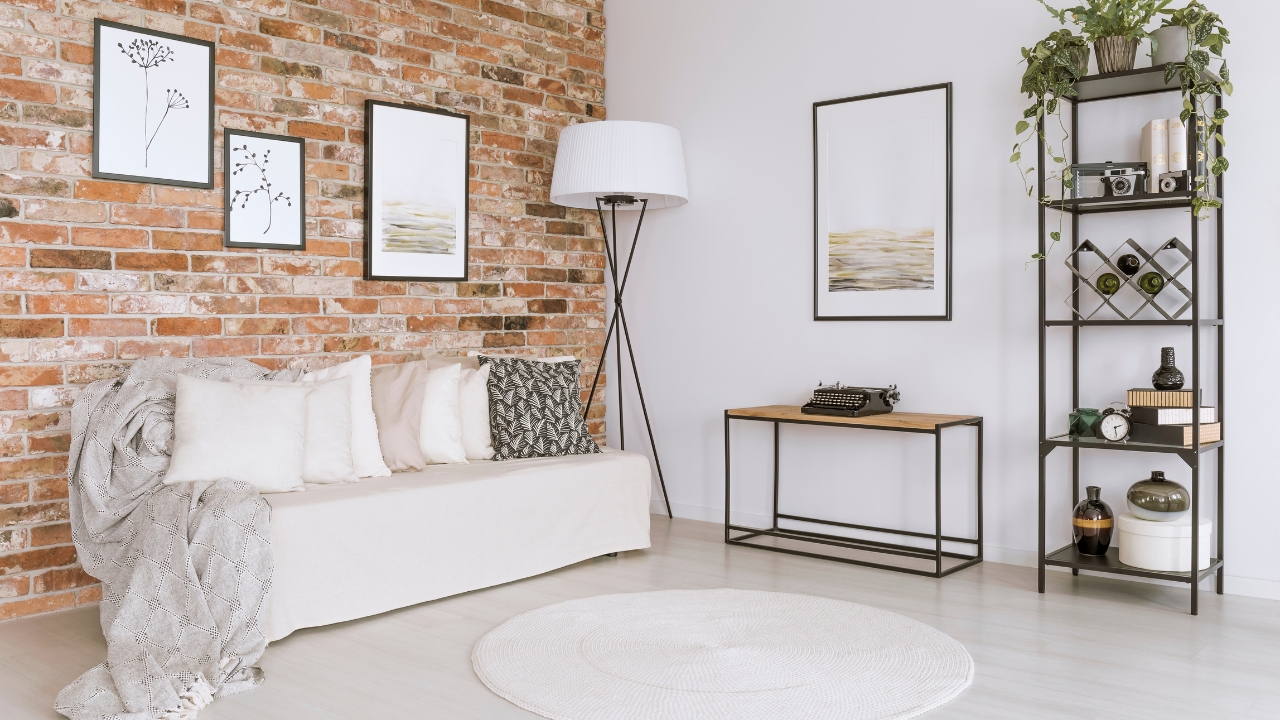
Pushing everything to the walls seems tidy, but it often makes the middle feel empty and the edges feel crowded. The room reads like you haven’t decided where life happens.
Pull at least one piece in. Even six inches can change the whole layout. If seating needs to “float,” anchor it with a rug, a console table behind the sofa, or a pair of chairs that clearly marks a zone.
4. Rug Size Doesn’t Match The Room

A too-small rug makes furniture look like it’s balancing on tiptoes. It also makes noise worse because sound bounces off bare floor around it.
Pick a rug that lets at least the front legs of the main seating sit on it, or go big enough to fit all legs. In dining areas, the rug should extend past the chairs so they don’t catch when you scoot back. If budget is tight, a simple, larger flatweave often looks better than a small, thick rug with a loud pattern.
5. Trim Gaps And Caulk Lines Are Ignored

Those little shadows at baseboards and window trim are what your eye keeps snagging on. Gaps collect dust, paint edges look jagged, and the room never reads “done,” even if the decor is perfect.
Run a bead of paintable acrylic latex caulk where trim meets wall, then smooth it with a damp finger or caulk tool. Fill nail holes with spackle, sand lightly, and touch up paint. This is cheap, takes an afternoon, and it’s one of the few fixes that makes a room look more expensive without buying anything new.
6. The Walls Have Nothing With Weight
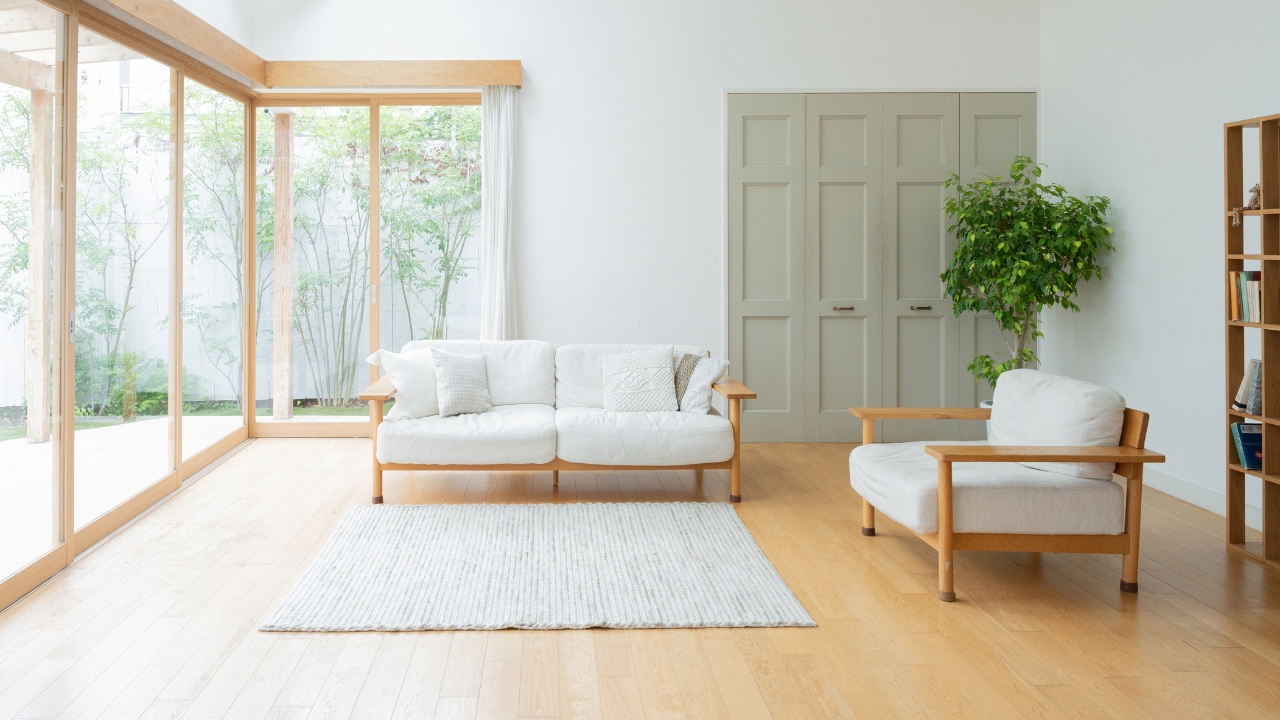
Lots of small frames scattered around can feel like visual clutter. A blank wall can feel unfinished too, like you just moved in and ran out of time.
Give the room one or two larger “anchors,” like a big piece of art, a mirror, or a pair of matching frames hung with the same top line. Hang things at eye level, not up near the ceiling. If you’re drilling, hit studs when needed and use the right anchors for drywall so nothing pulls out later.
7. Cords And Chargers Live In The Open

A power strip sprawled across the floor makes even a clean room look temporary. It also turns into a dust trap and a trip hazard, especially near beds and couches.
Mount a power strip to the back of a table, run cords along the leg with clips, and keep extra cable length tied up with Velcro straps. If you need an outlet added or moved, that’s a job for a licensed electrician, and sometimes a permit, depending on local code. For quick fixes, a longer cord rated for the load beats daisy-chaining cheap extensions.
8. Paint Sheen Is Fighting The Use
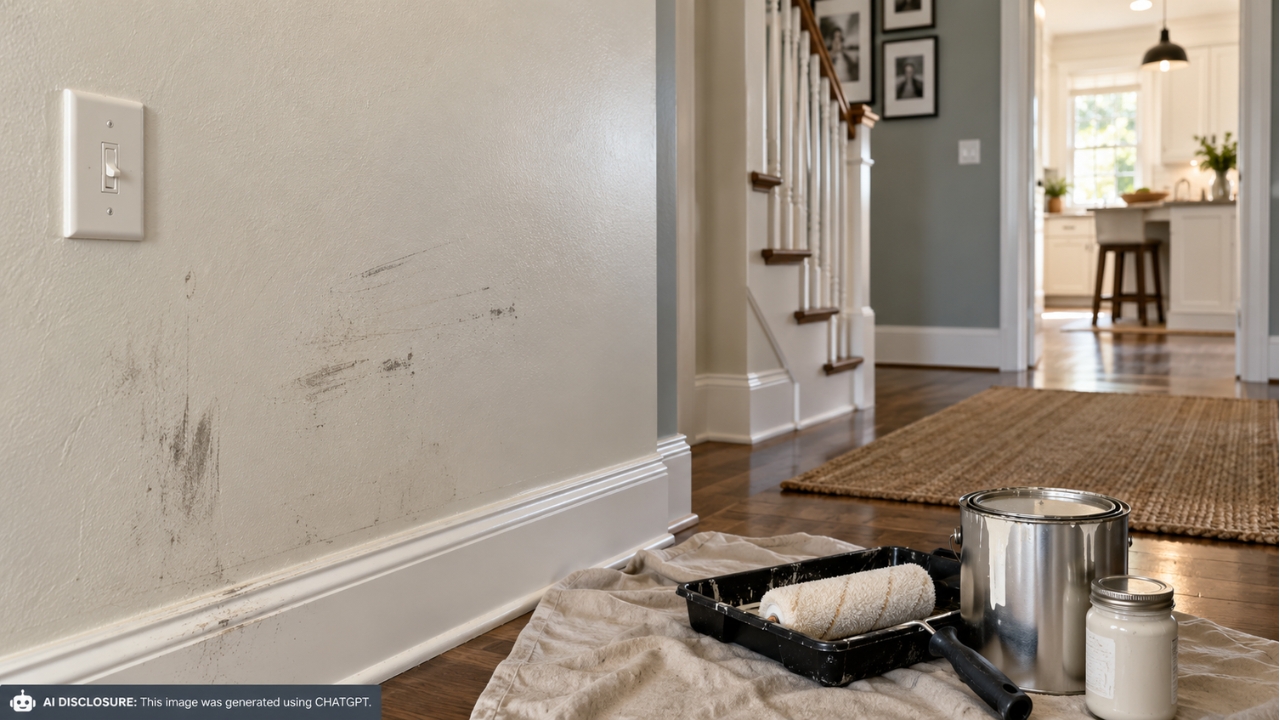
Flat paint looks great until it doesn’t. In hallways, kids’ rooms, and kitchens, it scuffs if you look at it wrong, then you start avoiding cleaning the marks because you know it’ll burnish.
Use eggshell or satin where hands touch walls, and reserve flat for low-traffic rooms and ceilings. There’s an honest exception here: flat can be the right choice on old, wavy plaster or patched drywall because it hides flaws better than shine. Just plan for touch-ups, and keep a labeled jar of leftover paint sealed tight.
9. Window Treatments Stop Too Short

Short curtains that hover above the sill can make windows look smaller. Thin blinds with no side coverage let in streetlight and make the room feel exposed at night.
Hang curtain rods higher and wider than the window so the fabric stacks off the glass when open. Use panels long enough to hit the floor or just kiss it. In bedrooms, a simple blackout liner can make sleep better and keep furniture from fading, especially on the south and west sides.
10. The Room Sounds Hard And Echoey

Some rooms never feel settled because they sound bad. You hear every footstep, every clink, and every TV line bouncing off drywall, glass, and bare floors.
Soften the sound with textiles, not foam panels. Add a rug pad, curtains, and a couple of fabric pieces like an upholstered chair or a thick throw. Bookshelves help too, even if they’re half-full, because irregular surfaces break up the echo.
11. Small Repairs Keep Getting Postponed
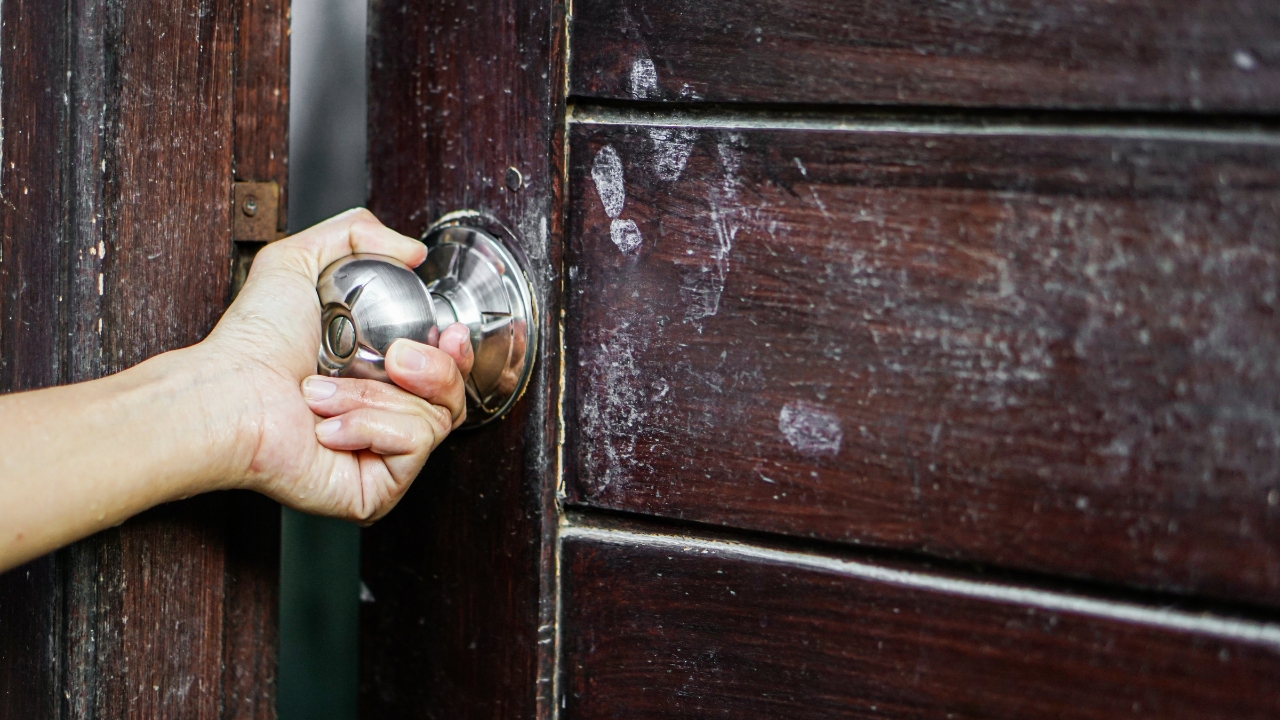
A door that won’t latch, a wobbly outlet cover, a sticking drawer, a vent that whistles. None of it is a big project, but it keeps the room feeling like a rental you’re tolerating instead of a place you live.
Knock out one “annoying” fix at a time with a screwdriver, shims, wood glue, or new felt pads under furniture. If you see cracked outlet boxes, warm cover plates, or flickering lights, stop and call a pro. Some unfinished feelings are your house asking for attention.
Pick the one thing your eye goes to first when you walk in, and fix that before buying anything else. The funny part is how often the room settles down once the boring parts get handled. After that, decor choices get easier because you’re not decorating around a problem.
Like Fix It Homestead’s content? Be sure to follow us.
- Man Says He Found Out the Fence He Paid For Wasn’t Actually on His Property
- Woman Says Her Neighbor Started Taking Mulch From Her Delivery Pile Before She Could Even Spread It
- I made Joanna Gaines’s Friendsgiving casserole and here is what I would keep
- What Caliber Works Best for Groundhogs, Armadillos, and Other Digging Pests?