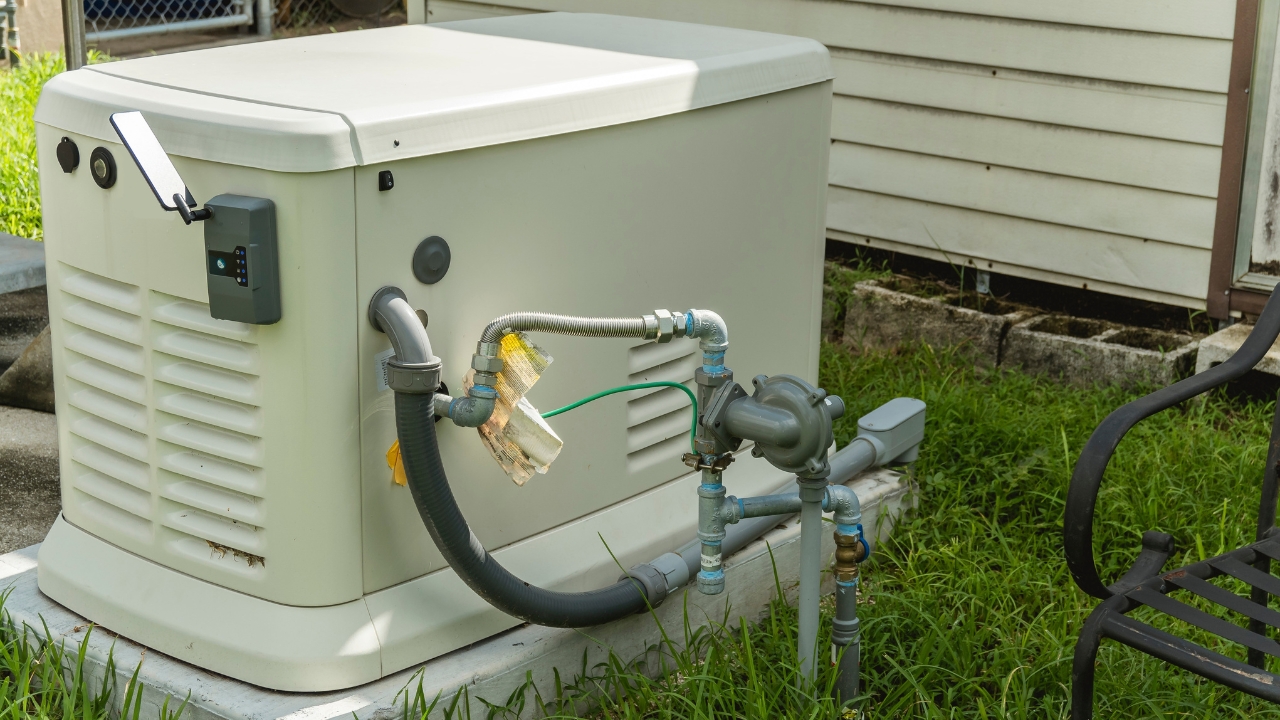
Best Home Generators for People Who Lose Power Often
Photo credit: MDV Edwards/Shutterstock.com
The lights flicker, the fridge goes quiet, and the house turns into a cold, dim project you didn’t ask for. If your power drops a few times a year, guessing at a generator in the dark gets old fast. The right unit depends on what you actually need to run, how often the outages hit, and how much work you’re willing to do when the wind is howling.
1. Small Inverter Generators For Basics
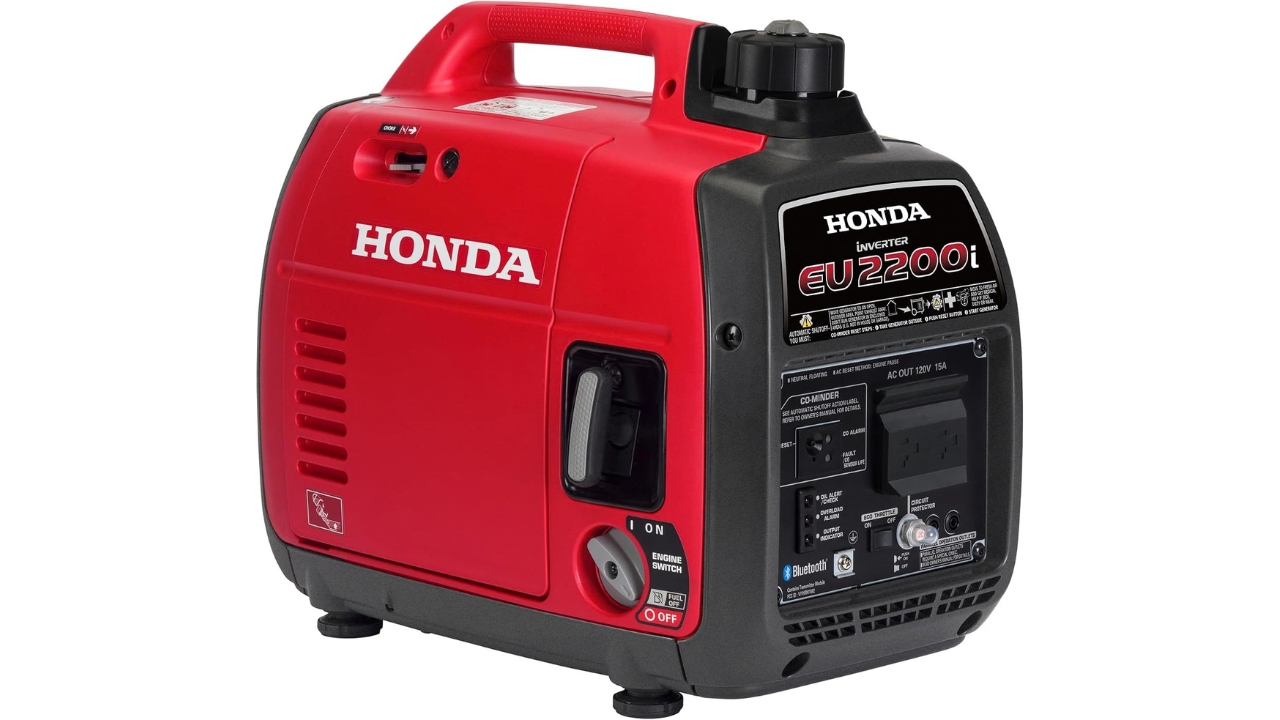
For a lot of homes, the “often” outages are short ones, a few hours, maybe overnight. A small inverter generator is built for that kind of use, quiet enough for close neighbors and steady enough for sensitive electronics. Think phone chargers, Wi-Fi, a few lights, a fan, and even a fridge if you’re smart about what else is plugged in.
Look at Honda and Yamaha if you want the long-haul, low-drama option, and expect to pay for it. For cheaper but still decent, brands like Champion and WEN have inverter models that many folks use successfully, just don’t expect the same lifespan. Plan on using heavy outdoor-rated cords and keep the unit outside, far from doors and windows, because carbon monoxide doesn’t care how careful you “feel.”
2. Mid-Size Portables For Fridge And Sump
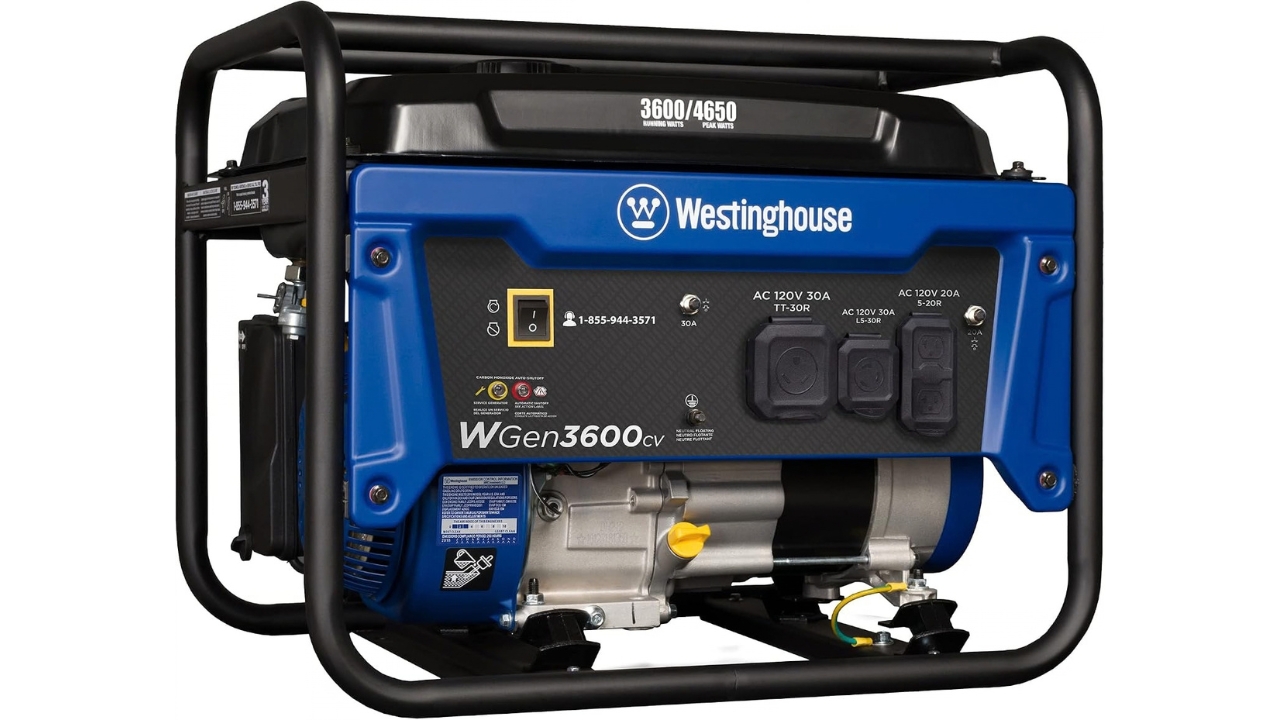
The moment the basement gets damp, you stop caring about phone charging and start caring about the sump pump. A mid-size portable generator is the common answer for people who lose power often and need a fridge, freezer, sump, and a few outlets. This is the range where you can run a couple big loads, but only if you manage them.
Most headaches come from guessing. Kill that habit by checking the running watts and startup surge for your fridge, freezer, and pump, then give yourself a cushion. A basic plug-in watt meter is cheap, and it tells you what your “normal day” draw really is before the storm hits.
3. Dual-Fuel Units For Fuel Flexibility
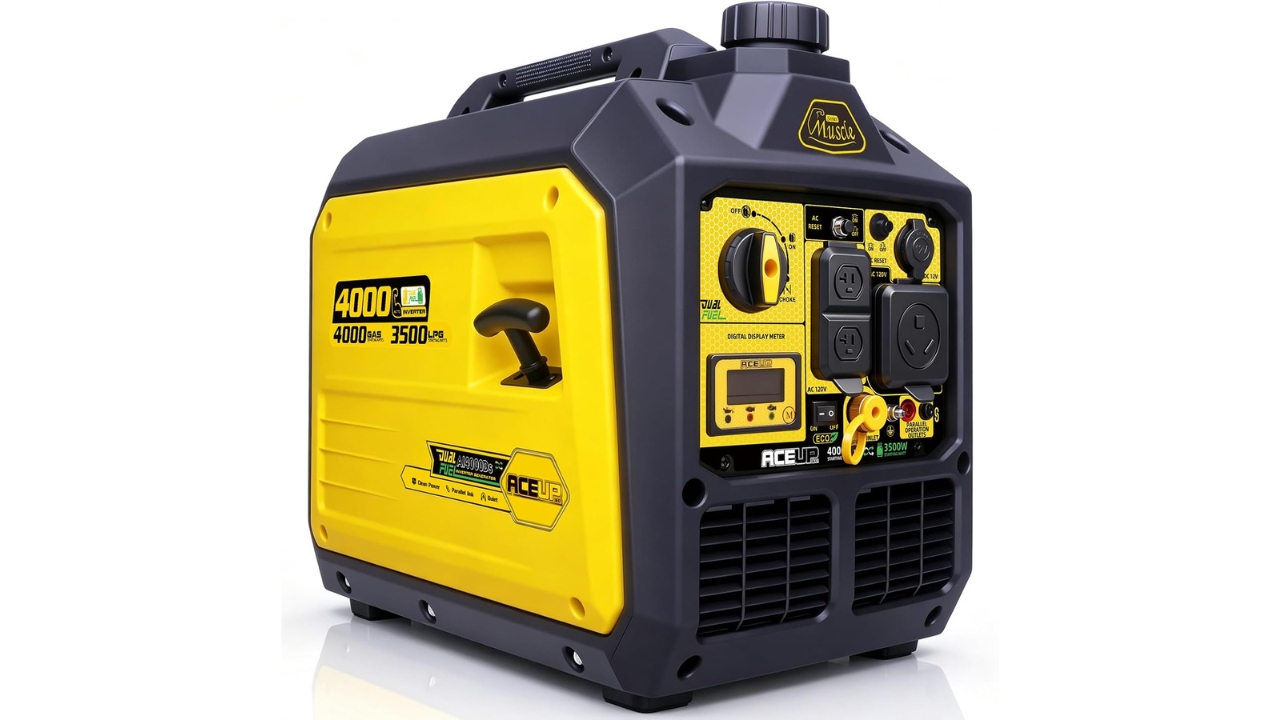
Gasoline is easy until it isn’t. After a long outage, stations run dry, pumps don’t work, and the cans you filled last summer smell like varnish. A dual-fuel generator lets you run gasoline or propane, and that flexibility matters when outages are frequent.
Propane stores clean, doesn’t gum up a carburetor, and you can keep spare tanks without feeling like you’re hoarding trouble. The tradeoff is lower power output on propane and more fuel logistics, especially in winter. For many homes, that’s fine because the real win is starting reliably after sitting for months.
4. Tri-Fuel Options For Natural Gas Homes
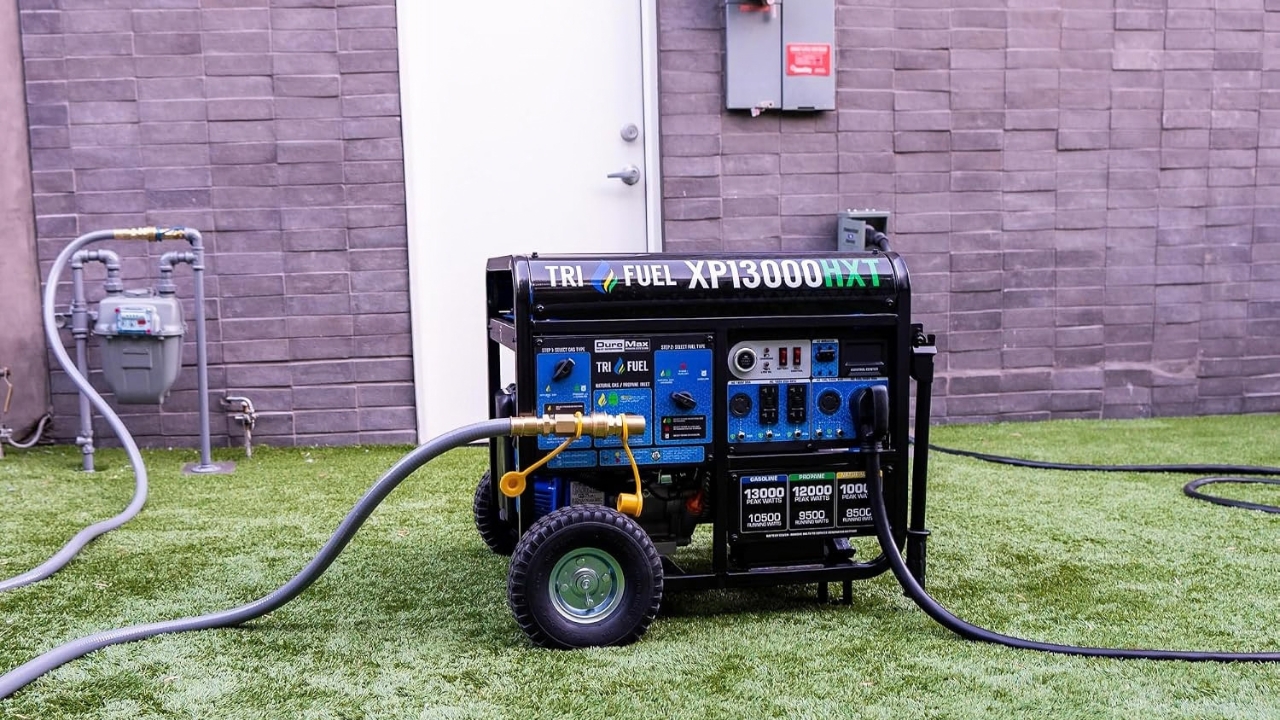
If your house already has natural gas, tri-fuel models are worth a hard look. Natural gas means no gas cans, no stabilizer, and no midnight fuel run. When the utility stays up, you can run for days with less fuss than any portable setup.
This is also where people get sloppy and dangerous, using questionable hoses or trying to tap a line they shouldn’t. Any new gas connection should be done to code, and in many places that means a licensed plumber or gas fitter and a permit. A proper quick-connect and the right regulator setup keeps the generator from running lean and stumbling under load.
5. Whole-House Standby For Hands-Off Outages
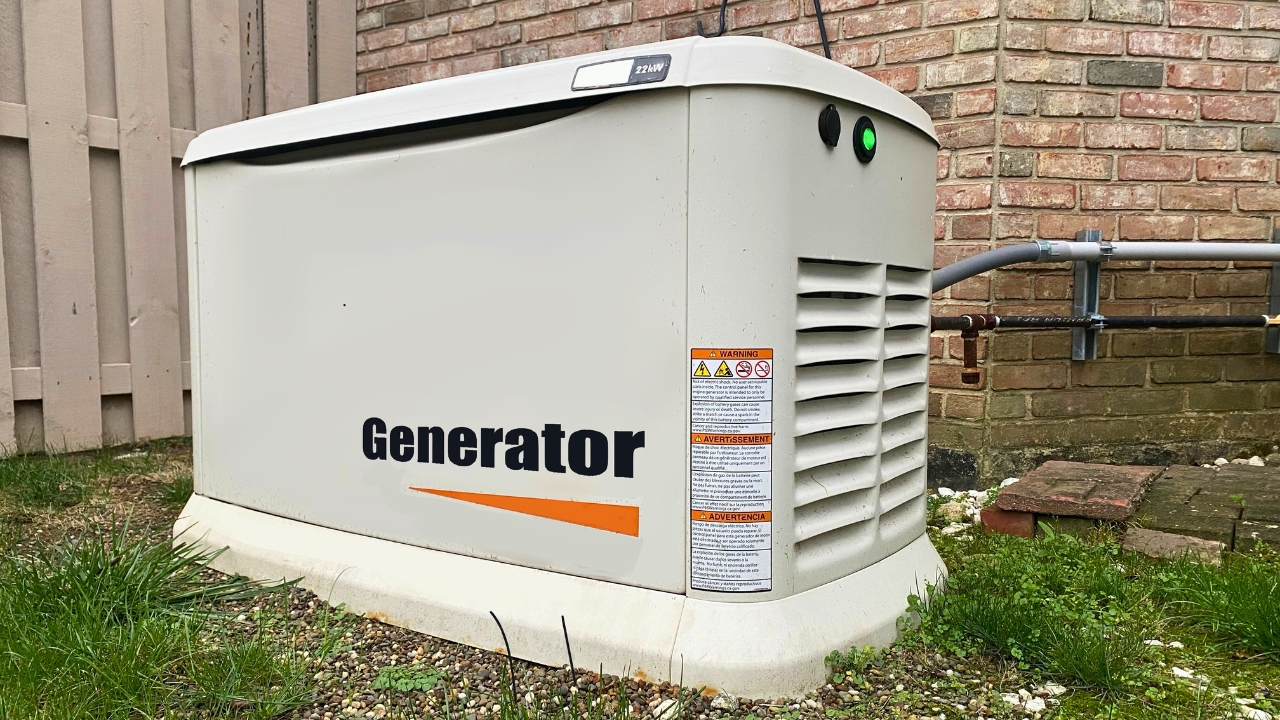
If outages are frequent and you’re done babysitting cords, a standby generator earns its keep. It starts on its own, runs through a transfer switch, and keeps the house normal enough that you can sleep. Brands like Generac and Kohler are common in this space because parts and service are easier to find.
This isn’t a weekend DIY install. The transfer switch work touches your main panel, the gas line may need upsizing, and local code is not optional. The upside is resale appeal in outage-prone areas, plus less wear on you, because “set it and forget it” is the whole point.
6. Transfer Switch Setups For Portables
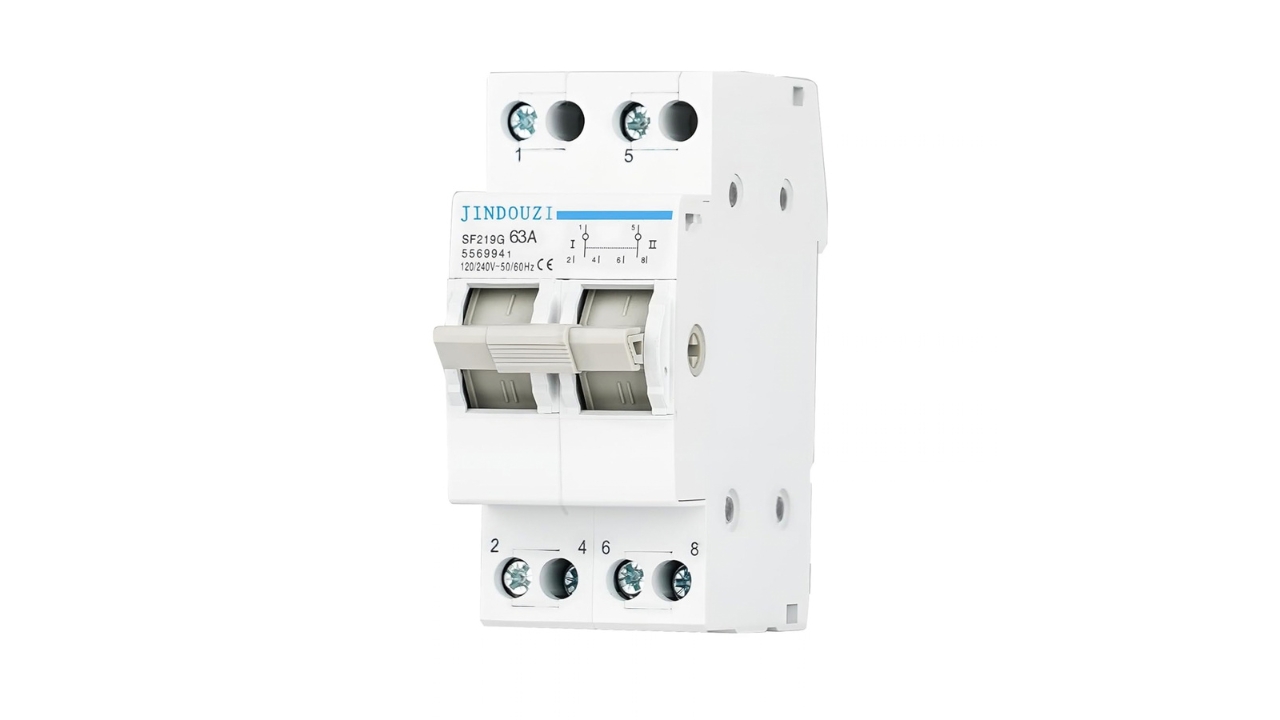
Running cords through a cracked window works once. After the third outage, it turns into a tripping hazard and a backfeed risk if someone gets clever with the wrong adapter. A manual transfer switch or an interlock kit makes a portable generator act like a real backup system without the standby price.
This job belongs to a licensed electrician in most homes, and it’s money well spent. You get labeled circuits, a proper inlet outside, and you stop playing extension-cord roulette. When the power drops, you roll the generator out, plug one cord in, and pick the circuits that matter.
7. Battery Power Stations For Quiet Nights
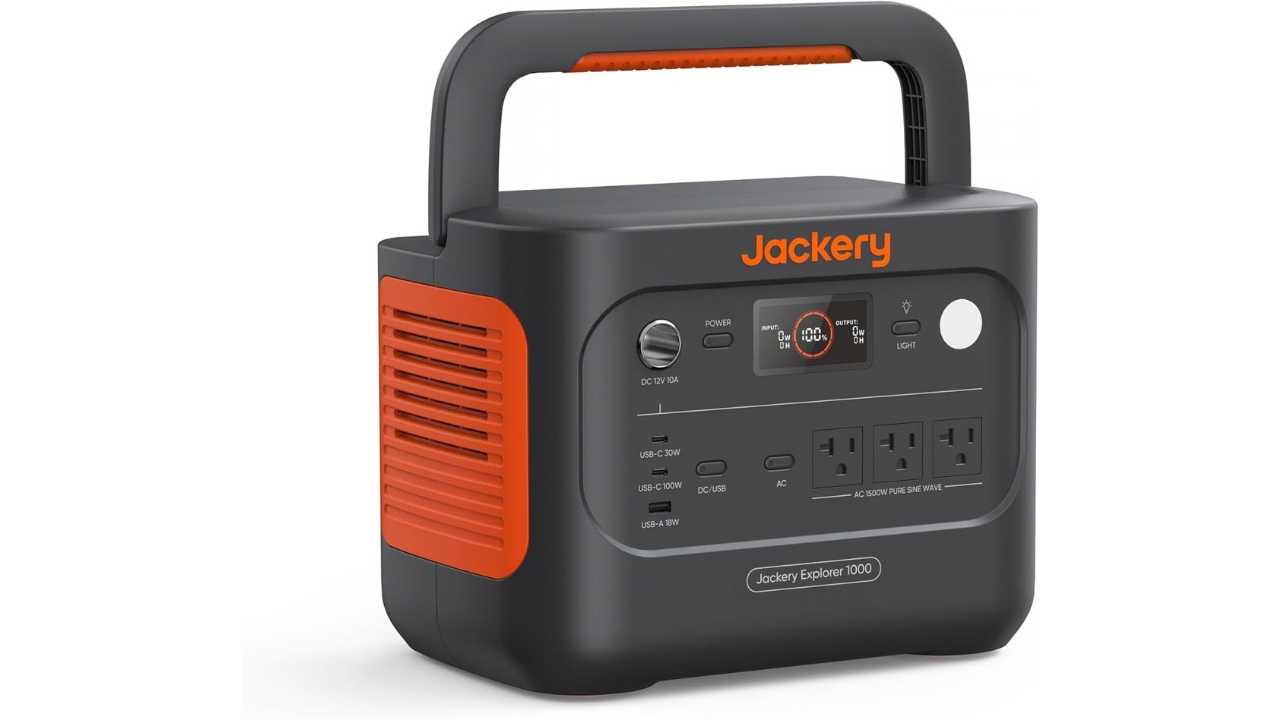
Sometimes you don’t need an engine at all. A big battery power station can run lights, router, phones, and a CPAP, and it does it silently. That’s a real quality-of-life upgrade when outages happen at night and you just want the house calm.
The limits show up fast with heat, a well pump, or a sump. Still, pairing a battery station with a small inverter generator is a slick setup, you run the generator in the daytime to recharge and keep evenings quiet. EcoFlow, Jackery, and Bluetti are familiar names here, and the better units publish realistic output and surge numbers.
8. Solar-Plus-Battery For Frequent Short Outages
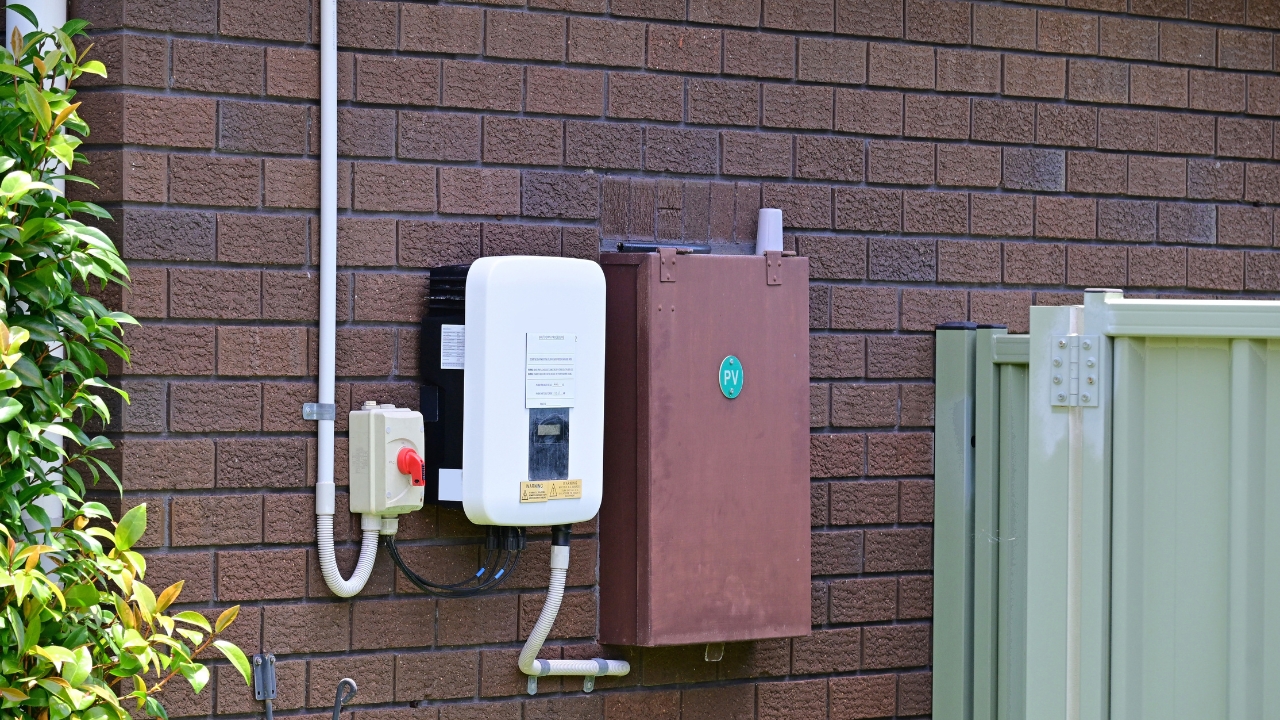
In places where the grid blinks off and on, solar with a home battery can beat a generator for convenience. No fuel, no noise, and the system is already there every day. The catch is cost and the fact that your solar won’t power the house during an outage unless it’s designed for backup with the right inverter and transfer equipment.
This is also one of those “read the fine print” buys. Some systems back up only a small critical-load panel, not the whole house, and that can be a smart choice. If you already wanted solar, adding backup capability can make sense, but it’s not the cheap path for most folks.
9. Open-Frame Generators For Budget Heavy Loads
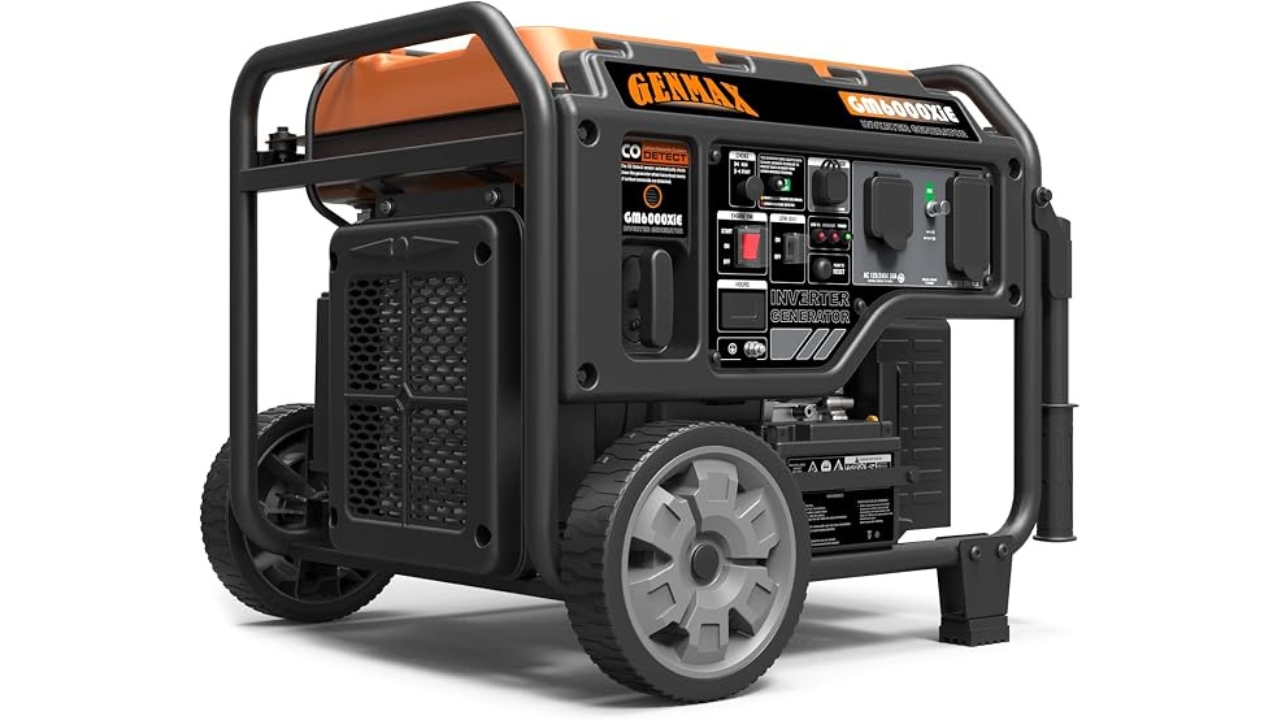
Open-frame portables get a bad rap because they’re loud and the power isn’t always as clean. Still, if your goal is keeping a freezer full of meat cold and running a well pump a few times a day, the cheaper, louder box can do the job. This is the honest exception where the budget option is sometimes fine.
Use common sense. Don’t plug delicate electronics straight into a basic open-frame unit, and don’t park it under a bedroom window. Put the money you saved into a transfer setup, good cords, and fuel storage that doesn’t turn into a mess.
10. Cold-Weather Starts And Winter Kits
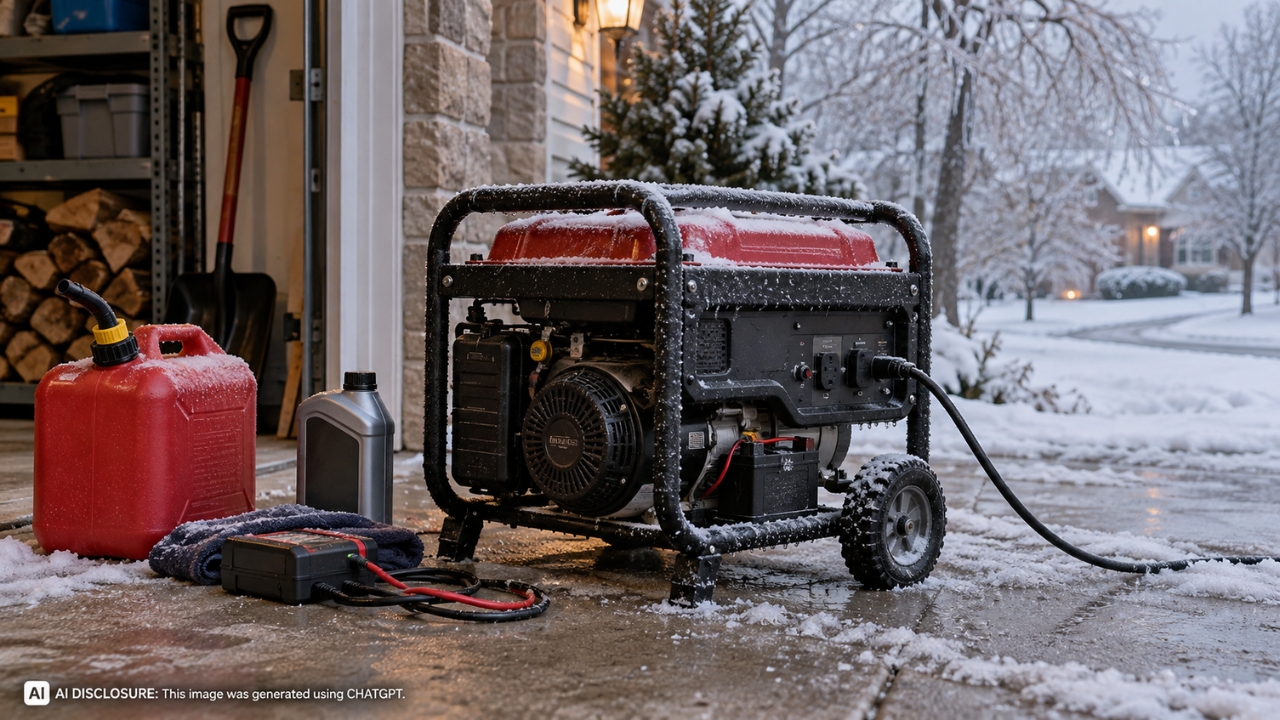
The first ice storm is when you learn what “won’t start” really means. Small engines hate cold oil, stale gas, and weak batteries on electric-start models. If outages hit in winter, pick a generator with decent cold-start behavior and plan for it before the first freeze.
Store fuel properly, run the unit under load every month or so, and keep fresh oil on the shelf. For electric start, keep the battery maintained and replaced when it gets tired, because a dead battery makes an expensive feature useless. Some standby units offer cold-weather kits, and in harsh climates they’re not a gimmick.
11. CO Safety Gear That Works
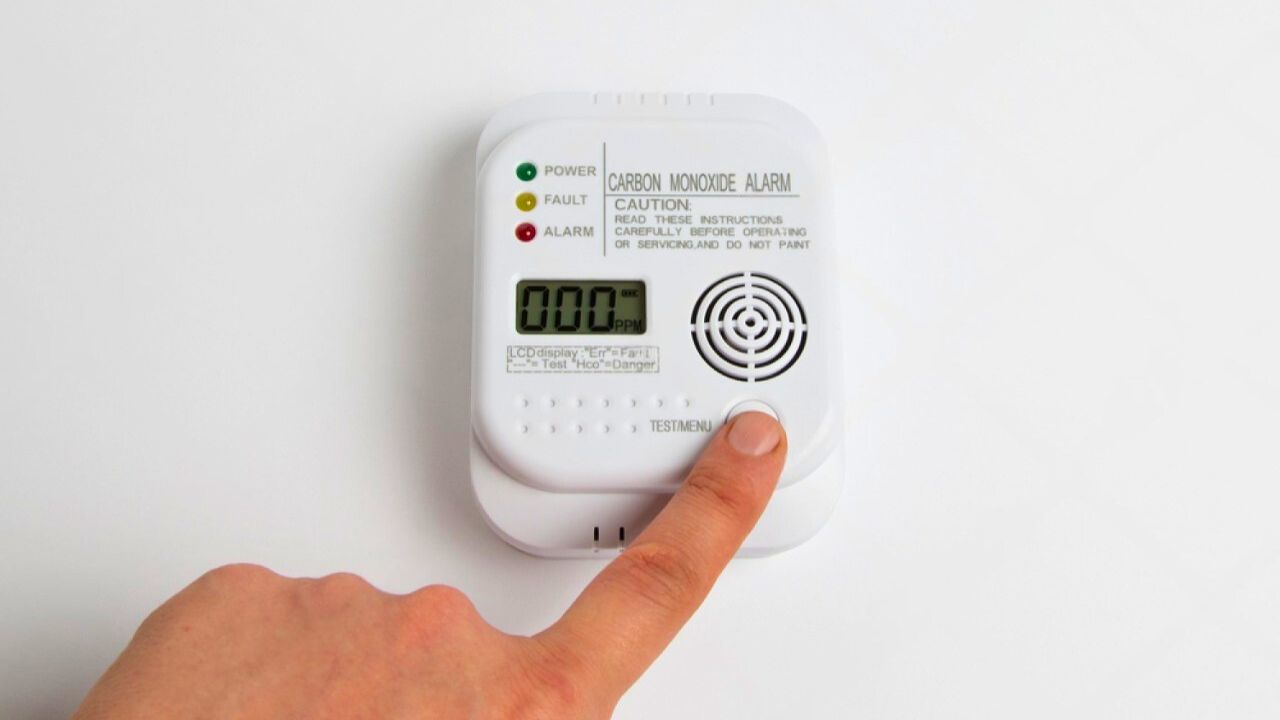
Carbon monoxide accidents spike when people get desperate. A generator belongs outside, well away from doors, windows, soffit vents, and open garages. “But the garage door is open” isn’t a safety plan.
Put CO alarms in the house and test them, especially near sleeping areas. If an alarm chirps during an outage, don’t argue with it, shut the generator down and move it farther out. This one is about staying alive, not saving groceries.
12. Wheel Kits And Ground Placement
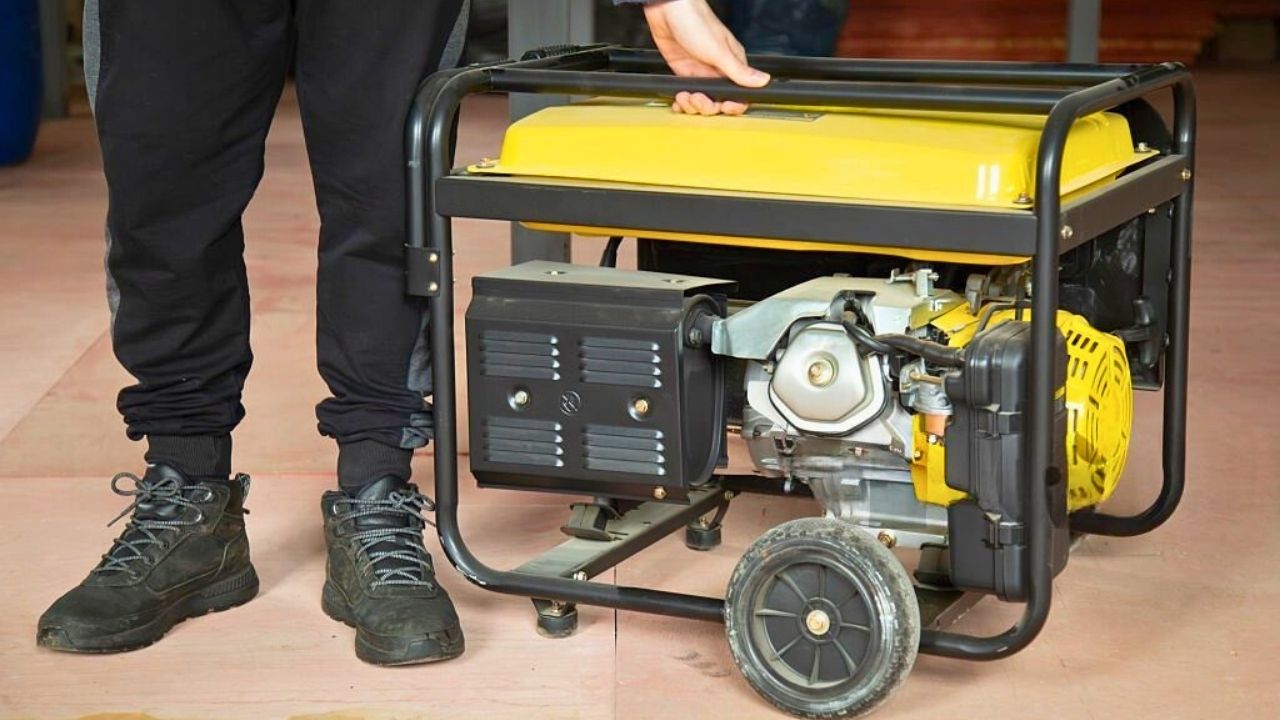
Dragging a 200-pound generator through wet grass is a good way to wreck your back and dump the machine on its side. If power goes out often, you’ll move the unit often, so buy one that rolls well. Pneumatic tires beat hard plastic wheels when the yard is soft.
Give it a stable spot to run, like a level pad of pavers or compact gravel, and keep it out of standing water. Vibration loosens fasteners over time, so a unit that sits solid runs better and rattles less. A simple cover made for running in rain can help, but it still needs full airflow and safe clearance.
13. Fuel Storage That Won’t Ruin Carbs
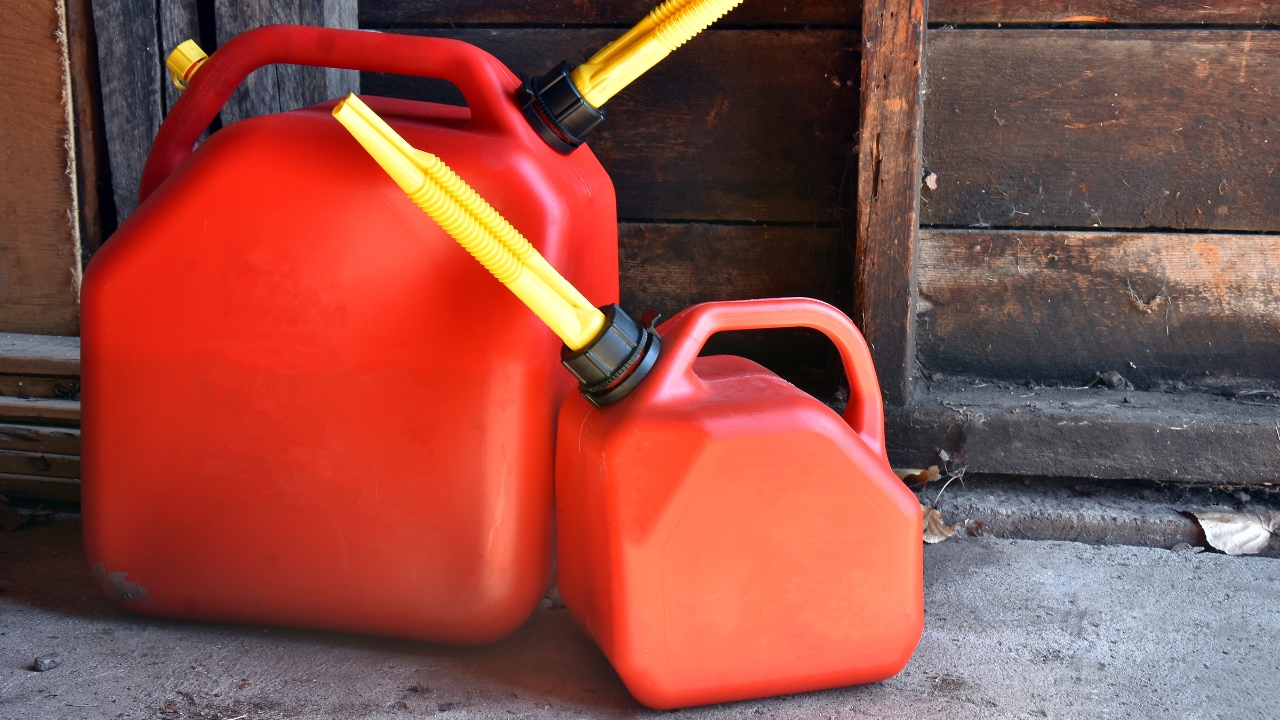
The number one reason portable generators “mysteriously” fail is old gas. Ethanol fuel left sitting turns into a sticky problem that plugs jets and makes the engine hunt and surge. If outages are common, you can’t afford a generator that only runs when it feels like it.
Rotate gas like you rotate pantry food, and use approved cans. If you store gasoline for more than a short stretch, use stabilizer and label the date, then pour it into your vehicle and refill the can with fresh. For propane users, check tank dates and keep spares where they won’t get buried behind junk.
14. Noise Rules And Neighbor Reality
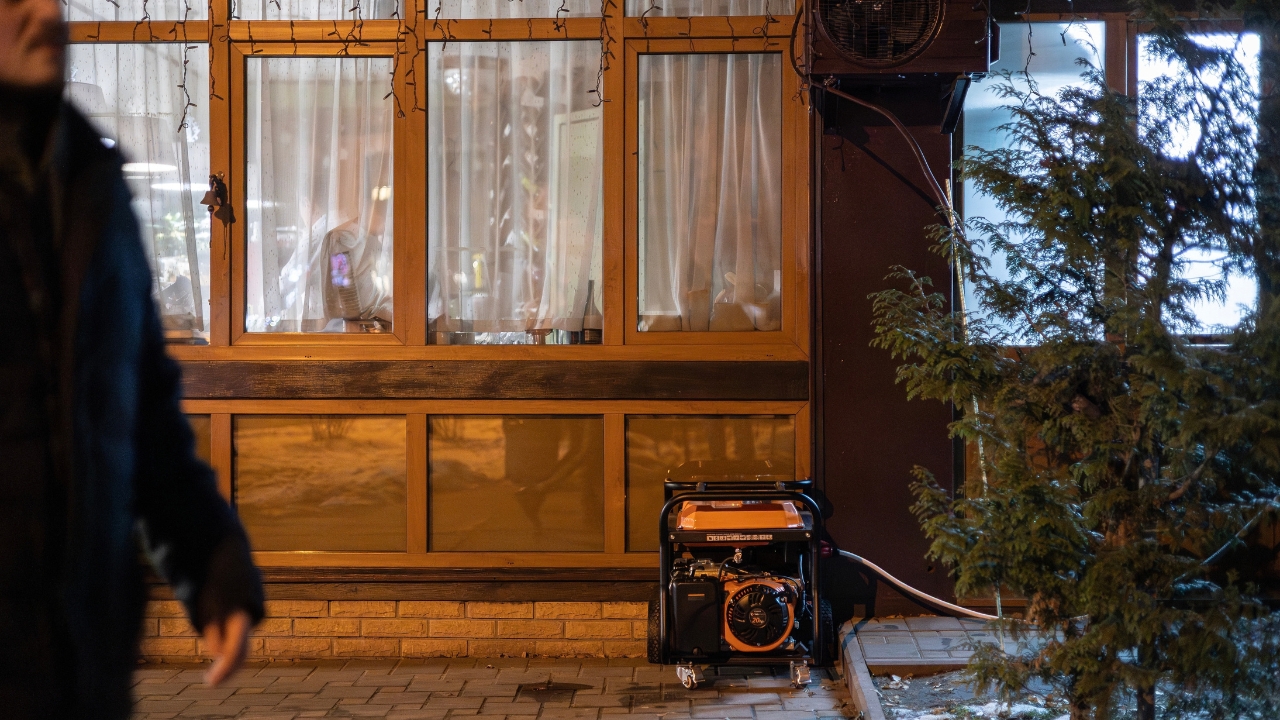
The generator that keeps you comfortable can make everyone else miserable. Some towns have noise rules, and even without rules, a roaring open-frame running all night can start a feud. Inverter generators cost more, but they’re often a better fit in tight neighborhoods.
Placement matters, too. Point the exhaust away from other homes, use a solid surface, and don’t box the unit in with plywood “sound walls” that trap heat. If you need big power and quiet, that’s where standby units shine, because they’re usually better muffled and installed with proper clearance.
15. Service Support And Parts You Can Get
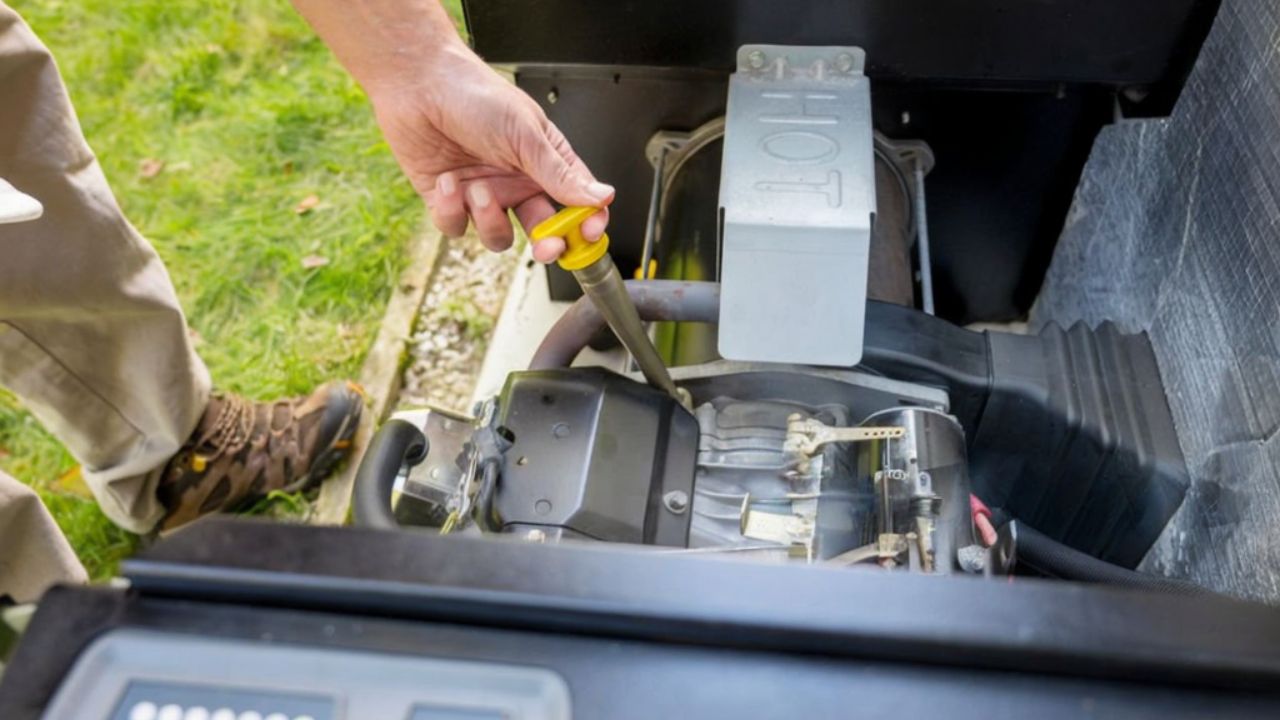
A generator is only as good as the day it won’t start. Fancy features don’t help if you can’t get an air filter, spark plug, or carb parts locally, or if nobody will service the brand in your county. When outages are frequent, downtime is the enemy.
Before you buy, check who actually fixes them nearby, and what parts are stocked at the farm store or hardware store. Keep a small kit on hand, oil, plug, air filter, and the wrench that fits the drain bolt. It’s boring, but it’s the difference between power and a loud lawn ornament.
Once you pick the style that matches your outages, spend the effort on the setup and the habits, not just the machine. A generator that starts every time and plugs in safely feels a lot bigger than one with impressive numbers on the box.
Like Fix It Homestead’s content? Be sure to follow us.
- Man Says He Found Out the Fence He Paid For Wasn’t Actually on His Property
- Woman Says Her Neighbor Started Taking Mulch From Her Delivery Pile Before She Could Even Spread It
- I made Joanna Gaines’s Friendsgiving casserole and here is what I would keep
- What Caliber Works Best for Groundhogs, Armadillos, and Other Digging Pests?