Plants Landscapers Recommend That Can Become a Headache Later
Photo credit: kenjii/ Shutterstock.com
Some plants come highly recommended by landscapers because they’re quick to fill space, look good in a lineup, or survive in tough conditions. But once they’re in your yard, the reality hits—constant trimming, pest problems, invasive growth, or a mess you didn’t sign up for.
What works well on a design board or in a commercial install doesn’t always make sense for real backyards. These are the plants homeowners often wish they’d said no to.
Liriope
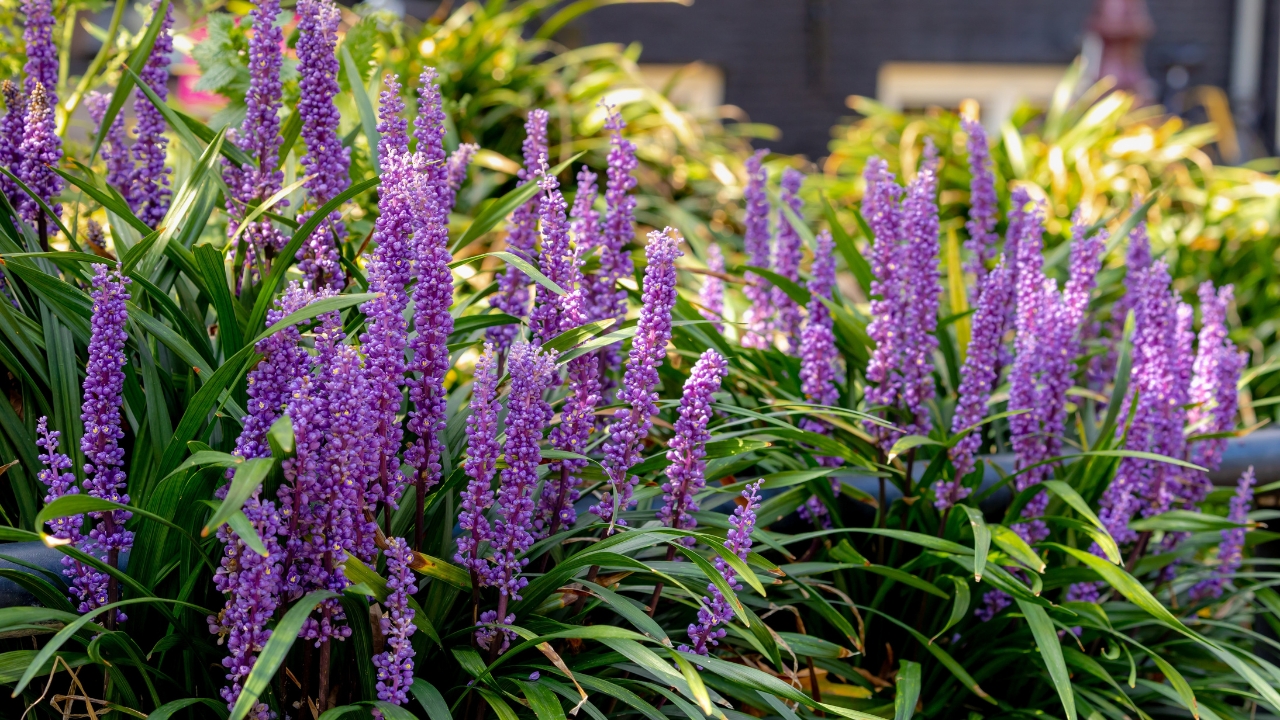
Liriope gets pitched as a low-maintenance border plant, but it spreads fast and isn’t as hands-off as people think. The clumps can take over beds, and they start to look ragged without regular trimming.
In colder areas, the foliage gets brown and mushy in winter, so you’re left cleaning it up every year. Once liriope gets established, pulling it out is a pain. There are better ways to edge a path or garden bed without the hassle.
Red-Tip Photinia

Photinia looks great when it’s young—glossy leaves and red tips that stand out in a hedge. But it’s incredibly prone to fungal disease, especially in humid climates, and once it starts, the whole row can go down fast.
It also needs constant pruning to stay in shape. If you skip a few weeks, it gets leggy and uneven. Most homeowners regret using it as a privacy screen once the maintenance kicks in or the disease spreads.
Purple Fountain Grass
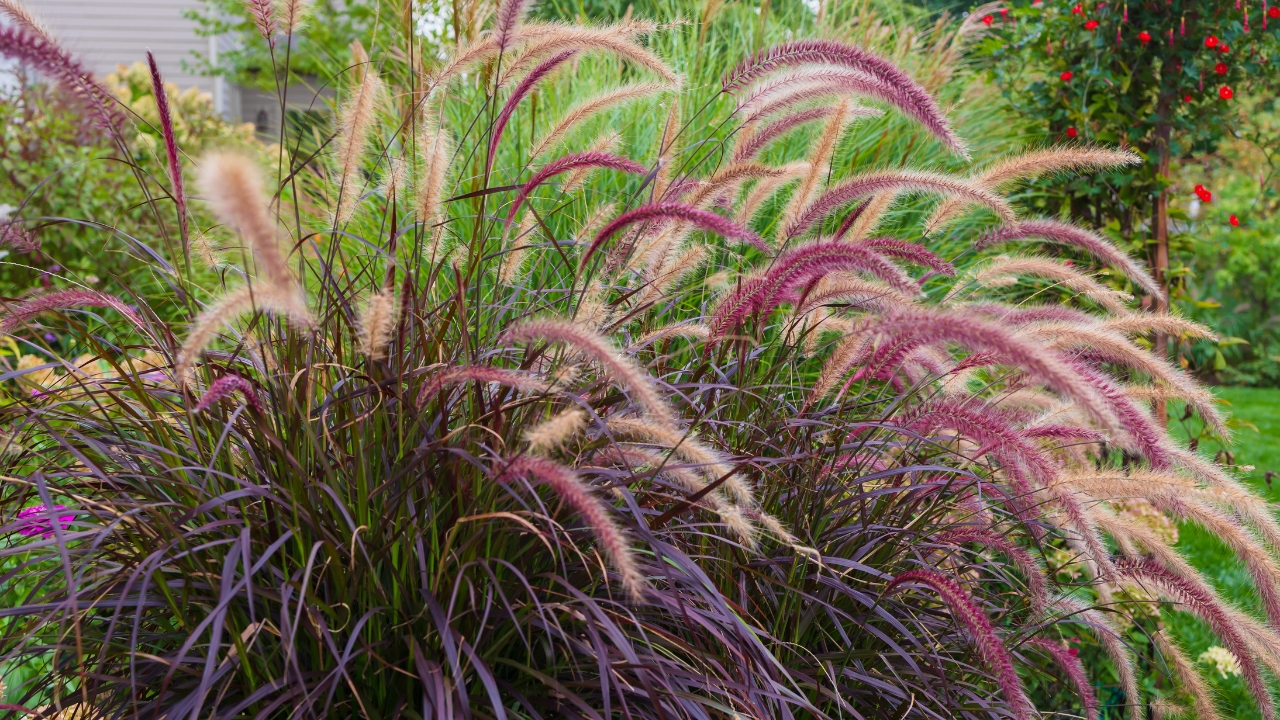
It looks dramatic and adds movement, which is why it’s used all over the place in commercial landscaping. But in many zones, it’s treated as an annual—meaning it dies back and doesn’t return without replanting.
Even in warmer zones, it needs to be cut back hard each year, and those dried blades make a mess. Homeowners often find themselves replanting or cleaning it up more than they expected.
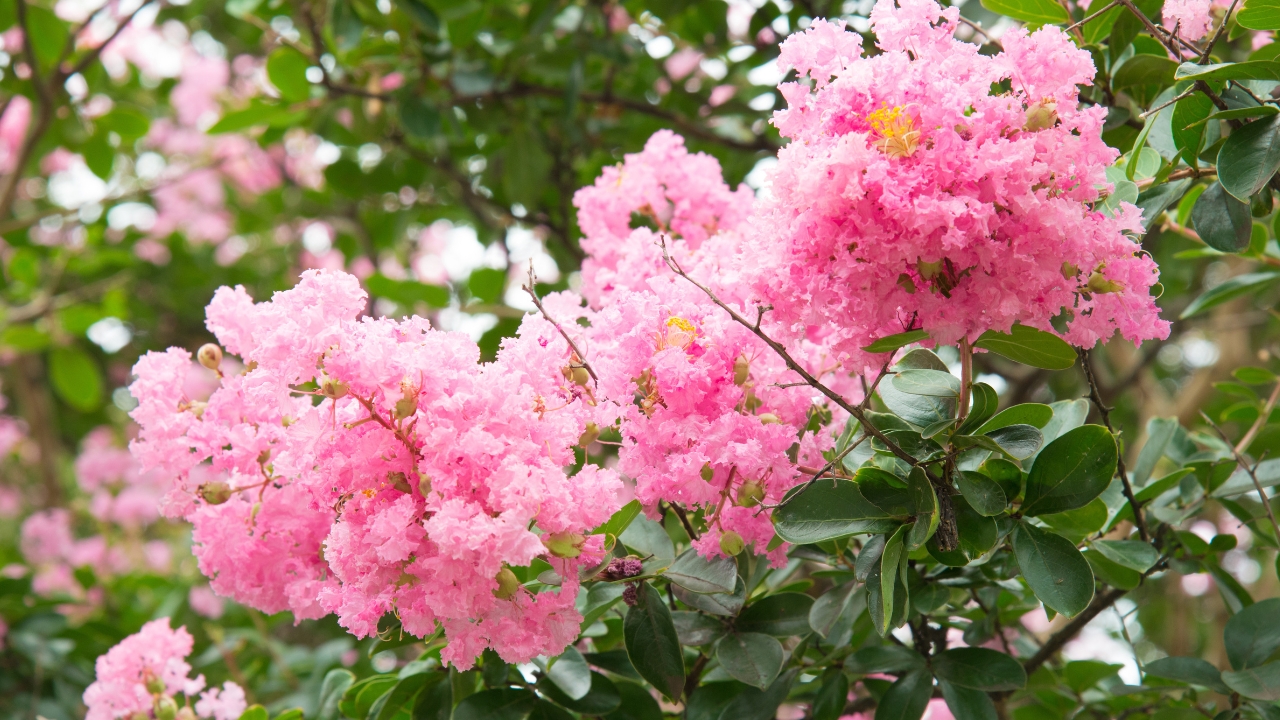
Crape Myrtle
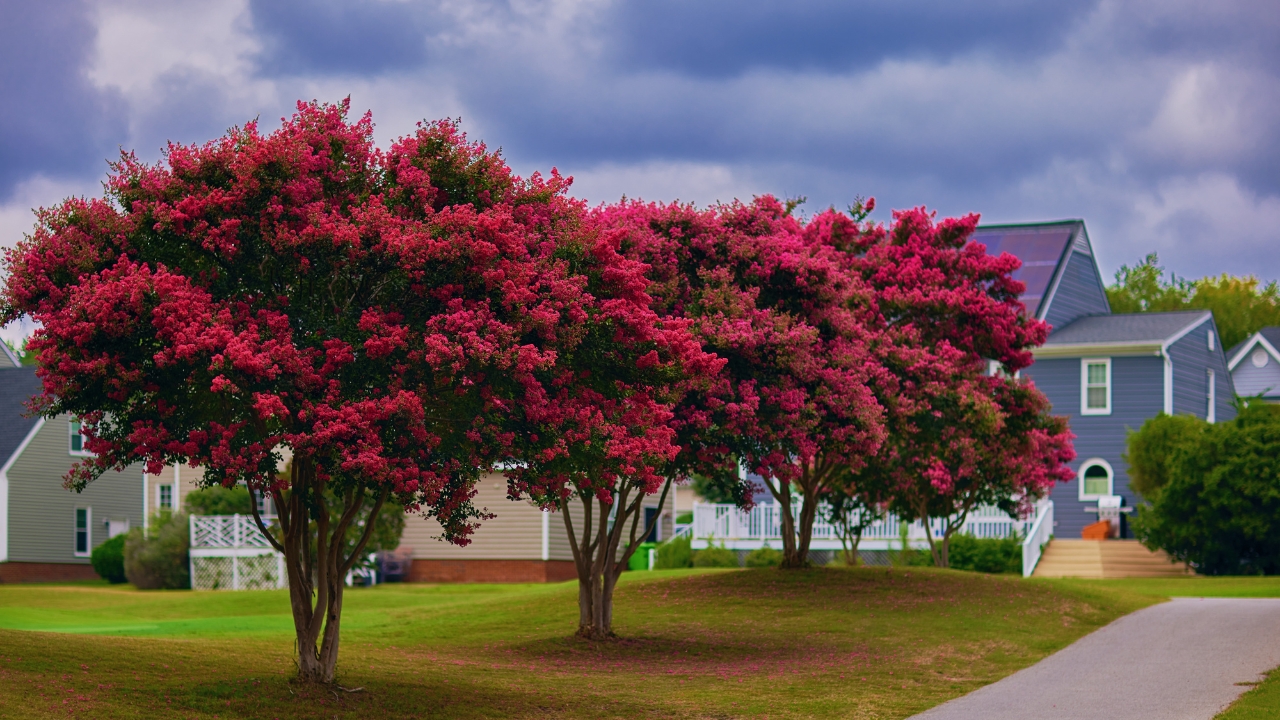
Crape myrtles are beautiful when they bloom, but the mess afterward is a dealbreaker for many. The flowers drop everywhere, stain patios and driveways, and the seed pods aren’t much better.
To make matters worse, landscapers often plant them too close to the house or walkway, which leads to root issues or crowded growth. And if you don’t prune it right, it turns into a tangled mess or ends up getting hacked—also known as “crape murder.”
Blue Rug Juniper
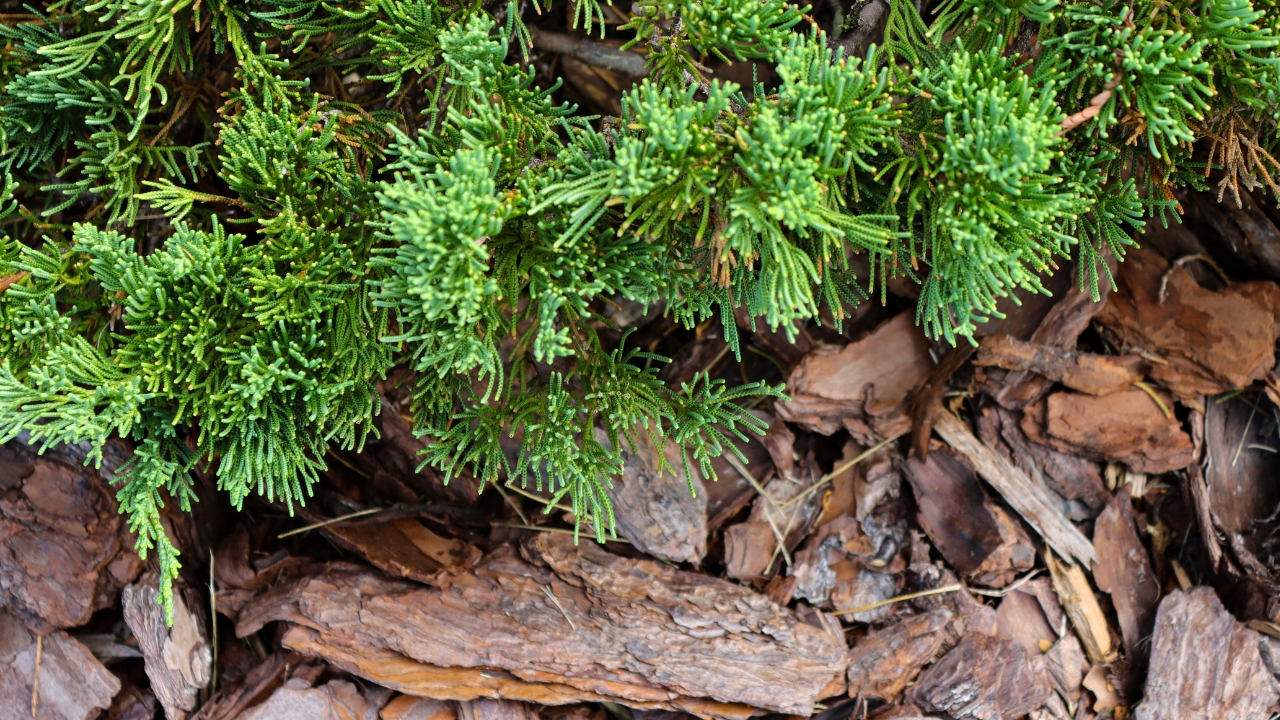
This low-growing evergreen gets sold as a groundcover solution for slopes or hard-to-mow spots. But it quickly turns into a woody tangle that looks great for a year or two—then patchy and tired.
Weeding around it is nearly impossible, and pruning it back without damaging the structure is tough. Once it’s in, ripping it out is a backbreaking job. It’s not the easy fix it’s made out to be.
Pampas Grass

This plant makes a bold statement, which is why it keeps showing up in designs. But it’s incredibly invasive in many areas and difficult to remove once established.
The sharp leaves can cut skin, making it risky around kids or pets. Plus, the massive plumes shed everywhere when they dry out. Most folks end up regretting it once they see how quickly it takes over and how hard it is to tame.
Burning Bush (Euonymus alatus)

Burning bush is known for its bright red fall color, and landscapers love using it as a backdrop shrub. But in many states, it’s considered invasive—it spreads by seed and can crowd out native plants.
It also needs more pruning than people expect to keep it looking good. Without shaping, it gets rangy and loses that clean form. Homeowners often find themselves dealing with unwanted seedlings or struggling to keep it from taking over.
Nandina

Nandina, or “heavenly bamboo,” is another one that landscapers use everywhere. It looks tidy and colorful, but the berries are toxic to birds and pets, and it can spread through runners if not managed carefully.
It also tends to get leggy if it’s not pruned regularly. Homeowners looking for a fuss-free shrub often realize too late that nandina requires more attention than promised—and doesn’t always behave well in mixed beds.
English Laurel
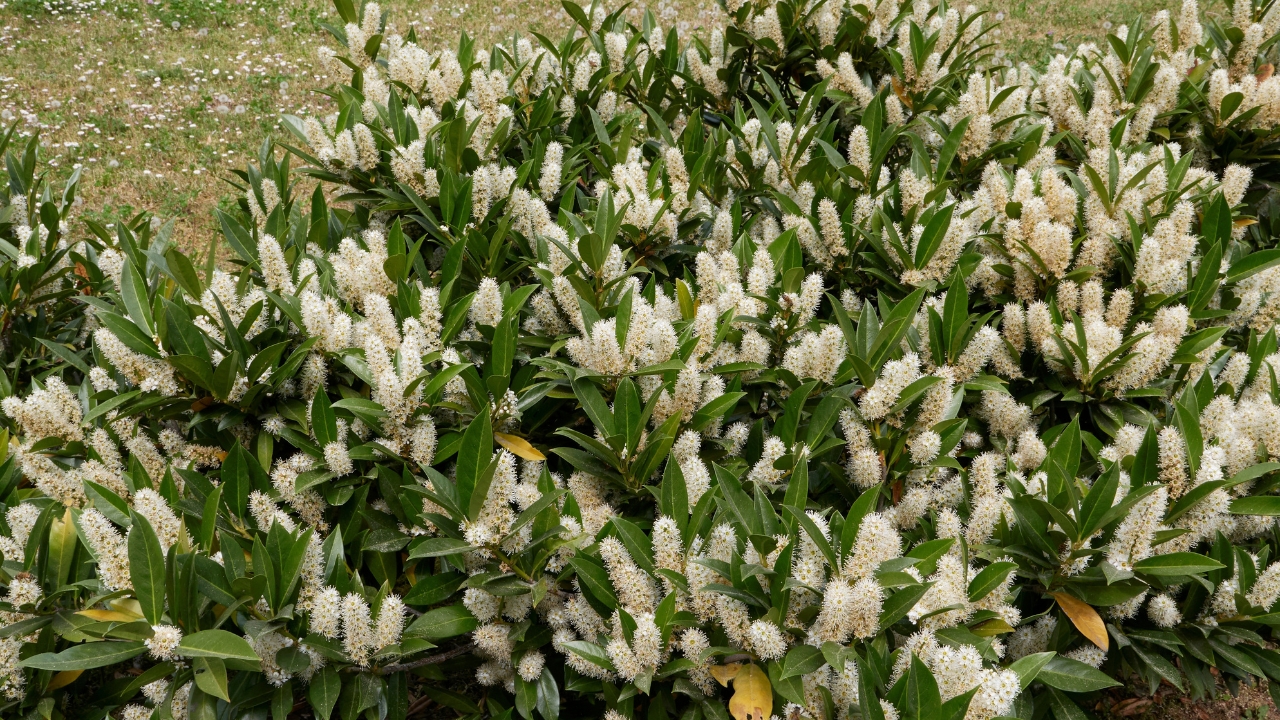
English laurel grows fast, which is why it gets pushed as a quick privacy screen. But that fast growth means you’re out there constantly trimming to keep it from getting out of control.
It also needs good airflow to avoid disease, which most people don’t realize until the leaves start spotting or dropping. Once it’s overgrown, cutting it back can leave big gaps or a bare, woody interior. It’s not as easy to live with as it sounds.
Hosta

Hostas are a favorite for shady areas, but they come with one major issue: they’re basically a buffet for deer and slugs. You might plant them for texture and color, then watch them get chewed to the ground overnight.
They also need dividing every few years to keep from getting overcrowded. For something marketed as low-effort, hostas can cause a lot of frustration depending on where you live.
Like Fix It Homestead’s content? Be sure to follow us.