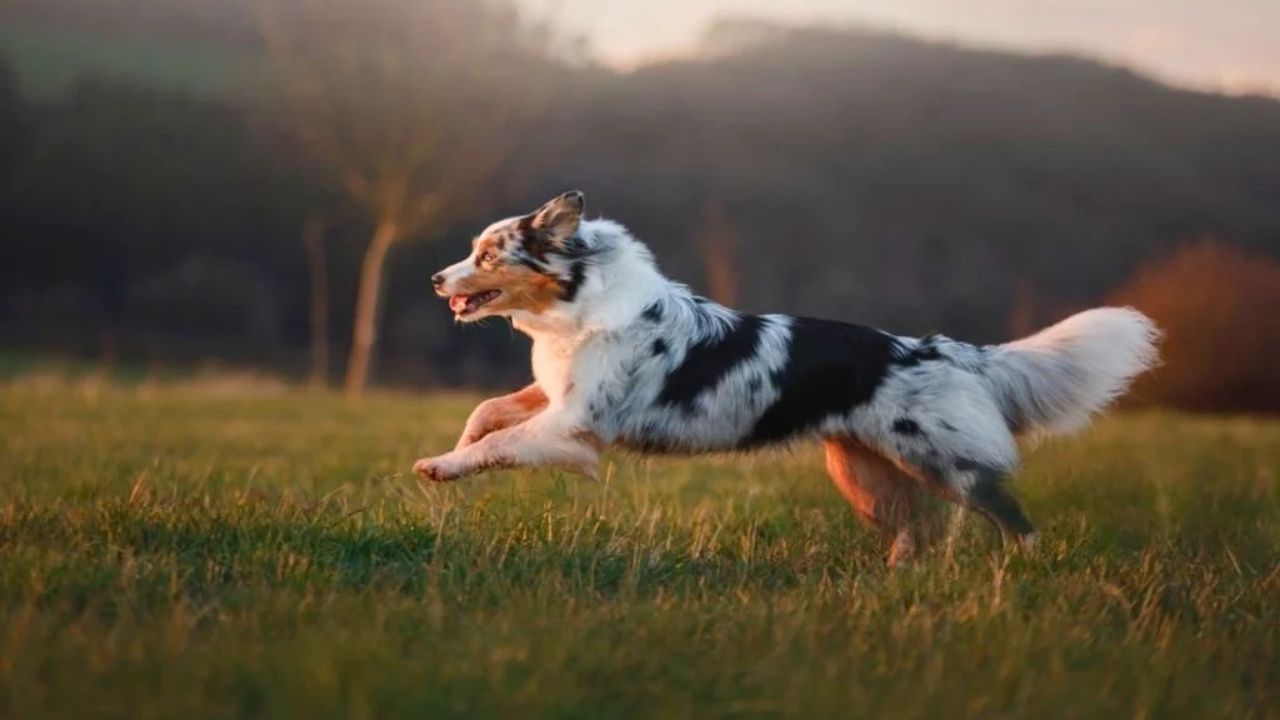
12 Dog Breeds That Do Best on a Few Acres
Photo credit: Anna-av/Shutterstock.com
A few acres sounds like freedom until a bored dog turns it into a dig site, a chase track, and a nonstop barking post. The best fit is a dog that can handle space without needing a full-time job herding everything that moves. You want a breed that respects fences, settles when you’re busy, and can handle mud, weather, and long days outside with you.
1. Labrador Retriever With An Off Switch
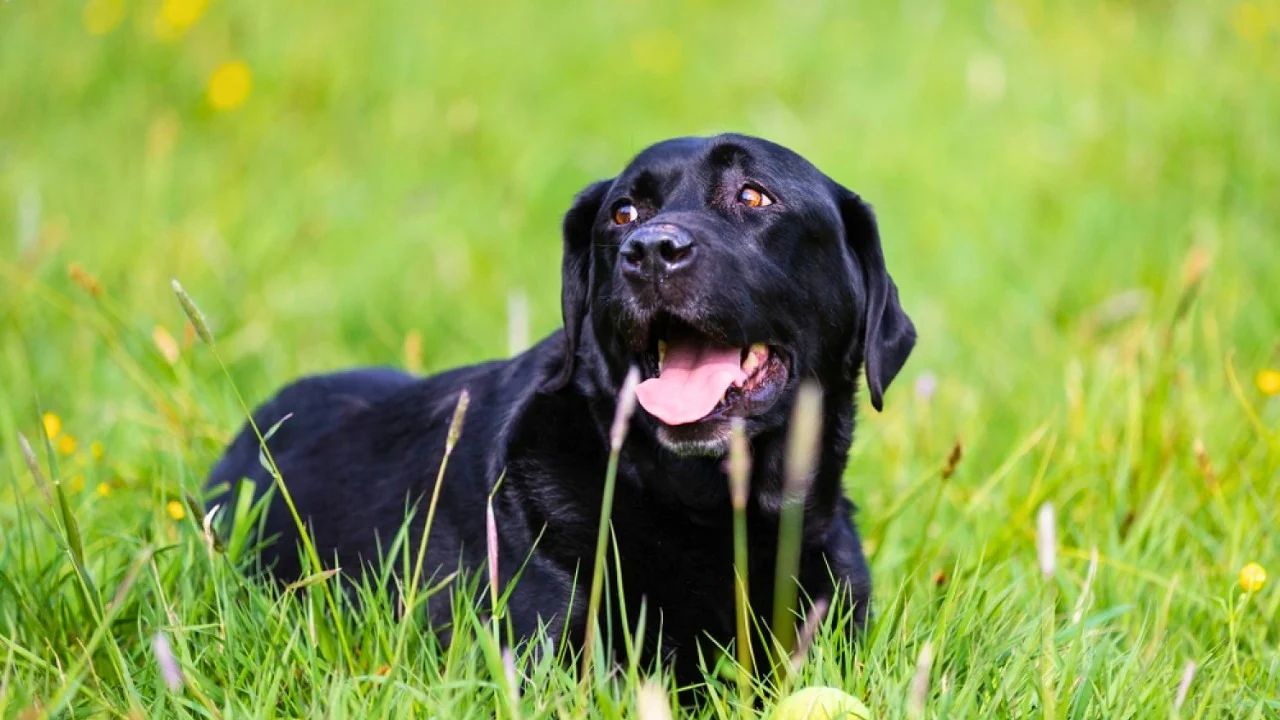
Some dogs act like a four-wheeler with the throttle stuck. A well-bred Lab is more like a pickup that starts every time, works all day, then parks it. On a few acres, that balance matters because you can’t spend every hour “exercising” a dog that never gets tired.
Labs do best when you give them a real job, even if it’s simple. Daily fetch in a mowed lane, carrying light tools in a pack, or walking fence lines keeps them from inventing entertainment. Put time into recall and “leave it” early, because a Lab that discovers the joys of pond mud will come home wearing it.
2. Australian Shepherd That Needs Work
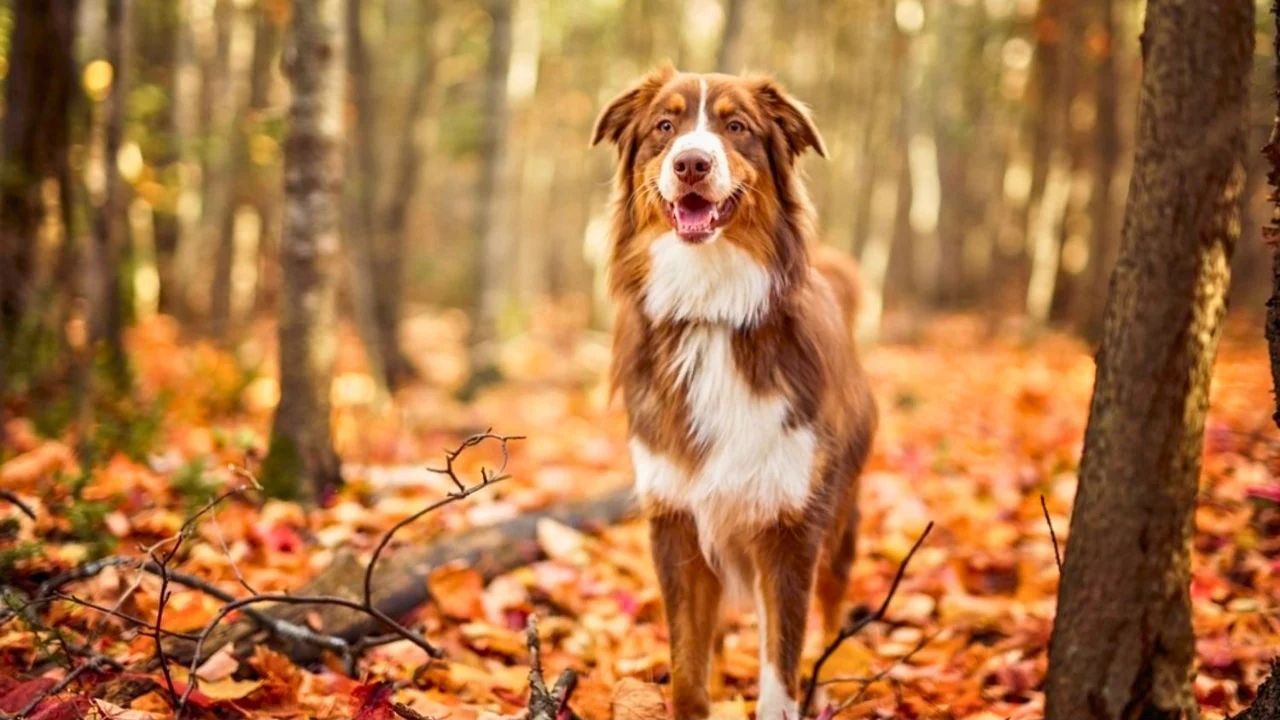
If you like a dog that watches everything and thinks it’s their responsibility, this is it. Aussies tend to patrol, notice changes, and stick close when you’re moving around the property. They’re sharp, fast, and willing, but they don’t do well as yard decorations.
On a few acres, an Aussie can be perfect if you actually give direction. Short training sessions, chores like fetching dropped gloves, and structured play keeps the brain from chewing through your day. Skip the “free run will wear them out” idea. Without training, that same energy becomes fence running, nipping at kids’ heels, or obsessing over equipment.
3. Border Collie For Real Herding Homes
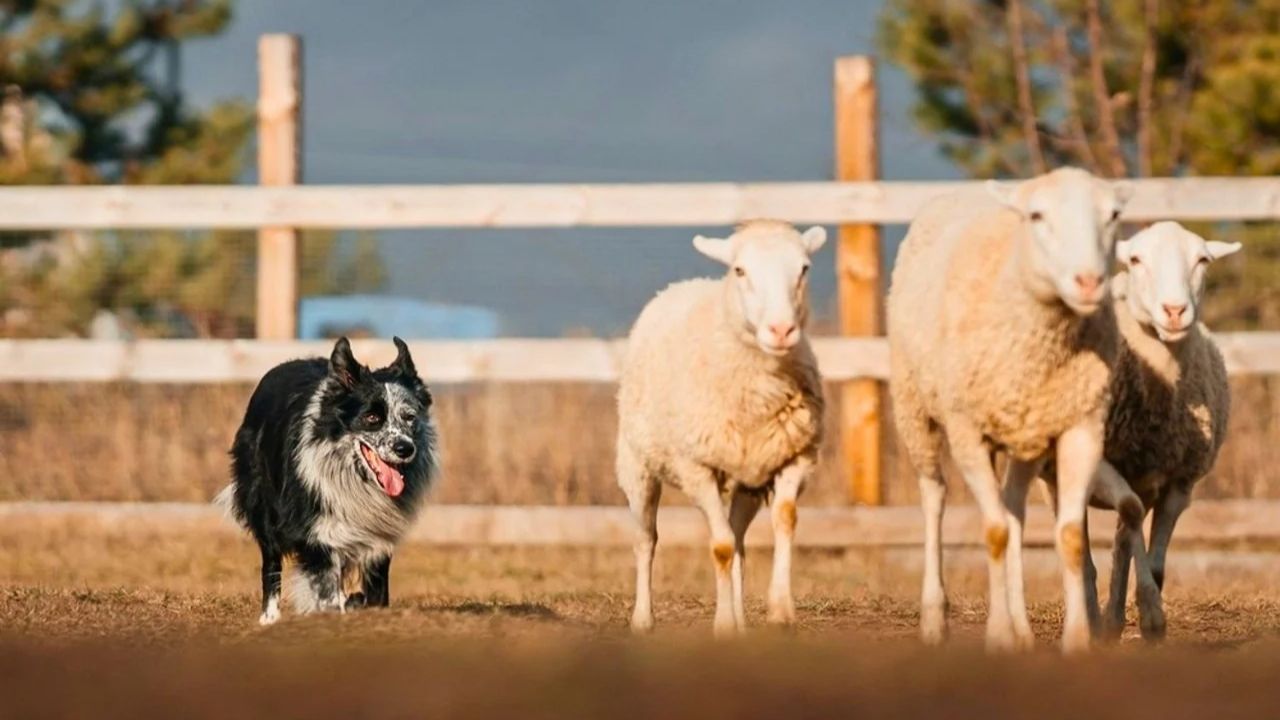
This one is an opinion. A Border Collie is not the right pick for most small homesteads, even with land, because “smart” can turn into intense and relentless. If you do have animals to move and you enjoy daily training, they’re hard to beat.
They shine when there’s honest work: moving sheep or goats, controlled chores, long sessions learning new commands. They struggle when their job is “hang out while you garden.” If you want the look and the brains but not the obsession, steer toward a calmer herding breed instead of forcing a Collie to be a couch dog.
4. Great Pyrenees For Night Watch Duty
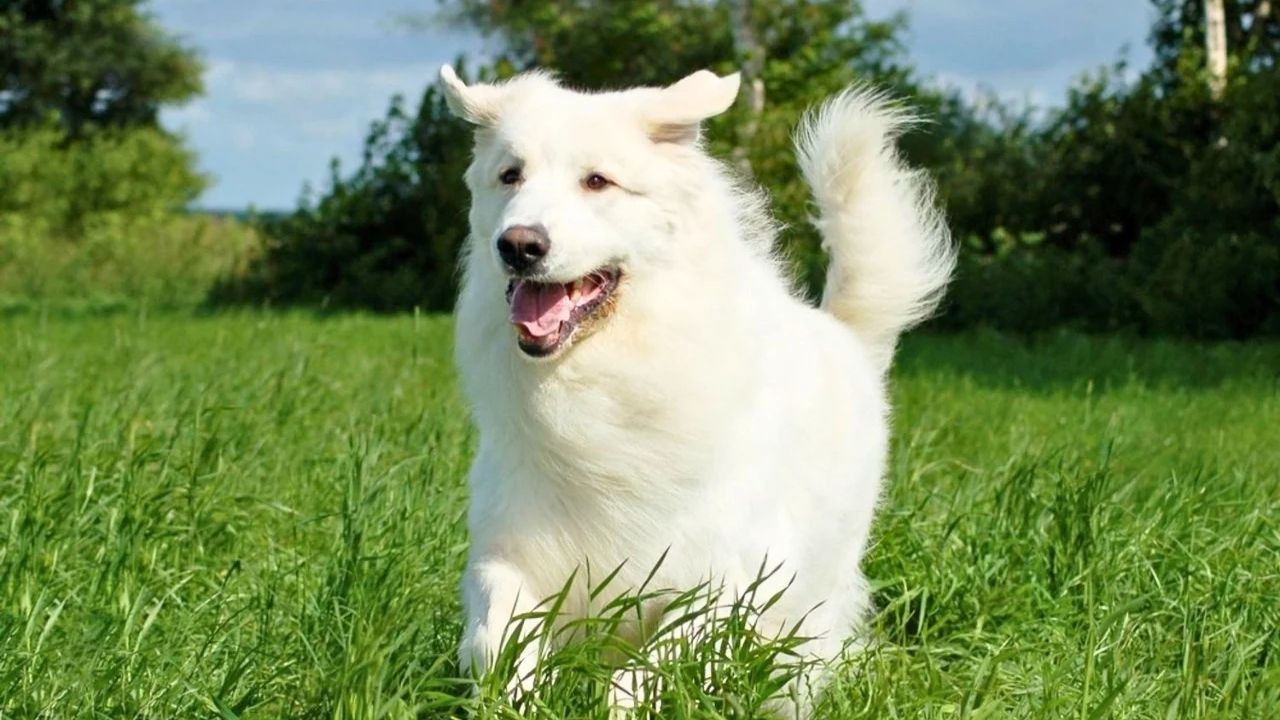
The first time you hear a deep bark rolling across the dark at 2 a.m., you’ll understand why people keep livestock guardian dogs. A Great Pyrenees tends to take territory seriously, and a few acres is enough for them to settle into a routine. They’re built for cold, wet, and long hours outside.
The tradeoff is noise and independence. You don’t “command” a Pyr the way you do a Lab. You manage them with solid fencing, early boundary training, and a predictable daily check-in so they don’t decide the neighbor’s porch is part of their patrol. If you’ve got close neighbors, this breed can be a bad fit purely because of barking.
5. Standard Poodle That Works In Any Weather
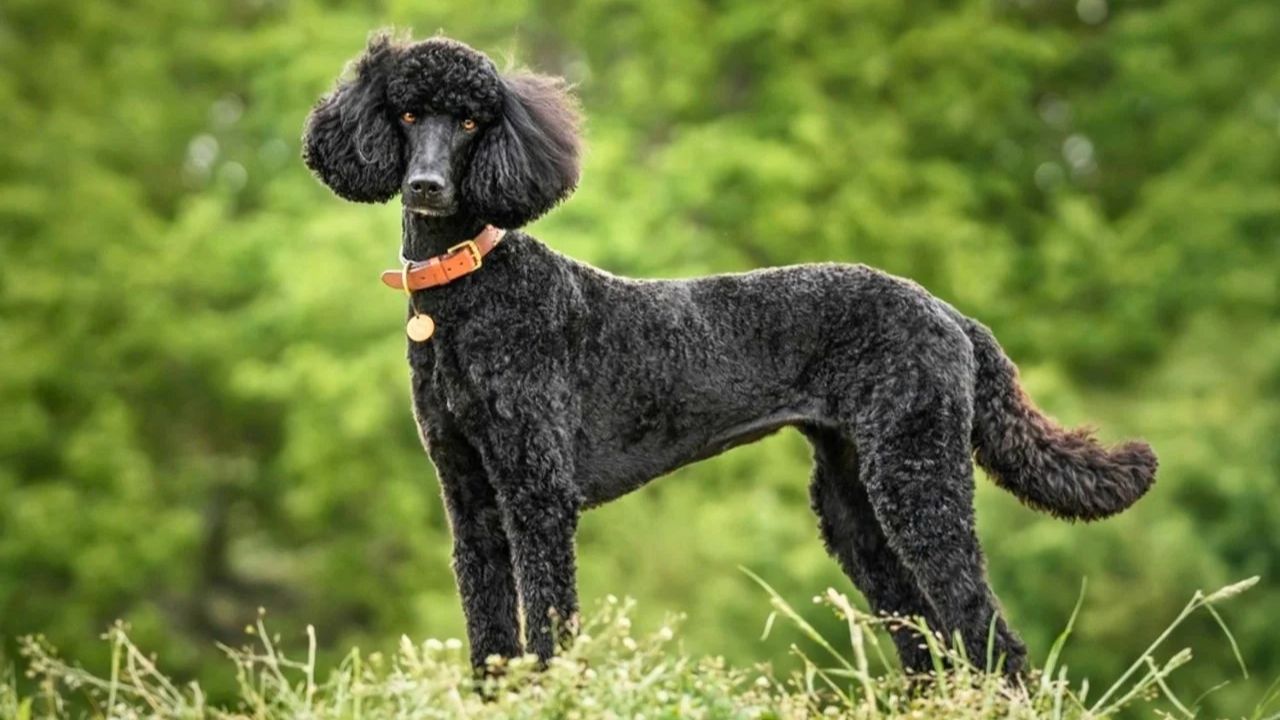
A lot of folks overlook Poodles because they picture show cuts and salon bills. A Standard Poodle is an athletic farm dog in disguise, and they’re often easier to live with than many high-drive breeds. They read people well, learn fast, and usually don’t roam as hard as the true hunters.
Coat care is the real cost. If you keep it clipped short every month or two, it’s simple and clean, and ticks are easier to spot. If you let it grow out, it mats, holds burrs, and turns grooming into a wrestling match. A plain working clip is fine, and it does not need to look fancy to be practical.
6. German Shepherd For Hands-On Owners
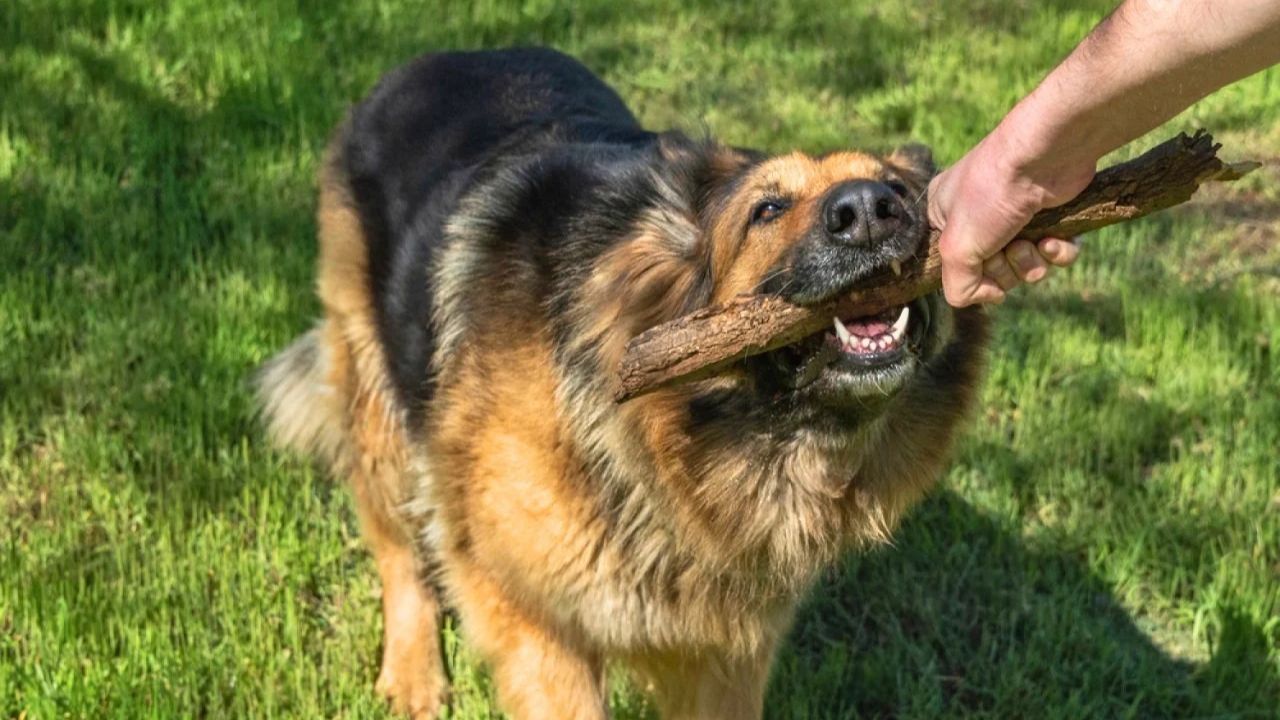
German Shepherds do well on acreage because they like having a perimeter and a person to follow. They’re good at “go with you, watch with you, settle near you.” When you’re hauling feed, fixing gates, or stacking wood, a Shepherd tends to stay in the orbit instead of vanishing into brush.
The weak spot is that a bored, undertrained Shepherd can turn protective in the wrong ways. Don’t wing it. Put serious time into socialization, a rock-solid recall, and calm behavior around visitors and delivery trucks. If you want a dog that guards, be honest about your skill level. Paying for a reputable trainer for a few sessions is money well spent.
7. Rough Collie For Quiet Acreage Living
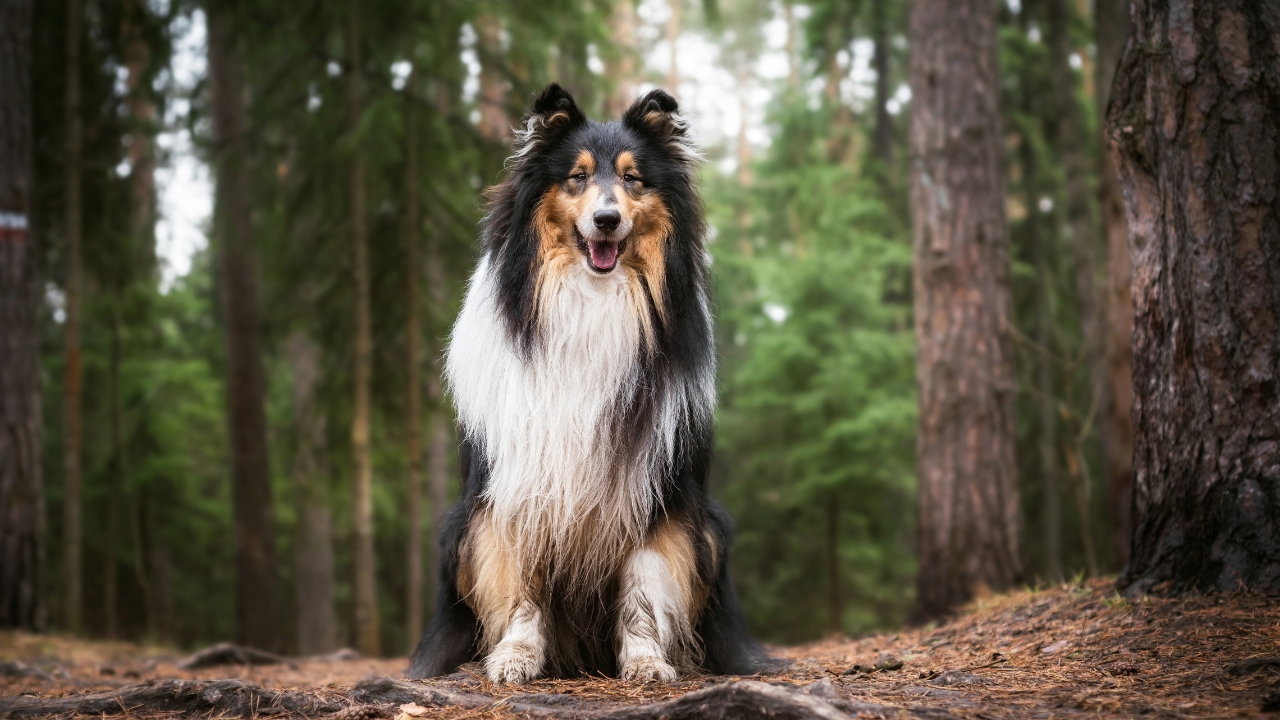
Want a dog that’s farm-friendly without acting like every squirrel is a crisis? Rough Collies are often steady, gentle, and surprisingly good at sticking close. They tend to do well when you’ve got room for them to move but you also want peace around the house.
The coat is the maintenance. In spring, you’ll brush out undercoat for a while, and you’ll pull burrs if you let them run field edges. If you don’t want grooming, pick something else. If you don’t mind a brush by the mudroom door, they’re easy company.
8. Brittany For Fields And Fence Walks
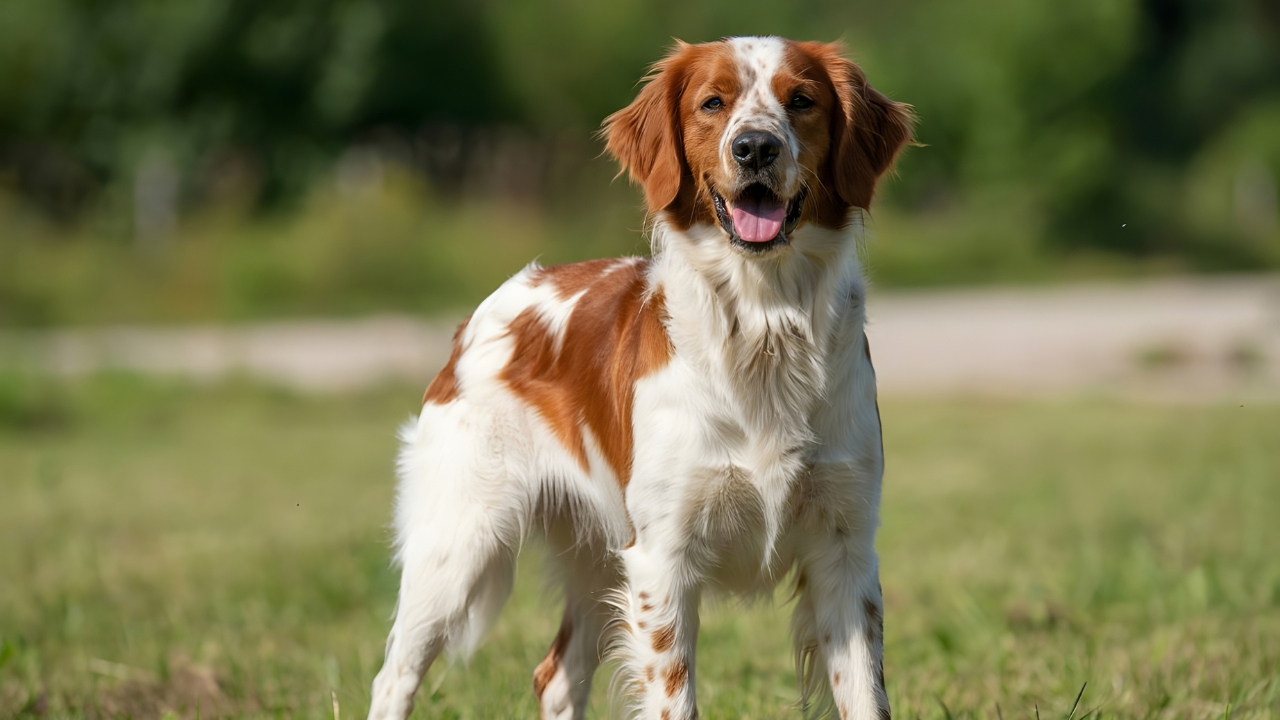
If your property has tall grass, brushy corners, and you actually enjoy walking it, a Brittany fits. They’re light, fast, and built to cover ground without pounding joints like heavier dogs. They also tend to be friendly and people-centered, which helps when you’ve got visitors, kids, or farmhands around.
They do need structure, because a pointing dog will follow its nose past your property line if you let it. A secure fence or a long line during training matters. The good news is the coat is easy, and they dry off fast after rain. For a few acres, they often hit the sweet spot between “needs to run” and “can live in a home.”
9. Beagle If You Don’t Mind Singing
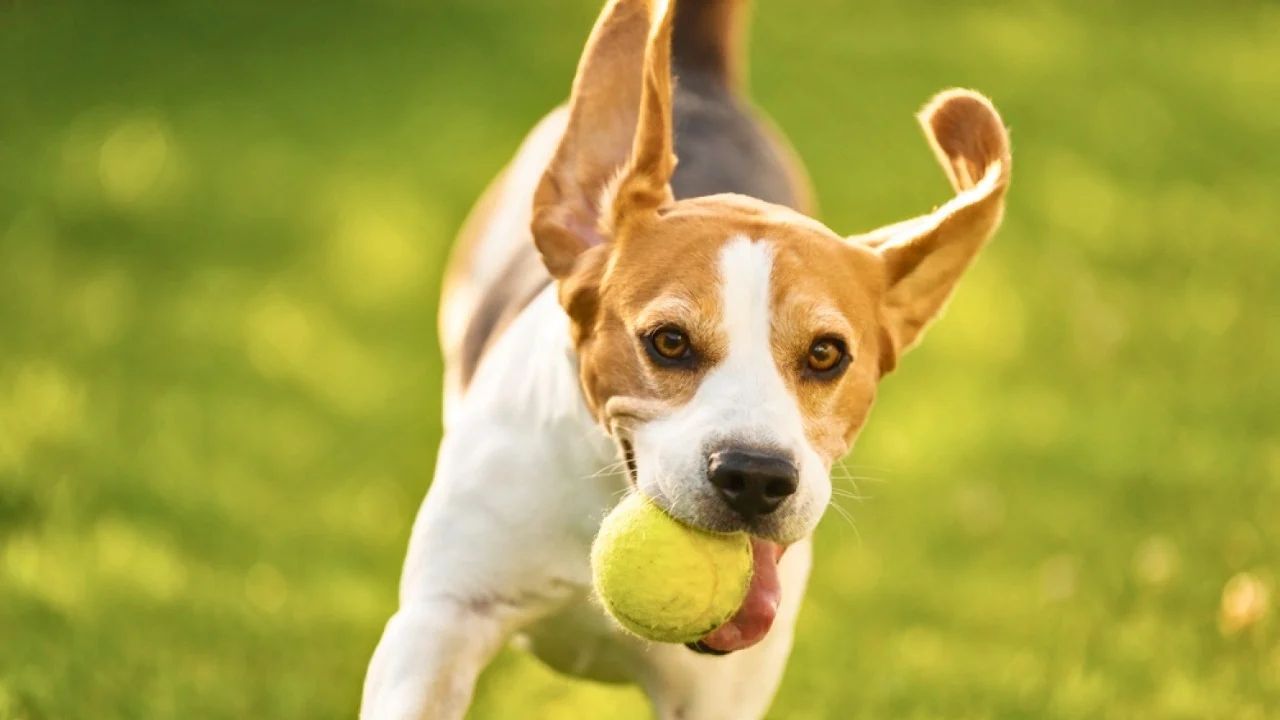
Here’s the honest exception: a smaller dog can do great on acreage. A Beagle can burn energy running scent trails in a yard, and you don’t need a huge property for them to feel busy. They’re tough, cheerful, and usually good with other animals if introduced right.
The catch is the voice and the nose. A Beagle will follow a smell like it’s a rope tied to their collar, so fencing needs to be real, not decorative. And they don’t bark, they announce. If you’ve got close neighbors, think hard. If you’re out a ways, the sound can be part of the charm.
10. Airedale Terrier For Rat Patrol Jobs
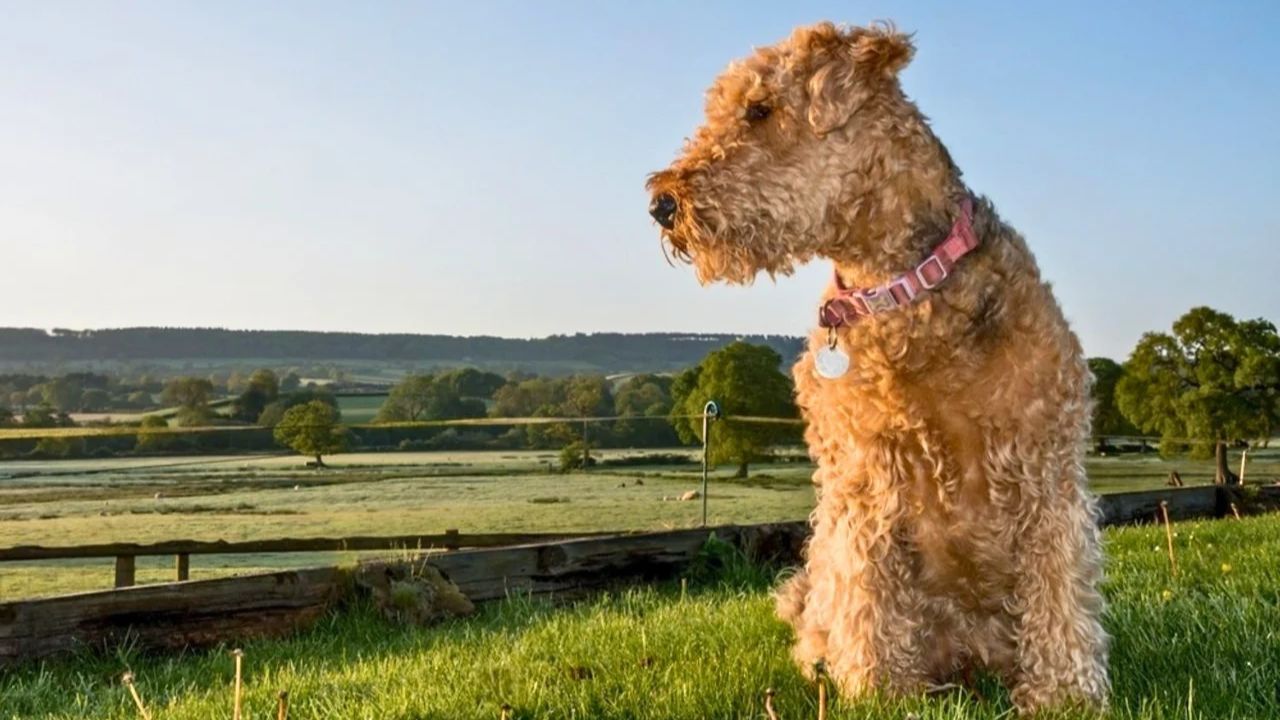
An Airedale is a handy pick when the problem is rodents in the barn, chicken feed spills, and critters under the shed. They’re alert, sturdy, and ready to go out and check things with you. On a few acres, that “I’ll handle it” attitude can be useful.
Terriers also dig and test rules. Plan on teaching boundaries early and giving them acceptable ways to burn drive, like structured play and supervised barn time. Grooming depends on the coat. Some owners clip it short with clippers, others pay for stripping. Either way, if you ignore it, it turns into a burr magnet.
11. English Shepherd For All-Around Chores
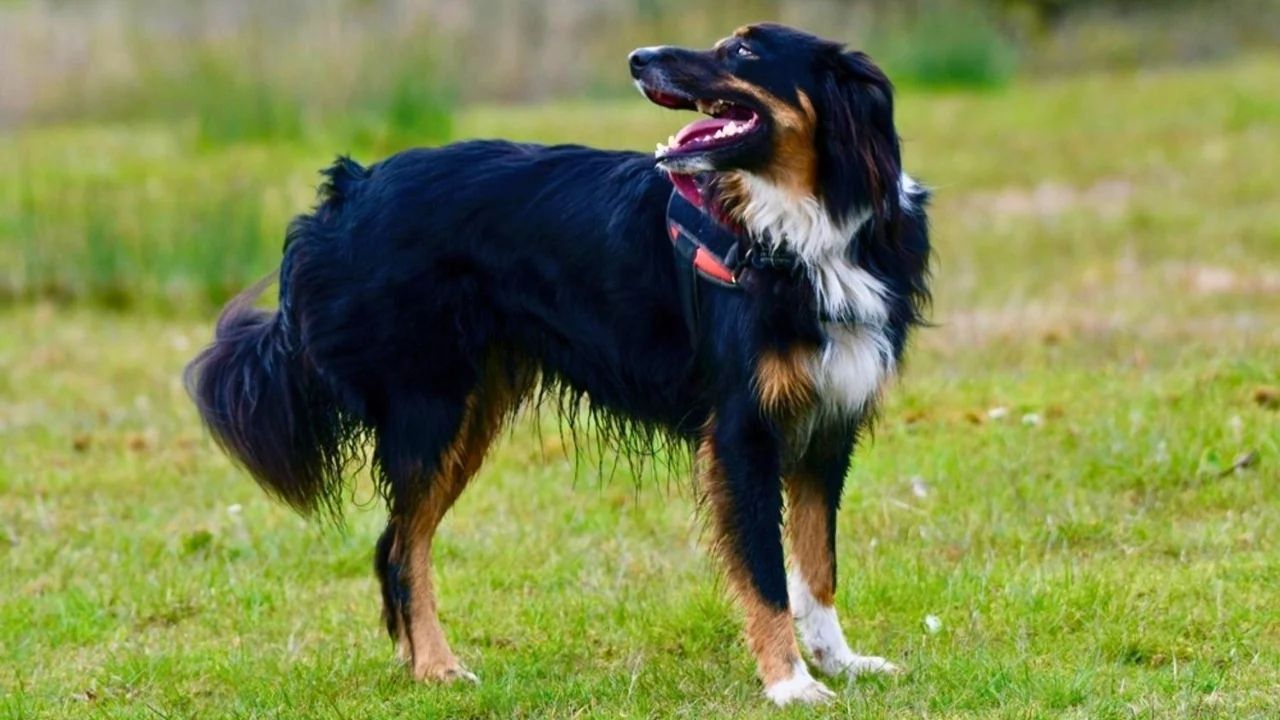
Not everyone wants the intensity of the trendier herding breeds. English Shepherds often land in a practical middle zone: willing, farm-sensible, and less likely to spin into constant motion. They’re the type to help move animals, watch the yard, then settle on the porch.
Because they’re not as common, the real fix is picking the right breeder and meeting adult dogs if you can. Temperament varies a lot by line. Get one that’s been raised around stock and people, not one bred only for looks. Training still matters, but you’re usually not fighting the dog’s own brain all day.
12. Anatolian Shepherd For Serious Predators
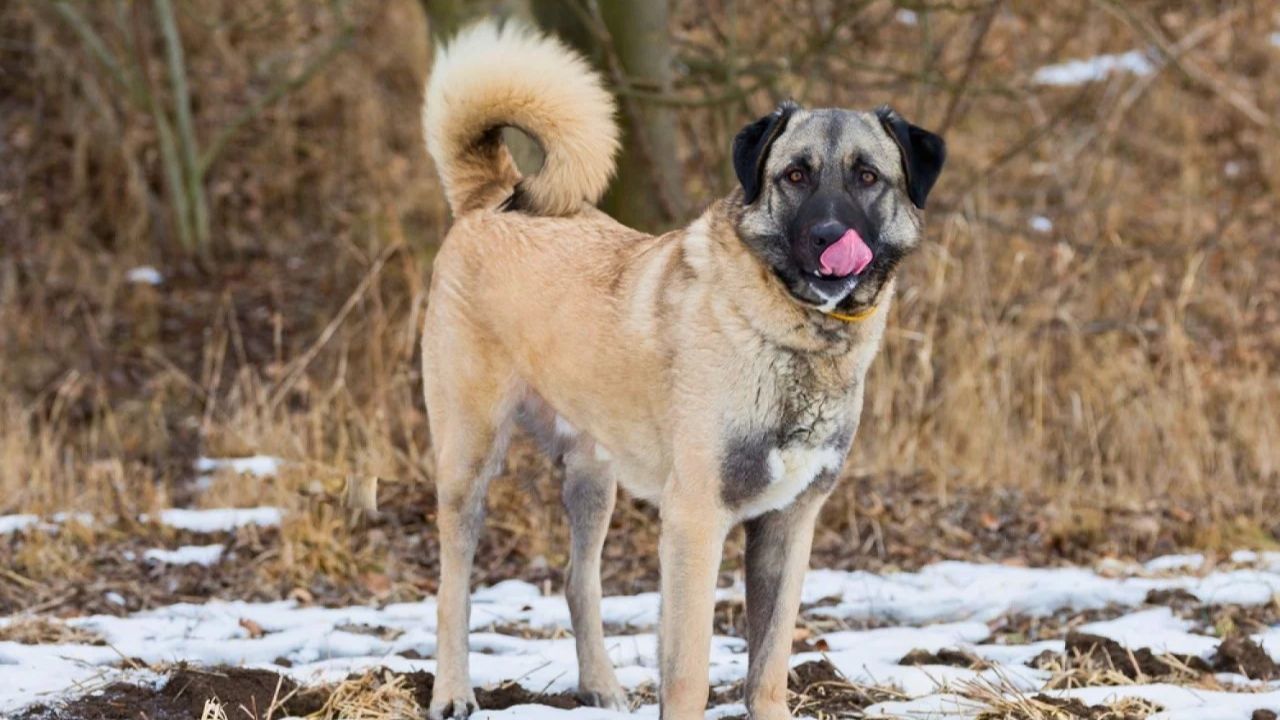
If you keep goats, sheep, or poultry and you deal with predators, this breed comes up for a reason. Anatolian Shepherds are built to live outside, make decisions, and hold ground. A few acres is enough if the fencing is strong and you’re consistent about boundaries.
This is not a “first acreage dog” for most people. They can be territorial, and they won’t always welcome strangers the way a Lab will. You’ll need a solid plan for deliveries, guests, and vet visits, and you’ll need fencing that stands up to a big dog leaning on it. If your setup is casual and you just want a buddy, pick something easier.
Before you pick a breed, look at your fences, your neighbor distance, and what you actually do on your land most days. A dog that fits your routine costs less in chewed gear, vet visits for mischief, and time spent driving around looking for a runaway. Choose for temperament first, then size and looks, and you’ll get a partner that makes your acres feel calmer, not busier.
Like Fix It Homestead’s content? Be sure to follow us.