10 Reasons Your Fireplace Smokes Into the Room
Photo credit: Fix It Homestead
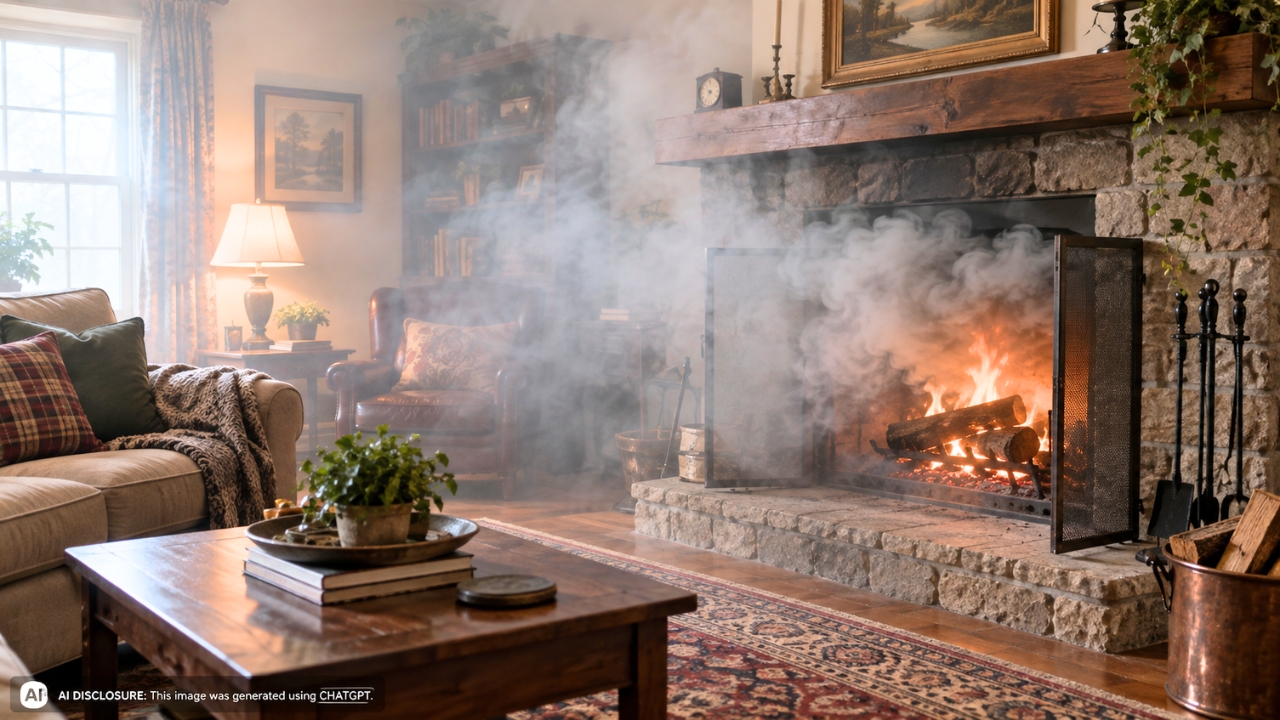
You build a nice fire, shut the screen, and five minutes later the room smells like a campfire. Your eyes sting, the smoke alarm starts chirping, and you’re cracking a window in January. A smoky fireplace usually means the draft is weak, the airflow in the house is fighting you, or something is physically in the way.
1. Cold Flue Not Drafting Yet
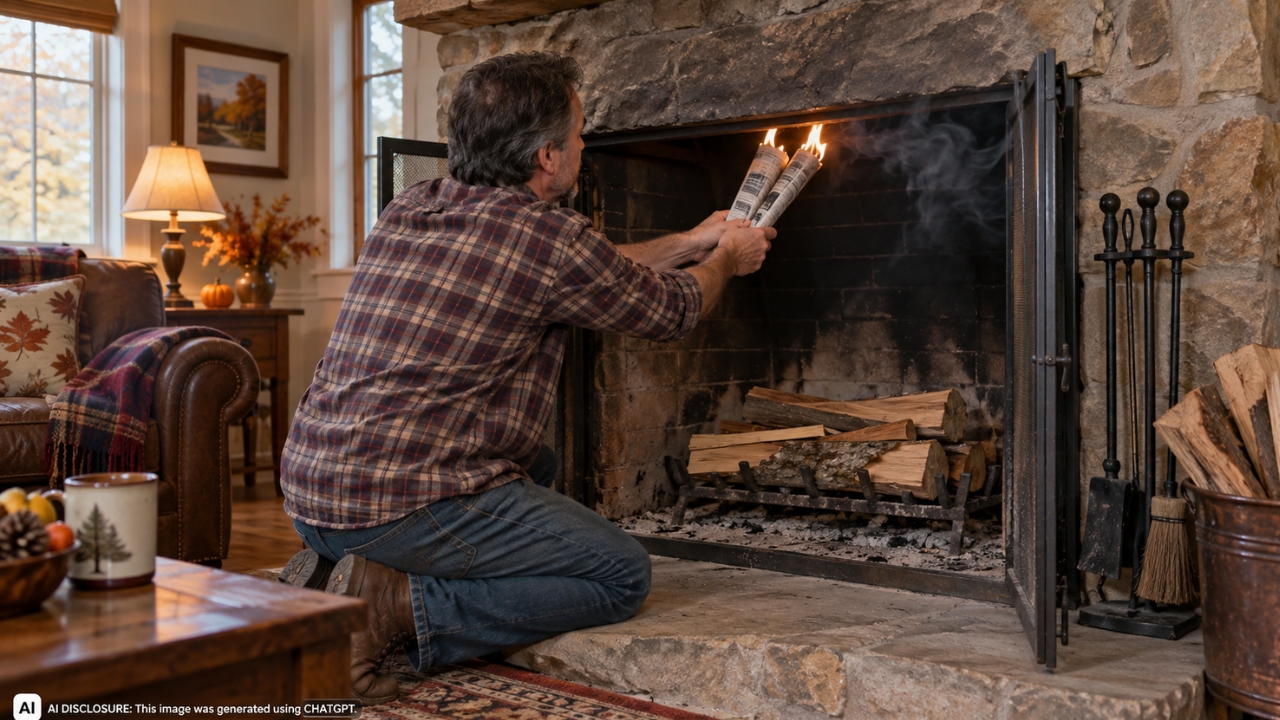
The first fire of the season is the usual troublemaker. A cold chimney can act like a plug, and the smoke rolls out into the room until the flue warms up enough to pull air upward. You’ll notice it most on mild fall days when the chimney never really heats up.
Preheat the flue before you light the main fire. Roll up a couple sheets of newspaper, light them, and hold them up near the damper opening for a minute to get the air moving up. Some people use a propane torch, but a little newspaper is plenty and costs nothing.
2. Damper Closed Or Not Fully Open
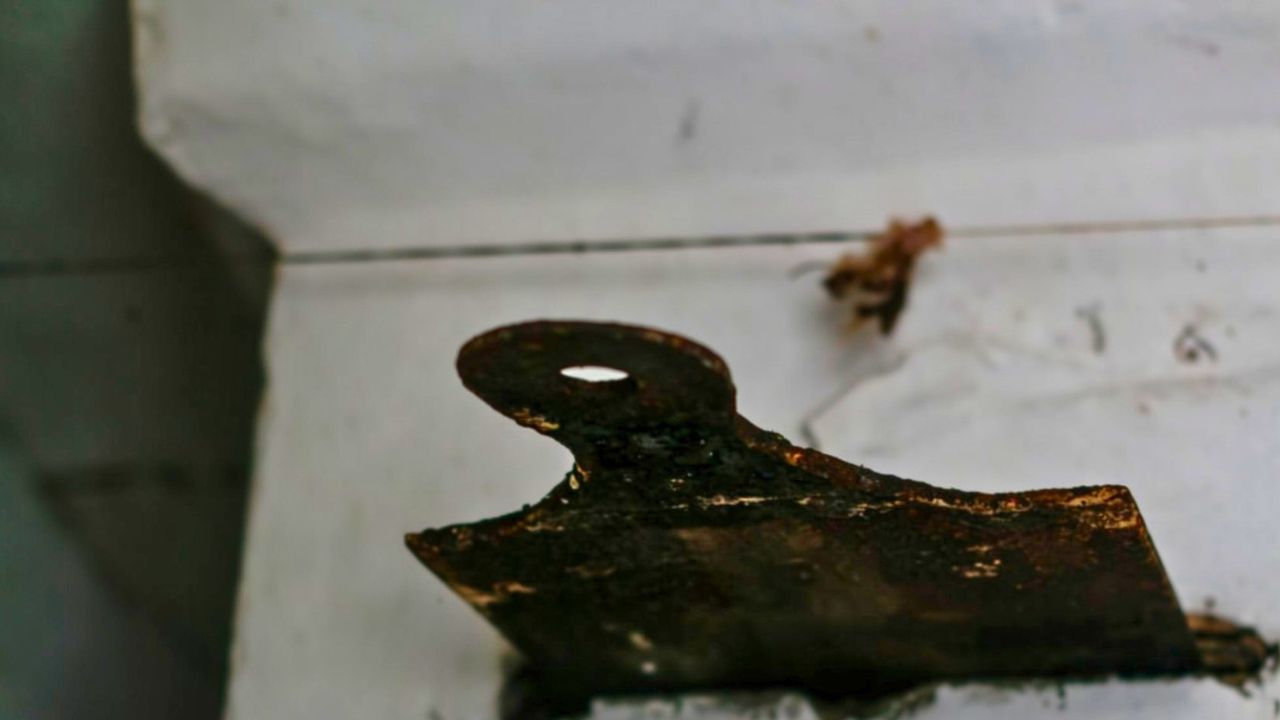
This one is painfully common, especially after a summer of the damper being shut tight to keep humid air out. If the handle is stiff, the plate can hang half closed and you won’t notice until smoke hits the room. Sometimes you’ll hear a faint fluttering or clank as the damper moves a bit in the heat.
With the fireplace cold, open the damper and look up with a flashlight. You should see a clear, unobstructed path into the flue, not a plate cutting off the opening. If the linkage is bent, rusted, or jammed with old creosote, it’s a good time for a sweep visit, because forcing it can crack parts you don’t want to replace.
3. Chimney Cap Or Screen Plugged
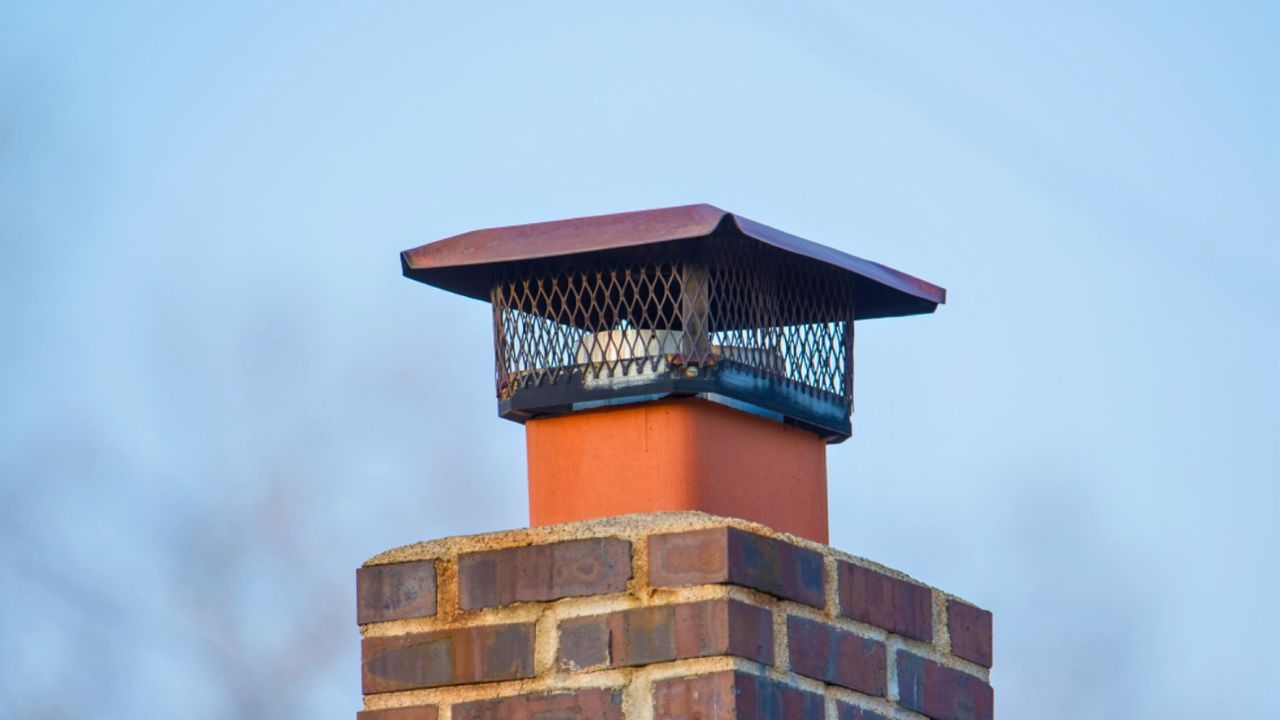
A cap keeps out rain and critters, but the mesh can clog with soot, creosote flakes, or even a layer of wet leaves. In winter, a screen can ice up during a long, smoky start and the draft goes soft fast. The fireplace will act fine for a few minutes, then suddenly burp smoke back at you.
If you can safely see the cap from the ground with binoculars, look for black crust on the screen or obvious debris. Cleaning or replacing a cap is a roof job, so if you’re not steady up there, pay someone. The service call hurts less than a fall, and a blocked cap can also push carbon monoxide back inside.
4. Creosote Buildup Narrowing The Flue
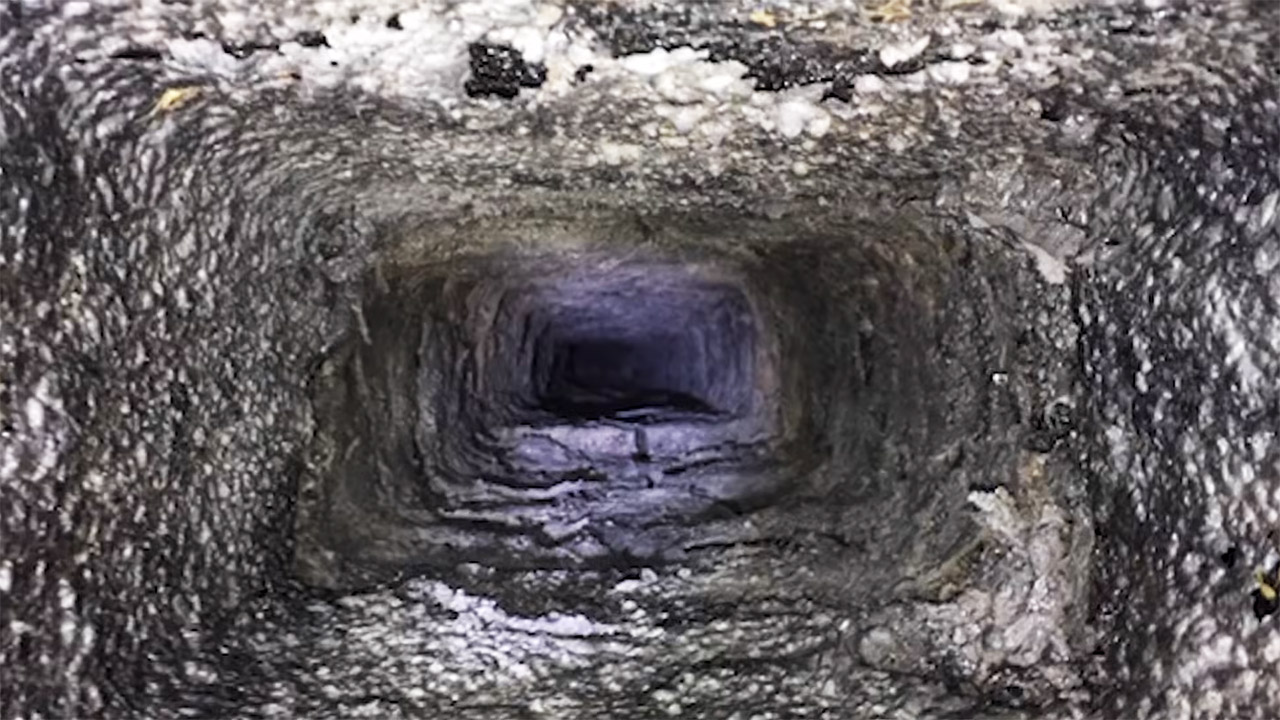
Creosote isn’t just a chimney fire risk, it also shrinks the flue and slows the exhaust. A flue that’s narrowed by crunchy buildup can’t move enough air when you first light up, so smoke takes the easiest path, which is into the living room. You’ll often see lazy, dark smoke and a fire that seems to struggle for air.
Get the chimney inspected and cleaned on a schedule that matches how you burn. If you burn every day, once a year is the bare minimum and mid-season cleanings aren’t crazy. Burn dry wood and run hotter fires; long, smoldering burns make more creosote and give you more smoke problems.
5. Negative Pressure From Fans And Appliances
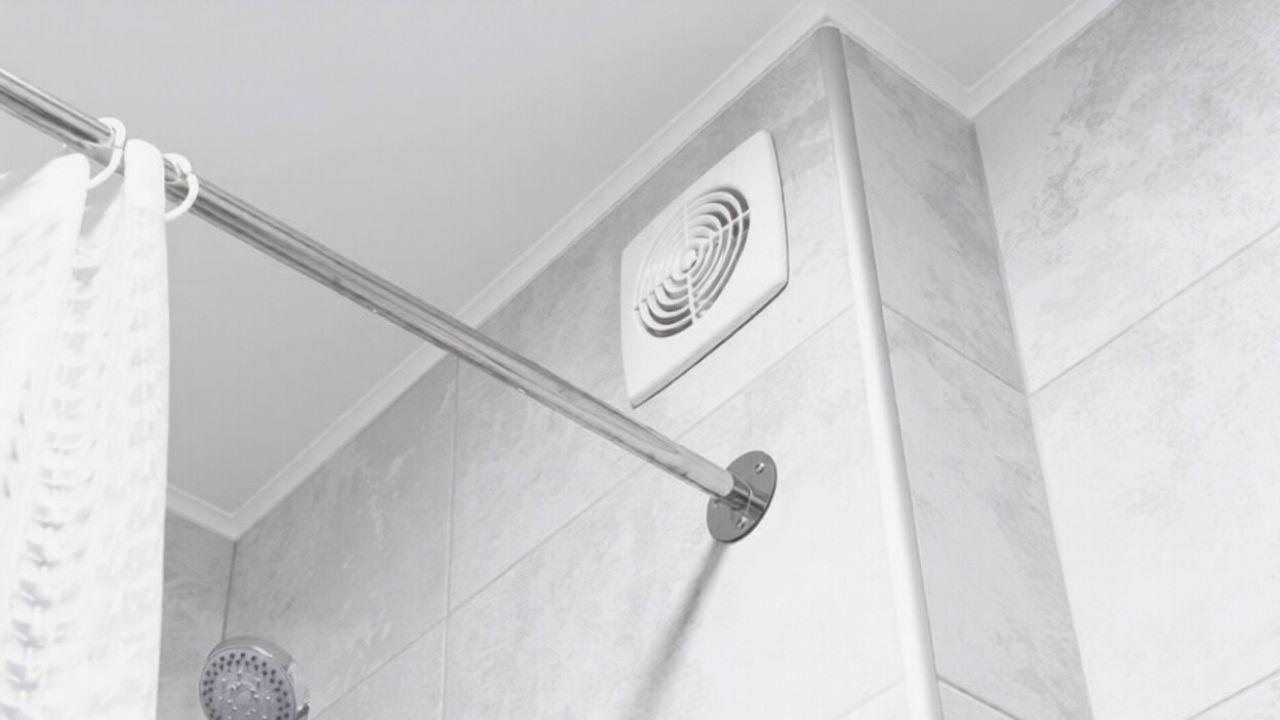
Kitchen range hoods, bathroom fans, clothes dryers, and some HVAC setups can pull so much air out of the house that the fireplace becomes the makeup air path. You light a fire, then someone turns on the hood to fry bacon, and smoke starts drifting down the chimney. Tight houses and remodeled homes show this more than drafty old farmhouses.
Try a simple test: before lighting, crack a nearby window an inch and see if the fireplace behaves better. If it does, you’ve got an air balance issue, not a fireplace “mystery.” The fix can be as small as adding an outside air kit where allowed, or as serious as having an HVAC pro check pressure zones and ventilation, especially if you’ve got fuel-burning appliances.
6. Burning Wet Wood Or Trash
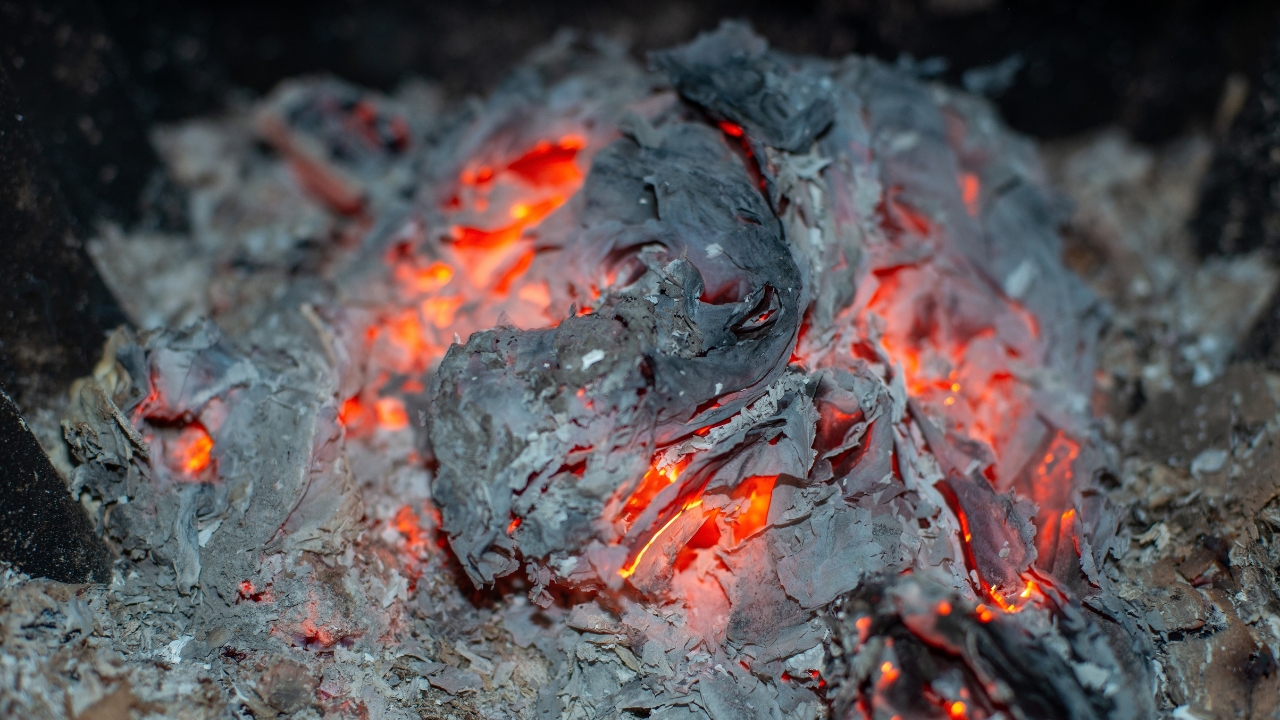
Wet wood hisses, steams, and makes a lot of cool, heavy smoke that doesn’t want to rise. Trash, glossy paper, and cardboard can also flood the firebox with smoke before there’s enough heat for a strong draft. You end up “feeding” the problem with more kindling, and the room gets the worst of it.
Split and stack firewood off the ground with a cover on top, then give it time. If you don’t own a moisture meter, buy one, they’re a few bucks and they settle arguments fast. The cheap exception is this: plain newspaper for starting is fine, as long as you’re not crumpling up a whole week’s worth and smothering the flue with startup smoke.
7. Fire Built Too Close To The Opening
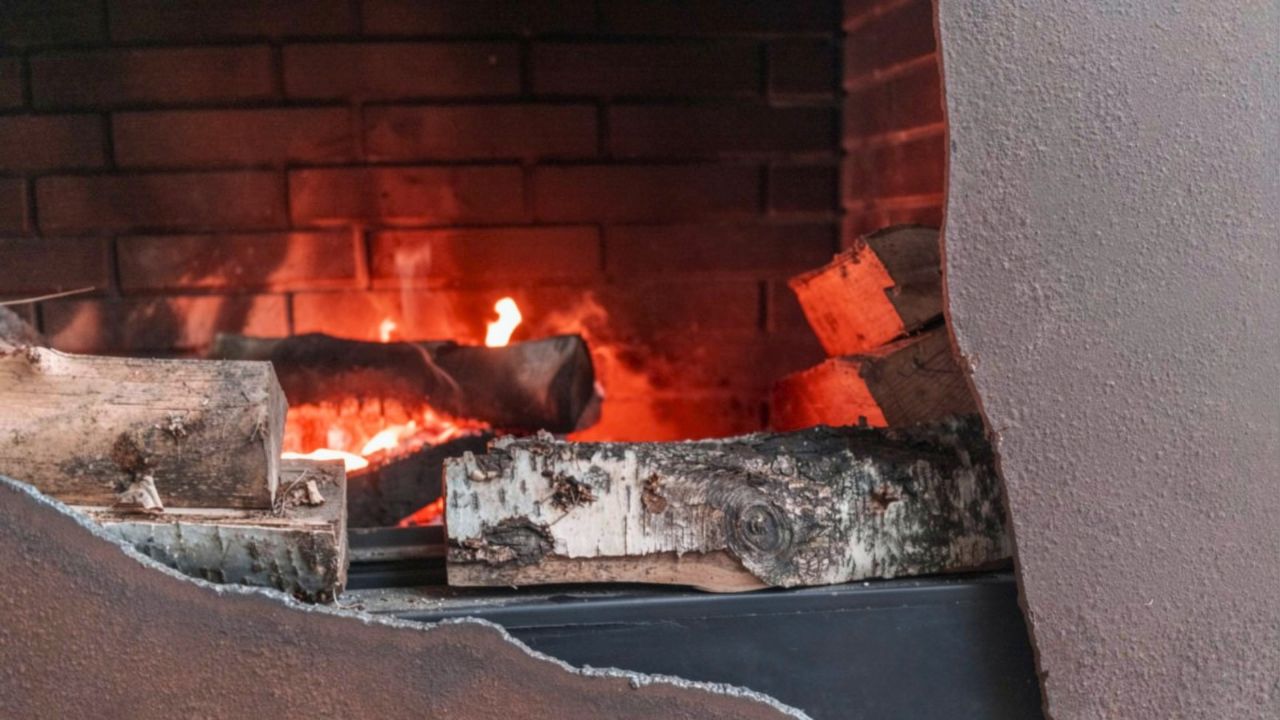
Big logs shoved forward look cozy, but they’re hard on draft. The closer the flames and smoke are to the room side of the firebox, the easier it is for the smoke to spill out when someone walks past or a door shuts. This gets worse with shallow fireboxes and fireplaces that were built more for looks than heat.
Start and keep the fire toward the back, and use a grate that positions the wood where it belongs. If your hearth is undersized, use smaller splits and build a tighter fire instead of a wide one. A fireplace is not a bonfire pit, and treating it like one is a fast way to smoke out the house.
8. Wind And Weather Pushing Smoke Down
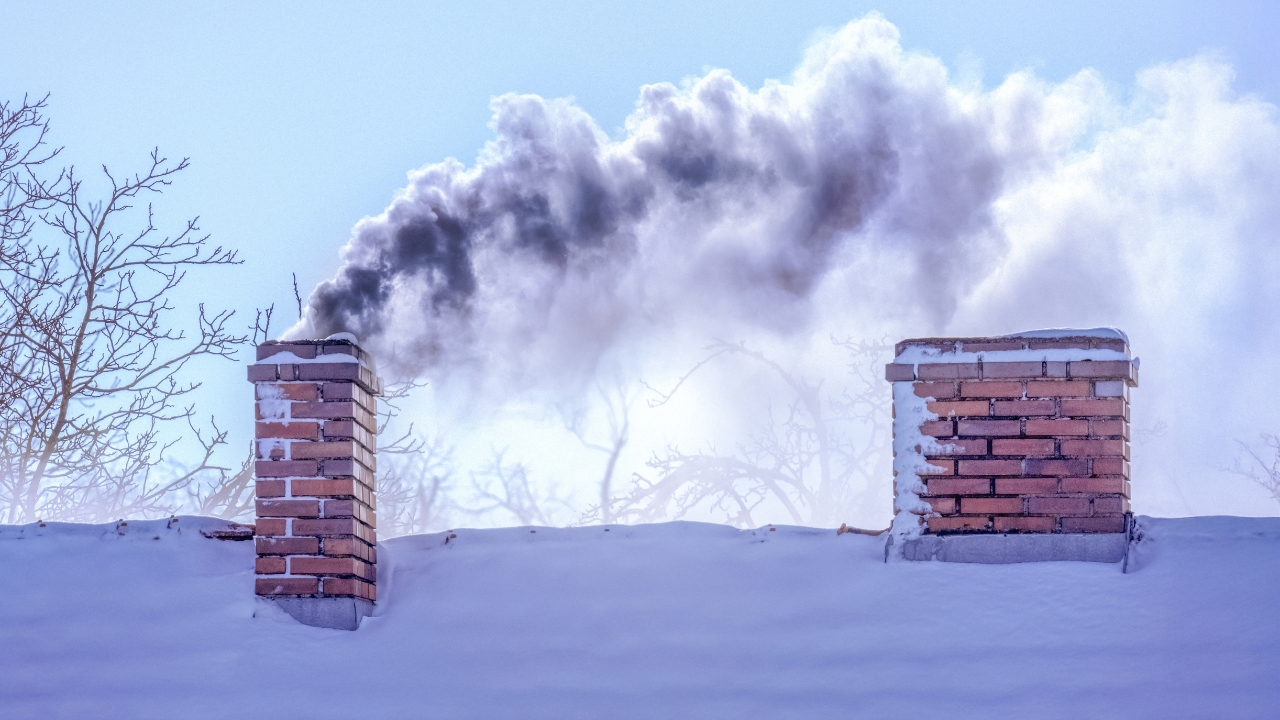
Some days are just bad chimney days. A strong wind can hit the top of the chimney at the wrong angle and drive air down, or it can create a swirling eddy that cancels your draft. A warm spell after a cold snap can do it too, because the temperature difference that powers draft disappears.
If the forecast is gusty, keep the fire smaller and hotter, and avoid long, smoky startups. A better chimney cap can help with wind, but not every “anti-downdraft” cap is worth the money. If smoke problems happen only on specific wind directions, a chimney pro can suggest cap styles or height changes that match your roofline.
9. Flue Too Short Or Poorly Sized
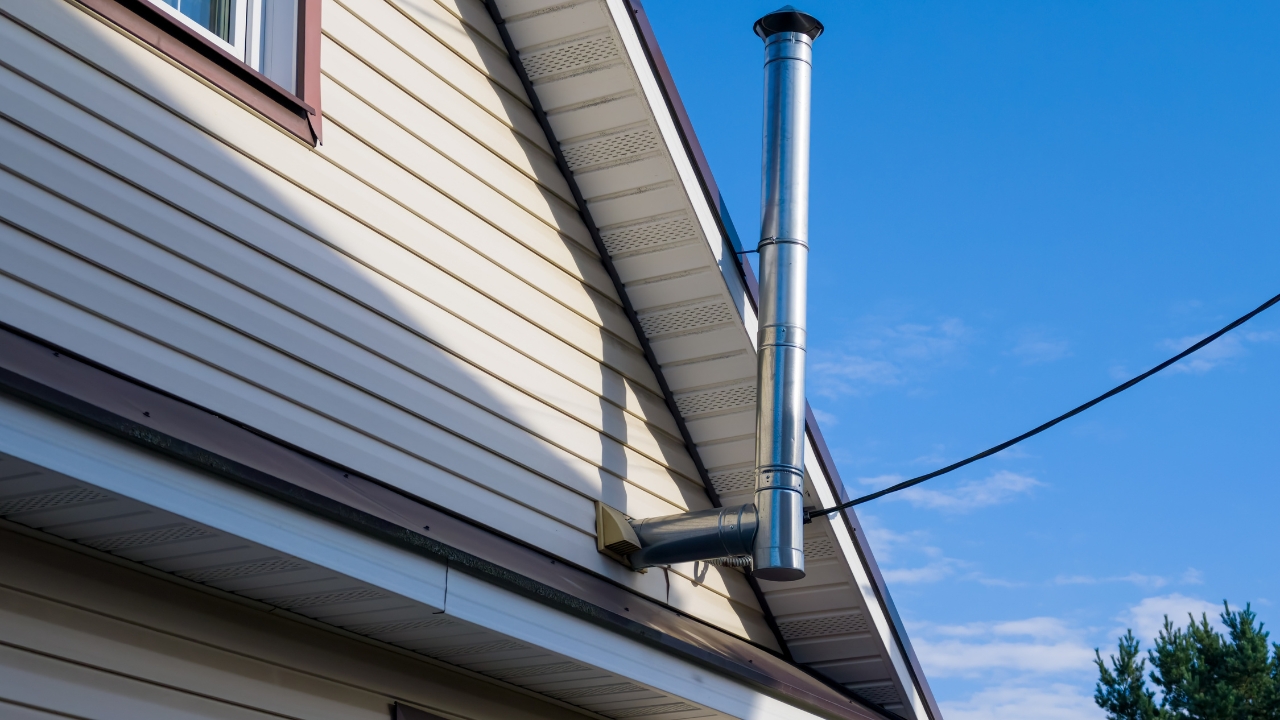
If the chimney is too short, or the flue size doesn’t match the firebox opening, you’ll fight smoke forever. This shows up in add-on rooms, basement fireplaces, and old remodels where the masonry stayed but everything else changed. You can do everything “right” and still get smoke roll-out.
Skip the guesswork and pay for an inspection from someone who understands draft sizing, not just sweeping. Fixes can mean adding height, relining, or changing the damper setup, and those are not casual DIY projects. Local codes come into play fast, and that’s one place you want the paperwork clean for resale.
10. Blockage From Birds, Nests, Or Fallen Masonry
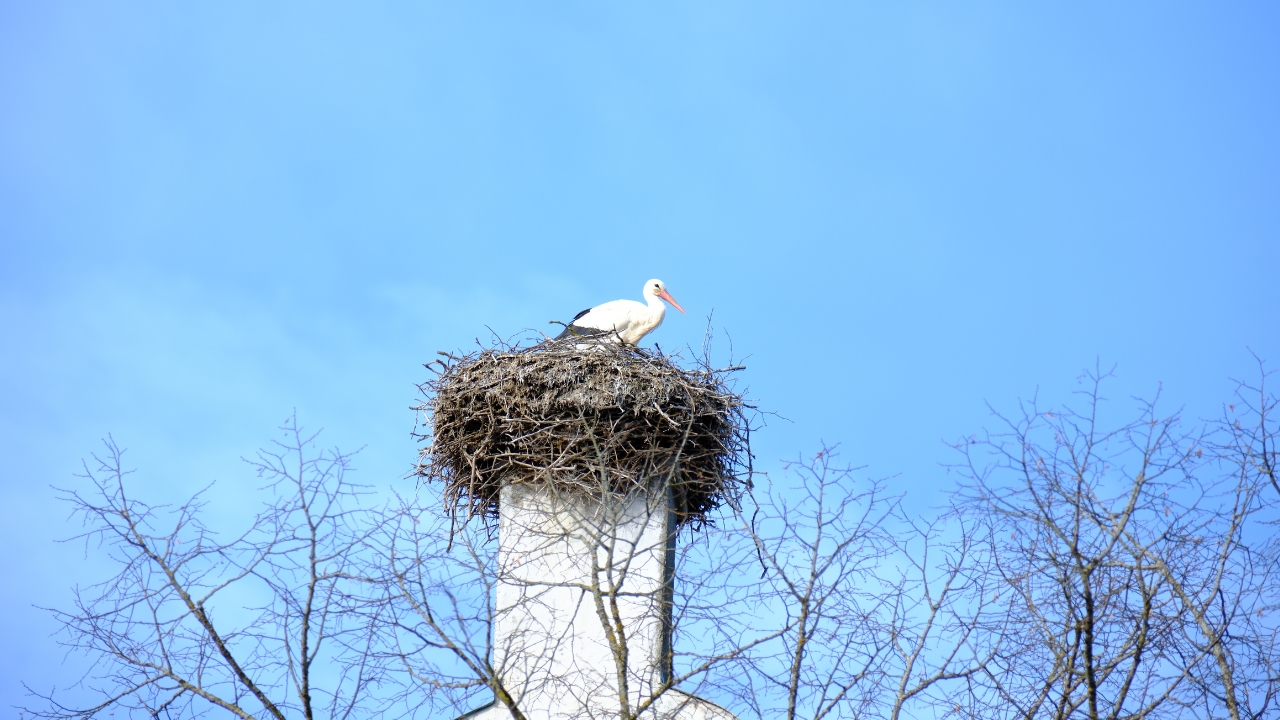
If the smoke problem starts suddenly after months of good burns, think blockage. Birds can build a nest shockingly fast, and bits of old clay tile or mortar can drop and wedge in a tight spot. You’ll sometimes smell a musty, animal odor when you open the damper, even before lighting.
Don’t light another fire until the chimney is checked and cleared. A nest can burn, and broken tile can cut off the flue enough to dump smoke and gases back into the room. This is also a good reason to have a proper cap in the first place.
If you’re troubleshooting and you ever get headaches, nausea, or the smoke smells “different” than normal wood smoke, stop using the fireplace and get the house aired out. Working carbon monoxide alarms are non-negotiable around any solid-fuel fire. Once the draft is steady, a fireplace should pull smoke up and away without you babysitting it.
Like Fix It Homestead’s content? Be sure to follow us.