10 Porch Details That Make a House Look Expensive
Photo credit: Photos By The Owl/Shutterstock.com
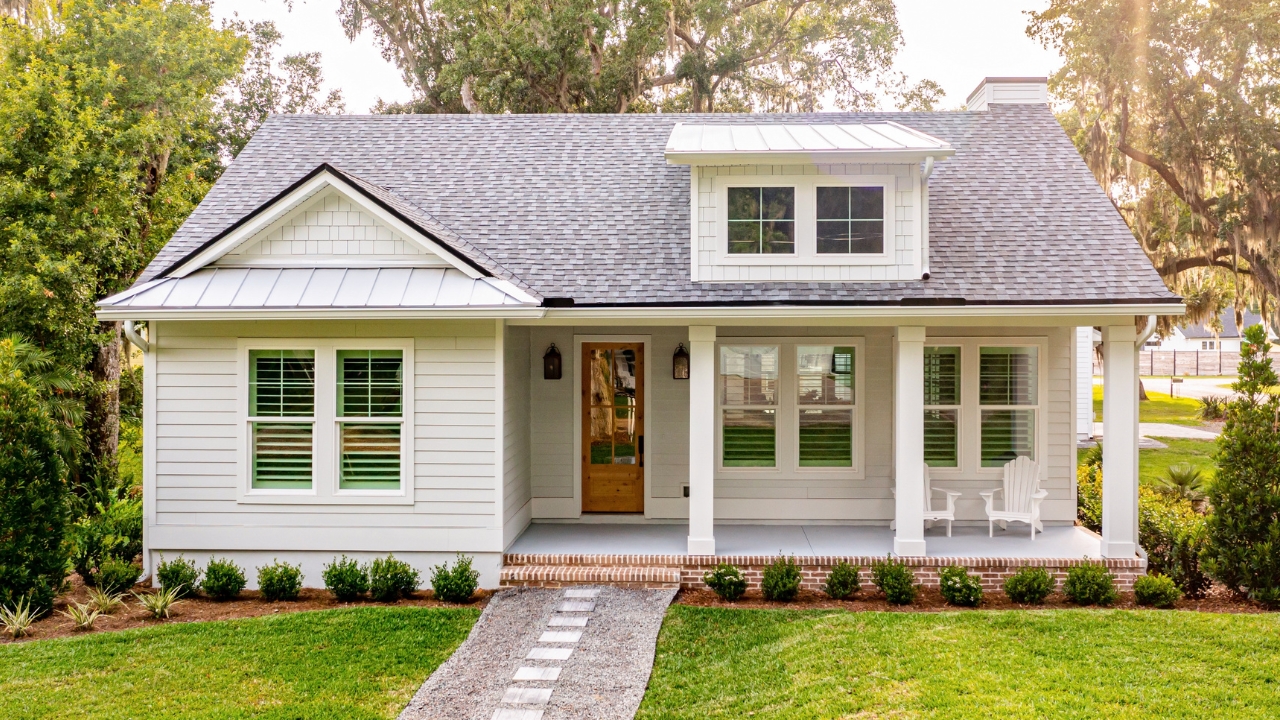
A porch is where every flaw gets a spotlight. You see it in hard sun, in porch-light glow, and from the road while you’re still rolling up the driveway. The good news is you don’t need fancy materials, you need clean lines, solid finishes, and a few details that hold up to weather.
1. Straight, Solid Steps With Even Rises
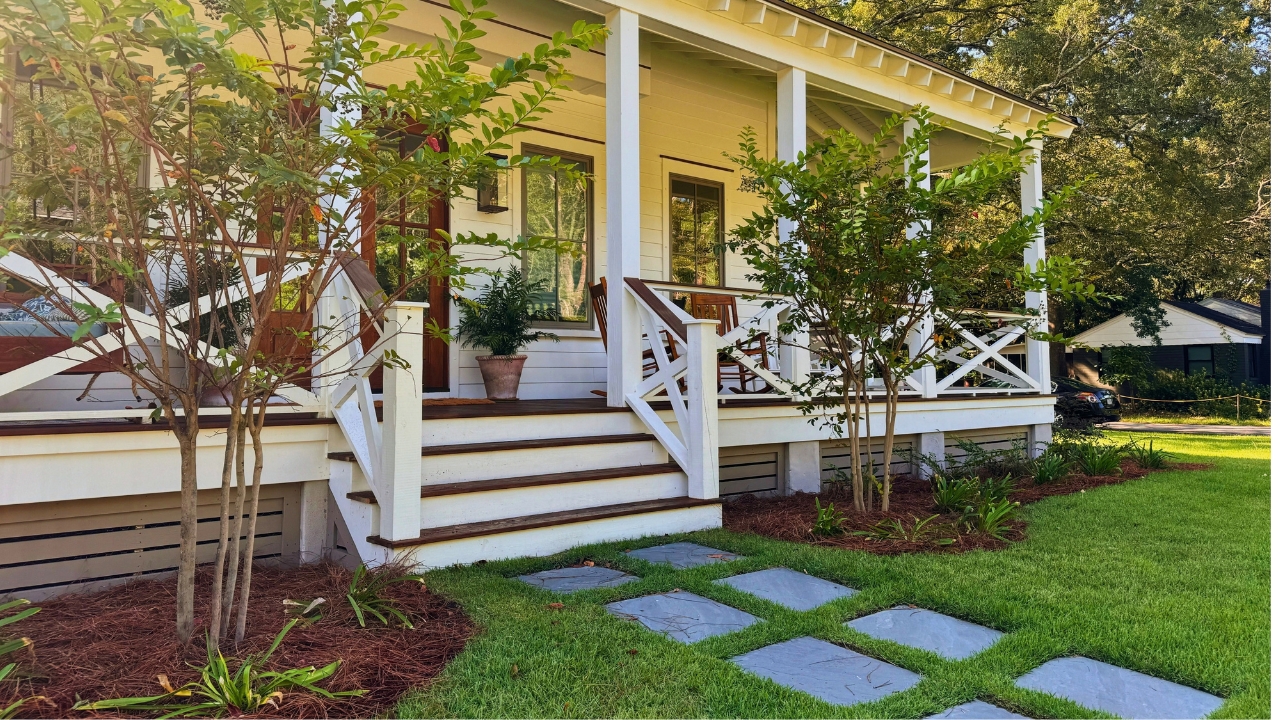
Nothing makes a place look cheaper faster than porch steps that feel spongy, sag in the middle, or have one weird tall step that trips people. Besides looking rough, uneven rises are a real fall risk, especially when you’re carrying groceries or when ice hits.
Check for bounce by standing on the edge and rocking your weight. Tighten what you can, but if stringers are cracked or the landing is sinking, that’s rebuild territory. A simple set of properly cut stringers, solid treads, and square risers reads “well built,” even if the materials are basic pressure-treated lumber.
2. A Real Porch Light, Not Glare
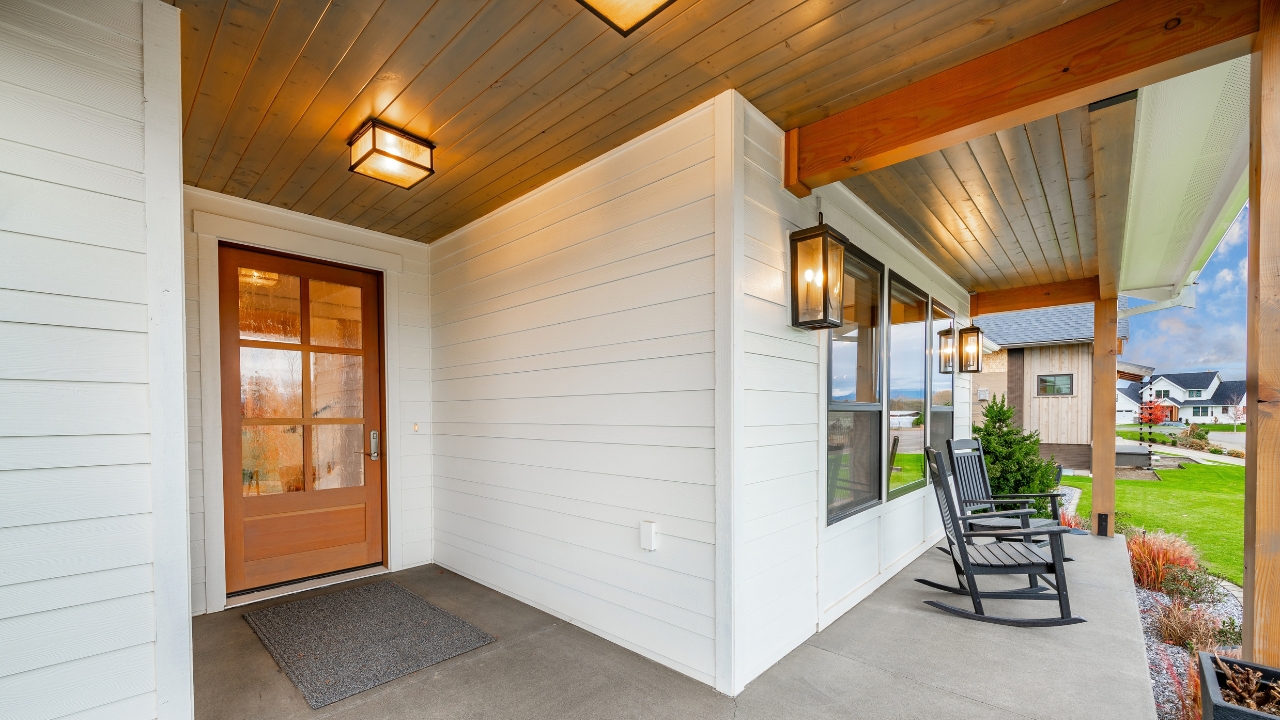
Those builder-grade glass domes and ultra-bright bare bulbs throw harsh light, create shadows, and make every cobweb look like a crime scene. Good lighting looks calm and intentional, and it keeps you from fumbling for keys.
Swap to a fixture sized for the door area, then use a warm LED bulb so faces don’t look ghosty. If the porch is used a lot, add a dusk-to-dawn bulb or a motion sensor switch, but don’t point a motion floodlight straight at the street. If you see cracked insulation, a loose box, or mystery wiring, call a licensed electrician.
3. Clean Door Hardware That Matches
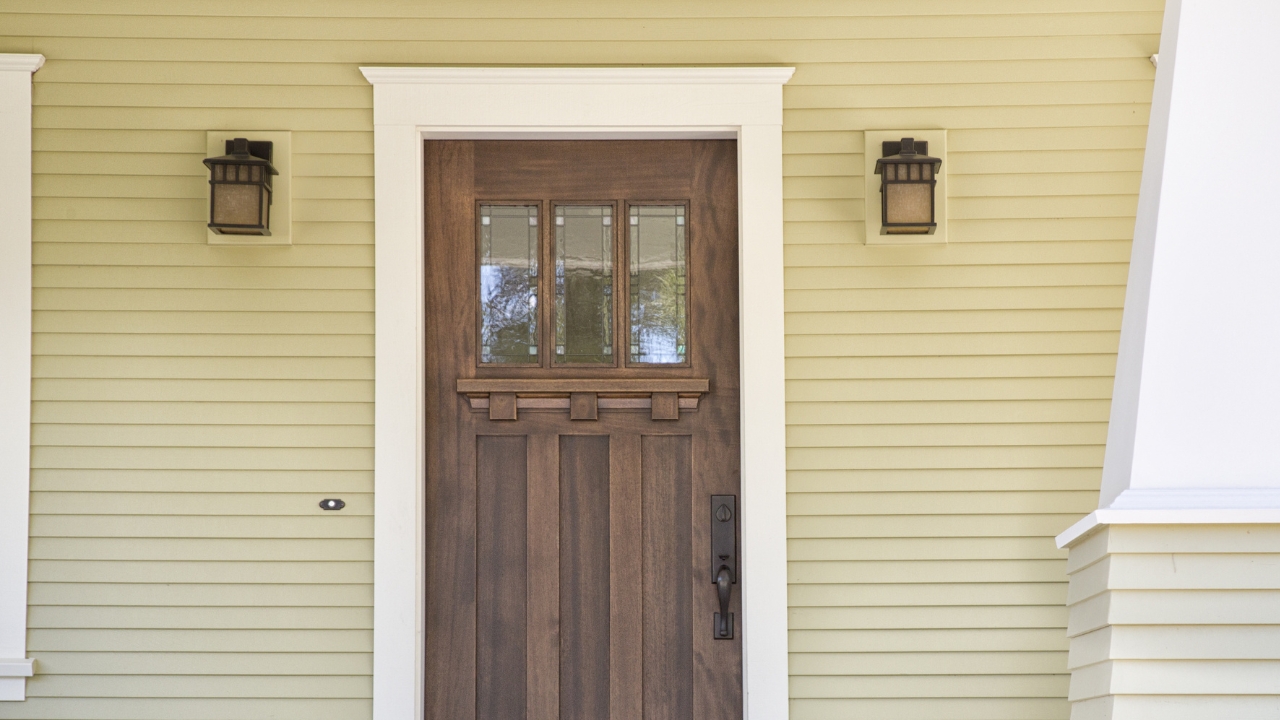
Mismatched knobs, tired brass, and a deadbolt that sits crooked make the whole entry look patched together. You touch the hardware every day, so it’s one of the fastest ways to make the porch feel “finished.”
Pick one finish and stick with it across the knob, deadbolt, and door knocker if you use one. If the latch doesn’t line up, don’t force it. Adjust the strike plate, snug the hinges, or replace a sagging hinge screw with a longer one that bites into the framing.
4. Sharp Paint Lines On Trim And Posts
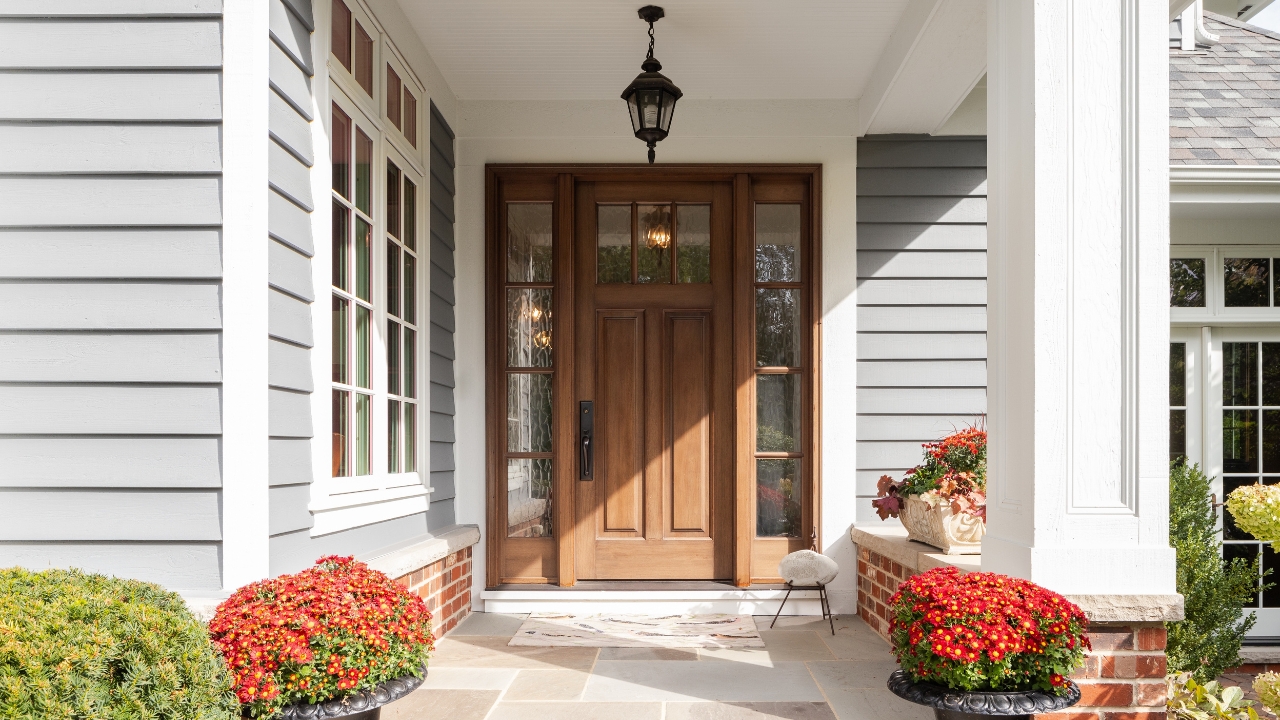
Sloppy cut-ins and peeling edges scream deferred maintenance. The funny part is that the paint itself isn’t the hard part, it’s the prep you can’t skip.
Scrape loose paint, sand the edges smooth, and spot-prime bare spots so the finish doesn’t flash. Caulk small gaps where trim meets siding, but leave the bottom of trim boards uncaulked so water can drain. Use painter’s tape only if you burnish it down and pull it before the paint fully cures, otherwise you’ll peel your “clean” line right off.
5. Railings That Feel Rigid And Square
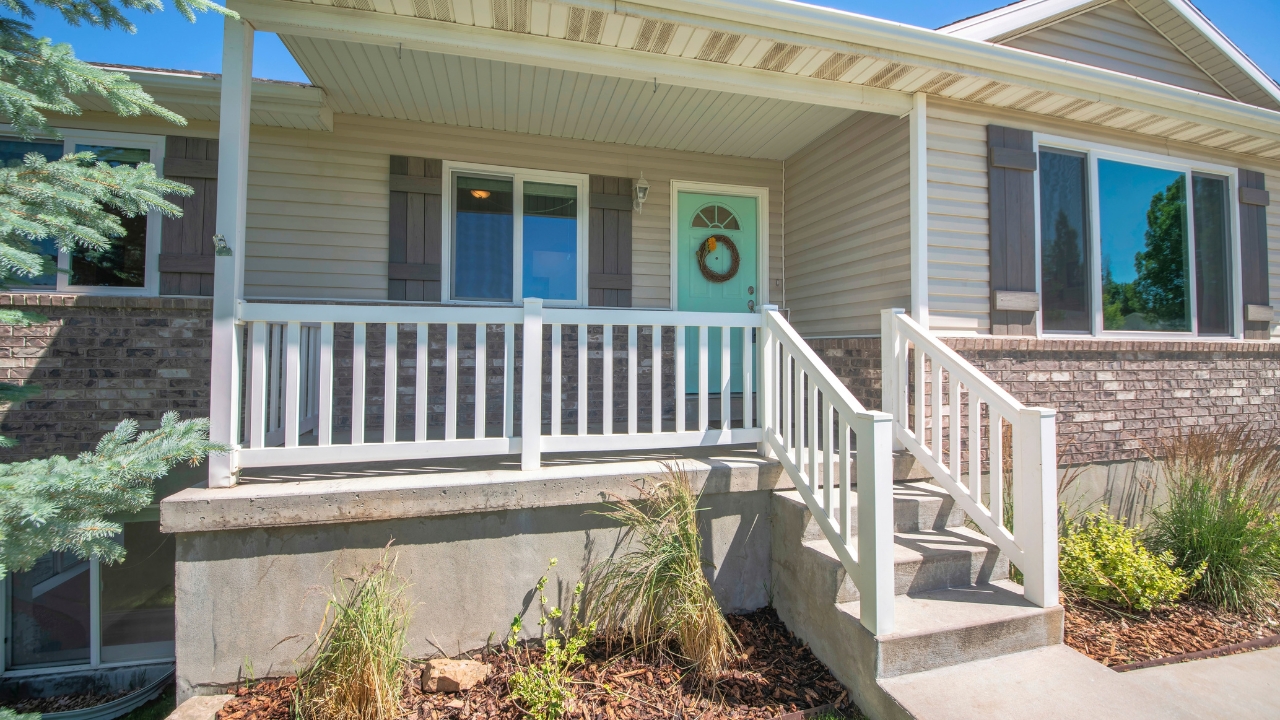
A wobbly handrail makes a porch feel flimsy, no matter how nice the house is. It also tells visitors you haven’t grabbed that rail on an icy morning, because if you had, you would’ve fixed it.
Start by tightening fasteners and adding proper blocking where posts attach. If the whole system is undersized or rotted at the base, rebuild it and follow local code for height and baluster spacing. This is one place where “close enough” is not worth it, because a rail failure is a bad day.
6. Porch Floor That Drains, Not Holds Water
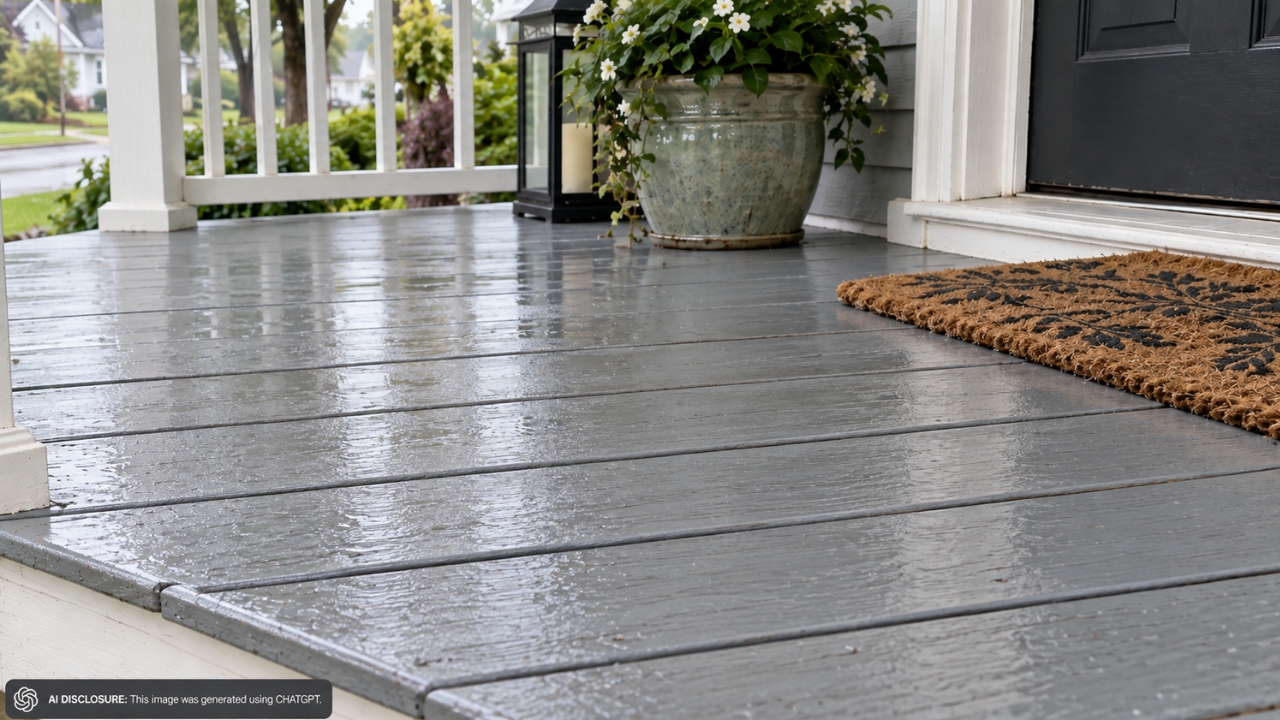
Water that sits on a porch floor stains, peels paint, and rots boards from the top down. You’ll see it after a storm, little puddles that never dry, and a dark ring where a doormat traps moisture.
Fix the obvious first, sweep grit out of gaps, clear the edge so water can run off, and keep mats that breathe instead of rubber-backed ones that seal moisture in. If boards are crowned the wrong way or the slope is wrong, that’s carpentry work, not a coating problem. Paint and porch enamel won’t save wood that stays wet.
7. Gutters And Downspouts That Don’t Splash
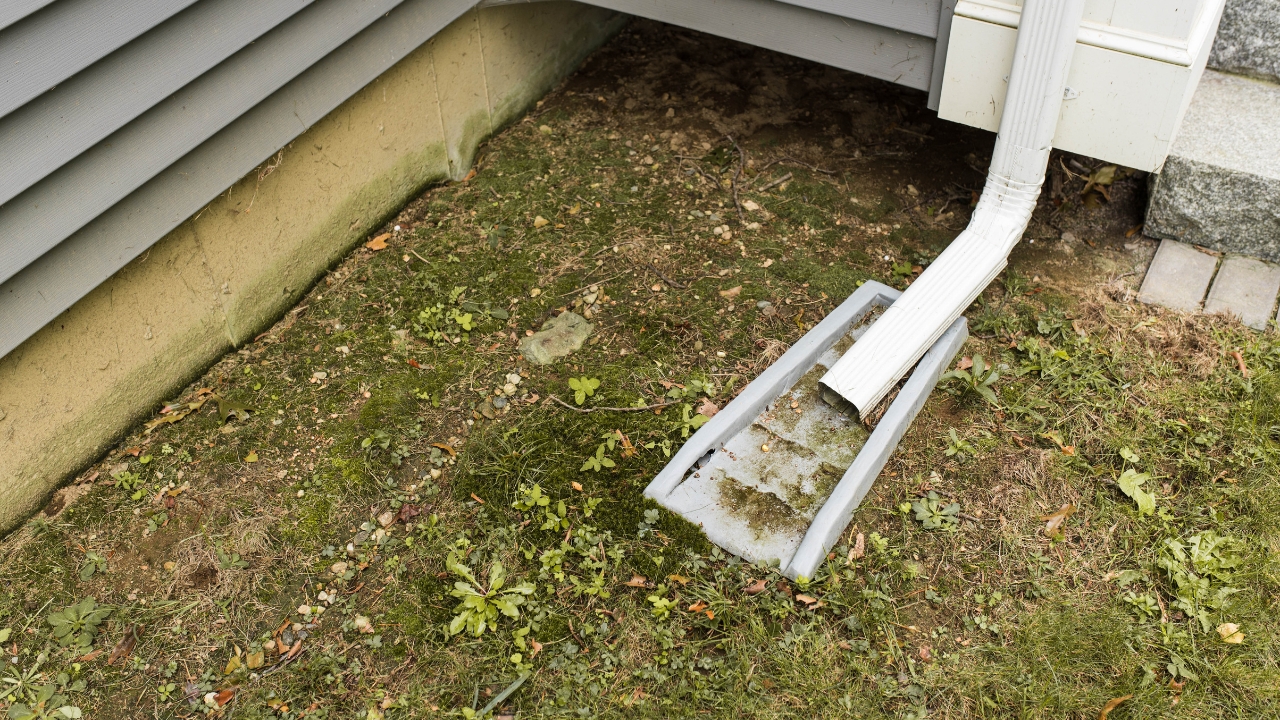
Streaked columns and muddy splash marks on the steps usually come from roof water hitting the porch like a waterfall. It beats up landscaping, spits grit onto paint, and can even undermine footings over time.
Clean the gutters, then watch the downspouts during a hard rain. Add extensions or bury a drain line to carry water away, but call 811 before any digging and check local rules if you’re tying into drainage. If the gutter is hanging low or the fascia is soft, fix the wood before you hang new metal.
8. One Good Welcome Mat, Not Clutter
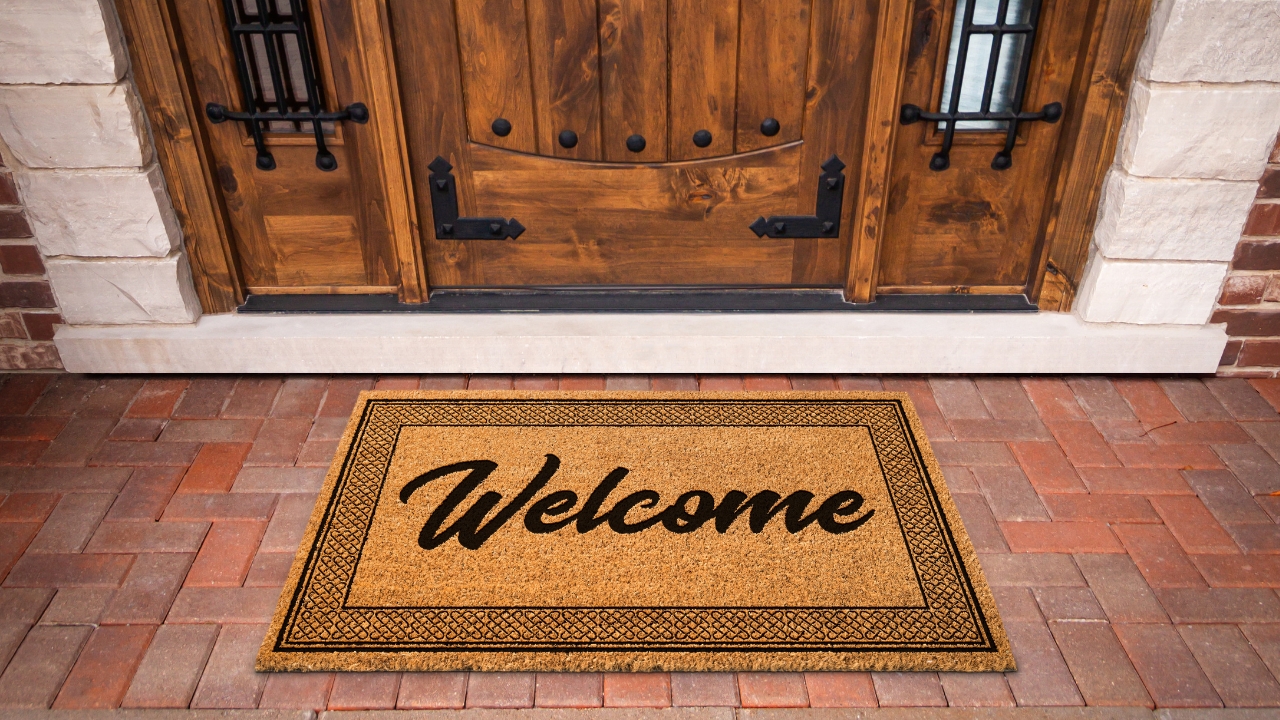
Too many mats, signs, tiny tables, and seasonal stuff turns the entry into a yard sale. The porch looks smaller and dirtier because you can’t sweep it properly.
Use one mat that’s big enough for two feet, then leave breathing room around it. Keep decor to a couple pieces that fit the scale of the porch, and store the rest. Exception: if you actually use the porch as outdoor living space, a few sturdy items are fine, just group them neatly so the door area stays open.
9. House Numbers You Can Read Fast

If emergency crews, delivery drivers, and guests can’t read your numbers from the street, the place feels neglected. It’s a small detail that signals you care, and it can save time when it matters.
Pick numbers with strong contrast against the background and mount them level. If your porch light creates glare on shiny metal numbers, swap to a matte finish or move the numbers to a spot lit from the side. A quick level check and a pencil line keeps this from looking crooked forever.
10. Planters That Look Intentional, Not Random

Dead annuals in a faded plastic pot make a porch look tired, even if everything else is sharp. On the flip side, good containers are an easy “expensive” look because they add height, color, and symmetry.
Use two matching planters or at least two that relate in color and shape, and place them where they don’t pinch the steps. Cheap plastic can be fine if it’s clean and not sun-bleached, especially if you slip it inside a nicer outer pot. Put containers on saucers or pot feet so they don’t trap water against wood decking.
Pick one porch detail to fix each weekend and keep going until the entry feels calm. Once the basics are straight, clean, and solid, even modest materials start looking like a choice instead of a compromise.
Like Fix It Homestead’s content? Be sure to follow us.