11 Builder-Grade Features That Give a House Away
Photo credit: tab62/Shutterstock.com
You can walk into a house and feel “new,” but still spot the shortcuts from ten feet away. Builder-grade isn’t always bad, but some choices age fast, look tired fast, or tell buyers the owner never upgraded a thing. If you’re fixing up to live there longer or getting ready to sell, these are the tells that give the place away.
1. Shiny Brass Everywhere
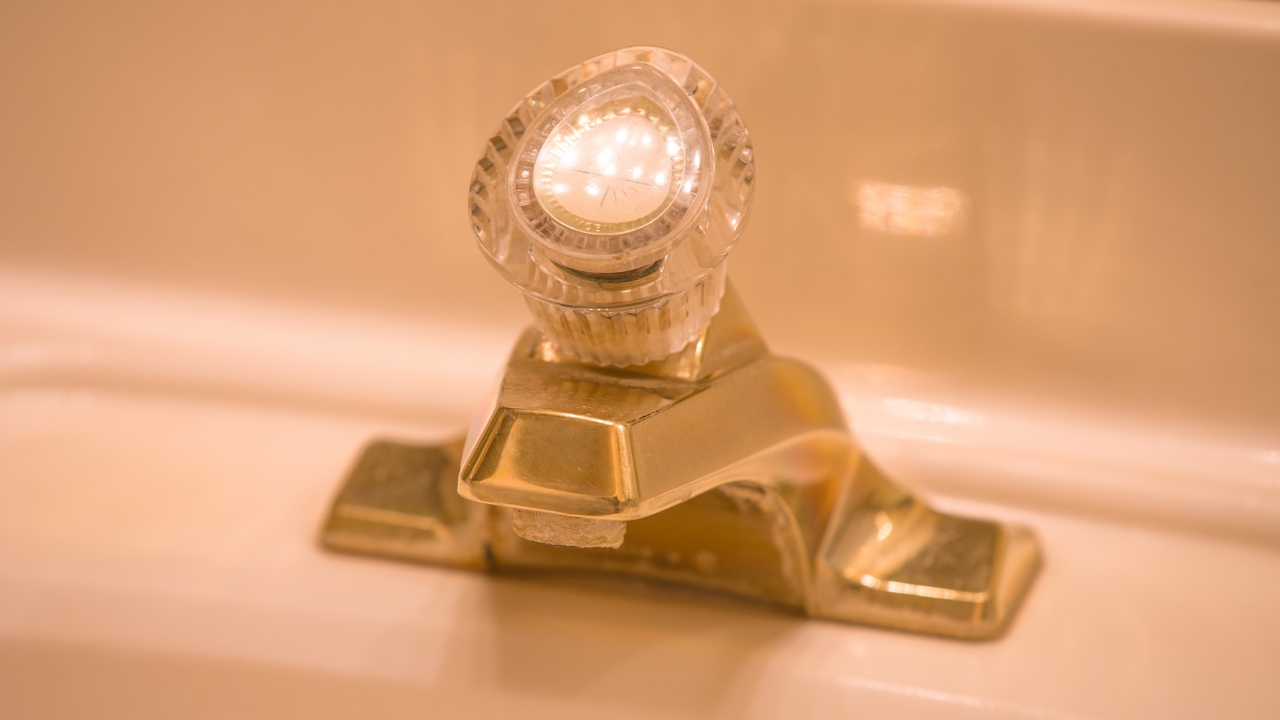
Nothing screams “1999 spec sheet” like bright brass knobs, faucets, and light trims that don’t match each other. The shine goes blotchy, the clear coat pits, and suddenly the whole room feels yellow even with fresh paint. You see it most in bathrooms where water and cleaners beat on it daily.
Pick one finish and stick to it, matte black, brushed nickel, or oil-rubbed bronze all read more current. Swap the easy stuff first: cabinet pulls, towel bars, door levers, and a faucet if you’re already changing the vanity top. Save money by keeping the same hole spacing on pulls, and don’t cheap out on faucets if your water is hard. A leaky bargain faucet turns into a weekend you didn’t want.
2. Hollow-Core Interior Doors
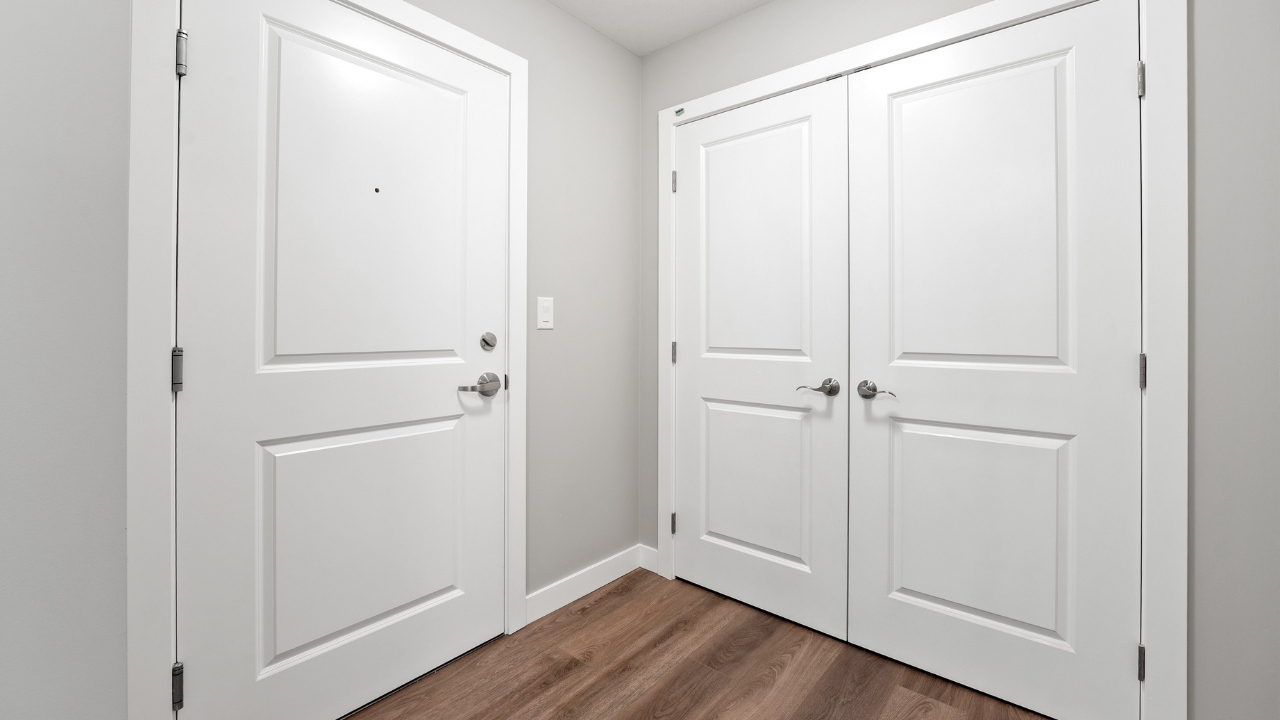
You hear these before you see them. They rattle when they shut, sound like a drum when a kid kicks them, and the corners dent from a vacuum bump. Even if the house is clean, flimsy doors make it feel like an apartment build.
If you’re staying put, solid-core slabs are worth the weight for sound and feel. For a tighter budget, keep the hollow doors but upgrade the hardware and add proper stops so they don’t get slammed into the trim. A new latch and heavier hinges won’t make them solid, but they stop some of the cheap, clacky noise.
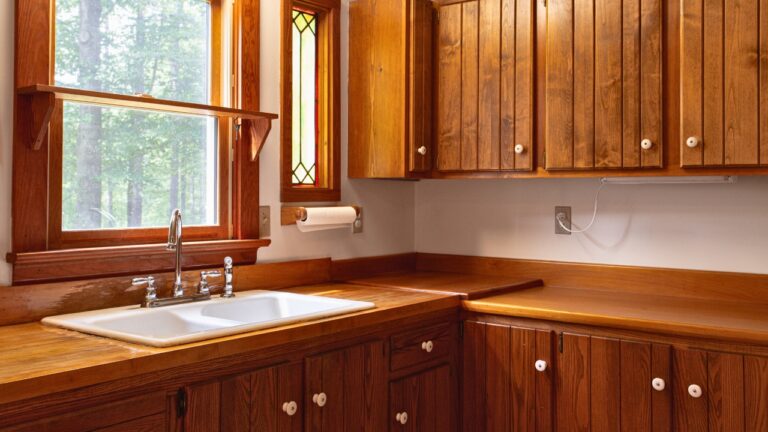
3. Glossy Oak Cabinets With Tiny Pulls
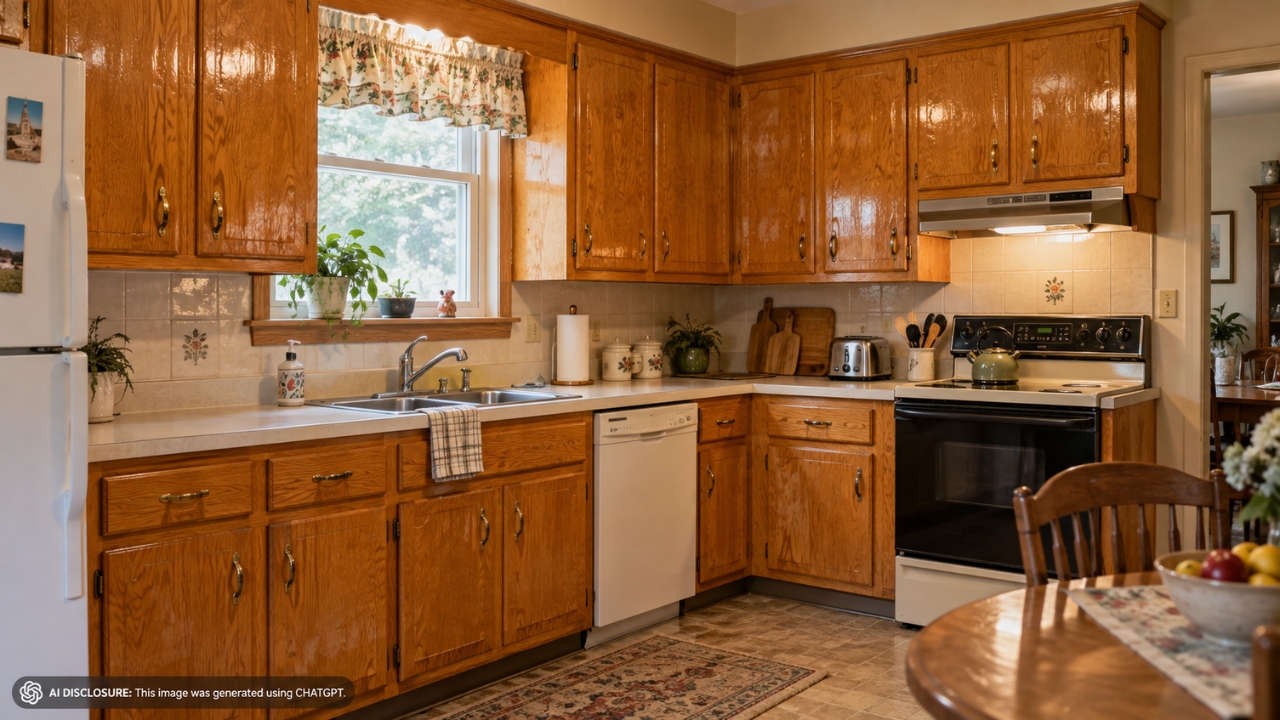
That orange-toned oak with a thick shine is a dead giveaway, especially when the pulls are the little brass “c” shape. Grease and cleaner haze makes the finish look cloudy, and the wood grain does the rest. Kitchens sell houses, so this one matters more than most.
Paint works if the boxes are sound and the doors aren’t warped. Clean with a degreaser, scuff sand, use a bonding primer, then a cabinet-grade enamel, and give it time to cure before you put the doors back. If you hate painting cabinets, swap doors only and keep the boxes, or pay a pro to spray. This is one job where paying for a clean spray finish can beat wrestling brush marks for weeks.
4. Boob Lights In Every Room
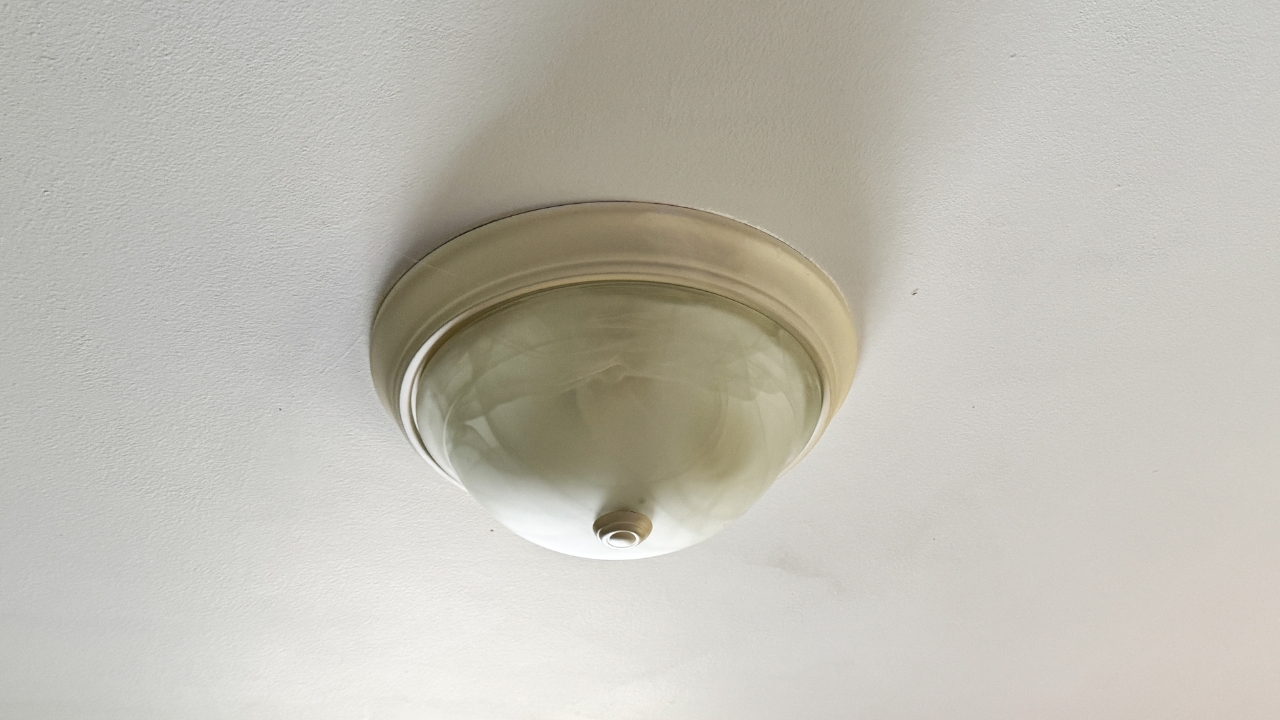
Those flush-mount dome fixtures are installed fast and they look like it. They throw harsh light, collect dead bugs, and make ceilings feel low. Bedrooms, hallways, and kitchens all end up with the same fixture, which reads like the builder bought a pallet of them.
Replacing a light is usually a simple DIY job if you’re comfortable working on a fixture box. Turn off the breaker, verify power is off, and stick to fixtures that match the box rating and location. If the wiring is aluminum, the box is loose, or you see burnt insulation, stop and call a licensed electrician.
5. Cheap White Wire Shelving
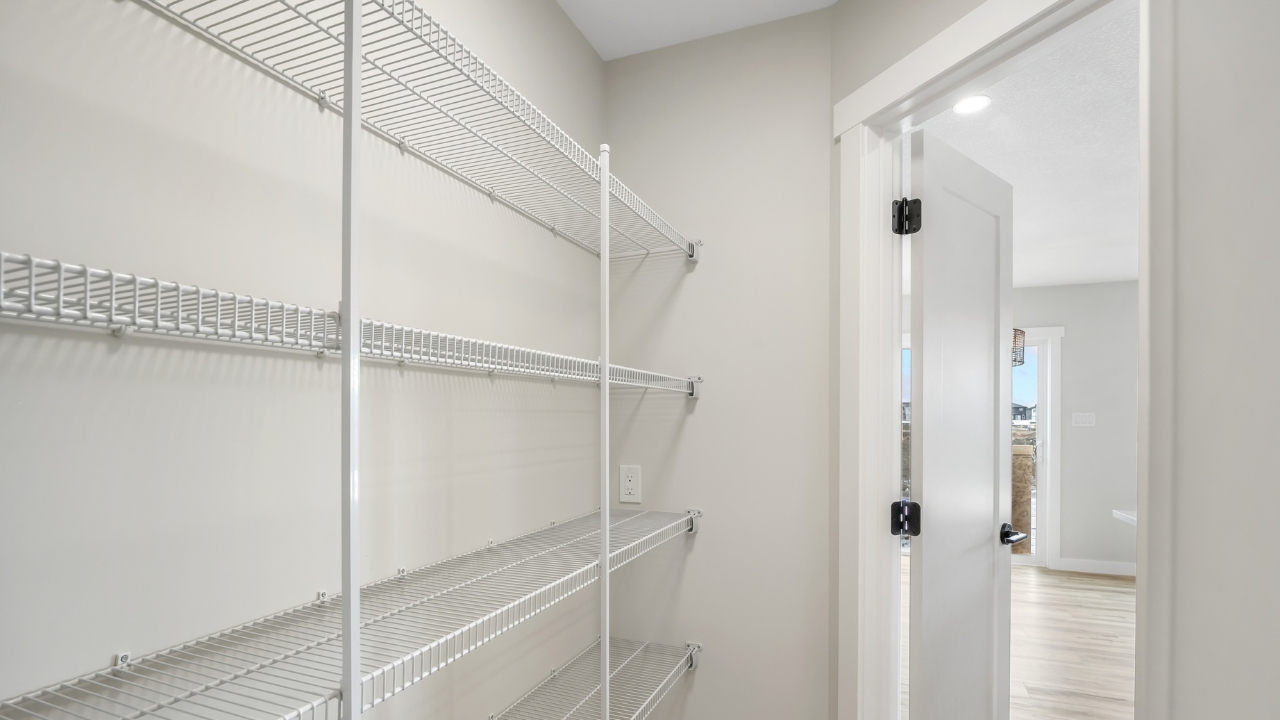
Wire shelves look fine in a model home with three matching sweaters. In real life they bend, pop out of clips, and leave dents in drywall. Pantry items tip, hangers snag, and you end up with piles on the floor.
Swap to a simple cleat-and-shelf setup with 3/4 inch plywood or prefinished boards and real brackets, anchored into studs. In a pantry, add a lip strip to keep cans from creeping forward. If you keep wire shelving, at least add support brackets every couple feet and use proper drywall anchors where studs aren’t available.
6. Baseboards With No Caulk Gaps
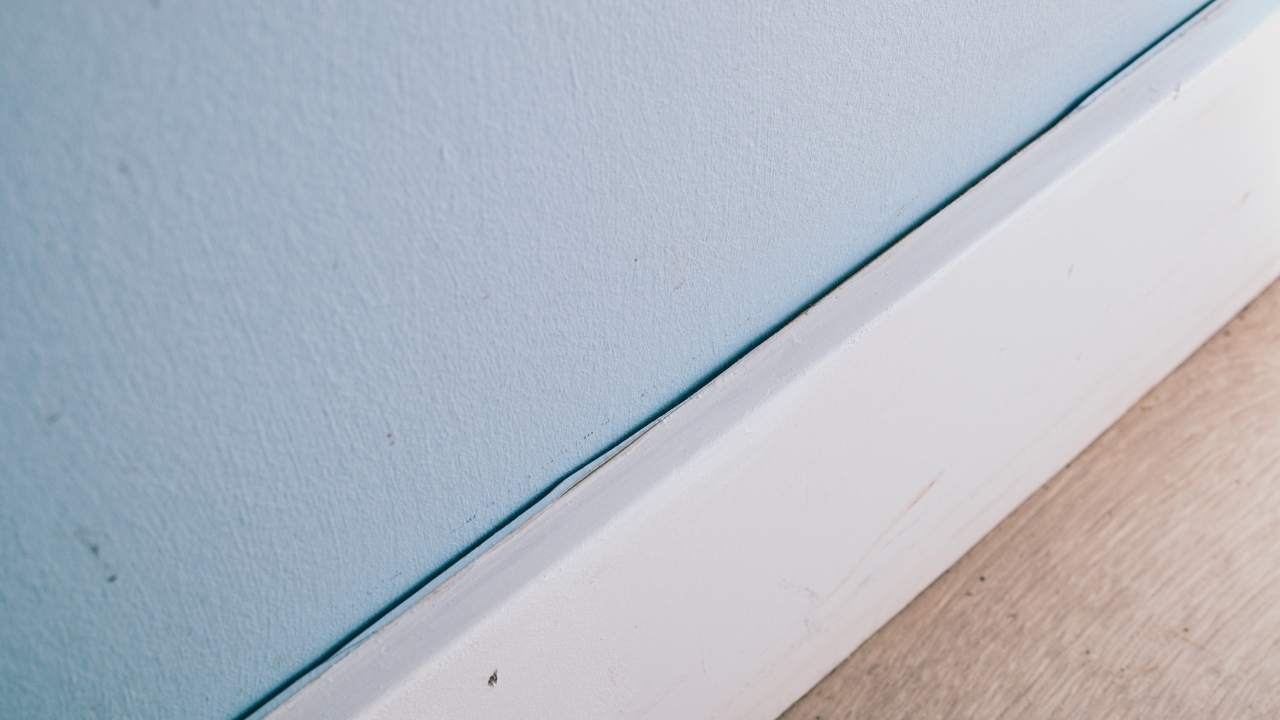
Builders move fast, and trim is where speed shows. You see shadow lines at the top of baseboards, open miters at corners, and nail holes never filled. Once the sun hits a wall sideways, those gaps look like a wavy outline around every room.
Fixing it is mostly prep and patience. Fill nail holes with spackle or wood filler, caulk the top edge where trim meets drywall, then repaint the trim with a semi-gloss enamel. Don’t caulk the bottom edge to the floor in wet areas where water needs a path to dry out.
7. Laminated Countertops With Dark Seams
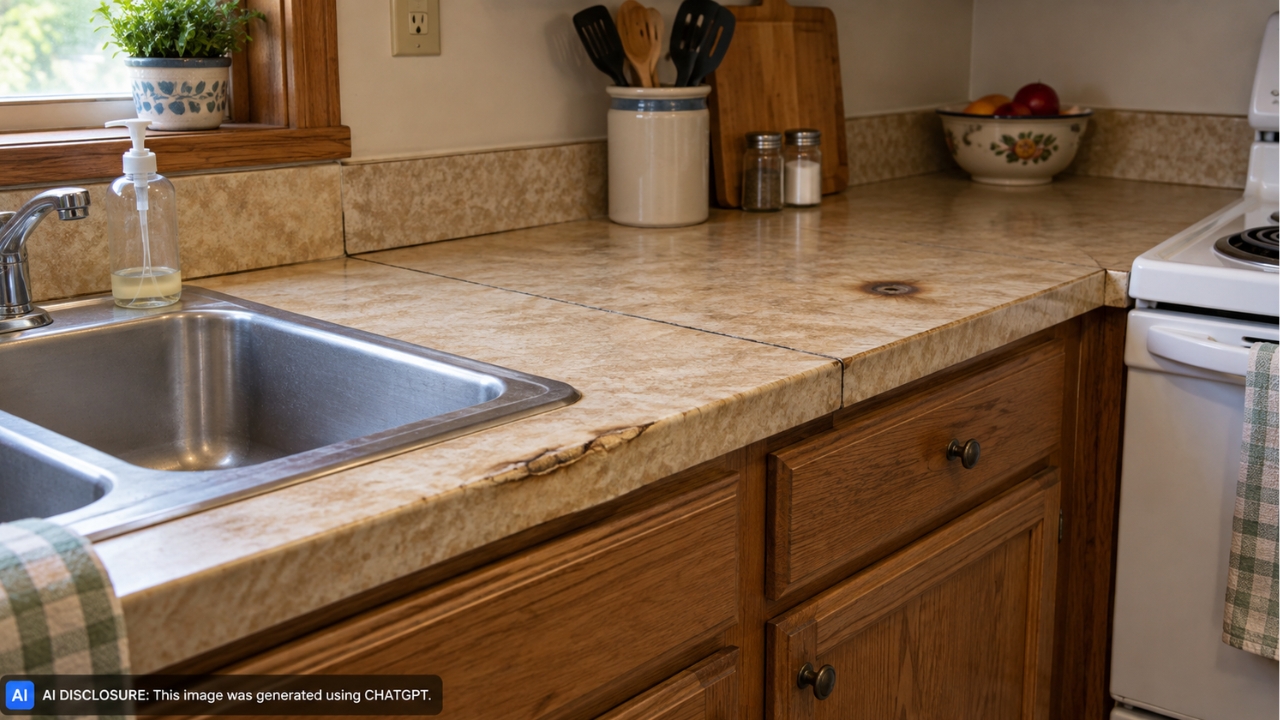
Laminate isn’t the problem, it’s the telltale seams, swollen edges at the sink, and the little burn mark from a hot pan. The backsplash strip on the back edge also dates a kitchen fast. Once water gets under the laminate, it never really dries.
If you can’t replace counters yet, reseal around the sink with a good kitchen and bath sealant and stop the swelling from getting worse. Use a cutting board and a trivet, even for “just a second.” When you do upgrade, don’t assume stone is the only grown-up option. A quality laminate with tight seams can look clean and work great, especially in a rental or a busy family kitchen.
8. Too-Short Return Air And Noisy Vents

On the first cold snap, you’ll hear it. The return grille whistles, doors slam shut when the HVAC kicks on, and some rooms never feel right. Small returns and cheap supply boots are common builder shortcuts that show up as comfort problems, not just looks.
Start with the easy checks: replace filters, vacuum registers, and make sure furniture isn’t blocking returns. If the system is undersized, ducts are leaking, or returns are in the wrong places, that’s HVAC-pro territory. A good tech can measure static pressure and tell you if you’re choking airflow, which is hard on equipment and your power bill.
9. Builder Mirrors Glued To The Wall
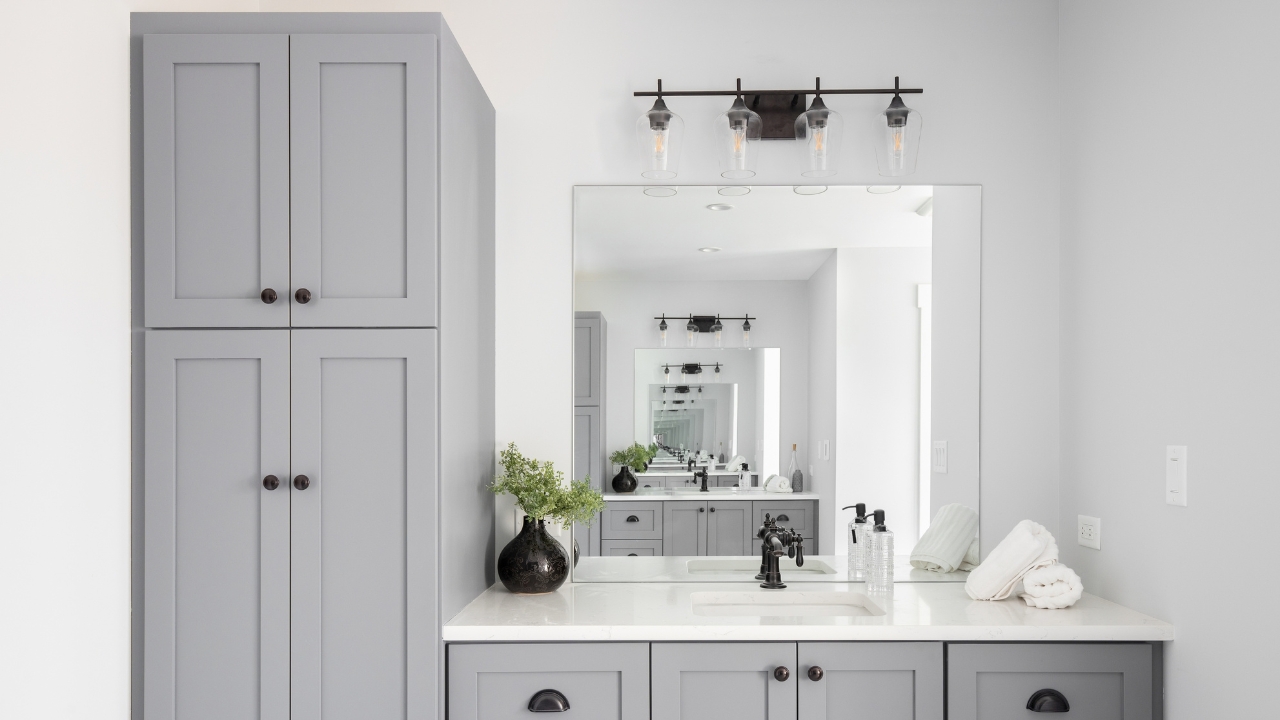
That big sheet mirror over a vanity is cheap and fast, and it reads that way. The edges stain, the corners chip, and the whole bathroom looks like a starter condo. The worst part is removal, since they’re often glued straight to drywall.
If you want it gone, plan on repairing the wall. Use proper mirror removal methods and protective gear, and don’t pry like you’re pulling trim. Many times the best path is to leave the mirror, frame it with trim, and upgrade lights and faucet first. Framing costs a few bucks and can buy you time.
10. Plastic Shower Trim And Wobbly Handles
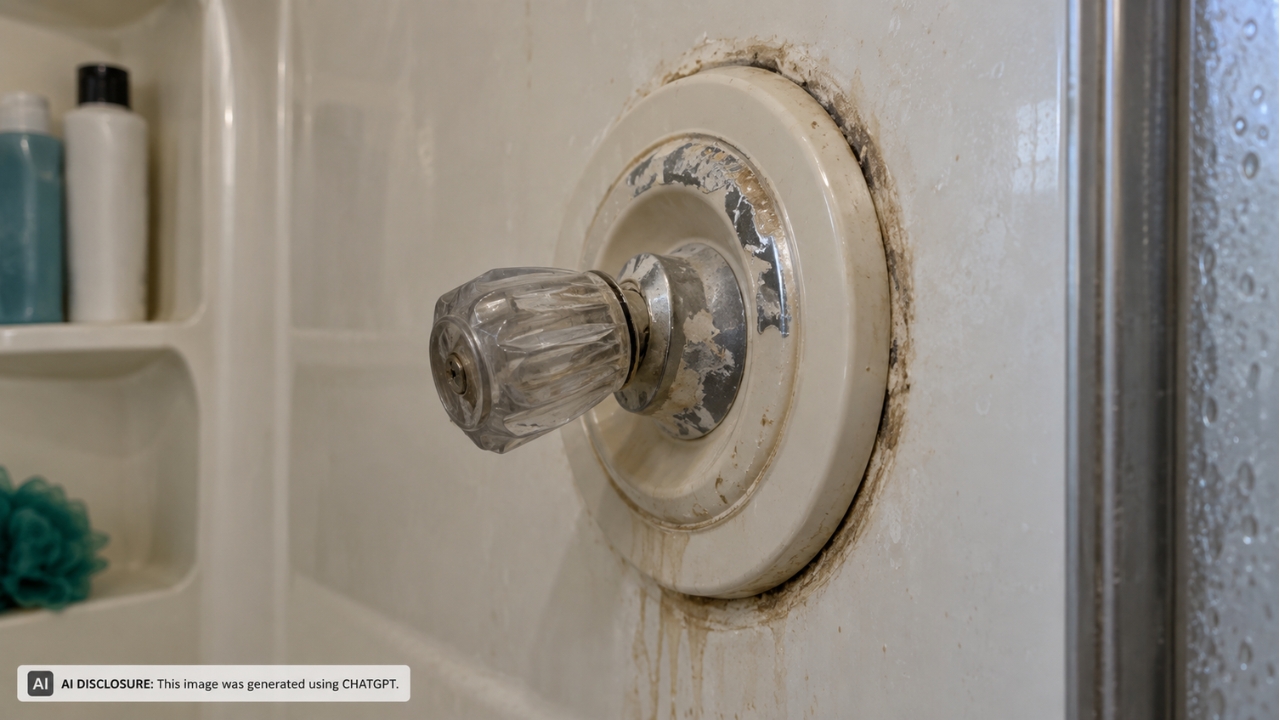
When the handle feels loose or the trim flexes, buyers assume the plumbing behind it is just as cheap. Plastic escutcheons discolor, the chrome flakes, and hard water leaves a ring that never looks clean. This shows up in photos, too, which is why it hurts resale.
Swap trim kits if the valve brand supports it, but don’t force mismatched parts. If the valve is dripping or the diverter is failing, fix the cartridge first, then upgrade the trim. Anything inside the wall is where a plumber earns their keep, especially if shutoffs aren’t working or the lines are old.
11. Flat White Paint On Every Surface
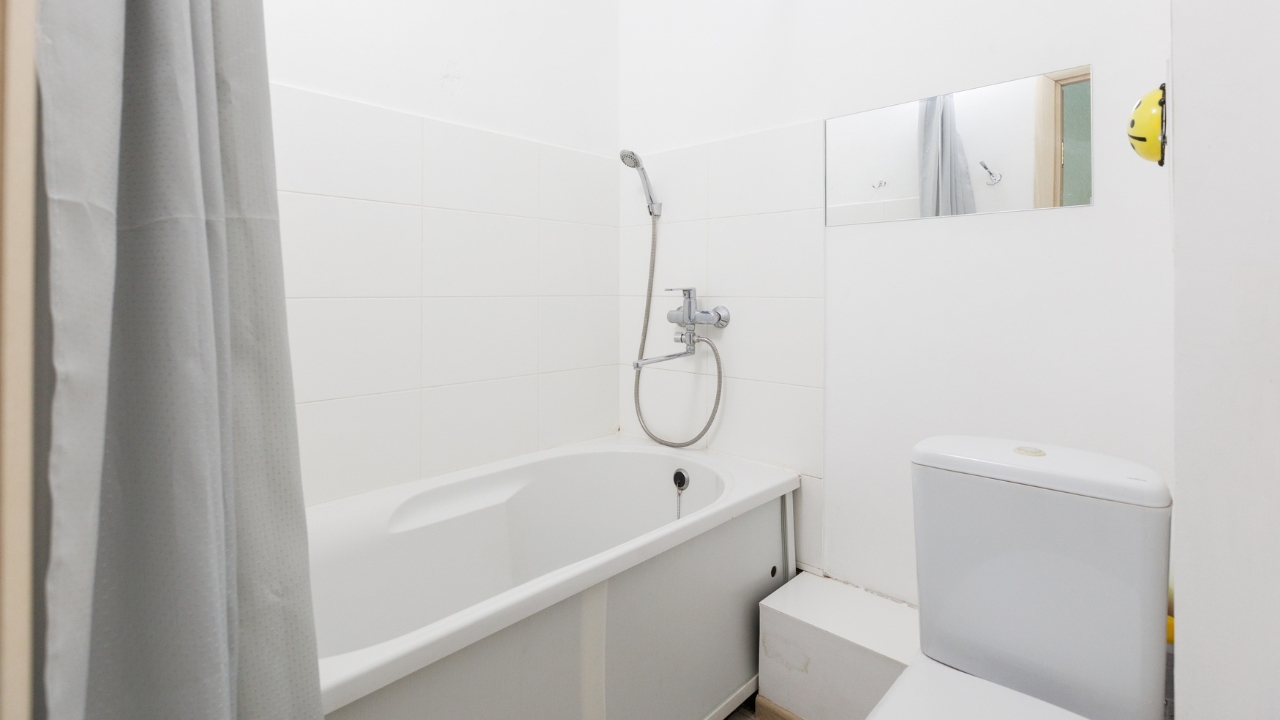
Flat paint hides wall flaws, which is why builders love it. It also scuffs if you look at it wrong, and you can’t wipe it down without leaving shiny spots. When every room is the same chalky white, the house feels unfinished.
Repaint high-traffic areas in an eggshell or satin that you can actually clean. Use a real bathroom paint or a good satin in baths and laundry rooms so steam doesn’t turn walls into a blotchy mess. Keep ceilings flat, though, flat is fine up there and it helps hide imperfect drywall.
Pick two or three of these and knock them out over a couple weekends, starting with the ones you see and touch every day. Small upgrades land best when they’re consistent, so match finishes, clean up trim lines, and fix anything that rattles, whistles, or wobbles. A house doesn’t need to be fancy to feel solid.
Like Fix It Homestead’s content? Be sure to follow us.