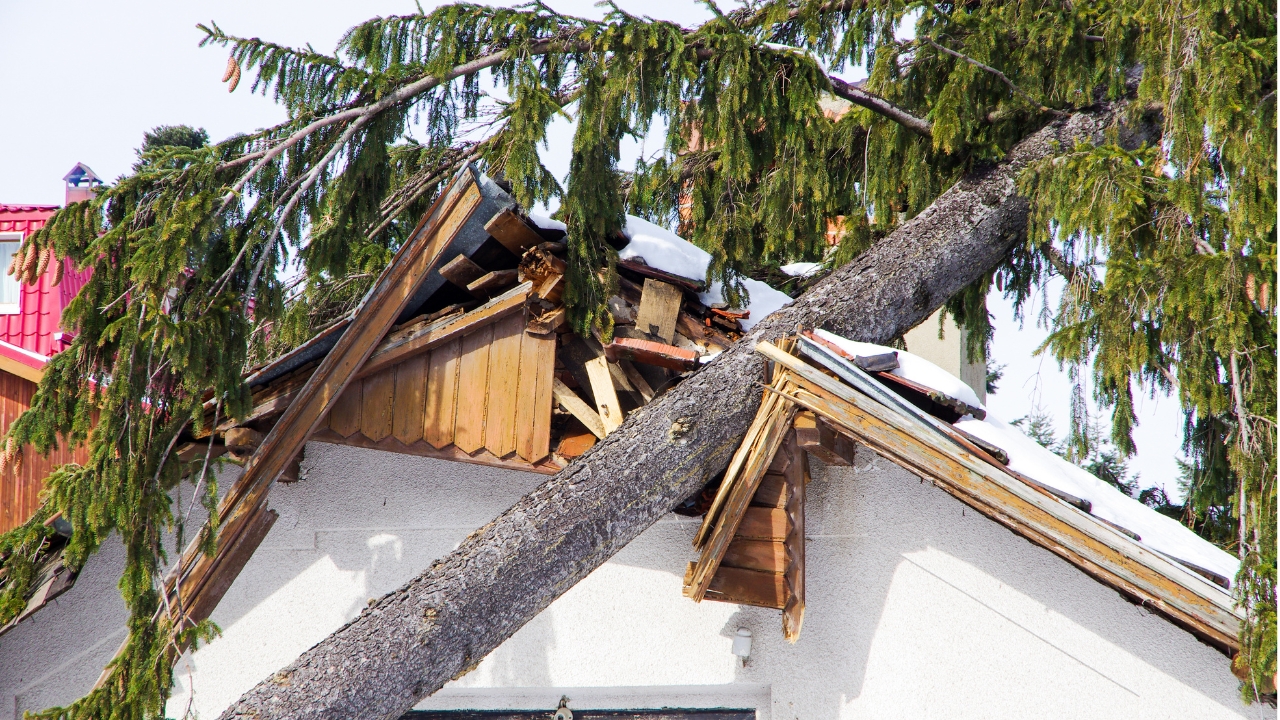
10 Trees That Fall on Houses Most Often in Storms
Photo credit: Nenad Novacic/Shutterstock.com
Storm cleanups are always the same story, a loud crack in the wind, then a new “sky window” in the roof or a crushed gutter line. The trees that hit houses most often aren’t always the tallest. They’re the ones that grow fast, rot from the inside, or hold onto a lot of sail area when the gusts come.
1. Mature Silver Maple Near The Roofline
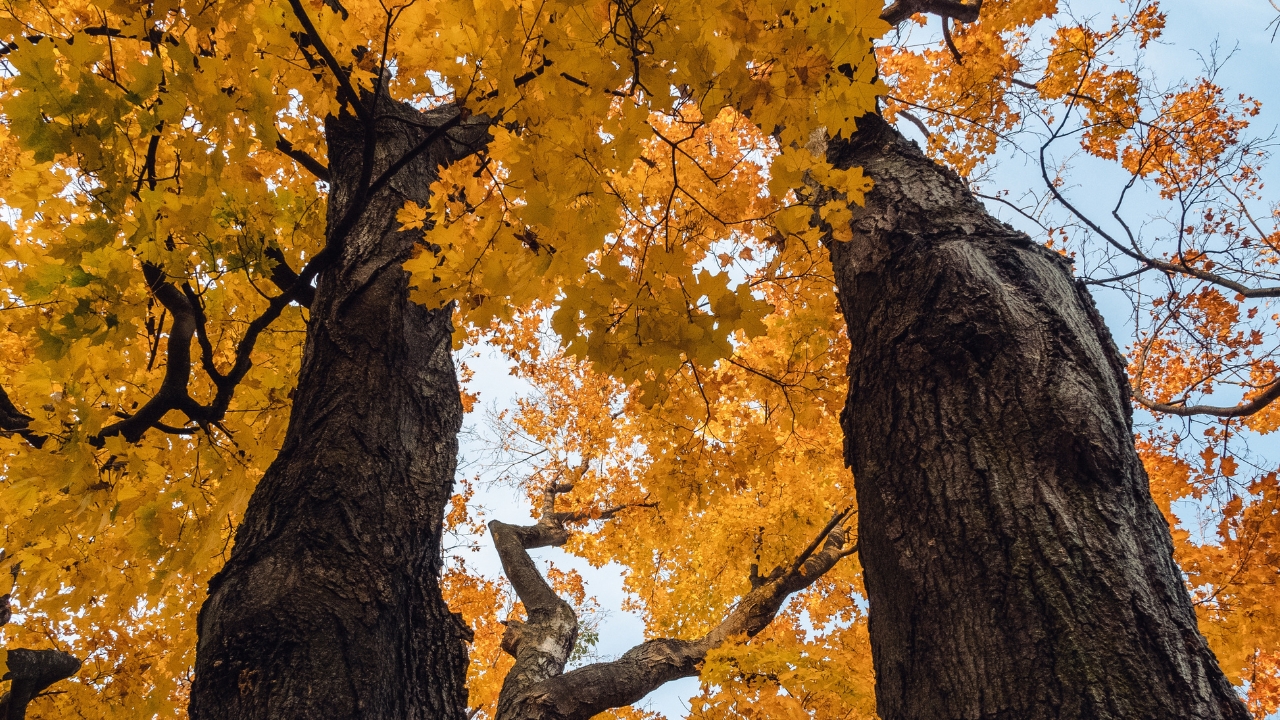
Silver maples shoot up fast, which is why they’re everywhere in older neighborhoods. The problem is the wood tends to be brittle, and big limbs like to tear off where two stems form a tight V. In a hard blow, those long arms snap with a sharp crack and come down like spears.
If you’ve got one leaning toward the house, don’t wait until it “looks worse.” Have an arborist thin the crown and take weight off long lateral limbs, then check for included bark and old tear-outs. If the tree is close enough that a major limb could reach the roof, removal is often cheaper than one storm plus a roofer plus interior drywall.
2. Bradford Pear That Splits At The Crotch
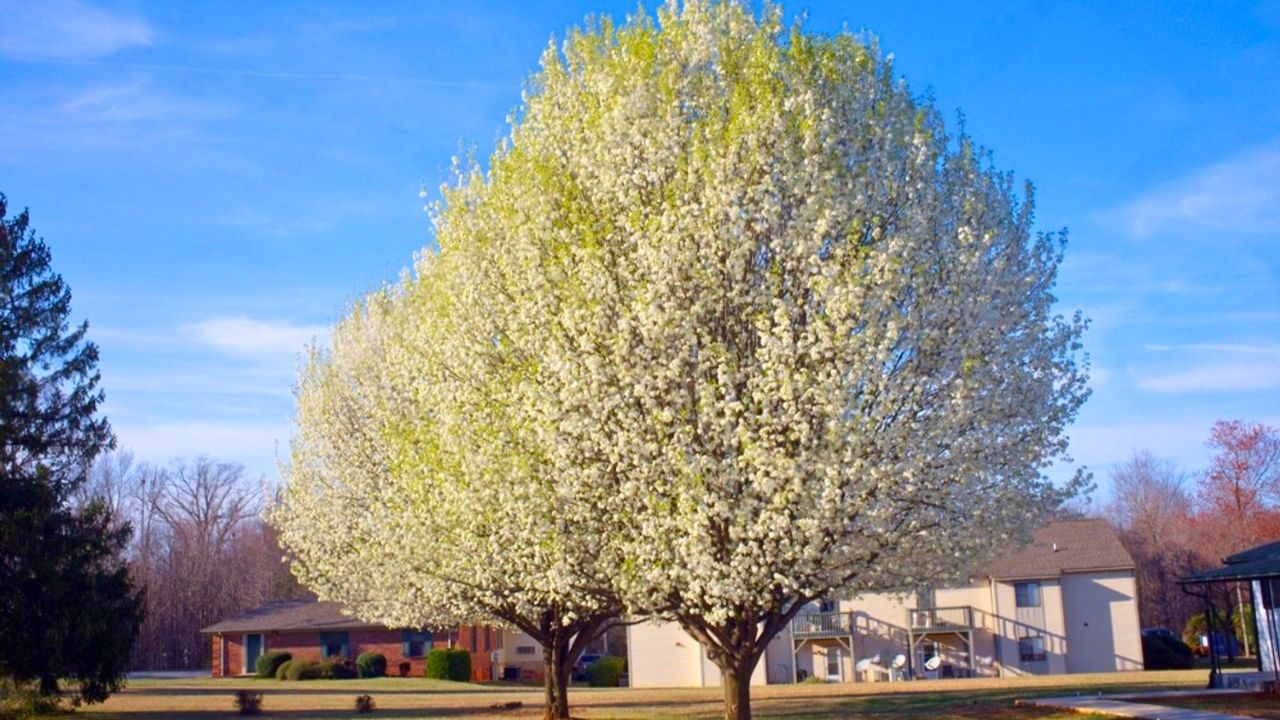
These are famous for breaking, and the break is ugly. Bradford pears often grow with multiple upright stems that look sturdy until the first ice storm or straight-line wind, then the whole top peels apart at the crotch.
Once that splitting habit shows up, pruning only buys time. If the tree is within striking distance of the house, plan a removal before storm season, then replace with something with stronger structure. If you keep it for shade another year, reduce end weight on limbs and don’t let a heavy, unbalanced canopy hang over the roof.
3. Norway Spruce Loaded With Wet Snow
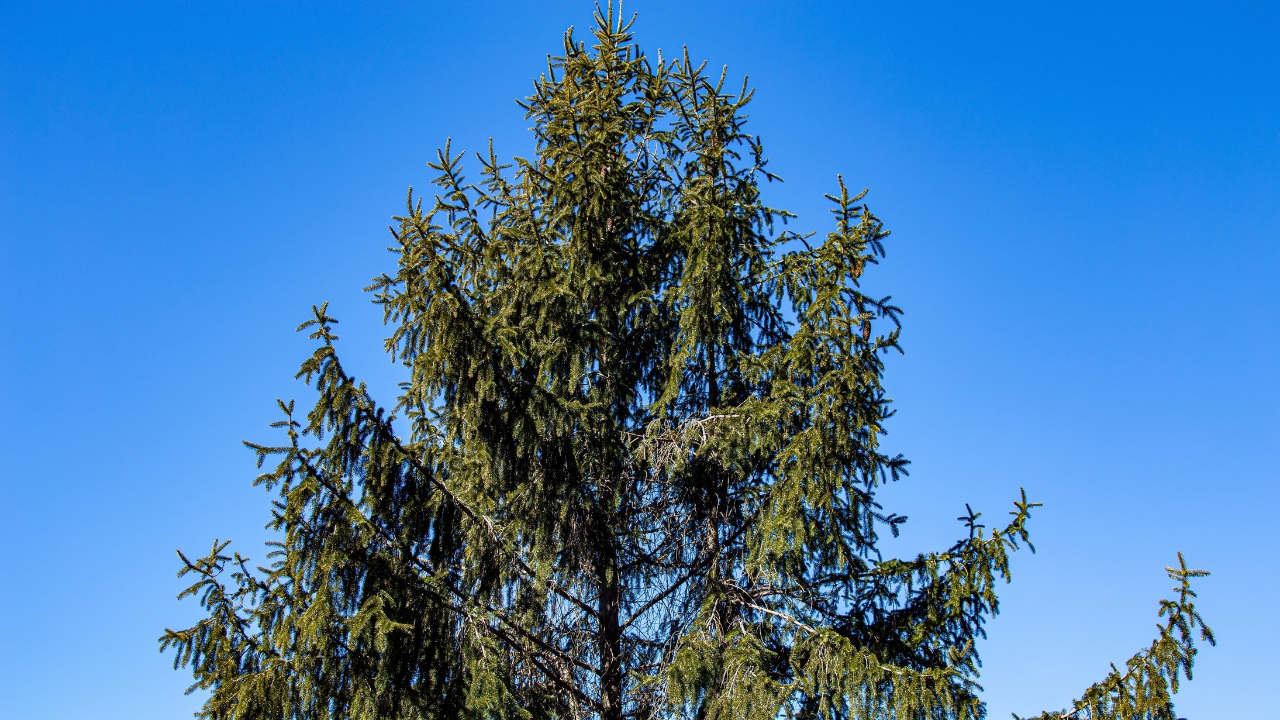
Evergreens catch wind all winter because they don’t drop needles the way deciduous trees drop leaves. Norway spruce also collects heavy, wet snow, and that load can pull the whole tree or a big section over, especially if the soil is thawing and saturated.
Walk the tree line after the first deep snow and look for a new lean, lifted soil, or a root plate that looks like it’s “hinging” up. If you’ve got a big spruce close to the house, thinning and cabling is a job for a pro, and sometimes the smarter fix is taking it down in a controlled way. Spruce roots tend to be shallow, so a tree that starts tipping doesn’t always stop.
4. Eastern White Pine With Root Plate Lift
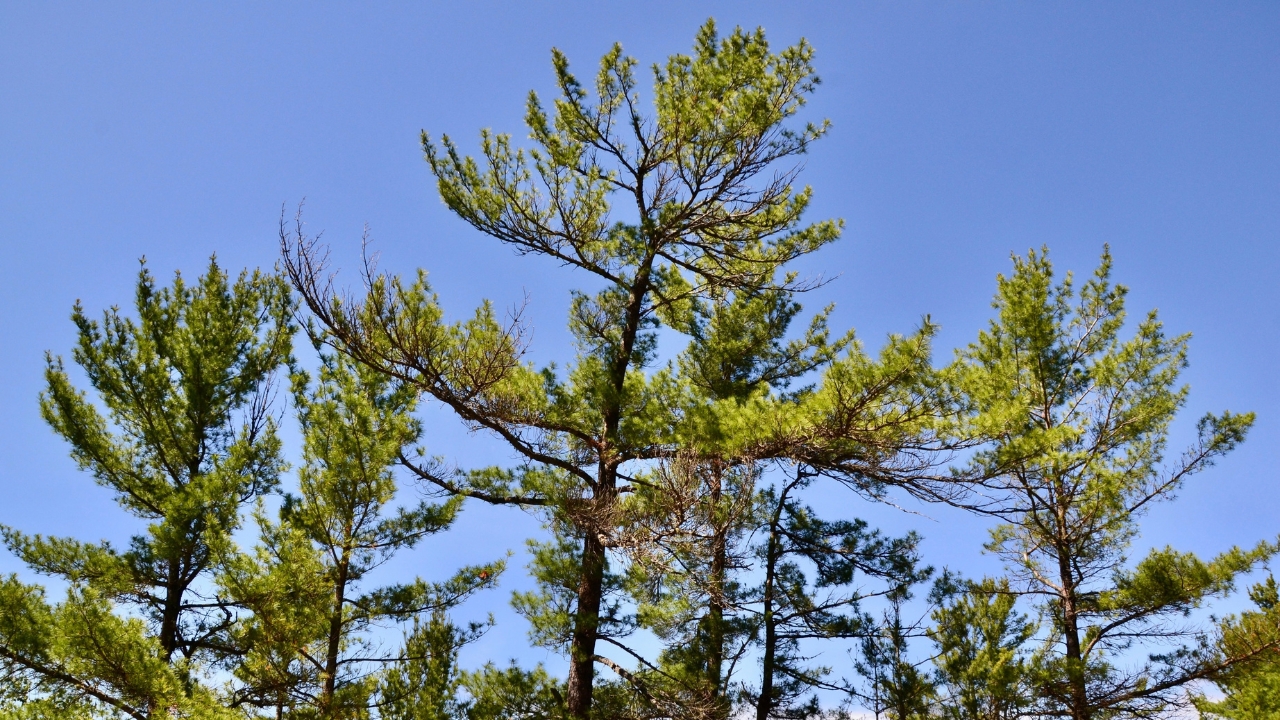
White pines grow tall and fast, and in a gust they sway like a fishing pole. In wet ground, the roots can lose their grip and the whole root plate lifts, which means the trunk is coming with it, not just a limb.
Pay attention to what the ground says, not just the canopy. If the soil around the base cracks, heaves, or looks freshly mounded on one side, that’s movement. Don’t try to “save” a large pine near a structure by topping it, topping makes it weaker and more likely to fail later. Removal near a house is a pro job, and worth paying for.
5. Cottonwood That Drops Huge Limbs
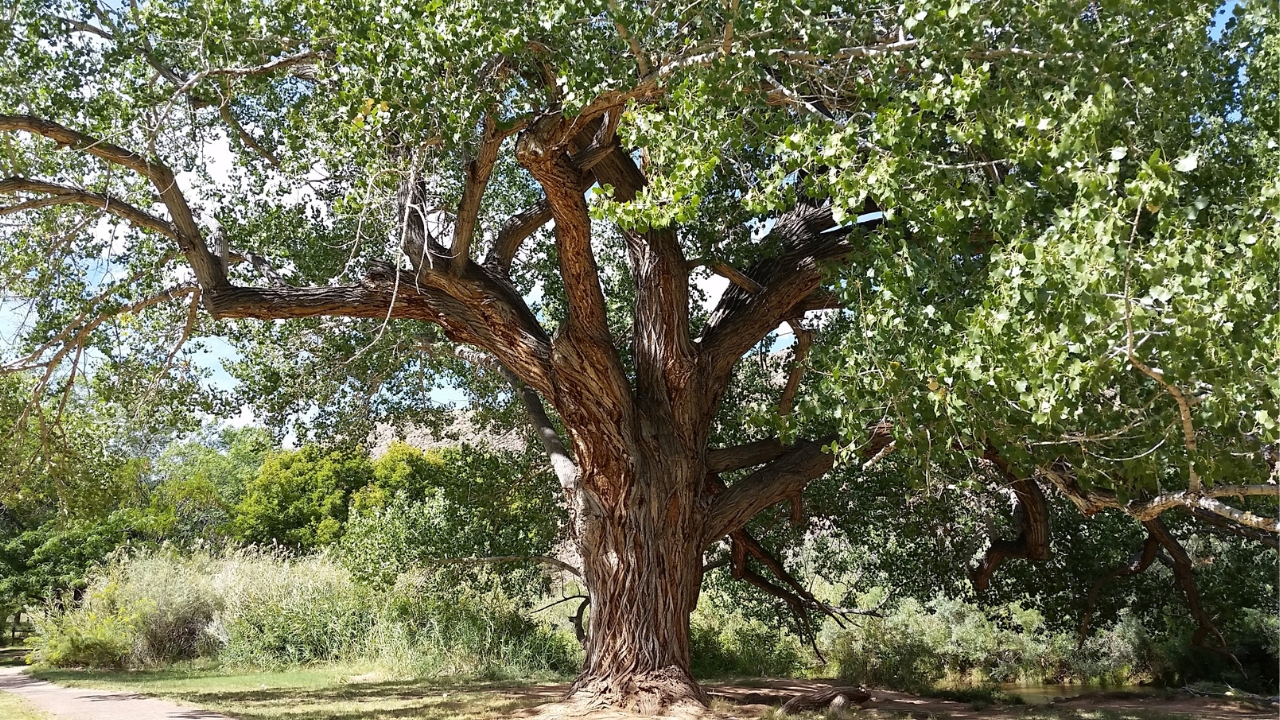
Cottonwoods are shade machines, and they’re also limb droppers. The wood can be weak and prone to internal decay, so you can have a big, green-looking tree that sheds a refrigerator-sized branch in a summer thunderstorm.
Look for old wounds, big dead tops, and mushrooms at the base. If the trunk has hollow spots or the tree has a history of dropping limbs, don’t gamble because it “hasn’t hit anything yet.” If you insist on keeping one farther from the house, schedule regular deadwood removal and keep anything over the roofline trimmed back before the hot storm season hits.
6. Willows Sitting In Soft, Wet Soil

Willows love water, and that’s the problem. They often grow where the soil gets saturated and loose, so a hard gust can tip them over even if the wood isn’t rotten.
If a willow is near your house or driveway, focus on drainage and distance. Fix downspout discharge, improve grading, and don’t let a leaky hose bib or sump line keep the root zone soggy all summer. A smaller willow out by a pond is usually fine, but next to a foundation it’s a rolling bet you don’t need.
7. Ash Trees Weakened By Borer Damage
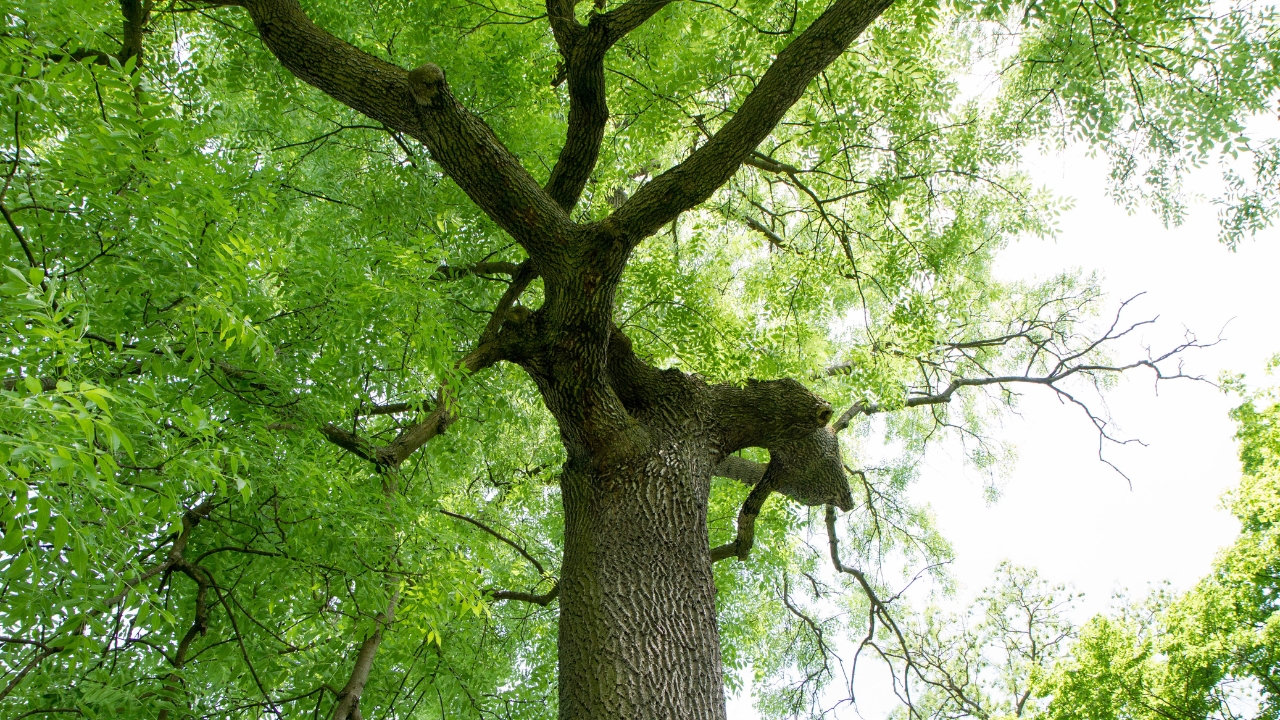
Ash can look decent from the street and still be in trouble. When borers get into a stand, the canopy thins, limbs die back, and the wood gets unpredictable. A storm doesn’t have to be extreme to turn a weakened ash into a roof punch.
Watch for thinning at the top, bark splitting, and lots of woodpecker activity. Dead ash gets dangerous fast, and it also gets harder to take down as it dries and becomes brittle. If an ash could reach the house, schedule an assessment and don’t wait until it’s half dead, that’s when removal gets more complicated and more expensive.
8. Red Oak With Hidden Heart Rot
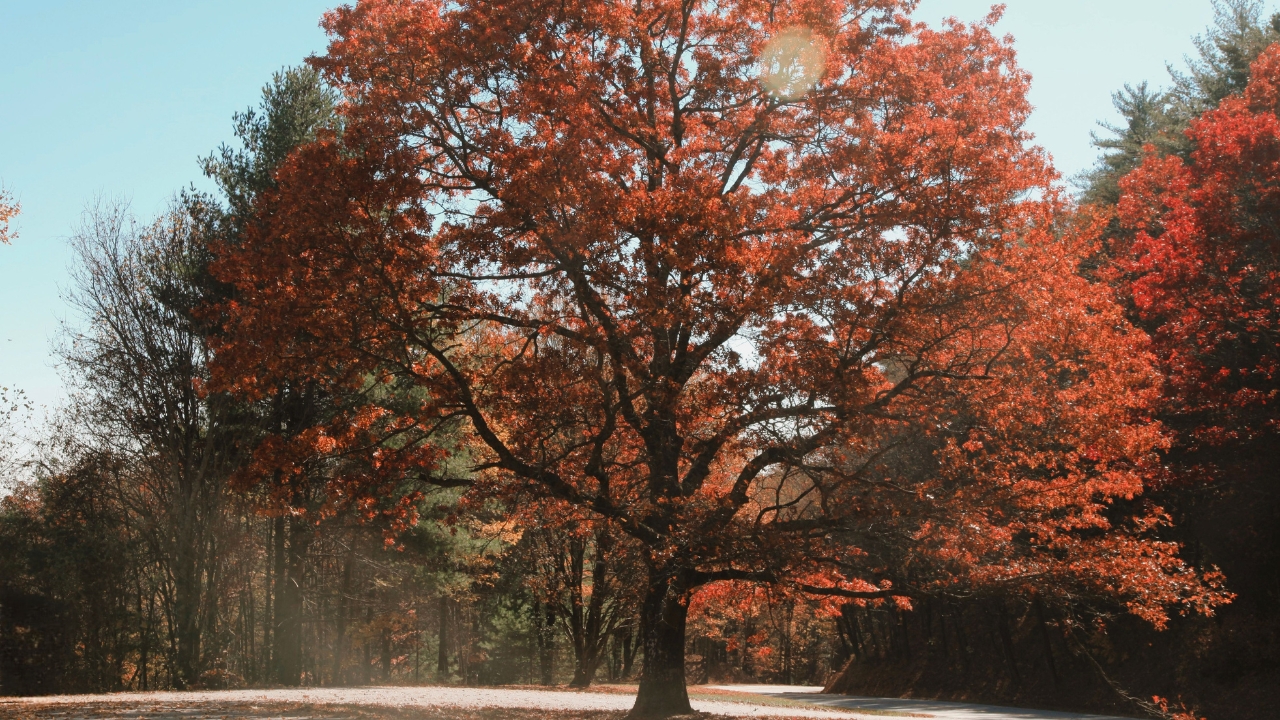
Oaks feel solid, so people trust them. The trouble is heart rot can hollow an oak from the inside while the outside still looks like a tank. In a big wind, the trunk can shear or a main leader can twist off.
Check old pruning scars, cavities, and big limb unions that hold water. If you see mushrooms near the base or a hollow that’s getting bigger each season, get a pro opinion. The honest exception is that a healthy oak with good structure is often a great yard tree, worth keeping and protecting with smart pruning, not panic removal.
9. Hackberry That Grows Toward The Light
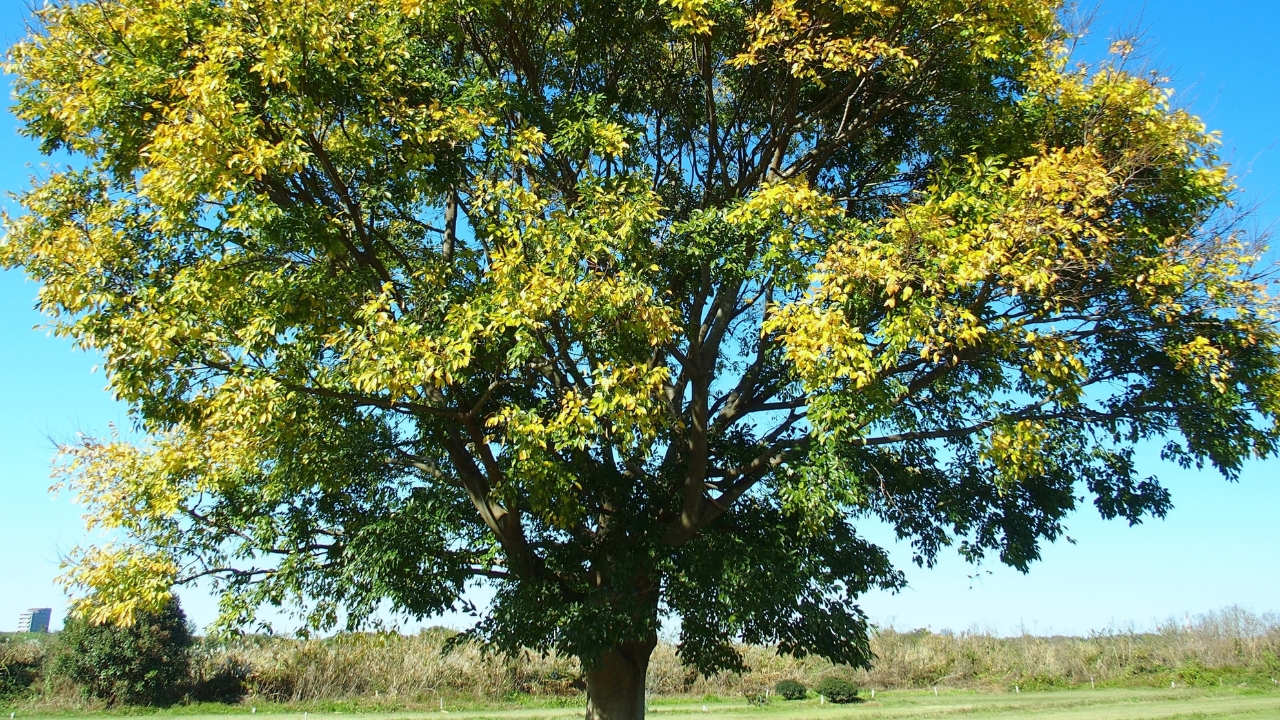
Hackberry pops up in fencelines and tight side yards, then leans hard as it reaches for sun. That lean puts a constant load on the trunk and roots, and a storm just finishes the job, especially if the tree is boxed in by compacted soil.
If you’ve got a hackberry tilting toward the house, don’t fixate on the top. The long-term fix is either removal or reducing the sail area and weight on the house side, which is a careful pruning job, not a hack job. Also, call 811 before any new planting or grading, because side yards are full of buried surprises like gas and service lines.
10. Lombardy Poplar Planted As A Fast Screen
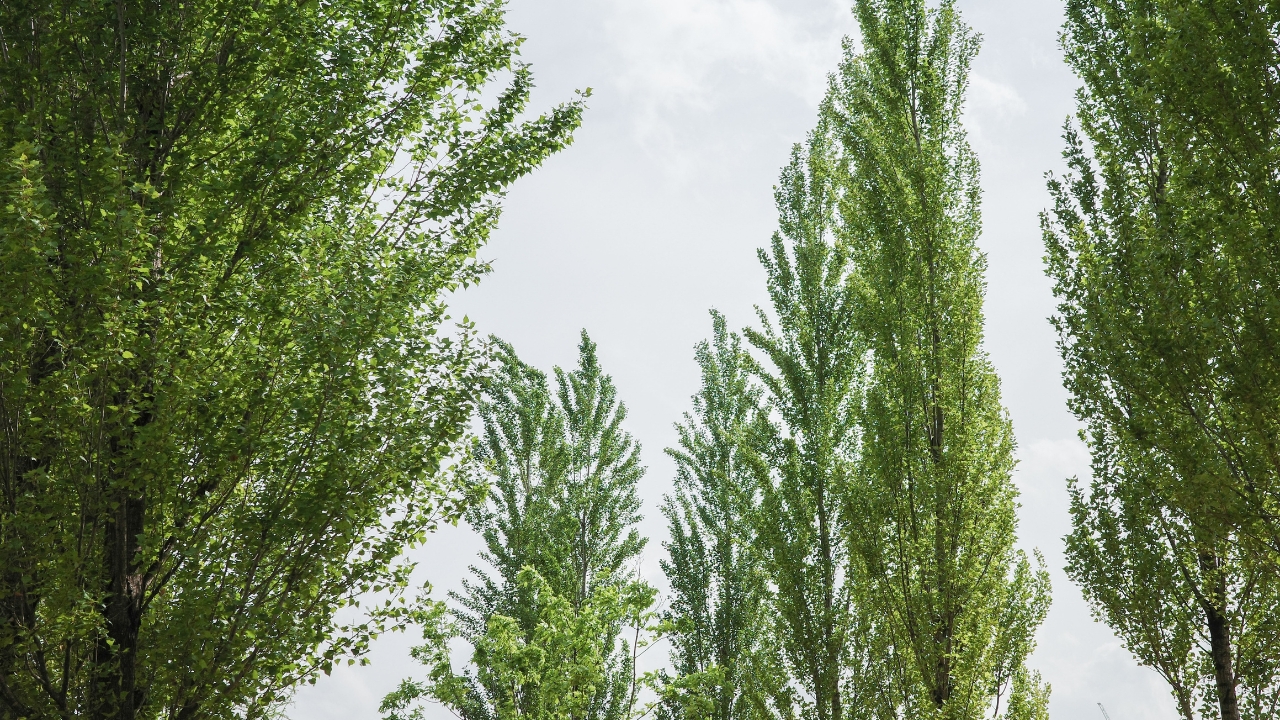
Lombardy poplar is the tree version of a cheap fence, fast privacy, short lifespan. They grow tall quickly, then they start breaking and rotting young, often within the time you’re still paying off other house projects. In wind, tall narrow trees can snap mid-trunk or uproot in a row like dominoes.
If you’ve got them near a home, treat them as temporary. Start replacement plantings now, farther from the house and with better species for your area, then remove the poplars before they get too tall to handle safely. A few hours of chainsaw work is not the move here if they’re close to structures or lines, hire it out and be done with it.
If you want fewer surprises, walk your property right after big rains and right after the first hard wind of the season. Look up for deadwood, look down for heaving soil, and don’t ignore a new lean. The best time to deal with a sketchy tree is when the weather is calm and the crew can set up safely.
Like Fix It Homestead’s content? Be sure to follow us.